EN
Quick Links
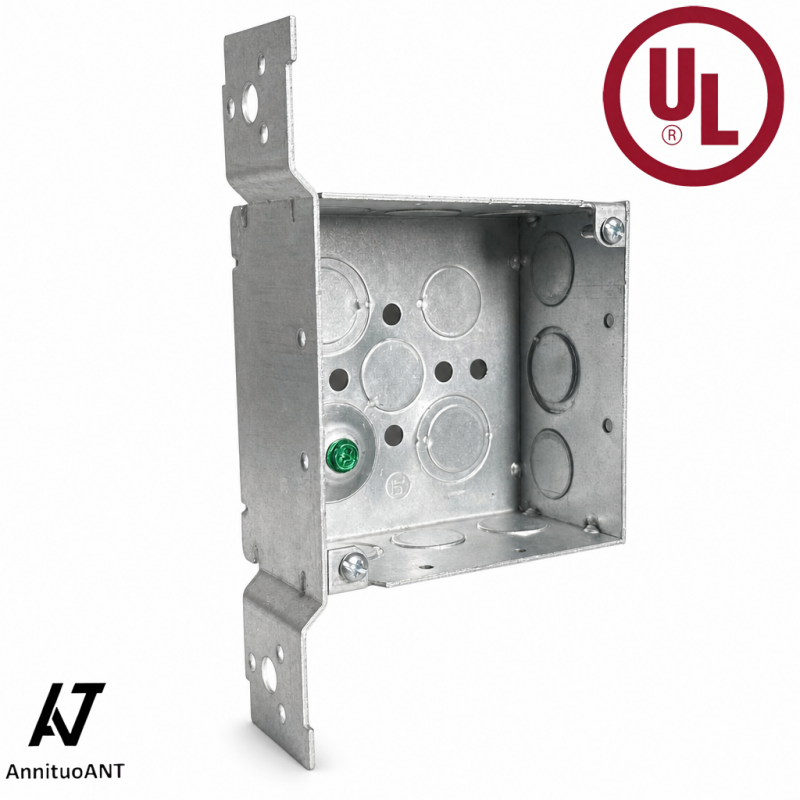
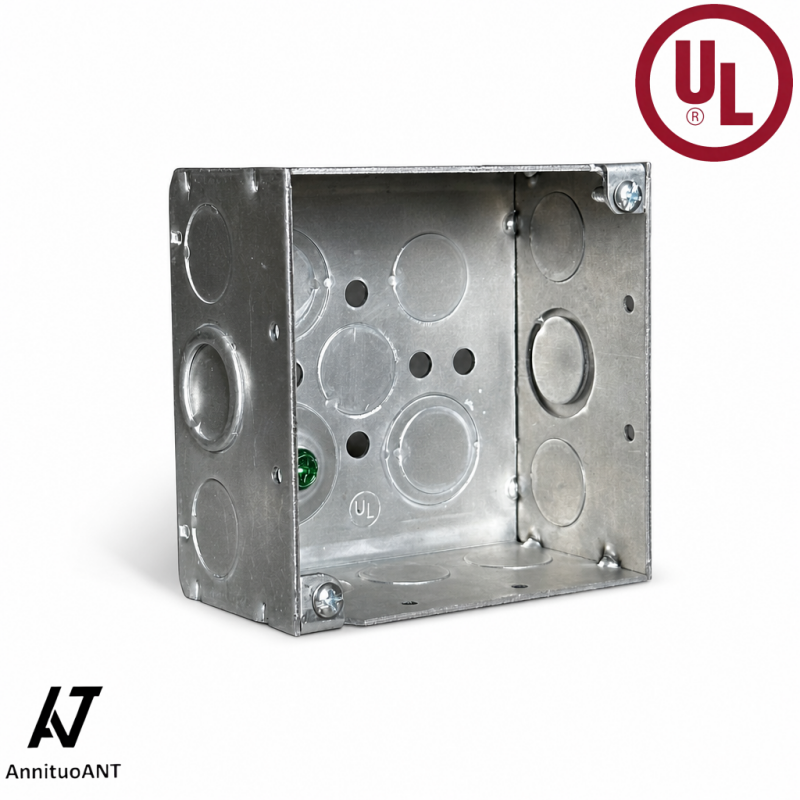
Electrical boxes are essential components used in various electrical installations to protect wiring connections and house electrical components. As a B2B buyer involved in purchasing for commercial or residential projects, understanding the specifications and standards of electrical box cover is crucial. This article will guide you through key considerations when selecting electrical boxes, choosing a reliable supplier, evaluating quality standards, and understanding their applications in different projects.
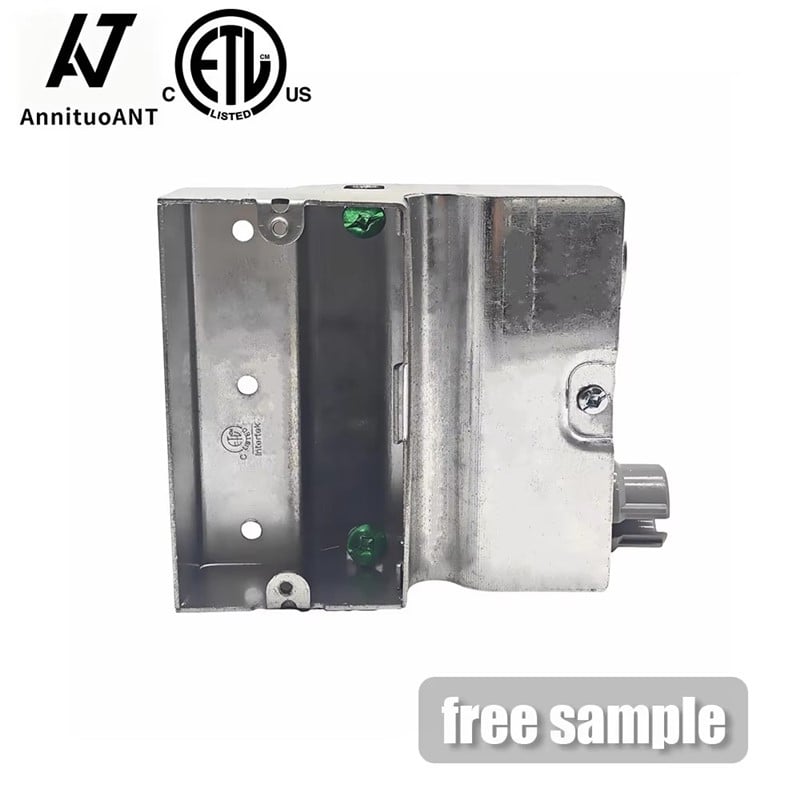
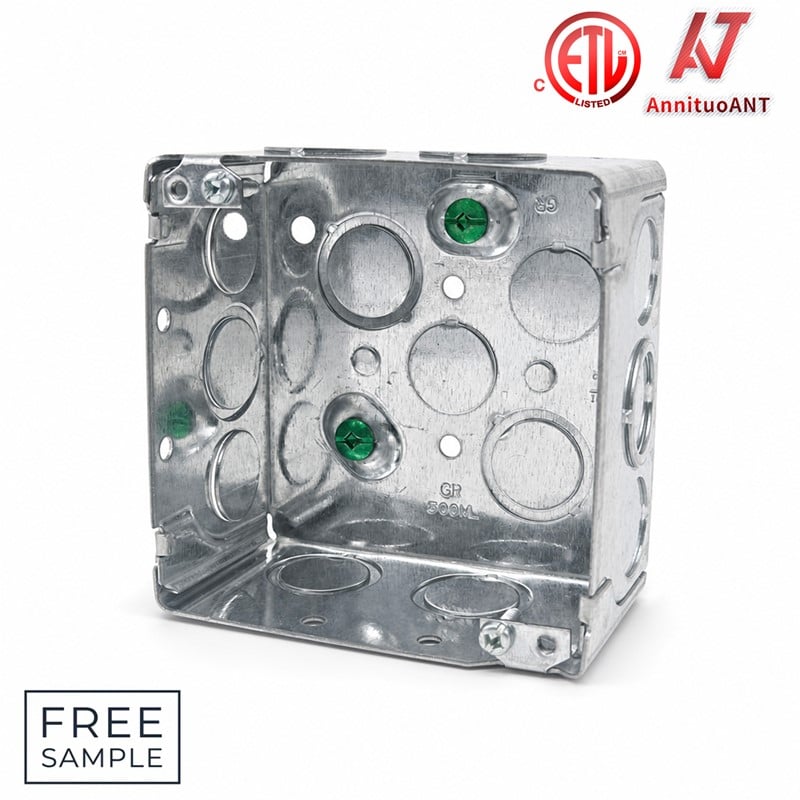
When sourcing Anita electrical boxes, it's vital to grasp their specifications. Key attributes include material, size, shape, and certification standards.
Material: Electrical boxes come in metallic and non-metallic options. Metallic boxes, often made of steel or aluminum, provide superior grounding and are suitable for environments exposed to moisture or chemicals. Non-metallic boxes, typically crafted from PVC or fiberglass, are lighter and resistant to corrosion, making them ideal for dry environments.
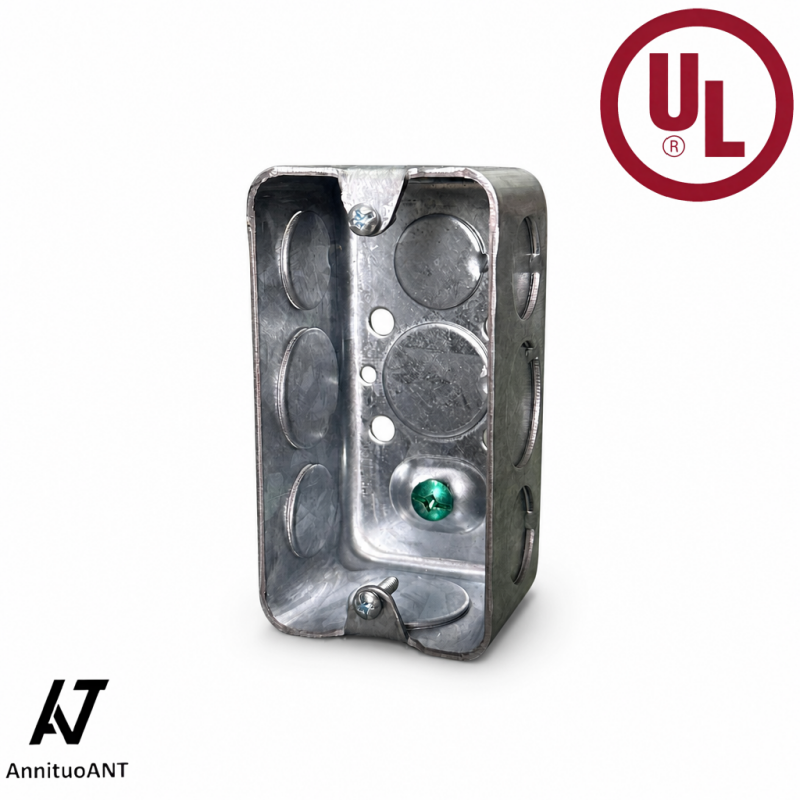
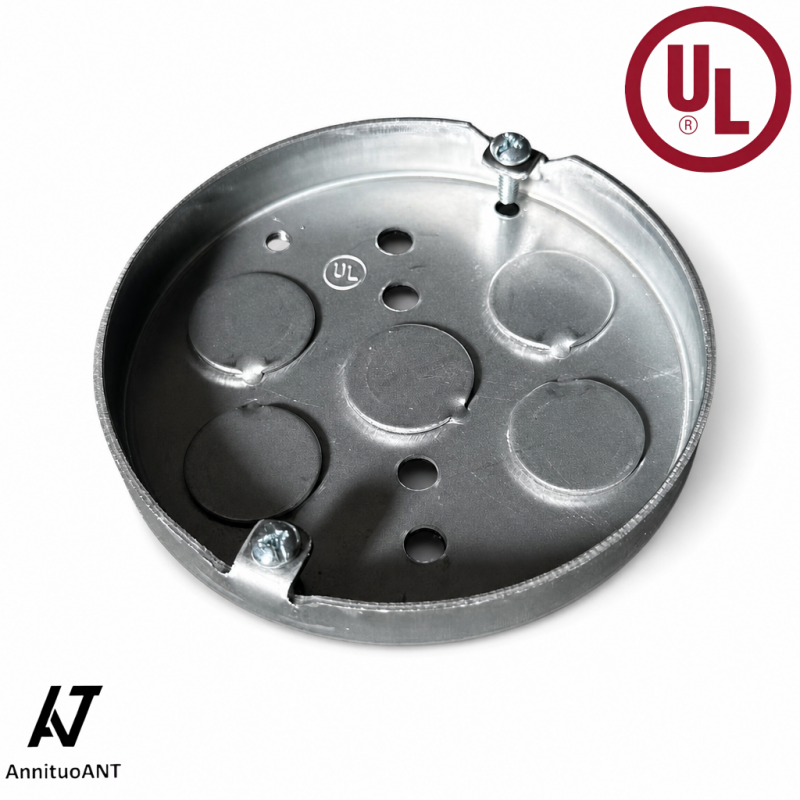
Size and Shape: The dimensions of the box must accommodate the number of wires and devices intended to be housed. Standard sizes vary, and some applications may require custom dimensions. Additionally, the shape—whether square, rectangular, or round—can affect installation feasibility and aesthetic appeal.
Certifications: Certifications such as UL/cUL and ETL/cETL indicate compliance with safety standards. These certifications ensure the product has undergone rigorous testing for quality and safety, providing peace of mind for buyers.
Understanding these specifications will help you identify the right electrical boxes for your projects, ensuring they meet application needs while complying with safety regulations.
Selecting a trustworthy supplier is crucial for ensuring a consistent supply of quality electrical boxes. Consider the following factors:
Experience and Reputation: Look for suppliers with a solid track record in the electrical equipment industry. Companies with extensive experience, like Jiaxing ANT Electrical Co., Ltd., which boasts 14 years in manufacturing and exporting electrical equipment, often demonstrate reliability and expertise.
Manufacturing Capabilities: Evaluate the supplier's production facilities and capabilities. A manufacturer with multiple factories can potentially meet larger orders and offer customization options more efficiently. Inquire about their production equipment and quality control processes to ensure they can deliver high-quality products consistently.
Customer Support and Service: A responsive supplier can significantly enhance your purchasing experience. Ensure they have a dedicated support team to address inquiries, provide product information, and assist with order tracking.
Pricing and Minimum Order Quantities (MOQ): Understand the supplier's pricing structure and MOQ policies. Competitive pricing is essential, but ensure it does not compromise quality. Discussing potential discounts for bulk orders can also benefit your budget.
By carefully evaluating these factors, you can choose a supplier that aligns with your project needs and operational requirements.
Quality standards are paramount when integrating Anita electrical boxes into your projects. Here are key aspects to consider:
Material Quality: The material should be appropriate for the intended use. For example, if the waterproof outdoor electrical box will be installed outdoors or in damp conditions, select a box with corrosion-resistant properties. During the quality inspection, verify that the physical attributes align with the specified material standards.
Certification Verification: Ensure that the electrical boxes meet relevant certifications. Request documentation proving compliance with safety standards and confirm that the products have been independently tested. This helps mitigate risks associated with electrical failures.
Durability Testing: Assess whether the supplier conducts durability tests. These tests evaluate the box's resistance to mechanical stress, temperature fluctuations, and environmental exposure. A robust electrical box should withstand various conditions without compromising safety or functionality.
Sample Approval: Before committing to a bulk order, always request samples for testing under real-world conditions. This step allows you to evaluate the product's fit and performance, ensuring it meets your specifications.
By adhering to these quality evaluation practices, you can minimize risks and ensure that the electrical boxes used in your projects are reliable and safe.
Electrical boxes serve a variety of applications across commercial and residential sectors:
Residential Wiring: In homes, electrical boxes are commonly used to house connections for outlets, switches, and lighting fixtures. They protect wiring from damage and ensure safe operation, making them indispensable for residential electrical installations.
Commercial Installations: In commercial settings, electrical boxes are critical for housing larger electrical systems, such as circuit breakers and junctions. They must comply with more stringent regulations due to the higher power demands and safety considerations in commercial buildings.
Outdoor Applications: For outdoor installations, weatherproof electrical boxes are essential. These boxes are designed to withstand exposure to moisture and UV radiation, ensuring the longevity and safety of the electrical components housed within.
Industrial Environments: In industrial applications, electrical boxes must be robust and capable of operating in harsh conditions, such as high temperatures or exposure to chemicals. Selecting the right box for these environments is vital to avoid equipment failures and ensure safety.
By understanding the specific applications of electrical boxes, buyers can make informed decisions that align with project requirements and safety standards.
When selecting Anita electrical boxes, contractors and distributors should consider various options to best meet their needs. Here are some comparative factors:
Cost vs. Quality: While lower-priced options may seem attractive, they often come at the expense of durability and safety. It's crucial to assess the total cost of ownership, which includes installation, maintenance, and potential replacement costs. Investing in quality electrical boxes can lead to long-term savings and fewer complications.
Customization Availability: Contractors often require specific configurations for their projects. Check whether the supplier offers customization options for sizes, colors, and features. This flexibility can significantly enhance the compatibility of electrical boxes with unique project demands.
Packaging and Shipping: Evaluate the supplier's packaging methods to ensure the plastic electrical boxes arrive undamaged. Proper packaging is critical for protecting the products during transit. Discuss shipping timelines and costs to avoid unexpected delays in your project schedule.
Technical Support: Suppliers that provide technical support can be a valuable resource for contractors. Whether it's assistance with installation or troubleshooting, having access to expert advice can streamline project execution and enhance overall efficiency.
By comparing these factors, contractors and distributors can make informed decisions that optimize their supply chain and project execution while ensuring compliance with safety standards.
understanding electrical boxes' specifications, choosing the right supplier, evaluating quality standards, and recognizing their diverse applications are essential steps for B2B buyers. By leveraging this knowledge, you can ensure that your projects are equipped with reliable and safe electrical solutions that meet your specific needs.