 EN
Quick Links
Electrical junction boxes are essential components in electrical systems, designed to protect and organize electrical connections. As a purchasing manager or engineer, understanding the right specifications and applications for electrical junction boxes is crucial to ensure safety and efficiency in your projects. This article will explore how to select the appropriate exterior junction box, discuss their advantages and drawbacks, outline key applications in commercial projects, highlight best practices for use and installation, and identify common issues and their solutions.
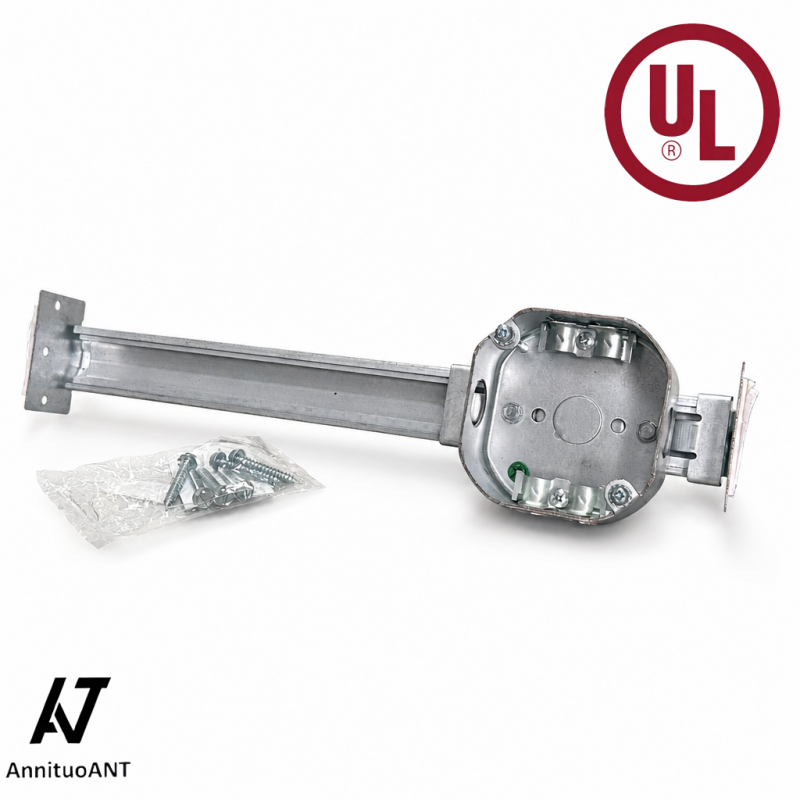
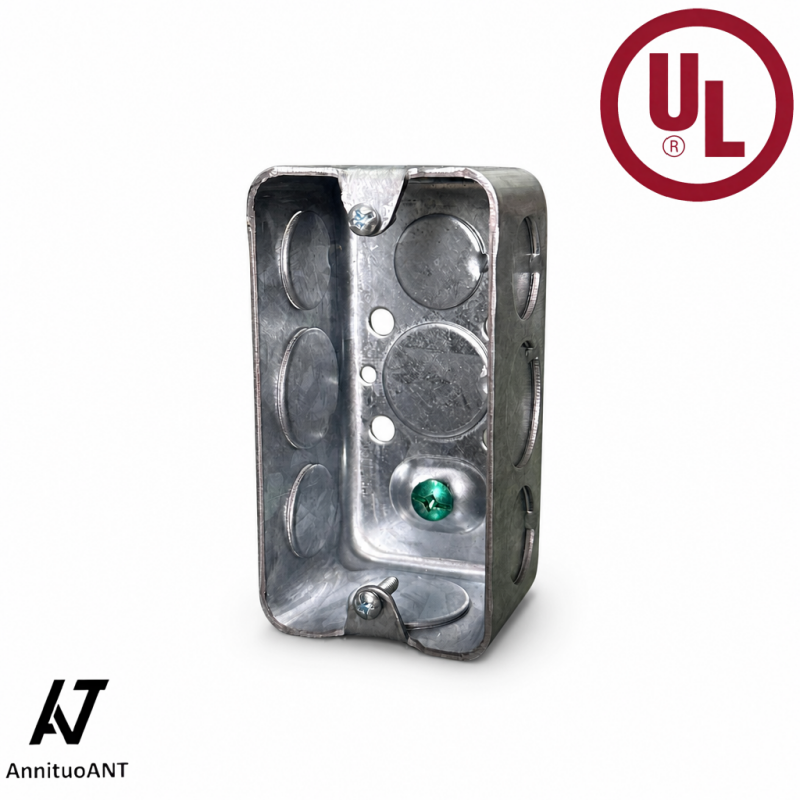
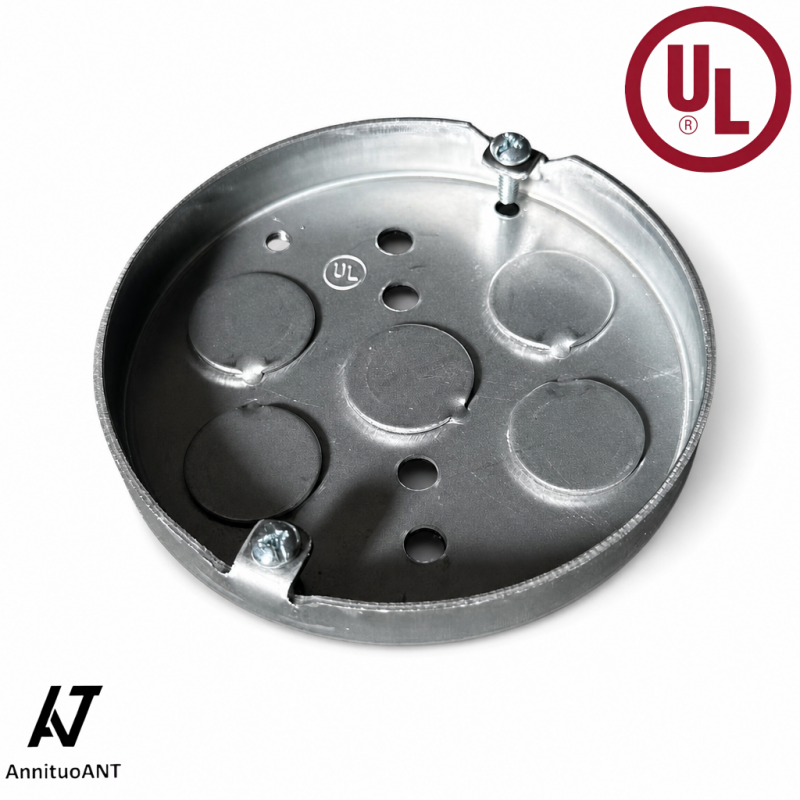
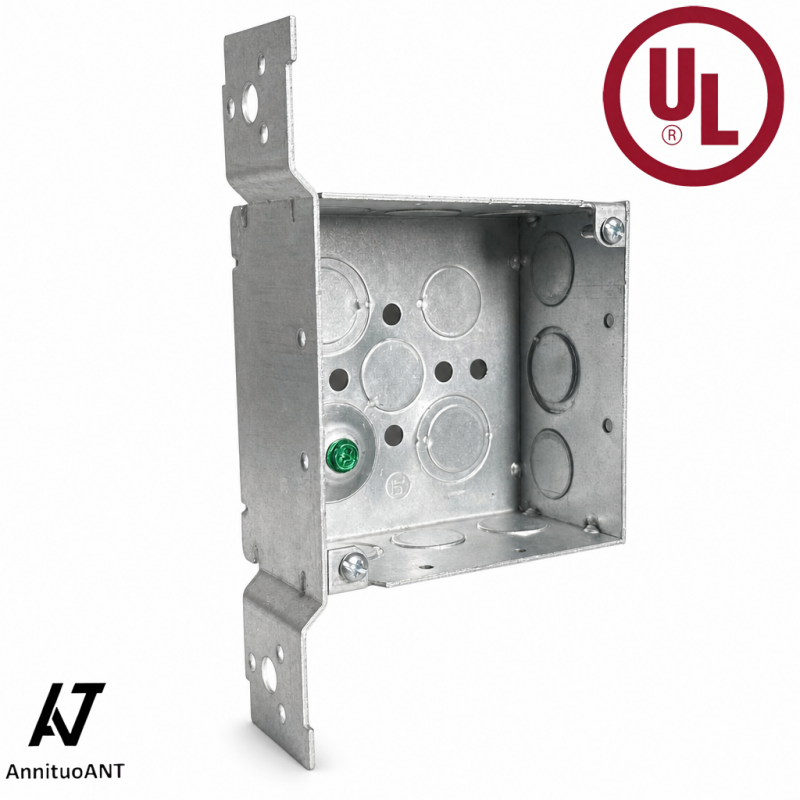
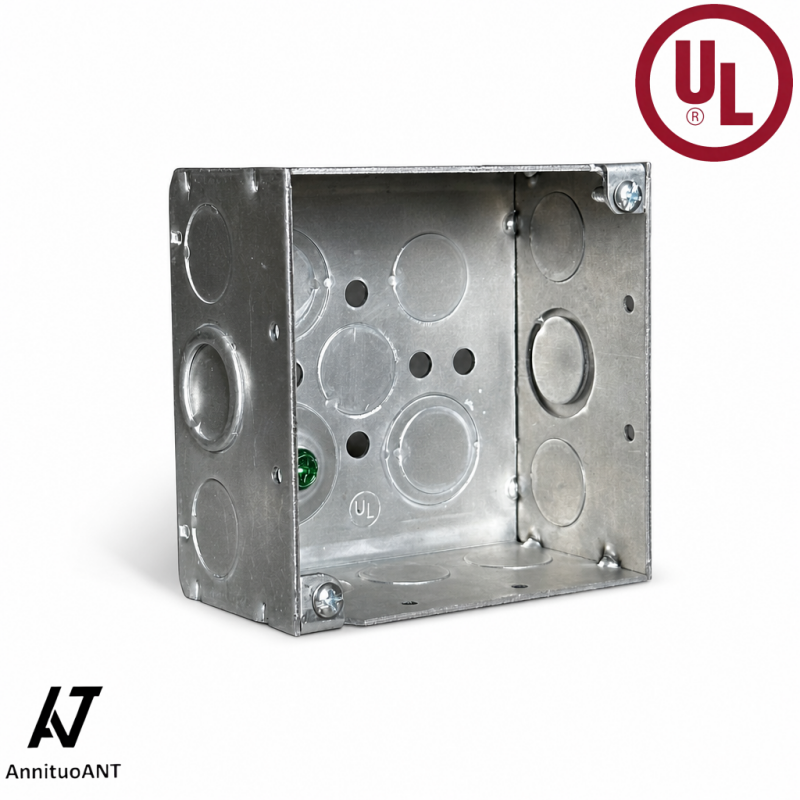
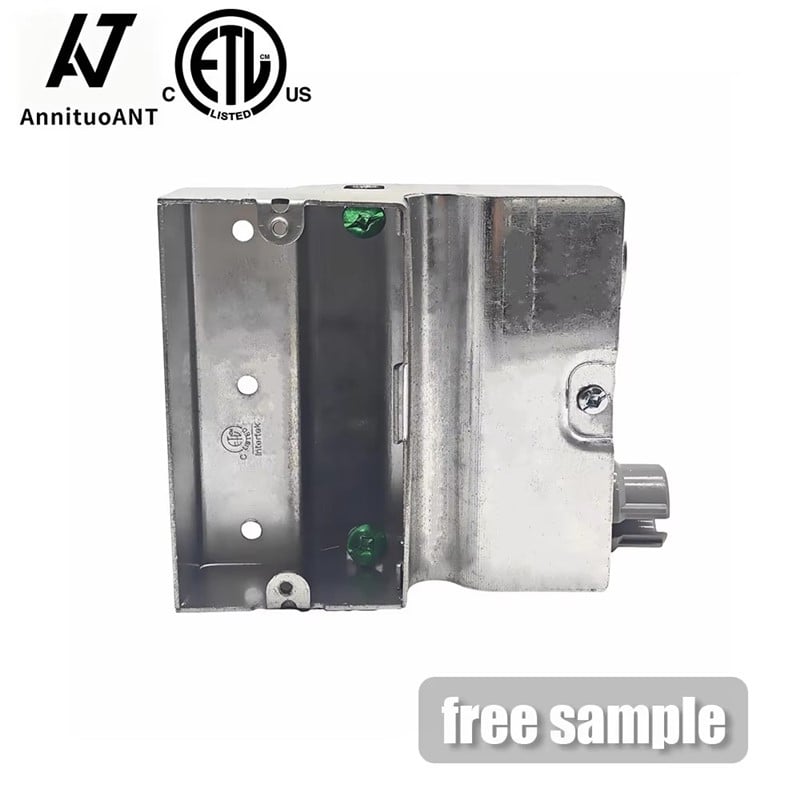
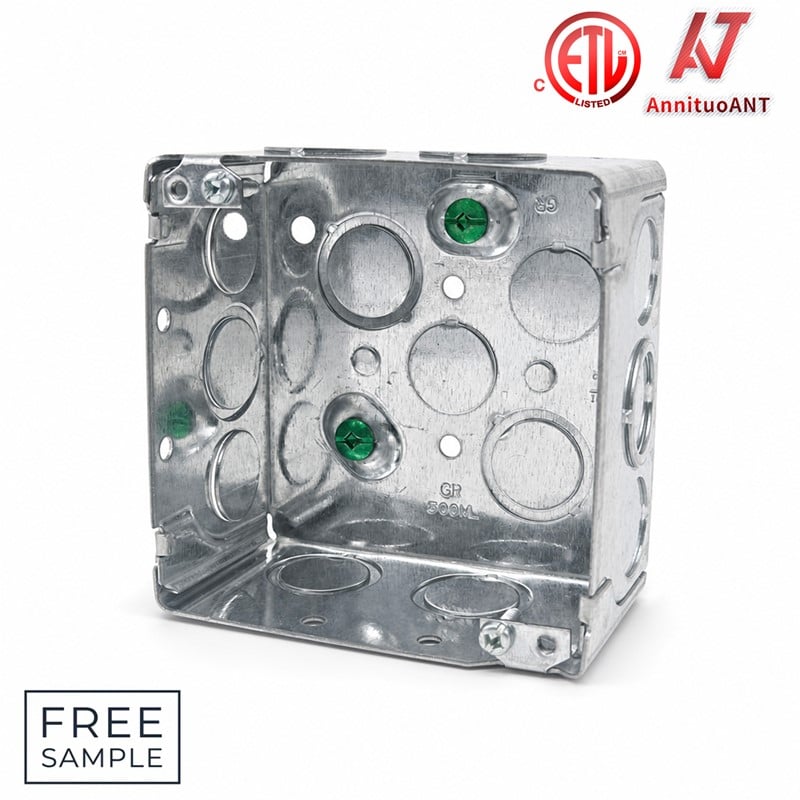
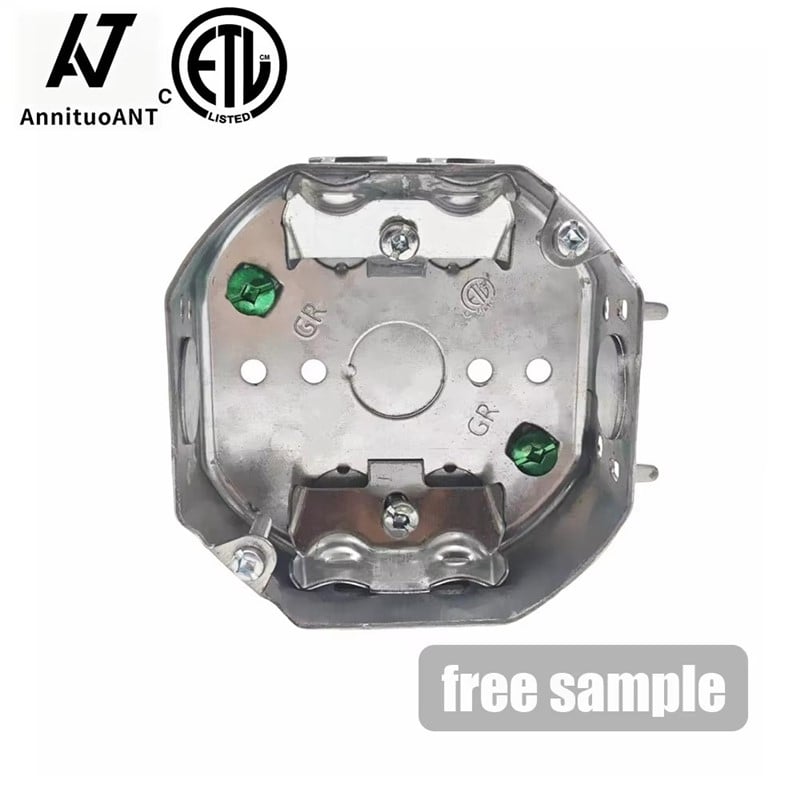
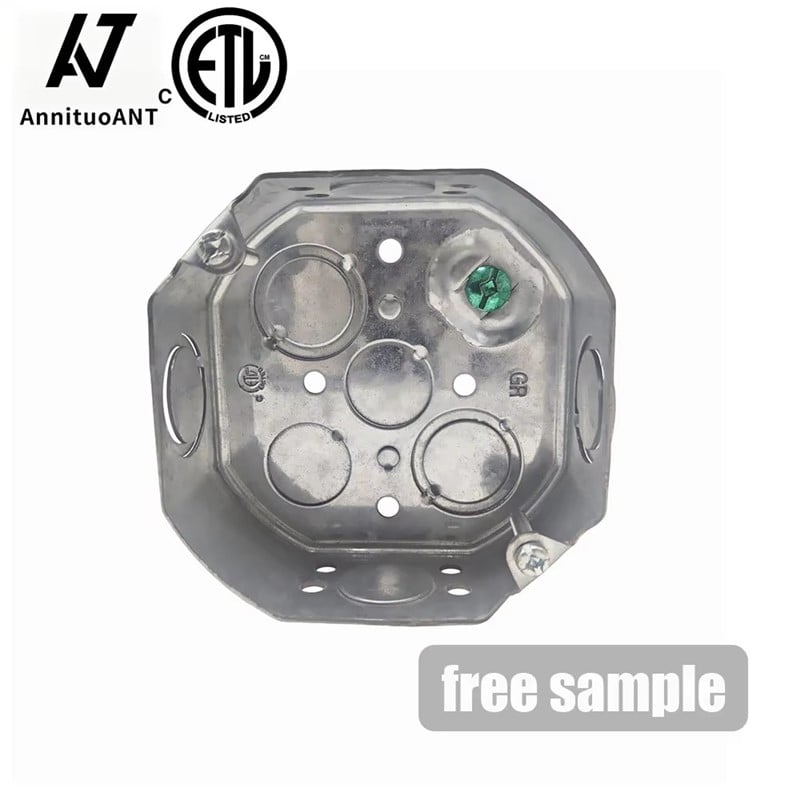
Selecting the right electrical junction box involves several considerations, including material, size, and application. The two primary materials for junction boxes are metallic and non-metallic. Metallic boxes, typically made from steel or aluminum, offer increased durability and grounding options, making them suitable for harsh environments. Non-metallic boxes, often constructed from PVC or fiberglass, are lighter and resistant to corrosion, making them ideal for residential and commercial applications.
When choosing a junction box, size is critical. The box must accommodate all wiring and connections without overcrowding, which can lead to overheating and electrical failures. It's advisable to consult the National Electrical Code (NEC) for guidelines on box fill calculations, ensuring that your selection meets safety requirements.
Consider the application's specific needs, such as exposure to moisture or chemicals. For instance, plastic junction box used outdoors or in wet locations should be rated for such environments. Reviewing the manufacturer's certifications, like UL or ETL, can also provide assurance of compliance with safety standards.
Protection: Anita Electrical junction boxes safeguard wiring from environmental factors and physical damage.
Organization: They help organize wiring, reducing clutter and making troubleshooting easier.
Safety: By containing electrical connections, they minimize the risk of electrical fires and shock hazards.
Cost: Higher quality junction boxes may come with increased costs, particularly if specialized materials are required.
Installation Complexity: Depending on the application, installation may require additional time and labor.
Size Limitations: Choosing a box that is too small can lead to overheating, while one that is too large may be unnecessary and take up valuable space.
Understanding these pros and cons can guide your decision-making process in selecting junction boxes that best suit your project's requirements.
Electrical junction boxes are widely used in various commercial applications, including:
Office Buildings: In office environments, junction boxes are essential for managing wiring systems, ensuring that power and data connections are safely organized.
Industrial Facilities: In manufacturing plants, robust metallic junction boxes are often employed to protect wiring from heavy machinery, chemicals, and environmental hazards.
Retail Spaces: Junction boxes help streamline electrical connections for lighting, signage, and other electrical systems, contributing to a well-organized and aesthetically pleasing environment.
Residential Developments: In residential construction, both metallic and non-metallic junction boxes are utilized for wiring connections in homes, ensuring safety and compliance with local codes.
Outdoor Installations: For outdoor applications, weather-resistant junction boxes are crucial in protecting electrical connections from moisture and UV exposure, such as in street lighting or landscape lighting systems.
Each application requires careful consideration of the box's material, size, and protective features to ensure optimal performance and safety.
To ensure the effective use of Anita electrical junction boxes, follow these best practices:
Proper Installation: Ensure that junction boxes are installed according to the NEC guidelines, with adequate support and secure mounting. This prevents movement that could damage connections.
Regular Inspections: Periodically inspect junction boxes for signs of wear, corrosion, or damage. Promptly address any issues to maintain safety and functionality.
Use of Grommets and Seals: When installing wires through junction boxes, use grommets or seals to protect the wires from abrasion and moisture ingress.
Labeling: Clearly label all wires and connections within the waterproof electrical junction box. This simplifies troubleshooting and maintenance in the future.
Sample Testing: Before mass production or installation, conduct sample testing under real-world conditions to ensure compatibility and performance.
Implementing these best practices can significantly enhance the reliability and safety of your electrical systems.
While Anita electrical junction boxes are generally reliable, several issues can arise during use. Here are some common problems and their solutions:
Overheating: This can occur if the junction box is overloaded with wires. To prevent this, ensure compliance with box fill calculations and avoid exceeding the manufacturer's specified limits.
Moisture Ingress: If moisture enters the junction box, it can lead to corrosion and electrical failures. Use weatherproof junction boxes in outdoor applications and ensure proper sealing during installation.
Loose Connections: Over time, connections may loosen, leading to arcing and potential fire hazards. Regular inspections and maintenance, along with secure connections, can mitigate this risk.
Incorrect Sizing: Using a junction box that is too small can lead to overheating, while one that is too large can be cumbersome. Assess your wiring needs and refer to NEC guidelines for proper sizing.
Inadequate Grounding: Failure to properly ground metallic junction boxes can create hazardous conditions. Ensure that grounding is correctly implemented during installation.
By being aware of these common issues and implementing proactive measures, you can enhance the reliability of your electrical systems and prevent costly failures.
Understanding the various aspects of electrical junction boxes—selection criteria, applications, best practices, and common challenges—can significantly improve your purchasing decisions and project outcomes. As a manufacturer with extensive experience in this field, Jiaxing ANT Electrical Co., Ltd. is well-equipped to provide high-quality junction boxes tailored to your specific needs. Your next steps should include considering these insights when evaluating suppliers and making informed choices for your electrical projects.