 EN
Quick Links
Choosing the right outside electrical junction box is crucial for ensuring safety and efficiency in electrical installations. These boxes serve as protective enclosures for electrical connections, safeguarding against environmental factors and potential hazards. B2B buyers, including purchasing managers and engineers, often seek reliable solutions that meet specific application requirements, adhere to quality standards, and offer competitive pricing. This article will guide you through key considerations, pricing strategies, essential features, best practices, and common challenges associated with plastic electrical boxes.
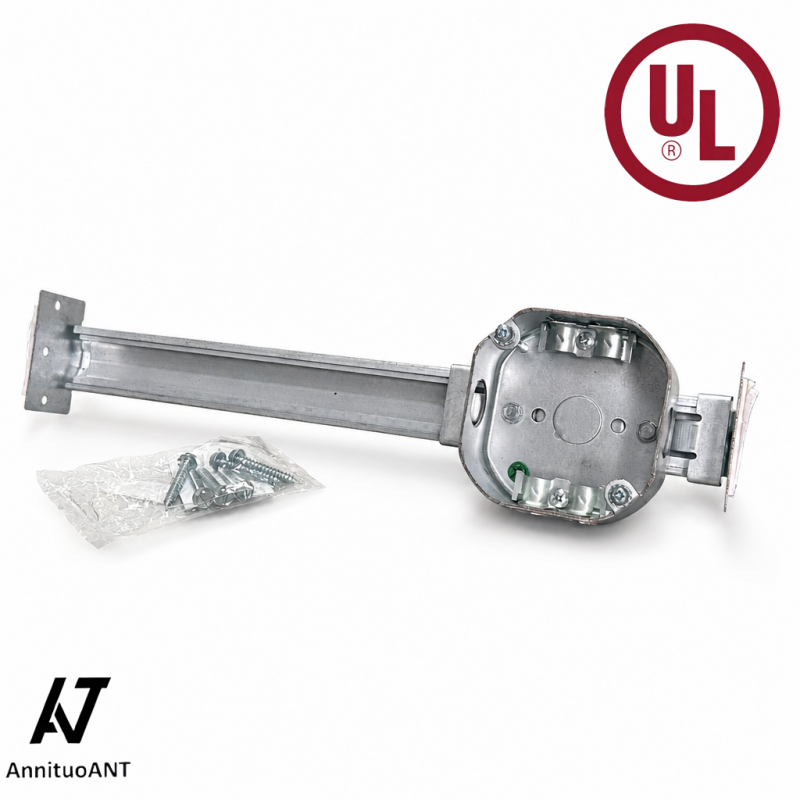
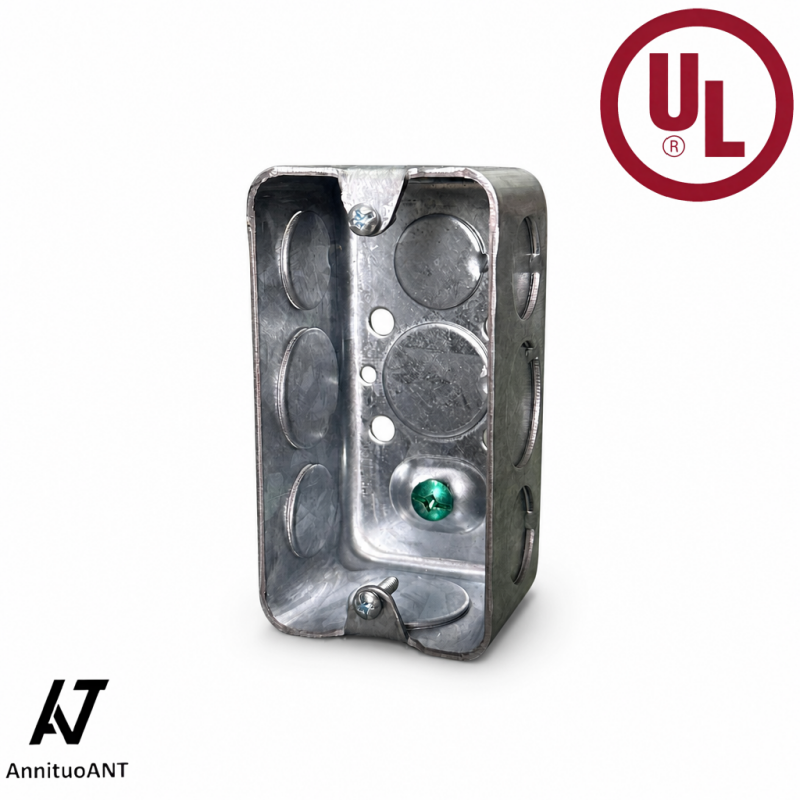
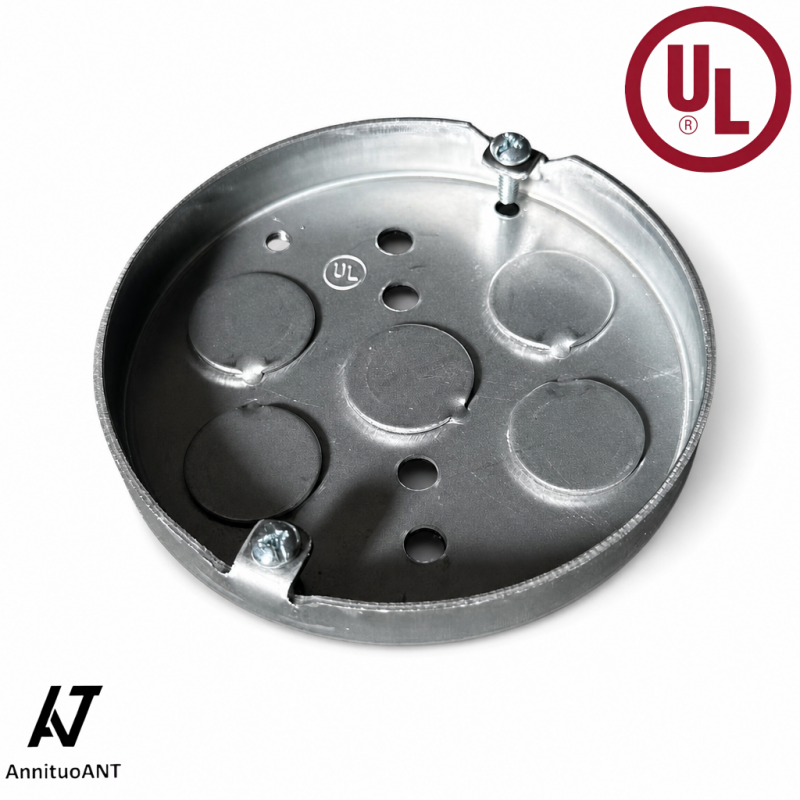
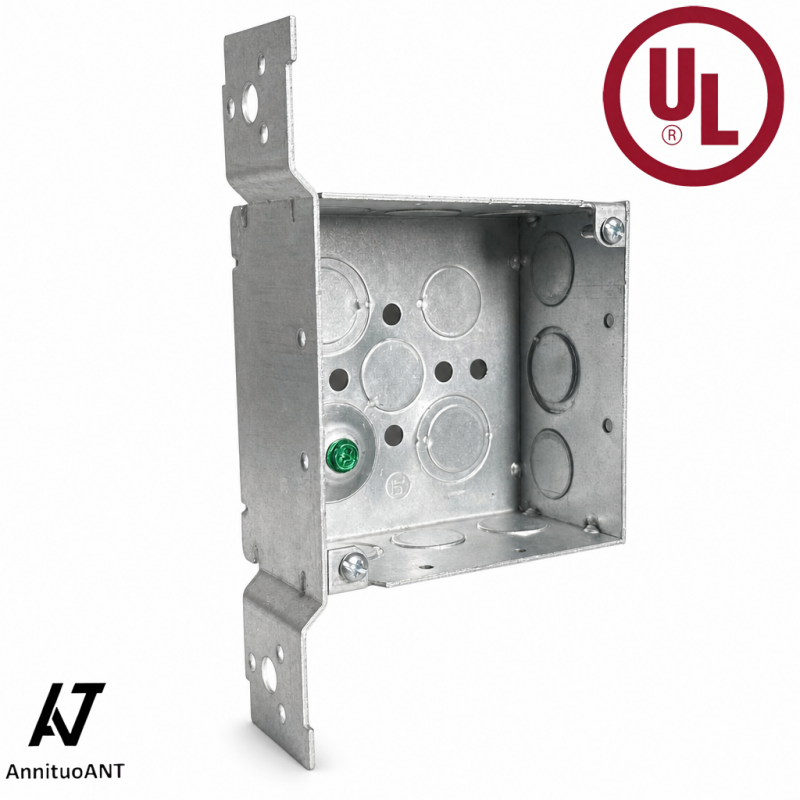
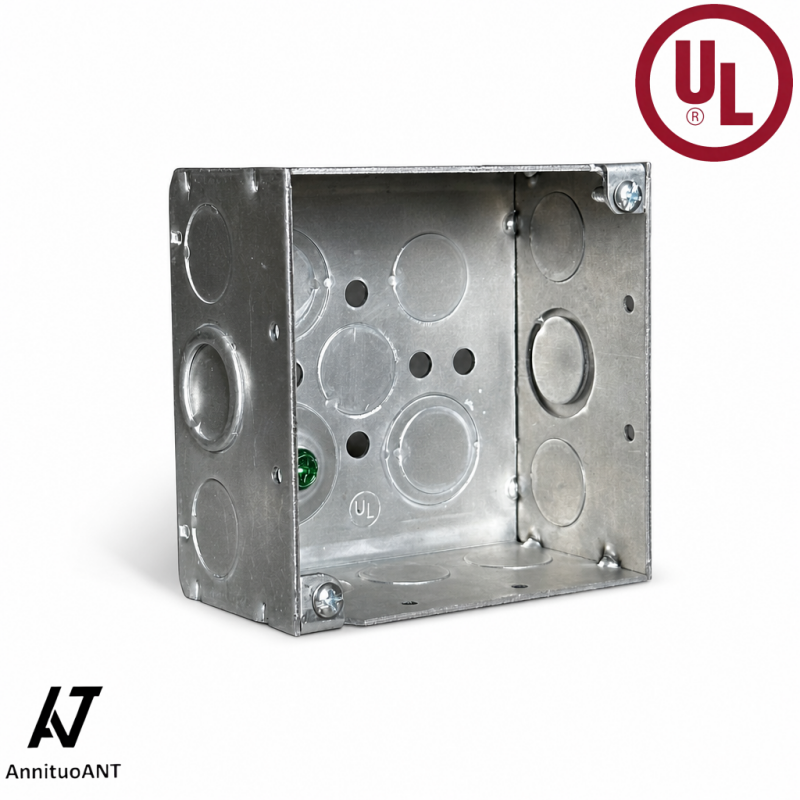
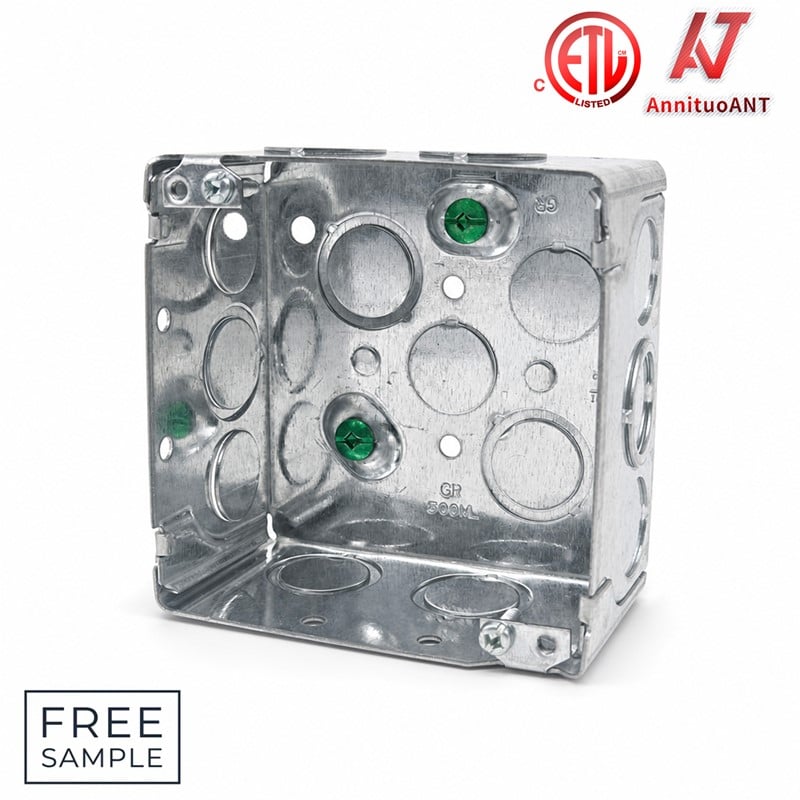
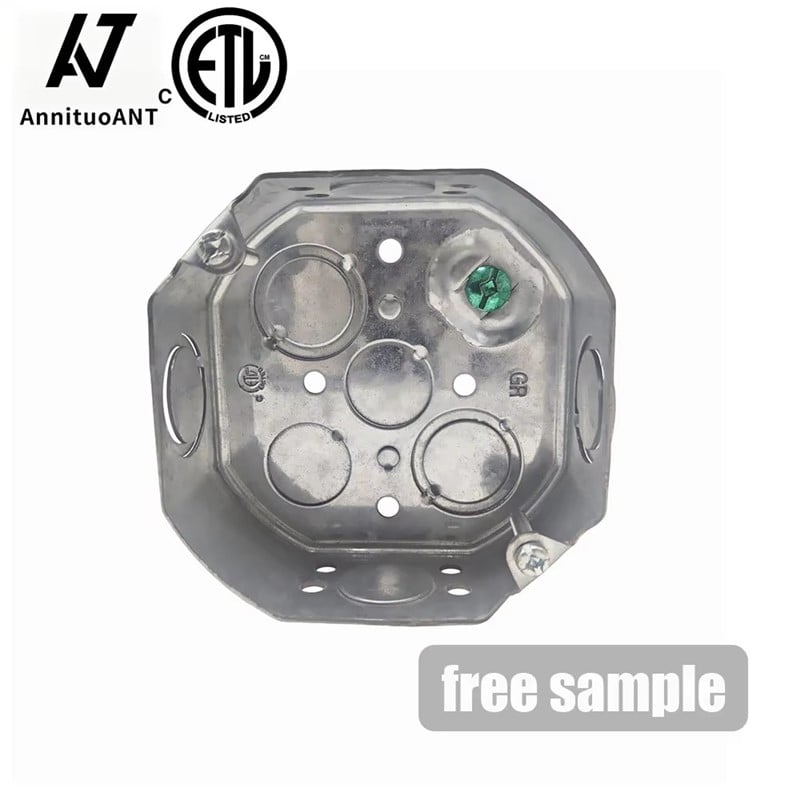
Selecting the appropriate Anita outside electrical junction box involves several critical factors. First, consider the material of the junction box. Common materials include metallic options like steel and aluminum, which provide durability and grounding, and non-metallic options such as PVC and fiberglass, which are resistant to corrosion and moisture. The choice of material will depend on the specific application and environmental conditions, such as exposure to chemicals or extreme temperatures.
Next, evaluate the box's dimensions and internal capacity. Ensure that the junction box can accommodate all necessary wiring and connections while providing adequate space for future expansions. It's also essential to check for proper sealing and ingress protection (IP) ratings, which indicate the box's ability to prevent water and dust ingress. For outdoor applications, a higher IP rating is advisable to ensure long-term reliability.
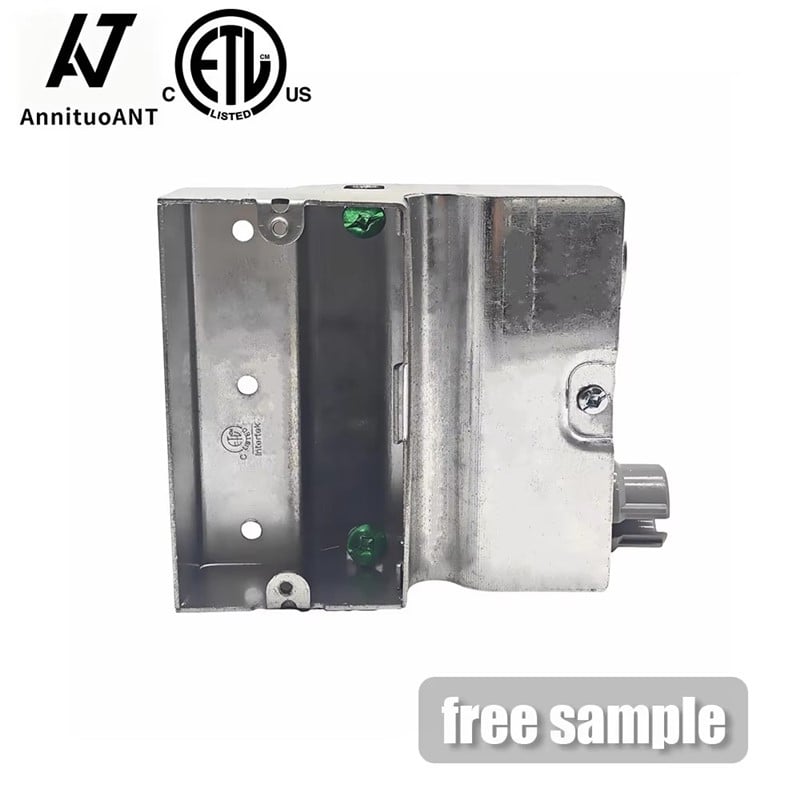
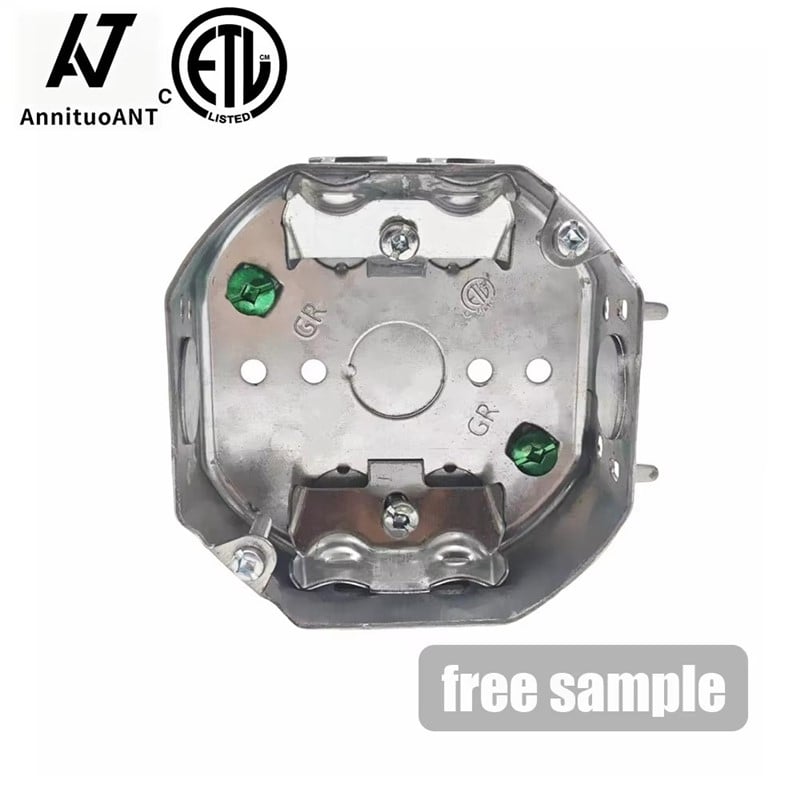
Lastly, consider the certification standards relevant to your industry or region. Many products offered by manufacturers like Jiaxing ANT Electrical Co., Ltd. are certified by UL/cUL and ETL/cETL, ensuring compliance with safety standards. Verify these certifications to guarantee that the junction box meets quality and regulatory requirements.
When purchasing outside electrical junction boxes in bulk, price comparison can be complex, as various factors influence the final cost. Begin by obtaining quotes from multiple suppliers, ensuring that you provide consistent specifications across all requests. This will allow for an apples-to-apples comparison.
Next, examine the pricing structure. Some manufacturers may offer discounts based on volume, while others may have fixed pricing regardless of order size. Be aware of minimum order quantities (MOQs), as this can affect your overall cost if you need to order more than you initially planned.
Additionally, factor in shipping costs and lead times, as these can significantly impact the total expenditure. A lower unit price may not always equate to cost savings if shipping fees are high or if there are delays in delivery. Look for suppliers who provide transparent pricing and clear communication regarding these factors, as this can help mitigate unexpected expenses.
When evaluating Anita outside electrical junction boxes, several key features should be prioritized. First, assess the design and construction quality. Look for robust, well-manufactured outdoor weatherproof box that can withstand environmental stresses. Features such as reinforced corners and impact-resistant materials can enhance durability.
Next, consider the ease of installation. Junction boxes with pre-drilled mounting holes and removable covers can simplify the installation process, saving time and labor costs. Additionally, check for compatibility with existing wiring and fittings to avoid complications during installation.
Another critical aspect is the availability of customization options. Depending on your project requirements, you may need specific dimensions, colors, or additional features such as integrated grounding. Manufacturers like Jiaxing ANT Electrical Co., Ltd. often offer OEM/ODM services to meet unique buyer needs, which can be a significant advantage in ensuring the junction box aligns with your project specifications.
To maximize the performance and longevity of outside electrical junction boxes, adhere to several best practices. First, ensure that all electrical connections are secure and properly insulated to prevent short circuits or electrical shocks. Regular inspections should be conducted to check for signs of wear, corrosion, or water ingress.
Second, consider environmental factors when selecting the installation location. Avoid placing junction boxes in areas prone to flooding or extreme temperatures, as this can compromise their integrity. If the box will be exposed to harsh conditions, ensure it has a suitable IP rating and is made from materials designed to withstand those conditions.
Lastly, always follow the manufacturer's installation guidelines and local electrical codes. Proper installation is essential for ensuring safety and compliance, and it can prevent costly repairs or replacements in the long run.
Despite their robust design, Anita outside electrical junction boxes can encounter several common issues. One frequent problem is moisture ingress, which can lead to corrosion and electrical failures. To mitigate this, ensure that the box is rated for outdoor use and properly sealed. Use silicone sealants around entry points for cables and conduits to enhance protection against moisture.
Another challenge is improper installation, which can lead to loose connections or misalignment. Always follow best installation practices and consider hiring a qualified electrician for critical projects. This ensures that all connections are secure and compliant with electrical codes.
Lastly, buyers should be aware of potential issues related to thermal expansion. In hot weather, materials may expand, which can affect the box's integrity and sealing. Select waterproof outdoor electrical box made from materials that can handle temperature fluctuations, and ensure proper spacing for thermal expansion during installation.
By understanding these common problems and their solutions, buyers can make informed decisions that enhance the reliability and safety of their electrical installations.