 EN
Quick Links
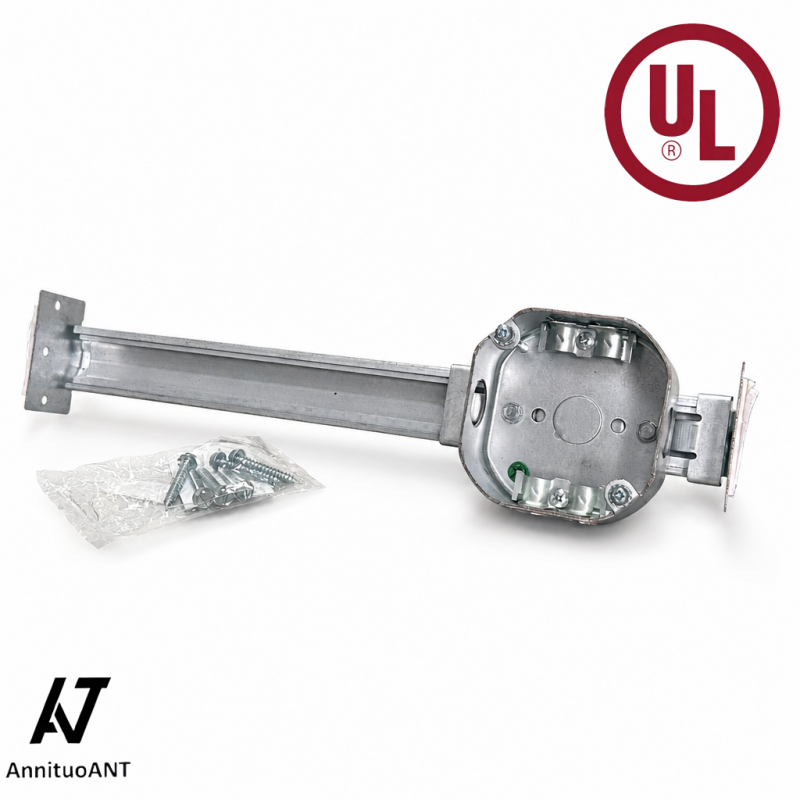
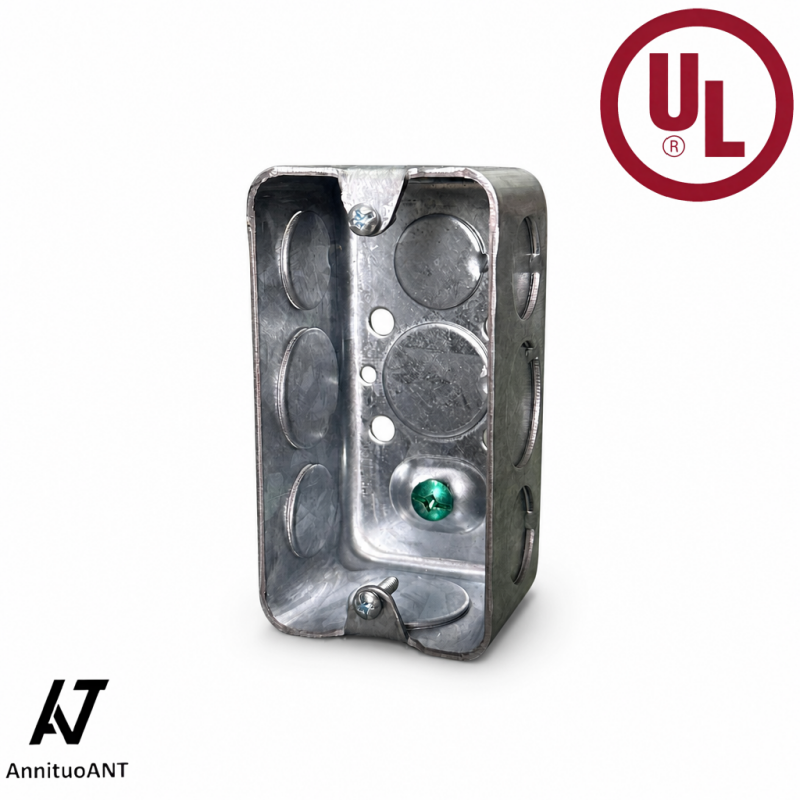
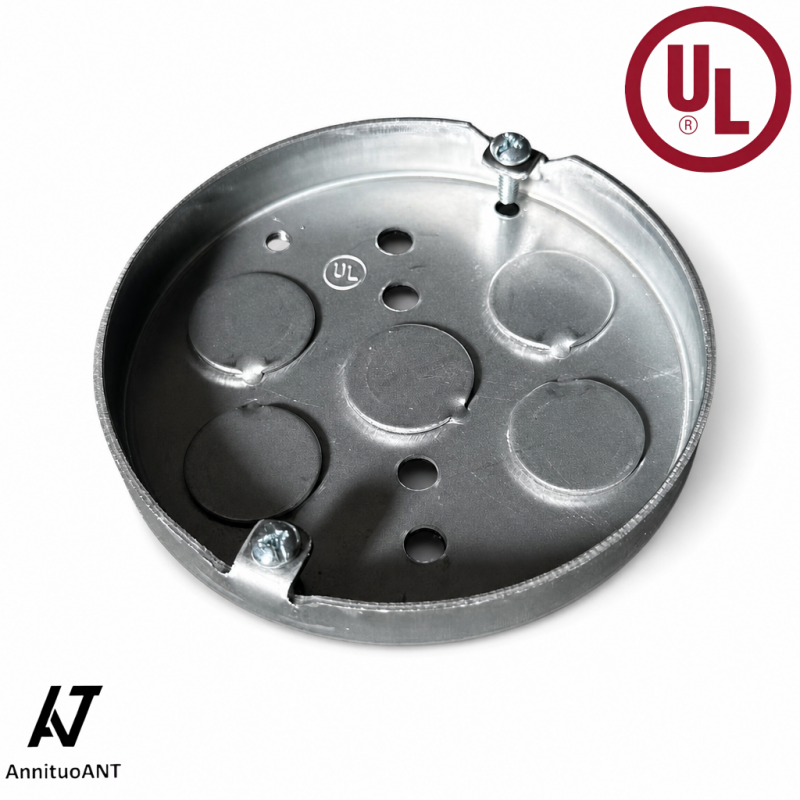
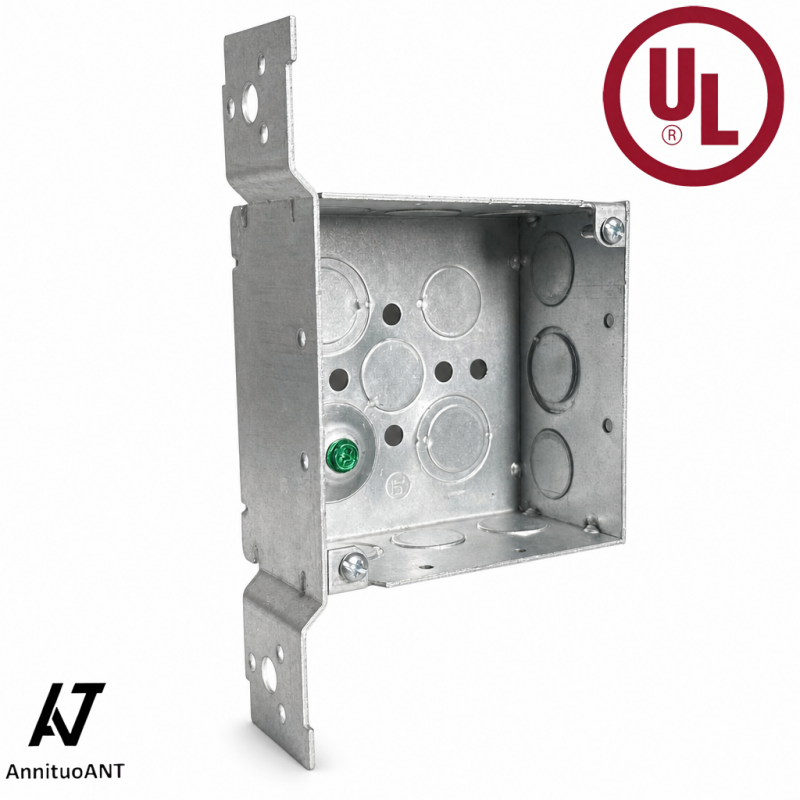
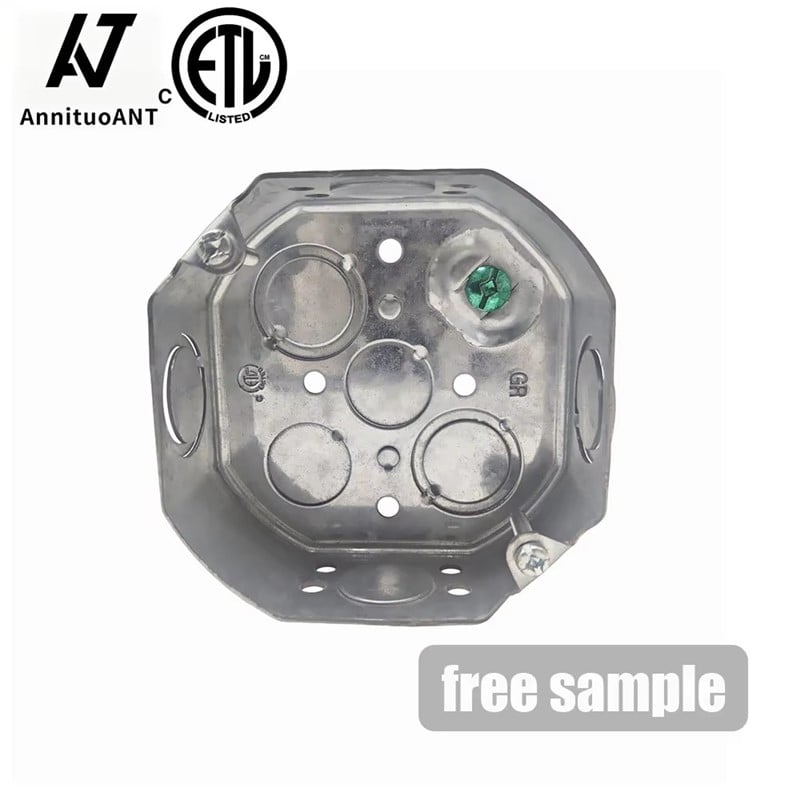
Junction boxes are essential components in electrical installations, serving as protective enclosures for electrical connections. They help ensure safety, organization, and accessibility in both commercial and residential applications. As a purchasing manager or engineer, your primary concerns may include specifications, material quality, installation requirements, and compliance with safety standards. This article will guide you through key considerations when selecting exterior junction box, sourcing reliable suppliers, addressing common installation issues, understanding material advantages, and exploring various application scenarios.
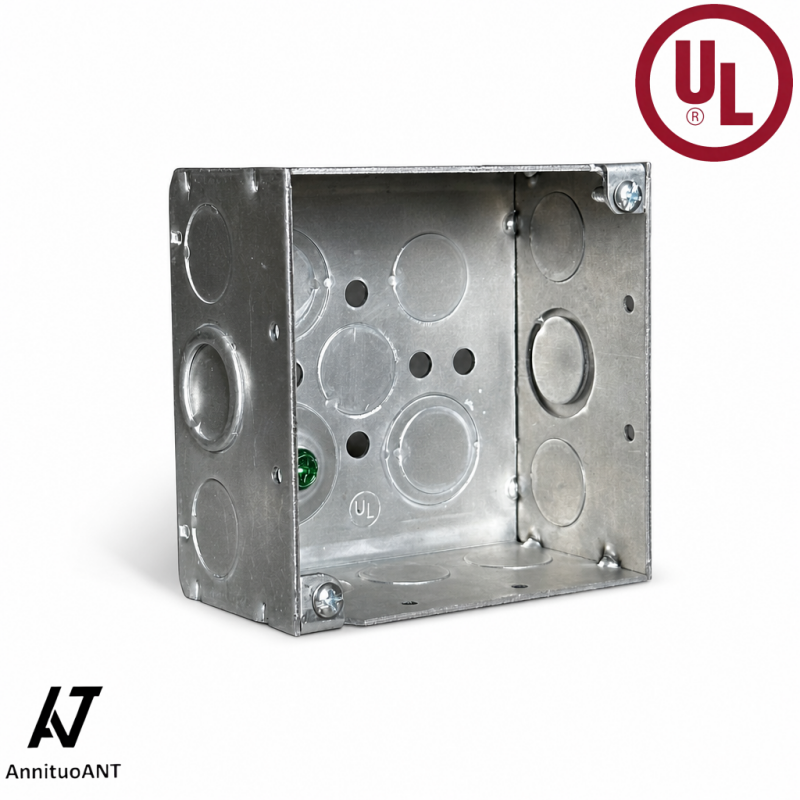
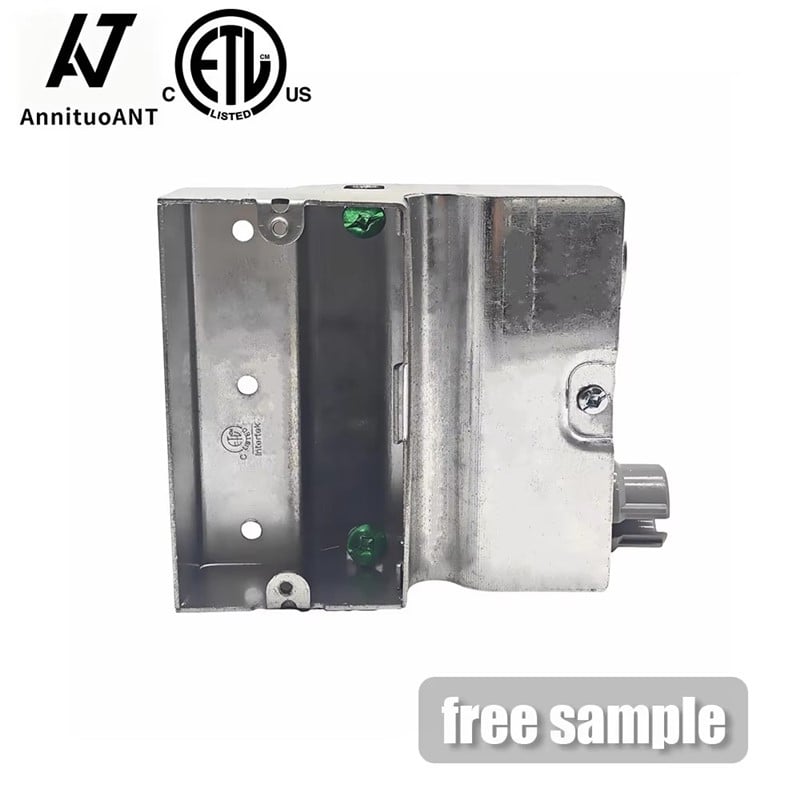
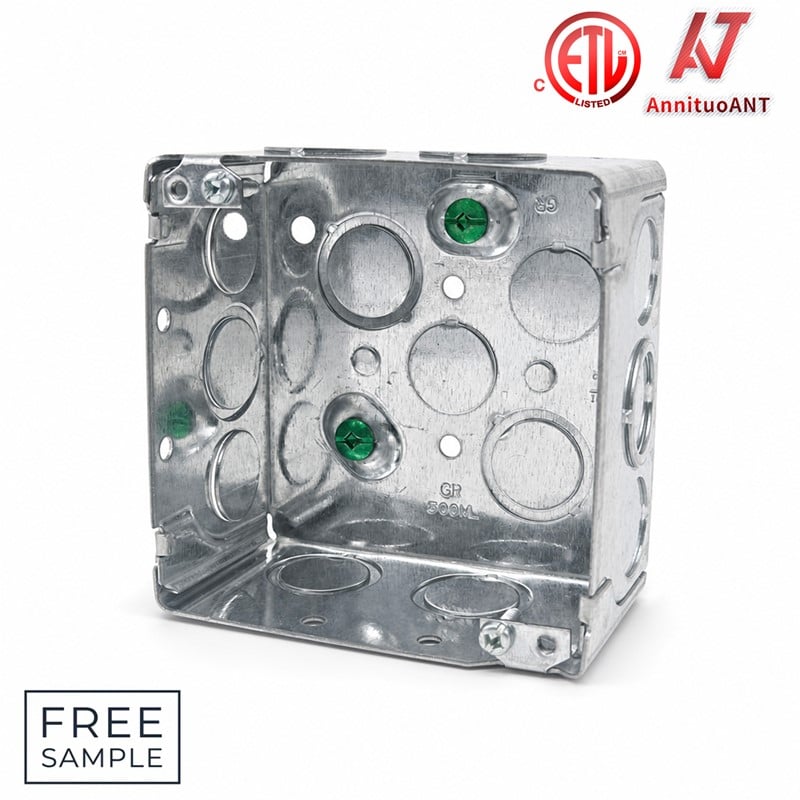
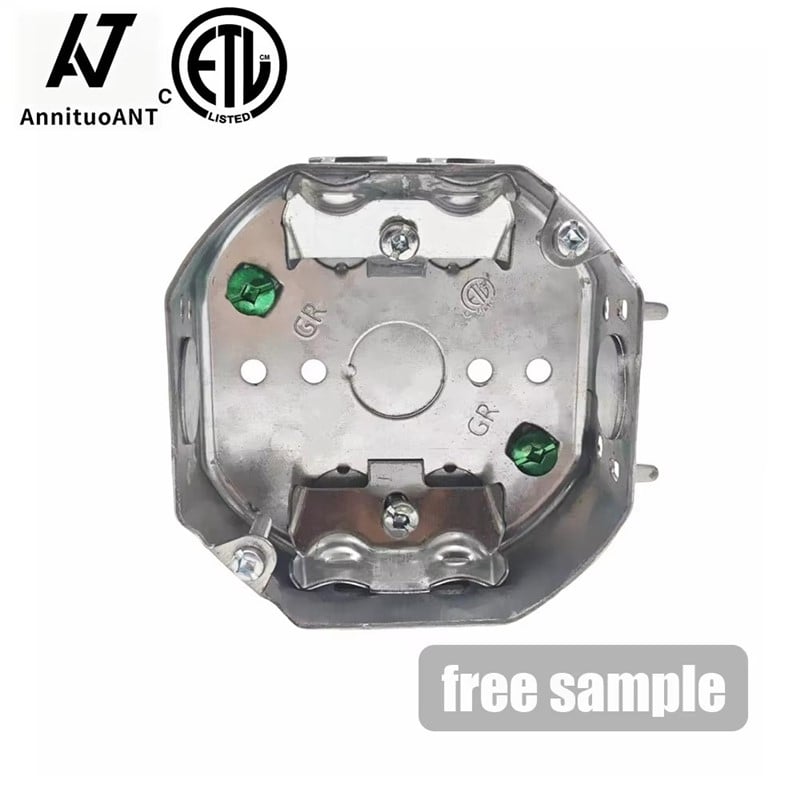
When selecting Anita junction box, several factors need to be considered to ensure optimal performance and compliance with safety regulations. First, the type of material used in the junction box—whether metallic or non-metallic—affects durability and suitability for various environments. Metallic boxes are typically more robust and suitable for industrial applications, while non-metallic options may offer better resistance to corrosion and are often lighter and easier to install.
Next, consider the size and capacity of the junction box. It should accommodate the number of connections and wiring without overcrowding, which helps prevent overheating and ensures ease of maintenance. Additionally, look for junction boxes that meet UL/cUL and ETL/cETL certifications, as these indicate compliance with recognized safety standards.
Finally, assess the intended application of the junction box. For outdoor applications, ensure the plastic junction box is weatherproof and rated for exposure to moisture and UV radiation. Conversely, for indoor use, the focus may be more on aesthetic considerations and compatibility with the existing electrical infrastructure.
Identifying a trustworthy supplier for junction boxes is crucial for ensuring product quality and timely delivery. Start by looking for manufacturers with a solid reputation in the electrical equipment sector, like Jiaxing ANT Electrical Co., Ltd., which boasts over 14 years of experience and extensive product offerings.
Trade shows and industry expos are excellent venues to meet suppliers and evaluate their products firsthand. Additionally, online platforms can provide insights into supplier reviews and case studies. When assessing potential suppliers, inquire about their production capabilities, quality control processes, and certifications. A reliable supplier should also offer OEM/ODM solutions to cater to specific project requirements.
Networking with industry peers can also yield recommendations for reputable suppliers, making it easier to find a partner who aligns with your project's unique needs.
Installation of Anita junction boxes can present challenges that, if not addressed, may lead to operational issues or safety hazards. A frequent problem is improper sizing; a box that is too small can lead to overcrowded wiring, increasing the risk of overheating. To avoid this, carefully calculate the electrical load and ensure that the junction box has enough capacity for the intended use.
Another common issue involves sealing and protection against environmental factors. For outdoor installations, ensure that the junction box is rated for weather resistance and that all openings are properly sealed. Use silicone sealant or gaskets to prevent moisture ingress, which can cause corrosion and electrical failures.
Lastly, improper mounting can lead to accessibility issues and physical damage. Ensure the junction box is securely mounted and easily accessible for maintenance and inspection. Consider using mounting brackets or straps to provide additional stability, especially in areas with high vibration or movement.
The choice of material for junction boxes significantly influences their performance and suitability for various applications. Metallic junction boxes, typically made from steel or aluminum, offer high durability and excellent grounding properties. They are ideal for environments with high electromagnetic interference (EMI) or where additional strength is required, such as industrial settings.
On the other hand, non-metallic junction boxes, often made from PVC or fiberglass, are lightweight and resistant to corrosion, making them suitable for outdoor applications or environments with harsh chemical exposure. These materials are also non-conductive, providing an added layer of safety in electrical installations.
When selecting a material, consider the specific environmental conditions the junction box will face, including temperature ranges, exposure to chemicals, and indoor versus outdoor use. The right material can enhance the longevity and reliability of the junction box in its application.
Junction boxes find extensive use in various commercial applications, each with specific requirements. In office buildings, junction boxes are often employed to consolidate and protect electrical connections for lighting systems and data cables. Properly sized and installed junction boxes help maintain organized wiring, enhancing both safety and aesthetics.
In retail environments, junction boxes are critical for powering display lighting and security systems. The ability to customize junction boxes to fit specific layouts allows for greater flexibility in design and implementation.
Additionally, in industrial settings, junction boxes play a vital role in connecting machinery and power supply systems. Here, the robustness of the Anita junction box material is paramount, as it must withstand harsh operating conditions while ensuring reliable electrical connections.
Understanding the specific needs of each application is essential for selecting the right electrical junction box, ensuring both functionality and compliance with industry standards.
Through careful consideration of these factors, you can make informed decisions that enhance the safety, efficiency, and longevity of your electrical installations.