EN
Quick Links
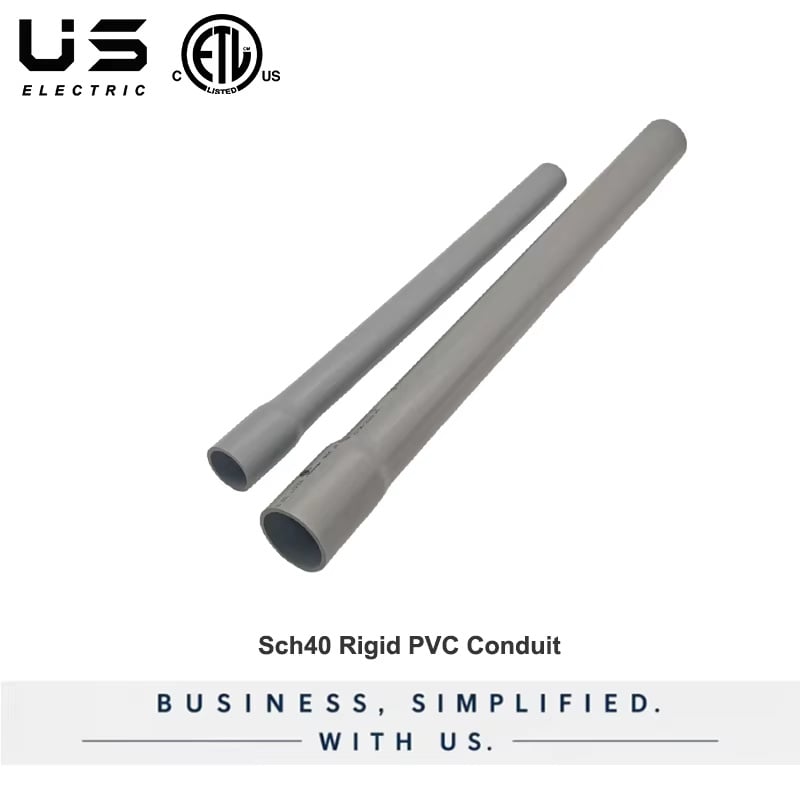
Rigid PVC conduit is a crucial component in electrical installations, providing a robust and protective pathway for wiring. As a B2B buyer, your primary concerns often revolve around ensuring compatibility, durability, and compliance with industry standards. This article will delve into the essential aspects of rigid PVC conduit, helping you make informed decisions for your projects, whether in commercial or residential construction.
When selecting rigid PVC conduit, it’s essential to consider several factors tailored to your project requirements. Key specifications include the conduit size, thickness, and application environment.
Size and Diameter: The size must accommodate the number of wires and the type of installation. Common diameters range from ½ inch to 6 inches, and it's critical to follow the National Electrical Code (NEC) or local regulations for spacing and fill capacity.
Thickness: This affects the conduit’s mechanical strength and resistance to impact. Thicker walls (e.g., Schedule 40 or Schedule 80) offer better durability, especially in high-traffic or industrial areas.
Environmental Considerations: Assess the installation location’s exposure to chemicals, moisture, and temperature variations. Rigid PVC is generally resistant to corrosion but may not be suitable for high-temperature applications. For environments requiring robust solutions, consider using 1 Gang Adjustable Mud Rings for added protection.
By aligning these specifications with your project’s operational needs, you can ensure the selected rigid PVC conduit performs optimally throughout its lifecycle.

Navigating the purchasing process for rigid PVC conduit involves understanding the specific requirements. Here’s a comprehensive guide to streamline your procurement:
Request for Quotation (RFQ): When preparing an RFQ, include details such as the specific type of conduit, dimensions, required lengths, and quantity. If customization is necessary, indicate any specific design or branding requirements.
Sample Approval: Always request samples before committing to a large order. Inspect samples for dimensional accuracy, surface finish, and overall quality to ensure they meet your standards.
Manufacturer Credentials: Verify that the supplier, like Jiaxing ANT Electrical Co., Ltd., holds relevant certifications such as UL/cUL and ETL/cETL. These certifications indicate compliance with safety and performance standards.
Pricing Factors: Understand how factors like material costs, order volume, and lead times influence pricing. Larger orders may yield better unit pricing, but assess total costs, including shipping and handling.
Lead Times: Confirm production and shipping timelines. Reliable manufacturers should provide clear timelines and communicate any potential delays.
By adhering to these guidelines, you can mitigate risks associated with procurement and ensure a smooth purchasing experience.
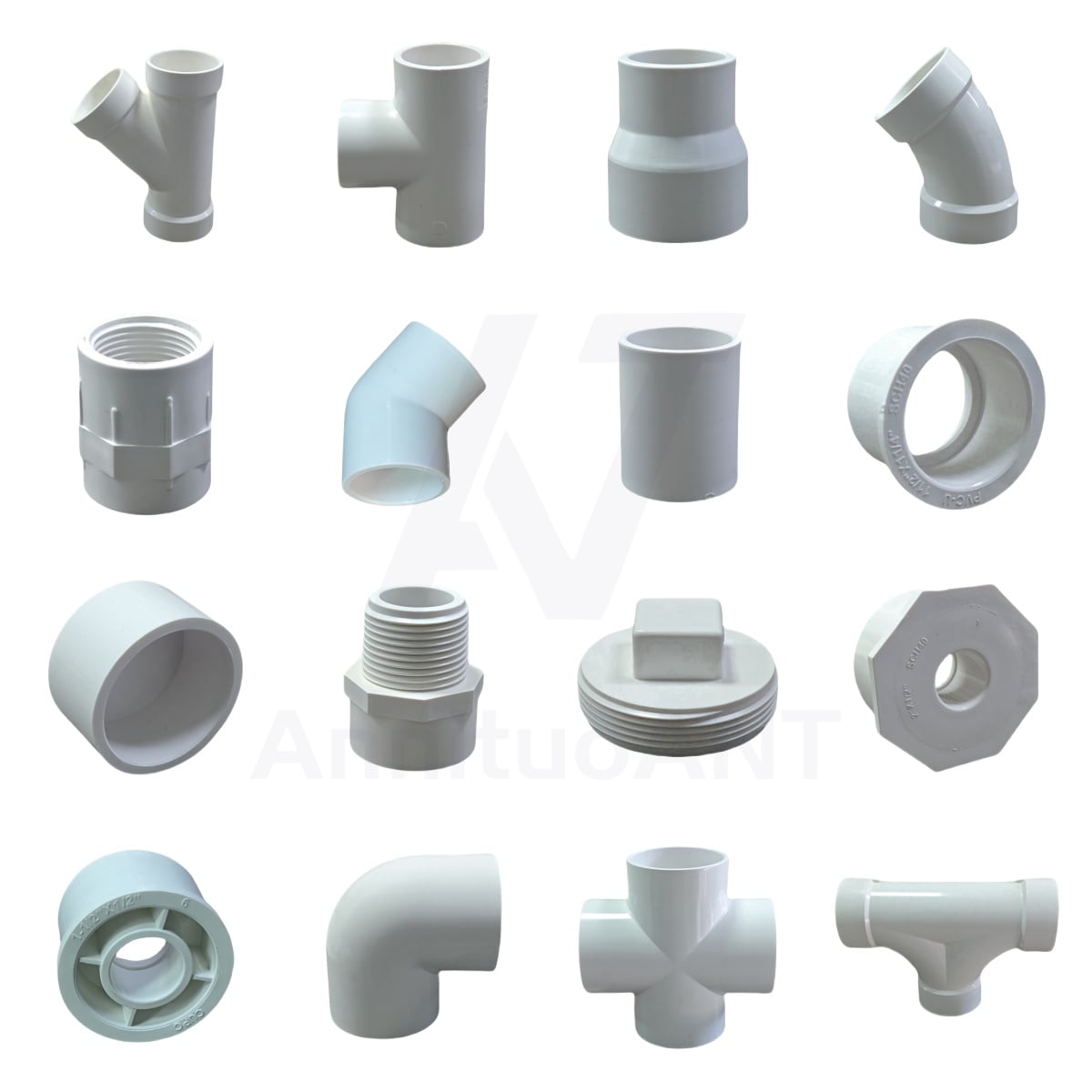
Implementing best practices in the selection and installation of rigid PVC conduit can enhance performance and longevity. Here are key recommendations:
Proper Installation Techniques: Ensure that conduits are cut accurately and that fittings are securely attached to prevent moisture ingress and ensure structural integrity. Use appropriate adhesives or fasteners recommended by the manufacturer.
Regular Inspection: Conduct periodic inspections of installed conduits. Look for signs of wear, such as cracks or discoloration, which may indicate environmental stress or improper installation.
Conformity with Standards: Always adhere to local electrical codes and standards during installation. This not only ensures safety but also promotes compliance with insurance and warranty requirements.
By following these best practices, you can enhance the reliability of your electrical systems while minimizing potential issues during operation.
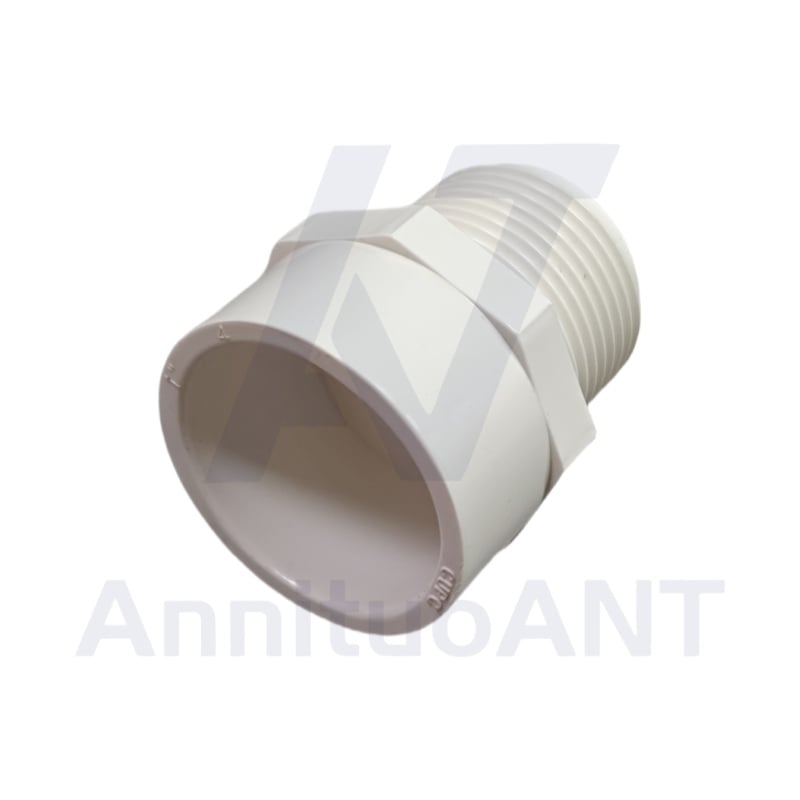
Rigid PVC conduit finds extensive use in various commercial construction applications due to its versatility and protective qualities. Common applications include:
Electrical Wiring Protection: In commercial buildings, rigid PVC conduits safeguard electrical wiring against physical damage, moisture, and chemical exposure. This is especially critical in environments such as warehouses, manufacturing facilities, and outdoor installations. For specific project needs, consider using a Metal Junction Box for enhanced protection.
Communication Systems: These conduits are also suitable for housing low-voltage wiring for communication systems, ensuring that the integrity of data transmission is maintained.
Lighting Installations: Many commercial lighting systems utilize rigid PVC conduits to securely route power supply lines, offering a clean and organized installation that enhances aesthetics and safety.
By recognizing these applications, buyers can better understand how rigid PVC conduit fits into their projects and the benefits it brings.
Rigid PVC conduit offers several material advantages that make it a preferred choice in electrical installations:
Corrosion Resistance: Unlike metal conduits, rigid PVC does not corrode, making it ideal for environments with moisture or chemicals. This property ensures durability and reduces maintenance costs over time.
Lightweight and Easy to Handle: The lightweight nature of rigid PVC makes it easier to transport and install, reducing labor costs and time associated with installation.
Electrical Insulation: Rigid PVC is a non-conductive material, providing inherent electrical insulation. This characteristic is vital for safety, preventing accidental short circuits or electrical hazards.
Cost-Effectiveness: Generally, rigid PVC conduits are more affordable compared to metallic options. When considering total cost of ownership, including maintenance, rigidity, and installation, PVC conduits often present a more economical solution.
By understanding these material advantages, buyers can make informed decisions that align with their budget and project specifications while ensuring safety and performance.