EN
Quick Links
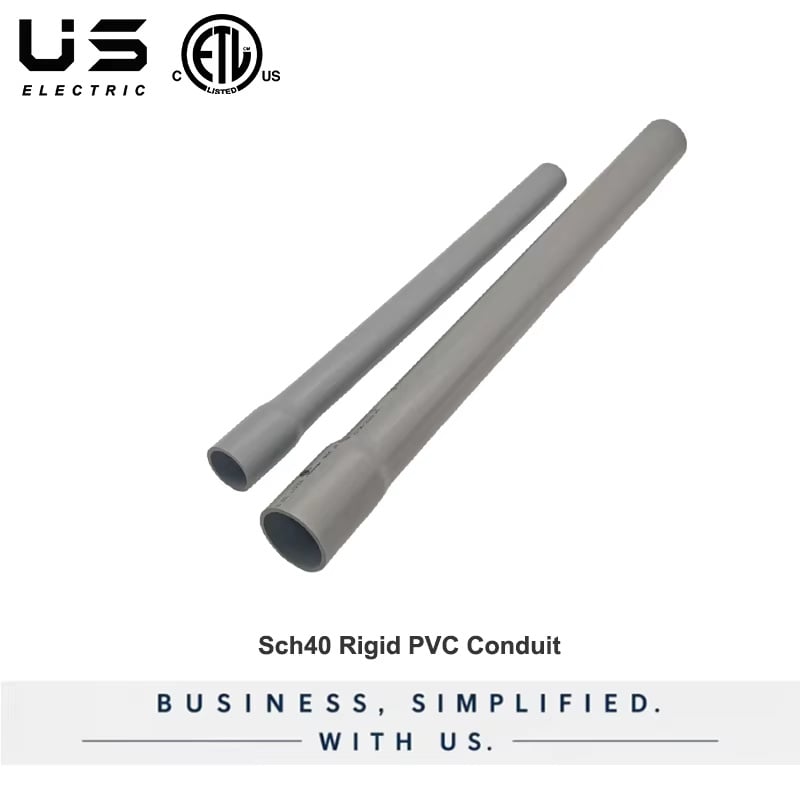
Rigid PVC conduit is a widely used electrical conduit material that provides protection and support for electrical wiring in various applications, including residential and commercial construction. As a B2B buyer, understanding the specifics of rigid PVC conduit—such as its material benefits, key specifications, and sourcing options—can significantly impact your purchasing decisions. This article aims to equip you with essential knowledge to help you select the right rigid PVC conduit for your projects, ensuring compliance with safety standards while optimizing cost and efficiency.
When selecting rigid PVC conduit for your electrical projects, it's crucial to consider several factors to ensure compatibility and performance. Start by evaluating the application environment, as this will dictate the required specifications. For example, if your project involves outdoor installations, you'll need a conduit that can withstand UV exposure and temperature fluctuations.
Next, review the conduit size and diameter based on the wiring requirements. Proper sizing is essential for preventing overheating and ensuring ease of installation. Common sizes for rigid PVC conduit include 1/2 inch to 4 inches, with variations for specific applications. Additionally, check for the conduit’s certification, such as UL/cUL or ETL/cETL, which ensures compliance with industry safety standards.
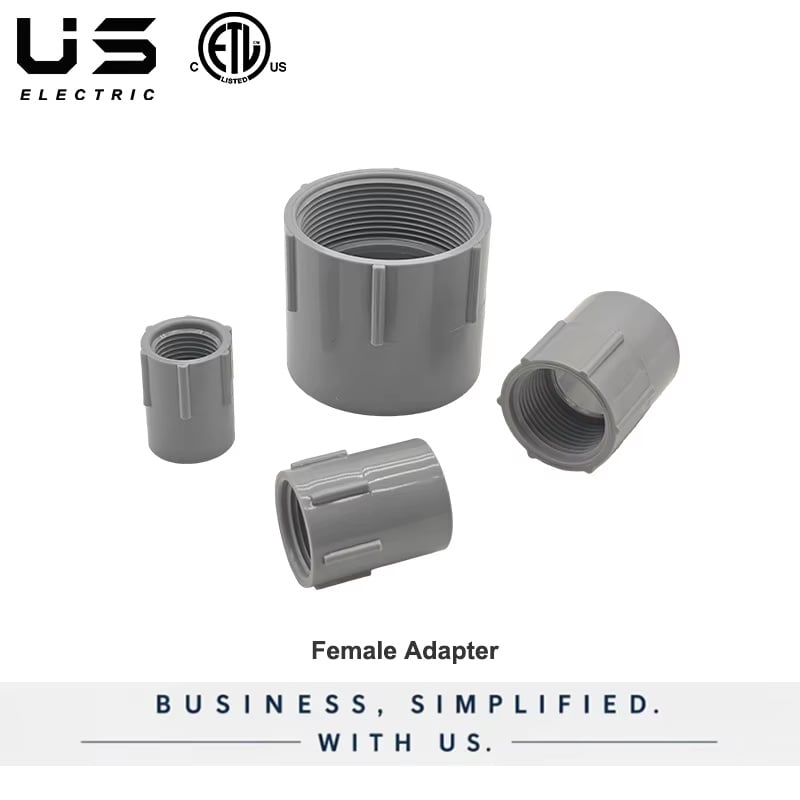
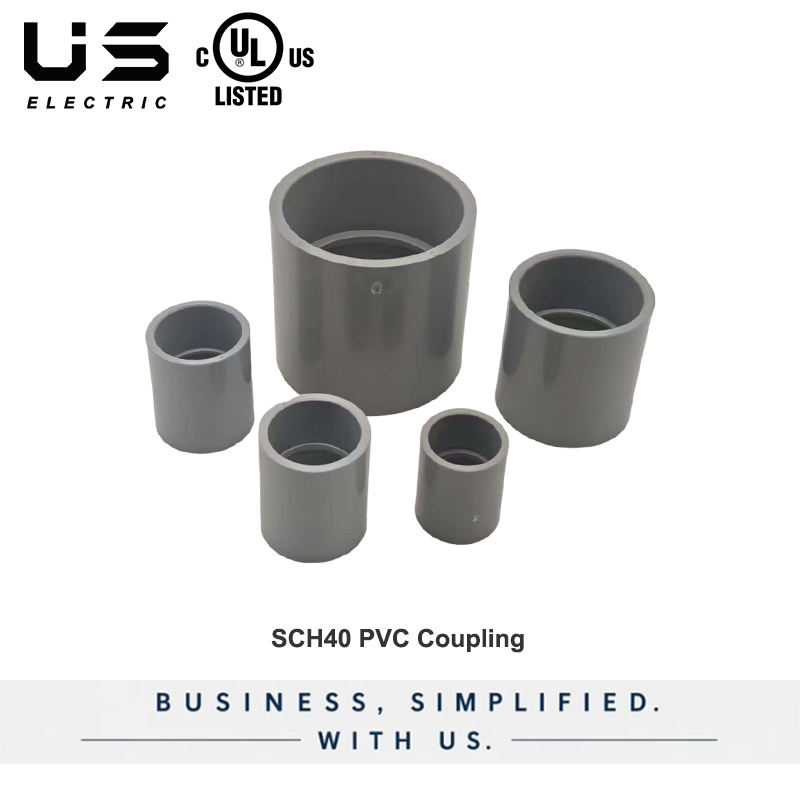
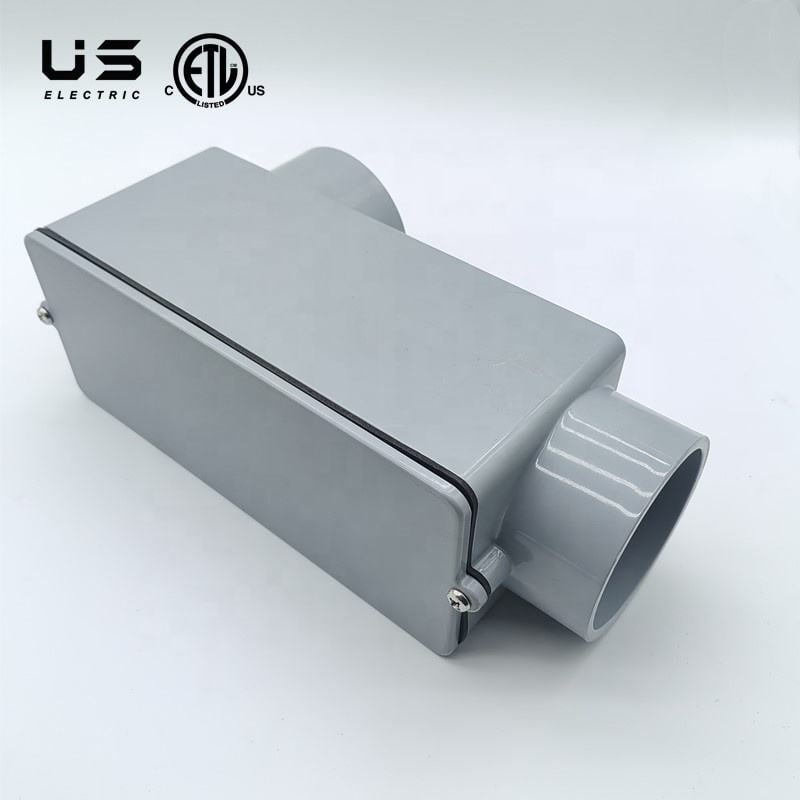
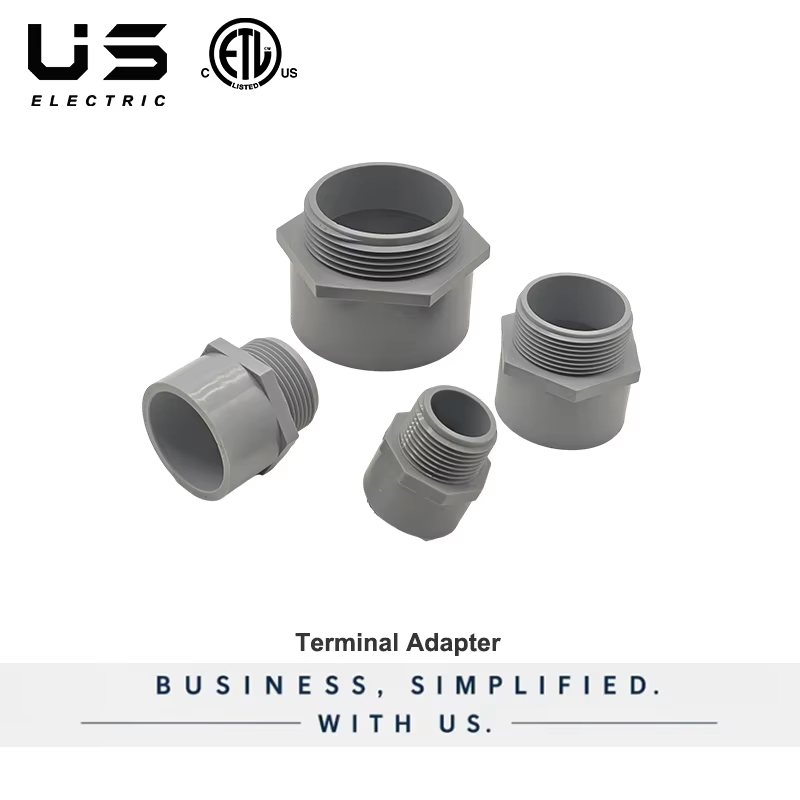
Lastly, consider the installation method. Rigid PVC conduit is typically installed using solvent cement to create a secure, waterproof seal. Make sure to choose the right fittings and accessories, such as connectors and junction boxes, that are compatible with your selected conduit size and type.
For wholesale buyers, understanding the key specifications of rigid PVC conduit is essential for making informed purchasing decisions. Here are some critical specifications to consider:
Material Composition: Rigid PVC conduit is made from polyvinyl chloride, a durable plastic that offers excellent resistance to moisture, chemicals, and corrosion. This makes it suitable for a wide range of applications, including industrial and commercial settings.
Wall Thickness: The wall thickness of the conduit affects its strength and durability. Common thicknesses range from schedule 40 to schedule 80, with schedule 80 providing higher impact resistance. Buyers should assess their application needs to determine the appropriate wall thickness.
Length: Rigid PVC conduits typically come in lengths of 10 or 20 feet. Buyers should consider their project requirements to minimize waste and optimize transportation costs.
Temperature Rating: Rigid PVC conduit is generally rated for use in temperatures ranging from -40°F to 140°F. Ensure that the selected conduit can operate effectively within the temperature range of your application.
Color: While most rigid PVC conduits are white or gray, certain applications may require specific colors for identification or aesthetic purposes. Confirm color availability with your supplier.
Finding reliable suppliers for rigid PVC conduit is critical to ensuring product quality and compliance with safety standards. Start by researching manufacturers with a solid reputation in the industry, such as Jiaxing ANT Electrical Co., Ltd., which has over 14 years of experience in producing electrical equipment and supplies.
Look for suppliers that offer a comprehensive portfolio of products, including various sizes and types of rigid PVC conduit, as well as additional fittings and accessories. This one-stop shopping approach can streamline your procurement process and reduce lead times.
Additionally, check for certifications such as UL/cUL and ETL/cETL, which indicate that the products meet safety and performance standards. Engaging with suppliers who provide OEM/ODM solutions can also be beneficial if you require custom products tailored to specific project needs.
Finally, consider the supplier's export capabilities, particularly if you are sourcing from international markets. Suppliers with a strong export track record can often provide better logistics support and compliance with shipping regulations.
When purchasing rigid PVC conduit, various cost factors can influence your total expenditure. Here are some key considerations:
Material Costs: The price of rigid PVC conduit can fluctuate based on raw material costs. Monitoring market trends can help you identify favorable purchasing windows.
Order Quantity: Many suppliers offer tiered pricing based on order quantity. Larger orders may qualify for discounts, so assess your project needs to take advantage of bulk purchasing.
Shipping Fees: Depending on your location and the supplier's proximity, shipping costs can impact your overall budget. It’s advisable to compare shipping options and choose a supplier that offers competitive rates.
Customizations: If your project requires specific customizations, such as unique sizes or colors, be prepared for potential additional costs. Discuss customization capabilities with your supplier upfront to understand pricing implications.
Lead Time: Longer lead times may also affect costs, especially if your project timeline is tight. Consider suppliers who can meet your deadlines without compromising quality.
Rigid PVC conduit offers several material advantages that make it a preferred choice for many electrical installations. These benefits include:
Durability: The robust nature of rigid PVC provides excellent resistance to impacts, making it suitable for high-traffic areas or environments where physical damage is a concern.
Corrosion Resistance: Unlike metal conduits, rigid PVC does not corrode, making it ideal for use in environments with moisture or chemical exposure.
Electrical Insulation: Rigid PVC is a non-conductive material, which enhances electrical safety by minimizing the risk of short circuits and electrical shocks.
Lightweight: Compared to metal options, rigid PVC is significantly lighter, simplifying transportation and installation processes.
Cost-Effectiveness: The overall lifecycle cost of using rigid PVC conduit, including installation and maintenance, is often lower than that of metal conduits, providing a budget-friendly option for various projects. You might also want to consider options like adjustable mud rings for specific applications.
In summary, understanding the benefits and specifications of rigid PVC conduit is essential for making informed purchasing decisions. By considering factors such as application requirements, sourcing reliable suppliers, and being aware of cost factors, you can ensure that your electrical projects are executed efficiently and safely.