EN
Quick Links
Understanding the nuances of selecting the right electrical conduit LB (liquid-tight flexible conduit) can significantly impact the efficiency and safety of electrical installations in various environments. As a B2B buyer, you may be concerned about factors such as material compatibility, application suitability, and cost-effectiveness. This article will guide you through the selection process, features, installation guidelines, and potential issues associated with electrical conduit LB, ensuring you make informed purchasing decisions.
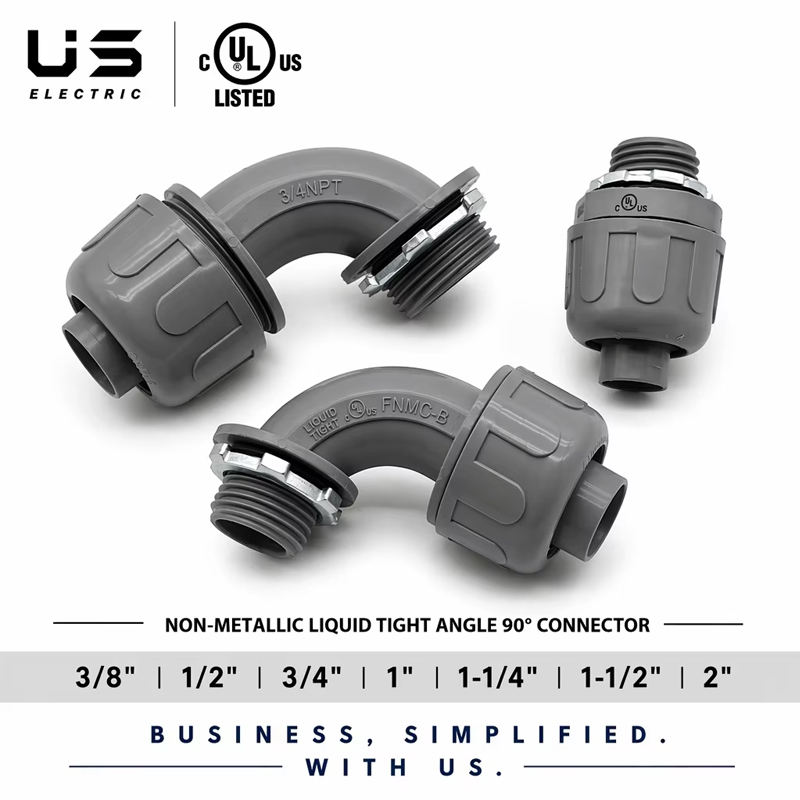
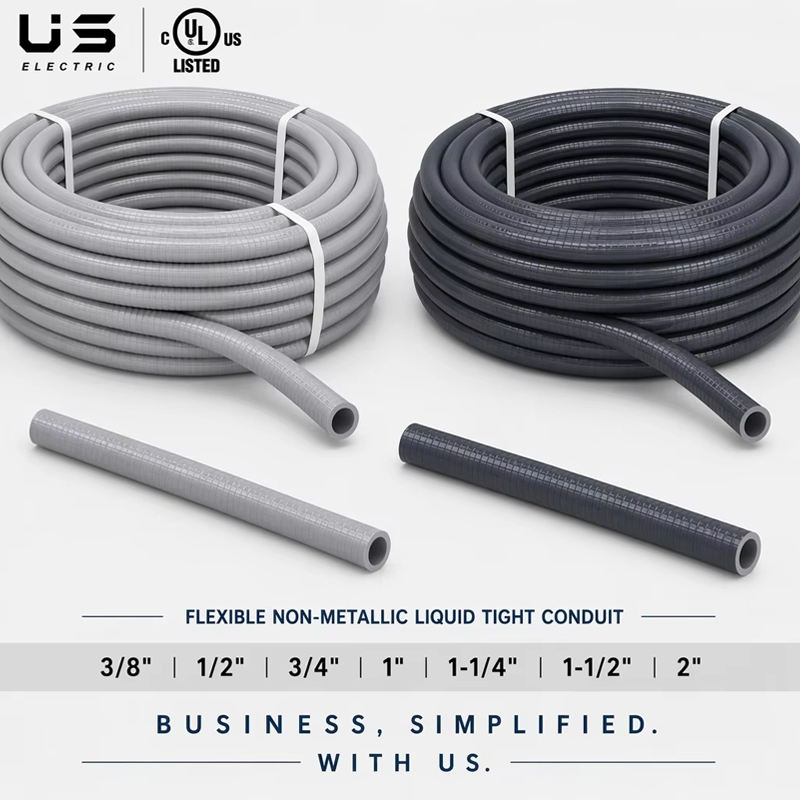
Selecting the appropriate electrical conduit LB begins with understanding your specific application. Consider factors such as the environment, load requirements, and installation conditions. For instance, if your project involves exposure to moisture or chemicals, opt for conduits made from materials like PVC or flexible metallic options that offer enhanced protection. You may also want to look into non-metallic liquid tight conduit for added durability.
Additionally, assess the conduit size and flexibility needed for your installation. The diameter should accommodate the maximum number of conductors while still allowing for heat dissipation. Flexibility is crucial for installations in tight spaces or where frequent adjustments are necessary. Always verify that the conduit’s specifications align with local electrical codes and standards, which can vary significantly based on your region.
Electrical conduit LB offers several features that enhance its usability and safety:
Material Variety: Available in both metallic and non-metallic versions, electrical conduit LB provides options suitable for diverse applications. Metallic conduits, such as aluminum or steel, offer superior durability and grounding capabilities, while non-metallic conduits are lightweight and resistant to corrosion.
Liquid Tightness: Many electrical conduit LB designs feature liquid-tight seals that prevent water ingress, making them ideal for outdoor installations or areas prone to moisture, such as basements or industrial sites.
Flexibility: The flexibility of LB conduits allows for easy installation in complex environments and helps reduce the risk of cable damage during movement or vibration.
Compliance with Standards: Most electrical conduits LB produced by reputable manufacturers are certified by UL/cUL and ETL/cETL standards, ensuring they meet rigorous safety and performance benchmarks.
Understanding these features can help you choose a conduit that not only meets your technical requirements but also enhances the longevity of your electrical installations.
When considering the cost of electrical conduit LB, several factors come into play:
Material Costs: The choice between metallic and non-metallic materials significantly affects pricing. Metallic conduits often cost more due to raw material expenses and manufacturing processes.
Diameter and Length: Larger diameters and longer lengths will naturally increase costs. Always calculate your material needs accurately to avoid over-ordering, which can inflate your budget unnecessarily. It's also wise to consider options like 1 Gang Gangable Switch Box for specific project requirements.
Certification and Compliance: Products certified by recognized bodies may carry a premium price due to the additional quality assurance and testing involved. However, investing in certified products can prevent costly compliance issues down the line.
Customization: If your project requires specific customization—such as unique lengths, colors, or additional fittings—factor in these costs as well. Manufacturers like Jiaxing ANT Electrical Co., Ltd. offer OEM/ODM solutions that can tailor products to your specifications.
By understanding these cost factors, you can better manage your budget and make informed purchasing decisions.
Installing electrical conduit LB requires careful planning and execution to ensure safety and compliance with electrical standards. Here are key guidelines:
Preparation: Before installation, ensure that all tools and materials are ready. This includes the conduit, connectors, and any necessary fittings. Always consult the manufacturer's installation guidelines for specific requirements related to the conduit type.
Cutting and Bending: Use appropriate tools to cut the conduit to the desired length. When bending the conduit, ensure you maintain the minimum bend radius to prevent damage to the internal wiring. For metallic conduits, specialized bending tools are recommended.
Sealing and Connecting: Ensure that all connections are watertight, particularly in outdoor or high-moisture environments. Use appropriate sealing compounds or fittings to secure joints and prevent water ingress.
Support and Securing: Install supports according to local codes, ensuring the conduit is secured at regular intervals to prevent sagging. This is especially important in installations with long runs or where the conduit must navigate obstacles.
Inspection: After installation, conduct a thorough inspection to ensure all connections are secure and compliant with local electrical codes. This step can prevent potential failures in the future.
Following these installation guidelines can lead to a safer and more reliable electrical system.
Despite their durability, electrical conduit LB can encounter some common issues. Here are potential problems and corresponding solutions:
Corrosion: Metallic conduits can corrode over time, especially in humid or chemically aggressive environments. To mitigate this, consider using non-metallic options or applying protective coatings to metallic conduits.
Flexibility Issues: Conduits that are too rigid can crack or break during installation or operation. Ensure you select a conduit with appropriate flexibility for your installation conditions. If necessary, consult with the manufacturer about the best options for your specific application.
Improper Sealing: If conduits are not sealed correctly, moisture can enter and damage electrical components. Always check seals during installation and use high-quality sealing materials recommended by your supplier.
Overloading: Exceeding the conduit’s load capacity can lead to overheating and failure. Always adhere to the manufacturer's specifications regarding the number of conductors and the overall load capacity for safe operation.
By understanding these issues and implementing effective solutions, you can enhance the reliability and longevity of your electrical installations.
In summary, making informed decisions about electrical conduit LB involves understanding the product’s specifications, features, installation guidelines, and potential challenges. This knowledge will empower you to choose the right conduit for your projects, ensuring safety, compliance, and efficiency.