 EN
Quick Links
Conduit for pipes is an essential component in electrical and plumbing installations, providing pathways for wiring and piping while ensuring safety and reliability. For B2B buyers, especially purchasing managers and engineers, understanding the various types of conduits, materials, and specifications is crucial to making informed decisions. This article will guide you through comparing conduit materials, evaluating key specifications, best practices, common issues, and the advantages of different conduit types to help you choose the right solution for your projects.
When selecting conduit for pipes, the material plays a significant role in performance, durability, and installation ease. The most common conduit materials include PVC, metal (such as EMT and rigid steel), and fiberglass.
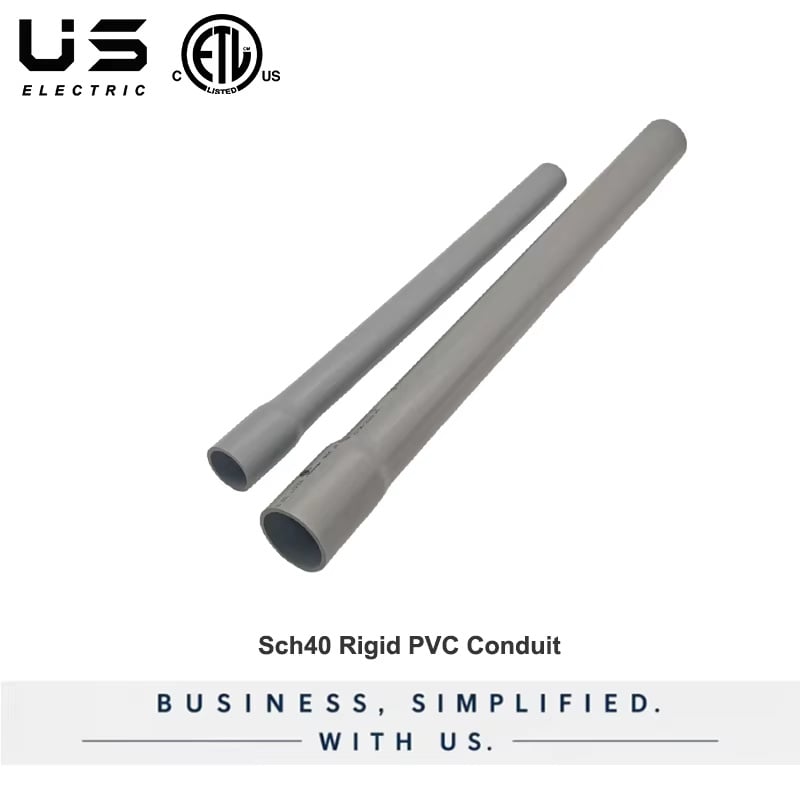
PVC Conduit: Lightweight and resistant to corrosion, PVC is ideal for underground installations and areas exposed to moisture. However, it may not withstand high temperatures or heavy impacts.
Metal Conduit (EMT and Rigid): EMT (Electrical Metallic Tubing) is used in dry locations and offers strength and grounding capabilities. Rigid steel conduit provides maximum protection in harsh environments but is heavier and more difficult to install.
Fiberglass Conduit: This is a lightweight alternative that offers corrosion resistance and is useful in chemical processing environments. Additionally, for those looking for durable options, consider US Canadian Standards Metal Junction Box, which complements various conduit installations.
Consider the environmental conditions, installation location, and load requirements when choosing the material. Conducting a cost-benefit analysis can also help determine the most suitable option for your specific application.
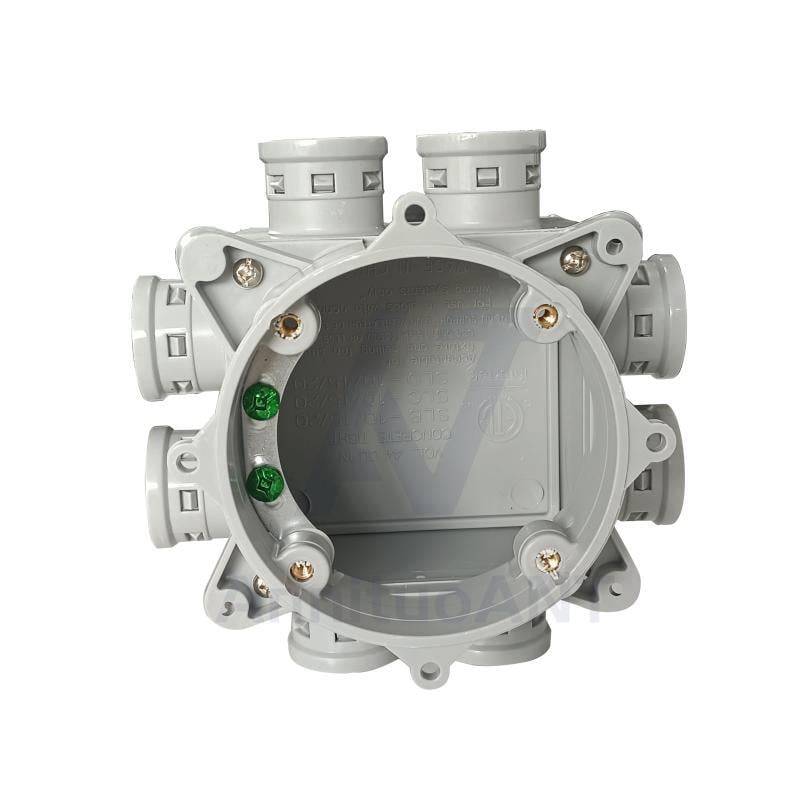
When evaluating conduit for pipes, several specifications should be considered to ensure you select high-quality products:
Thickness: The wall thickness affects durability and resistance to impacts. Thicker walls are generally more robust but may add to the overall weight and cost.
Length and Diameter: Standard lengths and diameters should align with your project requirements. Ensure that the diameters chosen can accommodate the intended wiring or piping without exceeding fill capacity.
Certifications: Look for UL/cUL and ETL/cETL certifications that indicate compliance with safety standards. This ensures that the conduit has been tested for performance and safety.
Temperature Rating: Each conduit material has a specific temperature rating. For instance, PVC conduits are rated for lower temperatures compared to metal conduits, which can handle higher thermal loads.
Confirm these specifications during the inquiry stage to avoid issues during installation and operation.
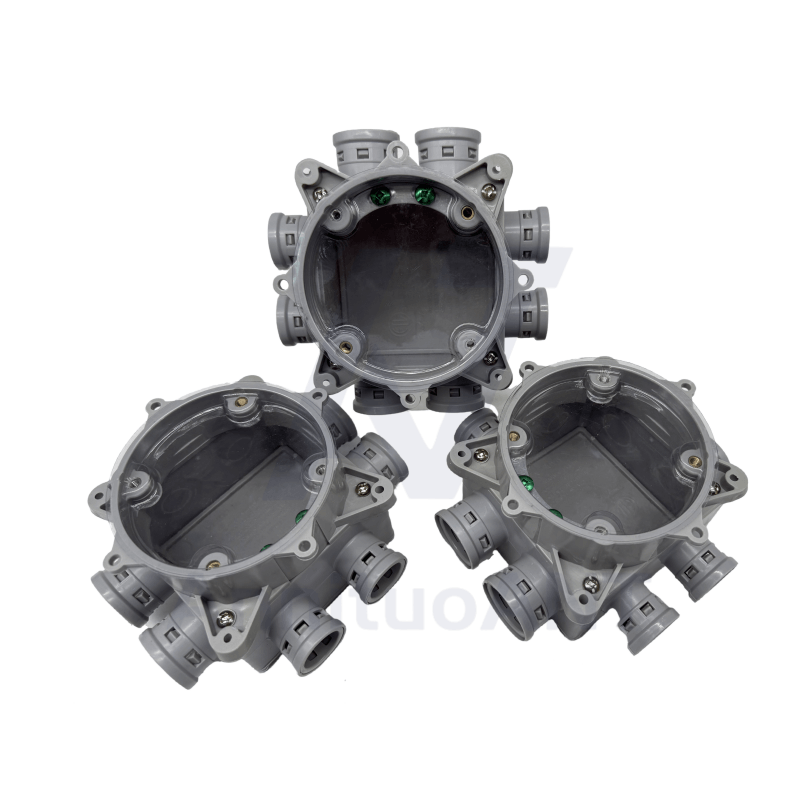
To ensure optimal performance and longevity of conduit installations, consider the following best practices:
Sample Approval: Always request samples before mass production. Inspect the samples for dimensions, fit, and finish to confirm they meet your project specifications.
Installation Guidelines: Follow manufacturer recommendations for installation procedures, including proper grounding and support spacing. This helps prevent future issues with electrical performance.
Regular Inspections: Schedule routine inspections to identify any wear or damage, especially in environments exposed to extreme conditions.
Documentation: Maintain thorough records of material specifications, approval processes, and installation procedures to facilitate future maintenance and repairs.
By adhering to these best practices, you can enhance the reliability and safety of your conduit systems.
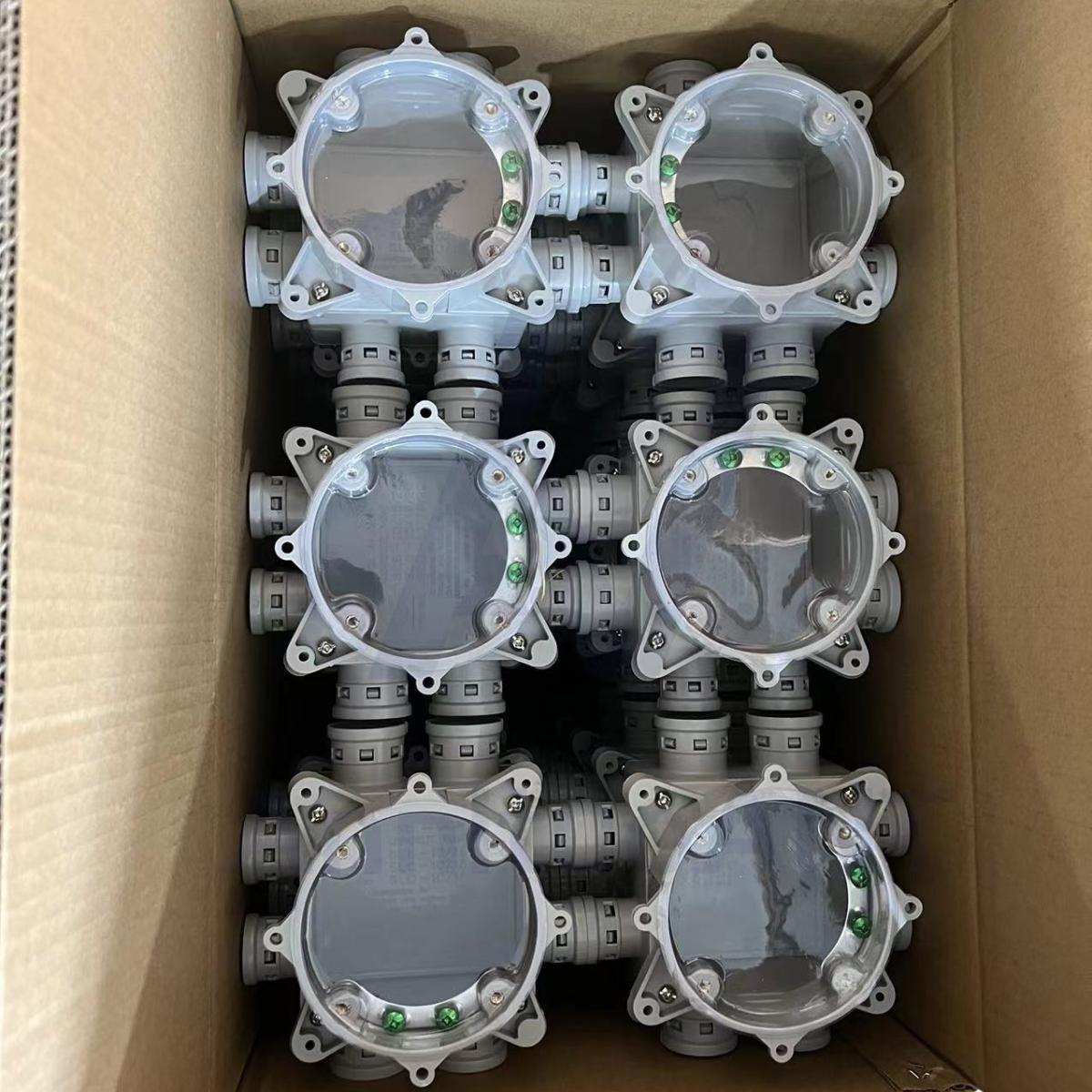
Despite their reliability, conduits can encounter various issues. Here are some common problems and practical solutions:
Corrosion: Metal conduits may corrode in humid or chemically aggressive environments. To combat this, consider using PVC or fiberglass conduits, or applying protective coatings to metal products.
Misalignment: Incorrect installation can lead to misalignment, causing stress on electrical wiring. Ensure accurate measurements and use proper fittings to align conduits correctly.
Overheating: Insufficient spacing or exceeding fill capacities can lead to overheating of electrical wires. Always adhere to the National Electrical Code (NEC) guidelines for conduit fill ratios to prevent this issue.
Cracking: PVC conduits may crack under heavy loads or extreme temperatures. Ensure that the chosen material is appropriate for the environmental conditions it will face.
Being aware of these potential problems allows for proactive measures to ensure the integrity of your installation.
Choosing the right conduit material involves understanding the advantages of each type based on application needs:
PVC Conduit: Advantages include excellent corrosion resistance, lower cost, and ease of installation. Ideal for residential and light commercial applications.
Metal Conduit: Offers durability and grounding capabilities, making it suitable for industrial applications. EMT is lightweight and easy to install, while rigid steel provides additional protection in harsh environments. For those in need of a reliable installation option, 1 Gang Gangable Switch Box can be a great choice.
Fiberglass Conduit: This material is resistant to corrosion and suitable for chemical processing industries. It is lightweight and easy to handle, making installation quicker and simpler.
Each material's advantages should be weighed against specific project requirements, such as environmental conditions, load-bearing needs, and installation concerns.
By understanding these factors, you can make a more informed decision about the best conduit for your pipes, ensuring safety and efficiency in your electrical or plumbing systems.