EN
Quick Links
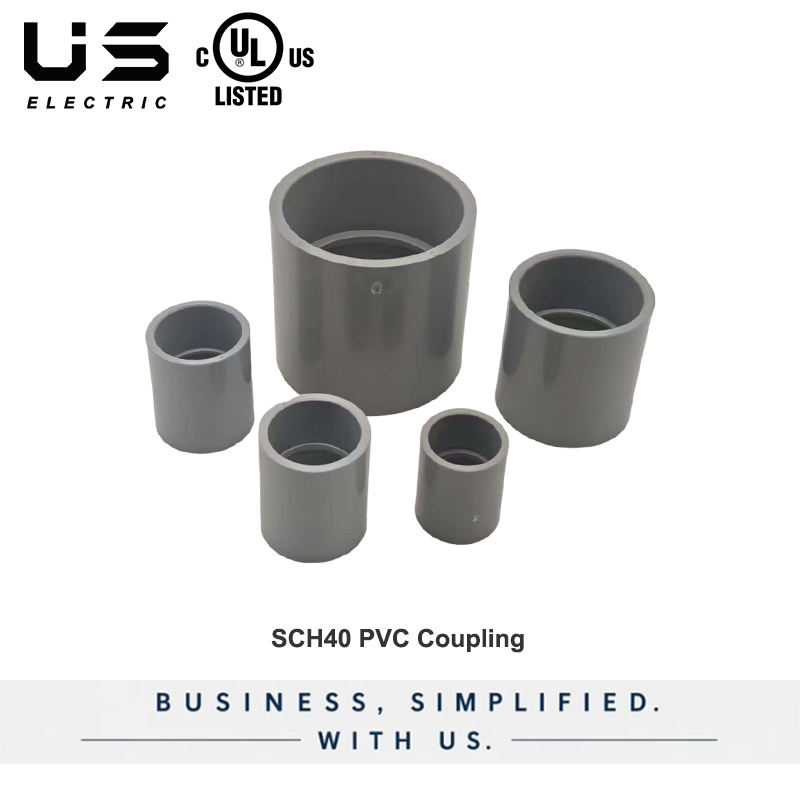
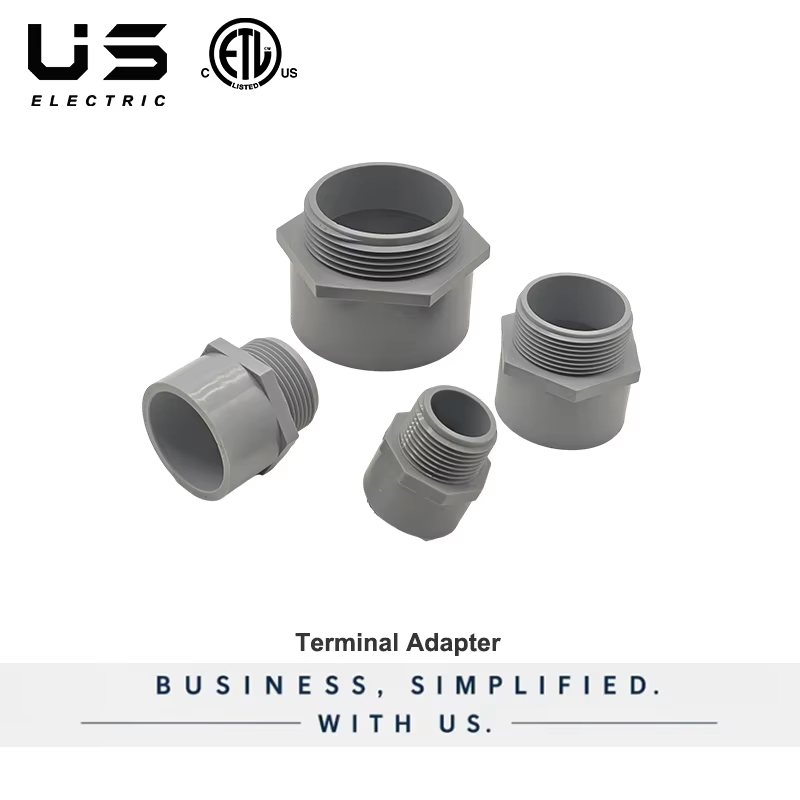
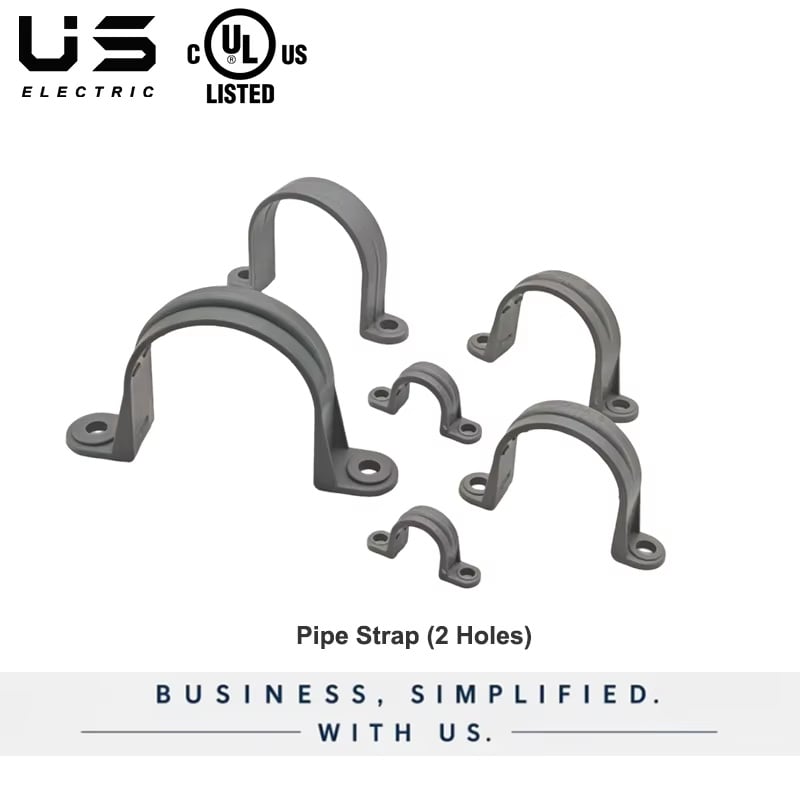
Electrical conduit pipe is an essential component in electrical installation, providing protection and support for electrical wiring in both commercial and residential applications. As a B2B buyer, understanding the various specifications, qualities, and pricing factors related to electrical conduit pipe is critical for making informed purchasing decisions. This article will guide you through the key considerations in selecting the right conduit pipe, ensuring it meets your project's requirements while maintaining quality and cost-effectiveness.
When purchasing electrical conduit pipe in bulk, it is crucial to understand the specifications that define its performance and suitability for your applications. Key specifications include material type, diameter, wall thickness, and length.
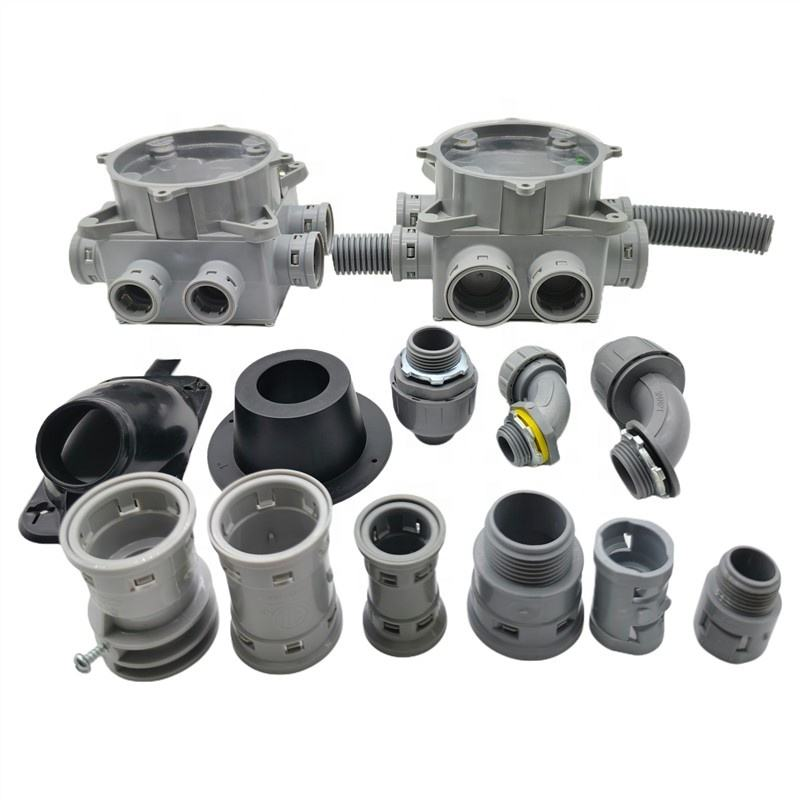
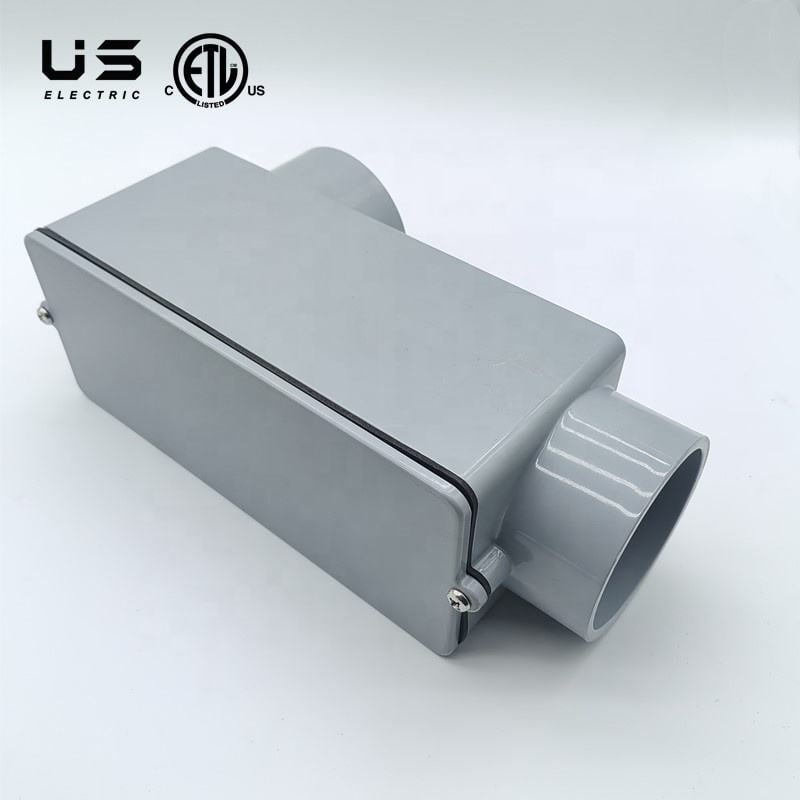
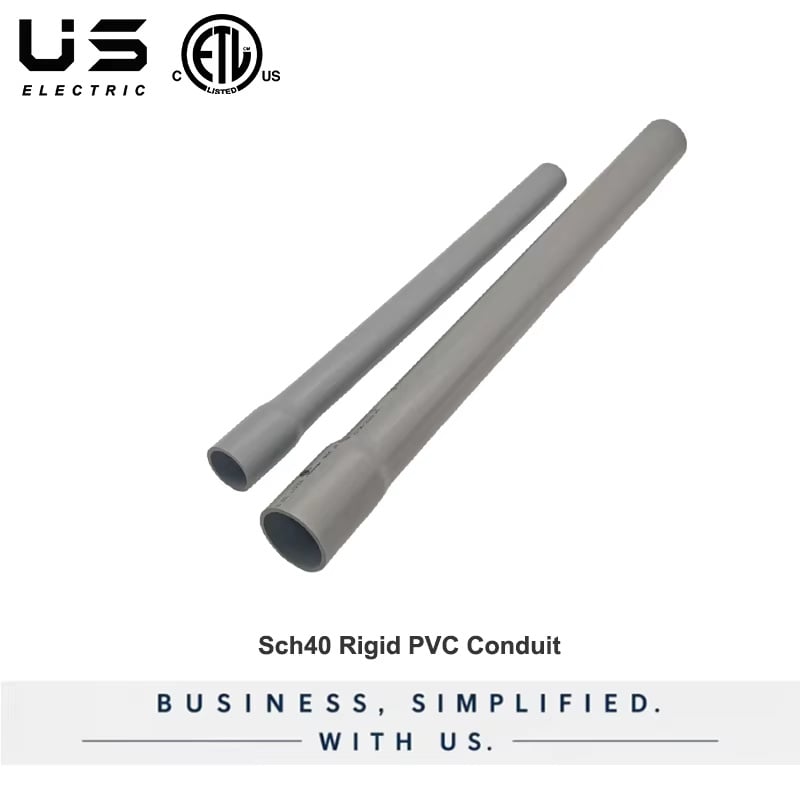
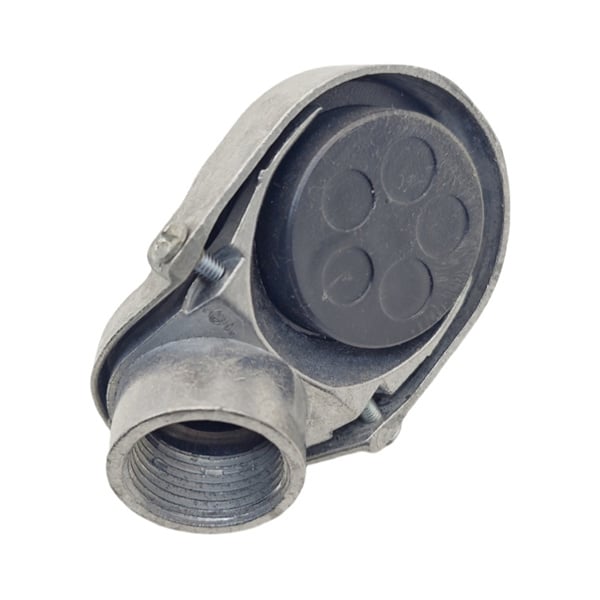
Material Type: Electrical conduit pipe can be made from various materials, including PVC, metal, and fiberglass. The choice of material significantly impacts the conduit’s durability and suitability for specific environments. For example, PVC is lightweight and resistant to moisture, making it ideal for indoor installations, while metallic conduits provide superior strength and shielding against electromagnetic interference. For high-quality options, consider the US Canadian Standards Metal Junction Box which is designed for outdoor applications.
Diameter and Wall Thickness: The diameter of the conduit must accommodate the number and size of wires being routed, while wall thickness contributes to the conduit’s overall strength and resistance to external pressures. When ordering, confirm that the chosen dimensions align with industry standards and your project's regulatory requirements.
Length: Conduit pipes are available in standard lengths, but custom lengths can often be requested to reduce waste and optimize installation efficiency. Discuss your project’s specific needs with your supplier to ensure accurate ordering.
Understanding these specifications will help streamline your purchasing process and ensure that you select the correct electrical conduit pipe for your next project.
Quality evaluation is essential when selecting electrical conduit pipe, as it directly influences the performance and safety of electrical installations. Consider the following factors:
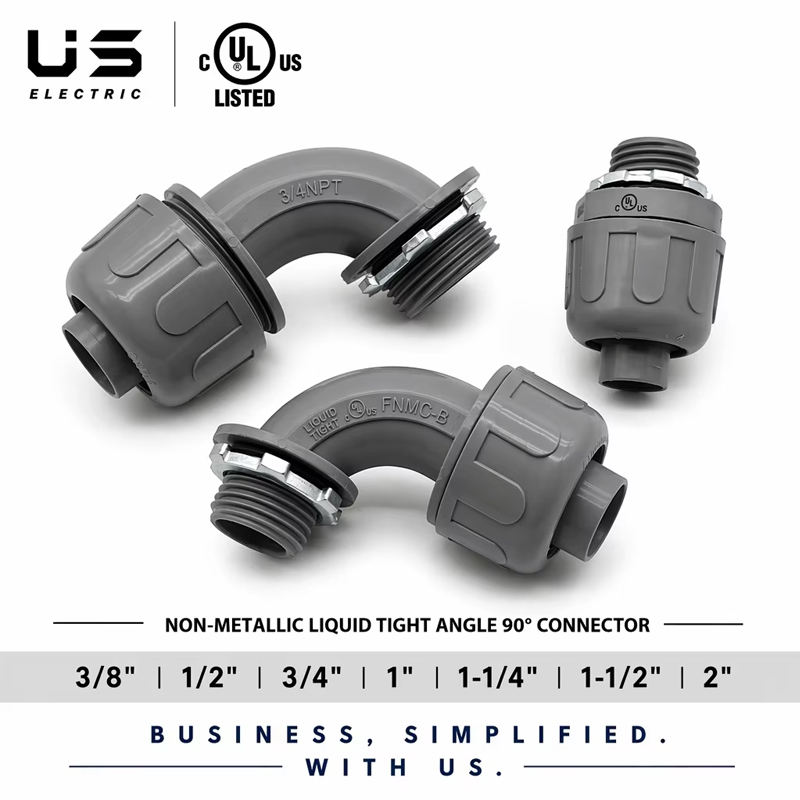
Certifications: Look for conduits that meet industry standards such as UL/cUL and ETL/cETL certification. These certifications indicate that the product has undergone rigorous testing to ensure safety and performance. Choosing certified products reduces the risk of compliance issues during inspections.
Manufacturing Process: Investigate the manufacturing capabilities of your supplier. High-quality conduit pipes are typically produced using advanced techniques that ensure uniformity and durability. Inquire about quality control processes that monitor production and identify defects before products reach the market.
Material Quality: Assess the raw materials used in the production of the conduit pipe. For instance, galvanized steel conduits should be free from rust and corrosion, while PVC should be UV-stabilized for outdoor applications. Requesting samples for inspection can also help verify material quality.
By focusing on these quality indicators, you can make informed purchasing decisions that enhance the reliability of your electrical systems.
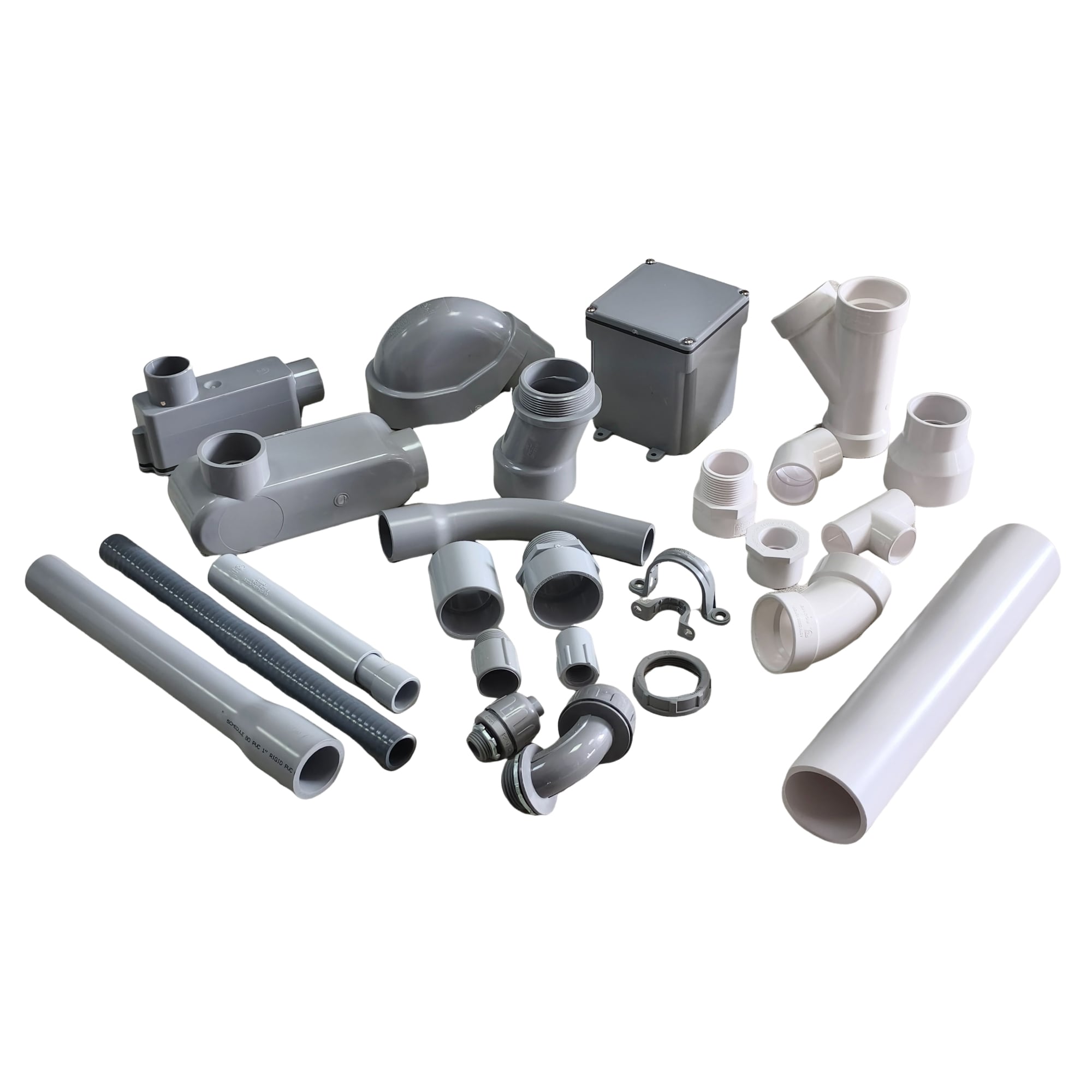
When comparing various types of electrical conduit pipe, it’s essential to assess their features and applications to determine the best fit for your project. Here are some considerations:
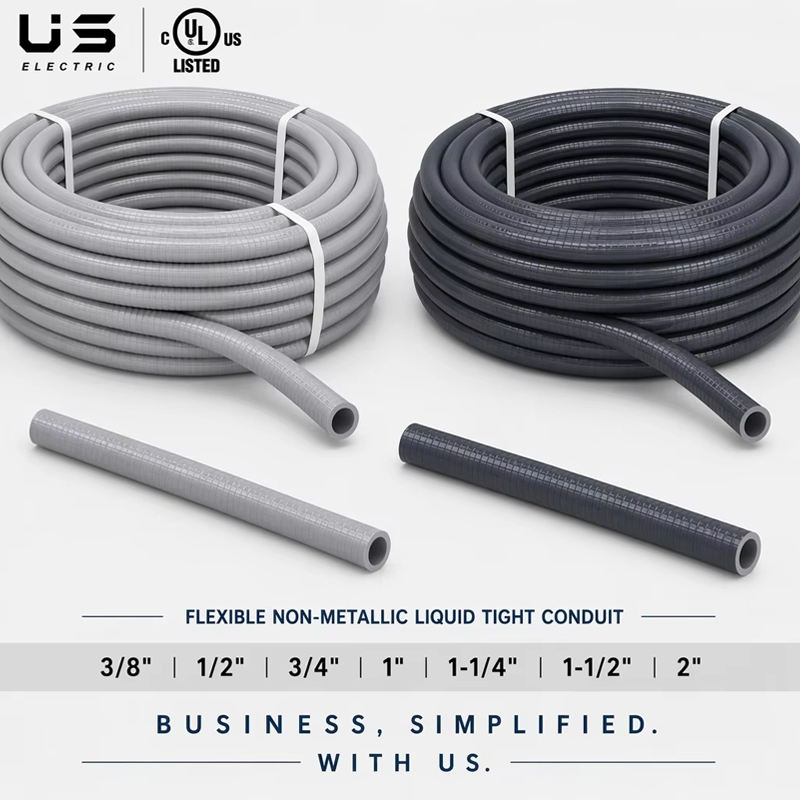
Type of Application: Different conduits serve different purposes. Rigid metal conduits (RMC) offer excellent protection for outdoor applications, while flexible conduits are better suited for areas requiring movement or vibration tolerance. Identify the specific requirements of your installation to narrow down your options.
Environmental Conditions: The environmental factors where the conduit will be installed can affect its performance. For example, areas with high humidity or exposure to chemicals may require PVC or fiberglass conduits that offer resistance to corrosion. For reliable options, consider using the 4 Inch Octagon Ceiling Fan Box.
Cost and Availability: While comparing different types, consider the cost-effectiveness and availability of each option. Some materials may have a higher initial cost but provide long-term savings through durability and reduced maintenance needs. Discuss pricing with your supplier and explore bulk ordering options to reduce costs.
By taking these factors into account, you can effectively compare different types of electrical conduit pipe and choose the most suitable option for your applications.
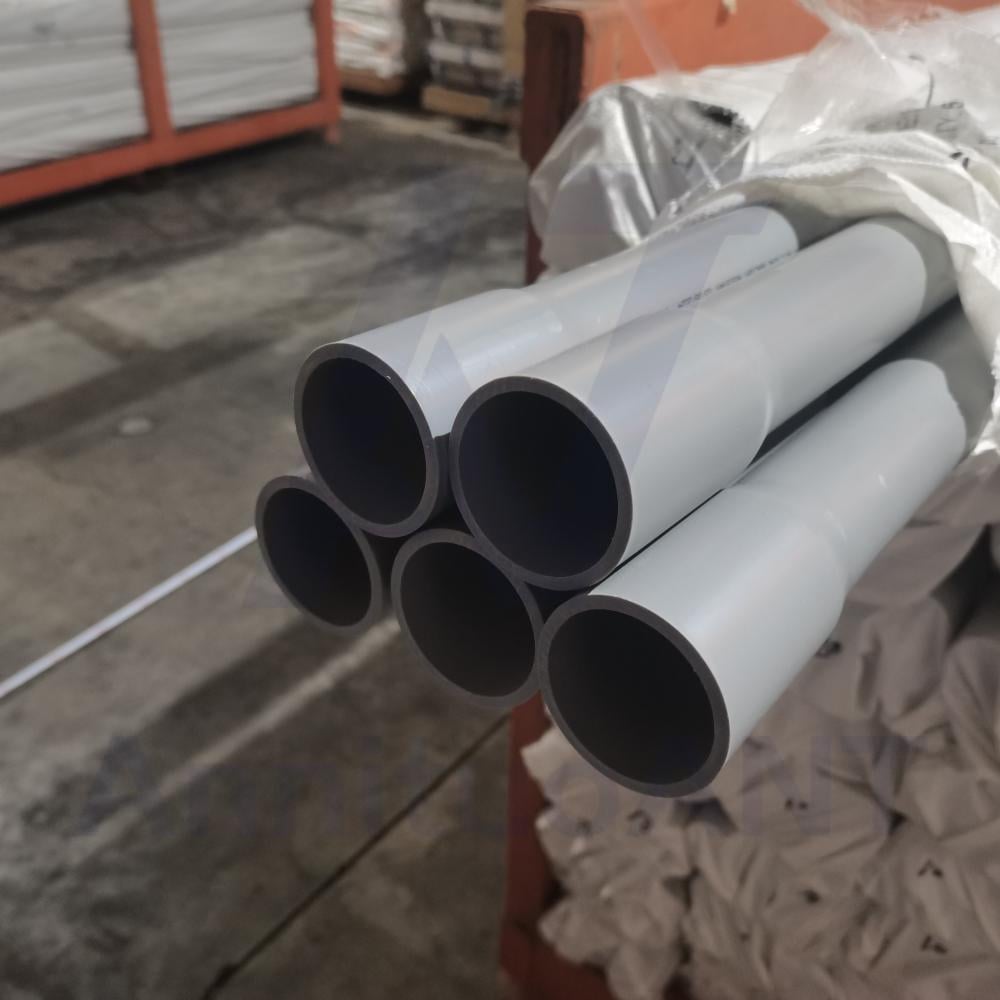
Cost considerations are vital in the purchasing process for electrical conduit pipe, as they can significantly impact the overall project budget. Here are the main factors to keep in mind:
Material Costs: The choice of material directly affects pricing. For example, metallic conduits are generally more expensive than PVC. Understanding the long-term benefits of each material can help justify the initial costs.
Volume Discounts: Many manufacturers offer discounts for bulk orders. Establishing a good relationship with your supplier may also provide opportunities for better pricing, especially if you commit to regular orders.
Shipping and Handling Fees: Consider the logistics involved in transporting the conduit pipe to your location. Some suppliers may have higher shipping costs, which can influence your total spend. Always include these factors in your budget calculations.
Customization Costs: If you require custom lengths or features, inquire about the associated costs. Customization can enhance the functionality of the conduit pipe but may also increase lead times and expenses.
By evaluating these cost factors, you can make strategic purchasing decisions that align with your financial goals while ensuring product quality.
For contractors working with electrical conduit pipe, following best practices can enhance project efficiency and safety. Here are some recommendations:
Thorough Planning: Before purchasing, develop a detailed plan that outlines the specifications, quantities, and types of conduits required. This will prevent over-ordering or under-ordering, saving time and money.
Sample Approval: Always request samples before mass production, particularly for customized products. This step allows you to verify dimensions, fit, and overall quality, reducing the risk of problems during installation.
Installation Guidelines: Ensure that all team members are familiar with the installation guidelines for the specific type of conduit being used. Proper installation techniques are crucial for achieving the expected performance and safety standards.
Regular Inspections: Throughout the installation process, regularly inspect the conduit and associated fittings for defects or damage. Early detection can prevent costly repairs or safety issues down the line.
By adhering to these best practices, contractors can optimize their workflow and ensure high-quality installations, ultimately leading to satisfied clients and successful projects.