 EN
Quick Links
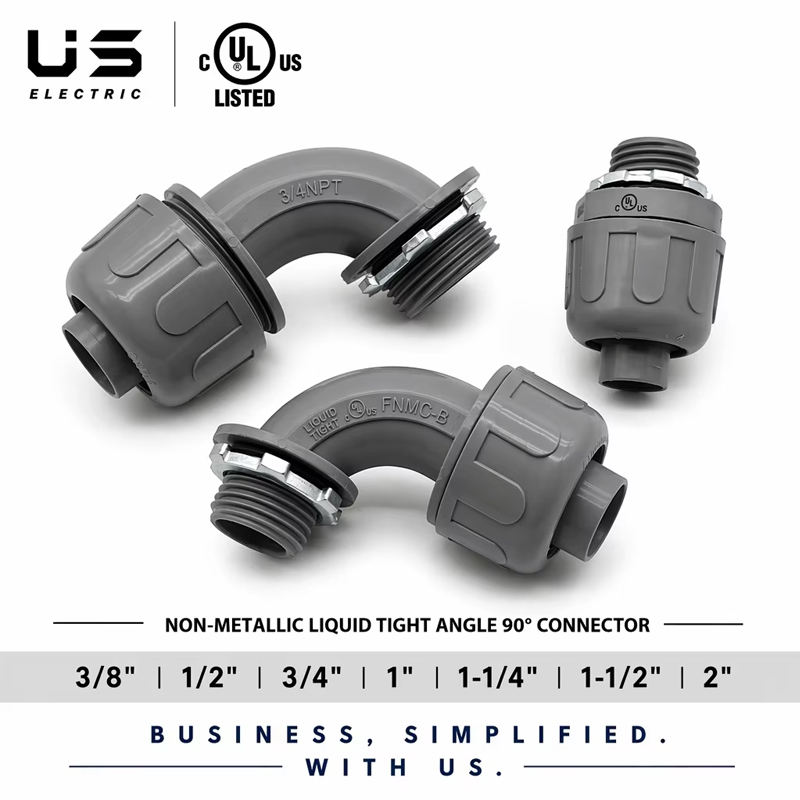
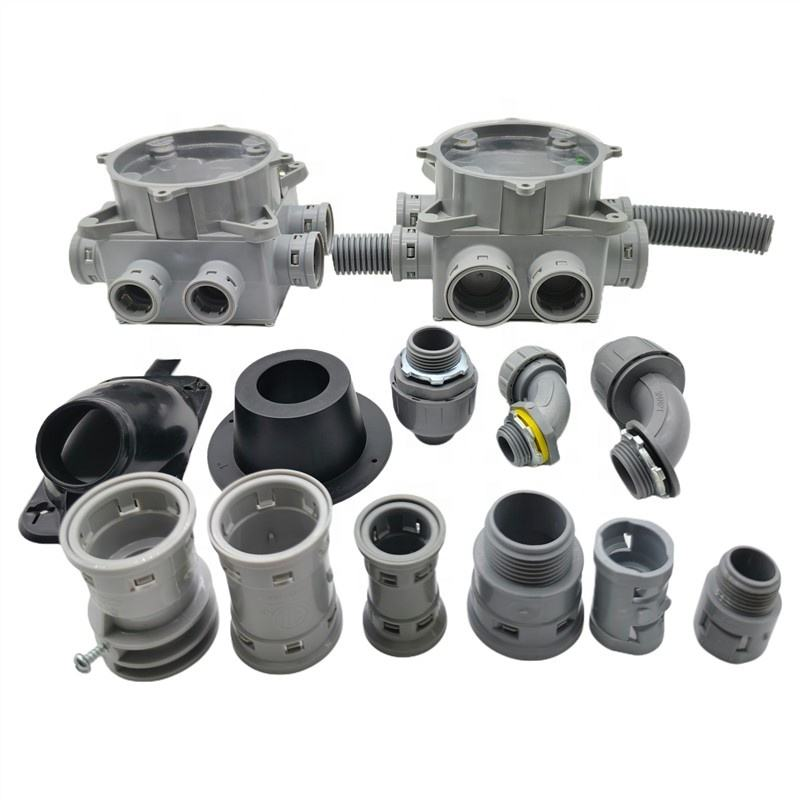
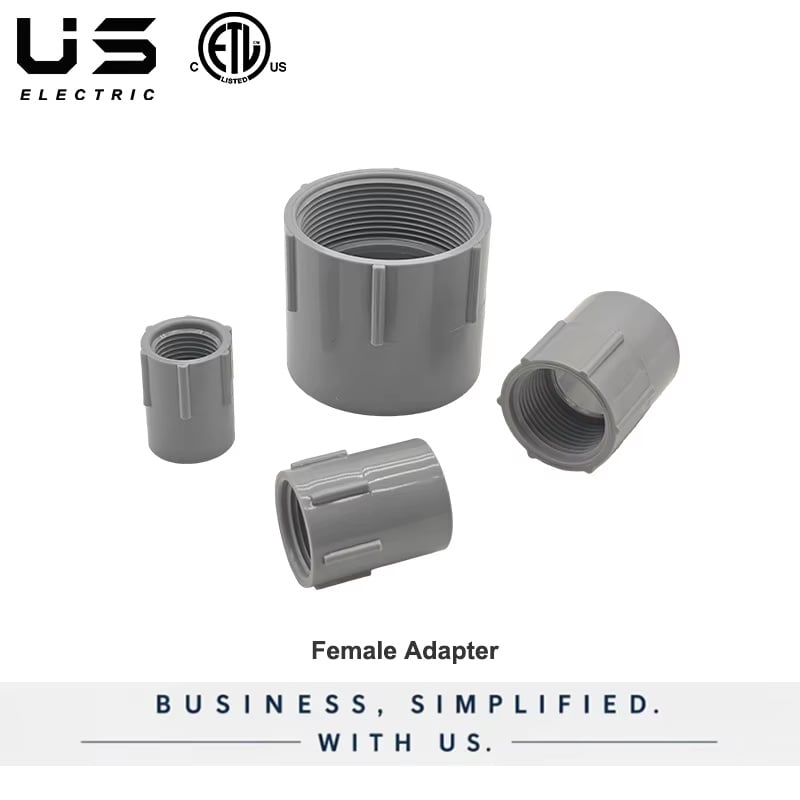
PVC elbow conduits are essential components in electrical installations, providing a reliable means to route and protect electrical wiring. These fittings allow for directional changes in conduit runs, ensuring that installations can navigate around obstacles while maintaining the integrity and safety of electrical systems. For B2B buyers, particularly purchasing managers, engineers, and contractors, understanding the specifications, quality assurance processes, and practical considerations in the purchase of PVC elbow conduits is critical to ensure compliance, performance, and cost-effectiveness. This article will guide you through the key aspects of PVC elbow conduits, addressing specifications, quality assurance, cost factors, installation issues, and the advantages of using PVC over other materials. For more details on related products, check our Others section.
When selecting PVC elbow conduits, several key specifications need to be considered. These specifications include the diameter, bend radius, wall thickness, and temperature ratings.
Diameter: The diameter should match the conduit size required for the specific electrical application. Common diameters range from ½ inch to several inches, depending on the volume of wiring being housed.
Bend Radius: The bend radius is crucial for maintaining the integrity of the wiring inside the conduit. A tighter bend can lead to wire damage or increased resistance. It’s essential to choose an elbow with a bend radius that complies with the National Electrical Code (NEC) recommendations for the type of wire being used.
Wall Thickness: The thickness of the conduit wall impacts its durability and pressure resistance. A thicker wall may be necessary for industrial applications where the conduit may be exposed to physical stress or environmental factors.
Temperature Ratings: PVC elbow conduits typically have a temperature rating ranging from -20°C to 60°C. Buyers should ensure that these ratings align with the conditions of the installation environment.
Understanding these specifications helps ensure that the selected conduits meet the necessary performance requirements for both residential and commercial applications.
Quality assurance is paramount in the manufacturing of PVC elbow conduits to ensure safety and reliability. At Jiaxing ANT Electrical Co., Ltd., our manufacturing processes adhere to stringent quality control measures, including:
Material Selection: We use high-grade PVC materials certified to UL/cUL and ETL/cETL standards, ensuring that our products can withstand environmental stressors while maintaining performance.
Production Equipment: Advanced machinery and automated processes enhance production efficiency and consistency. This technology allows for precise manufacturing tolerances, reducing the risk of defects.
Testing Procedures: Each batch of PVC elbow conduits undergoes rigorous testing for strength, stress, and thermal stability. This ensures that all products meet or exceed industry standards before reaching the market.
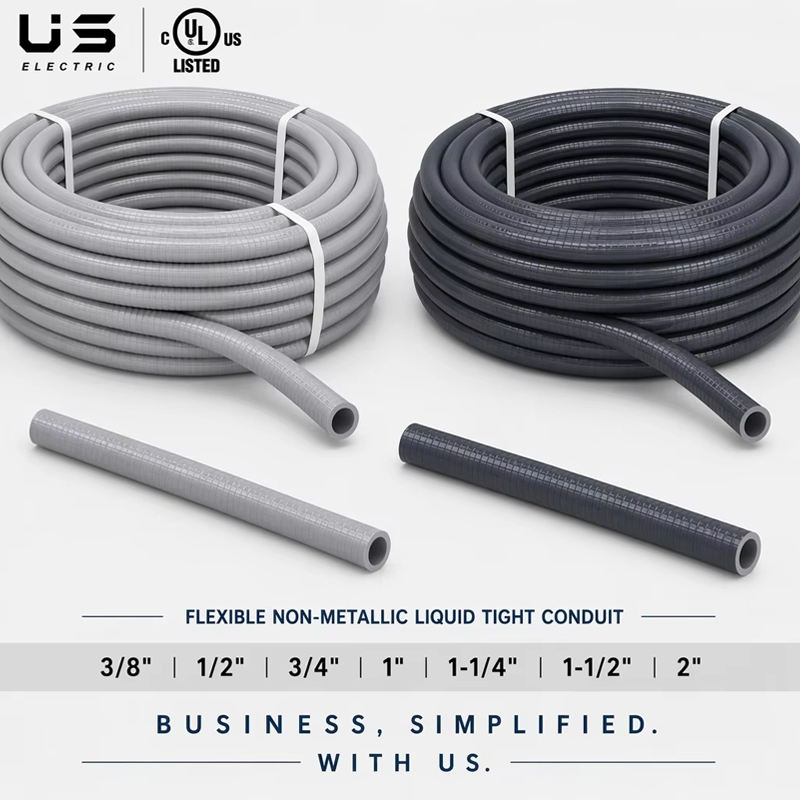
Continuous Improvement: We implement regular audits and feedback loops to refine our processes, ensuring that our products consistently meet evolving industry standards and customer requirements. Additionally, we offer a range of Nonmetallic Liquid-tight Conduit & fittings for various applications, further ensuring safety and reliability.
By prioritizing quality assurance, buyers can be confident in the durability and performance of the PVC elbow conduits they select.
Several factors influence the cost of PVC elbow conduits. Understanding these can help buyers make informed purchasing decisions:
Material Costs: The price of raw PVC material fluctuates based on market conditions. High-quality materials may come at a premium but offer better performance and longevity.
Manufacturing Volume: Bulk purchases typically reduce the per-unit cost. Buyers should consider their project needs and potential for larger orders to negotiate favorable pricing.
Customization: Custom dimensions or features can increase costs. Buyers should assess whether standard products meet their needs or if customization is necessary.
Shipping and Handling: The delivery destination and logistics can impact the overall cost. Buyers should account for shipping fees and handling charges when comparing prices from different suppliers.
Certification Fees: Products certified to specific industry standards may carry additional costs, but these certifications often ensure higher quality and safety.
Understanding these factors will assist buyers in budgeting effectively and evaluating supplier quotes.
PVC elbow conduits, while user-friendly, can present installation challenges if not addressed properly. Common installation issues include:
Alignment Issues: Misalignment of the elbow during installation can lead to stress on the conduit, potentially causing cracks or breaks. Ensuring proper alignment before securing fittings is crucial. A level or laser guide can assist in achieving accurate positioning.
Expansion and Contraction: PVC material can expand and contract based on temperature changes. This can lead to joint separation if not accounted for. Incorporating expansion fittings or leaving adequate space for thermal movement can mitigate this issue.
Improper Sealing: Inadequate sealing at joints can allow moisture ingress, leading to electrical hazards. Utilizing appropriate sealing methods and materials, such as PVC cement, can enhance the integrity of the installation.
Over-tightening: Over-tightening fittings can cause damage to the conduit. It's important to follow manufacturer guidelines for torque specifications to avoid compromising the conduit’s structural integrity.
By anticipating these issues and following best practices, installers can ensure a reliable and safe electrical conduit system.
When considering conduit options, PVC elbow conduits offer several advantages compared to alternatives such as metal or fiberglass:
Corrosion Resistance: PVC is inherently resistant to corrosion, making it suitable for various environments, including those with moisture or chemicals. This longevity translates to lower maintenance costs over time.
Lightweight: PVC conduits are significantly lighter than metal counterparts, simplifying transportation and installation. This can reduce labor costs and make handling easier during installation.
Cost-Effectiveness: Generally, PVC elbow conduits are more affordable than metal options. When factoring in longevity and reduced maintenance, PVC can offer a lower total cost of ownership.
Electrical Insulation: PVC is a non-conductive material, providing added safety in electrical installations. This reduces the risk of shorts and enhances overall system safety.
Ease of Installation: The lightweight nature and compatibility with standard fittings make PVC elbow conduits easy to install, allowing for quicker project completion.
These advantages make PVC elbow conduits an excellent choice for both commercial and residential wiring applications, providing a reliable and cost-effective solution for electrical installations. By understanding these aspects of PVC elbow conduits, B2B buyers can make informed decisions that align with their project requirements and budget constraints.