EN
Quick Links
Power boxes are essential components in electrical installations, providing protection and organization for wiring systems. As a B2B buyer, you might be particularly concerned with ensuring the quality, suitability, and reliability of plastic electrical boxes for your projects. This article aims to guide you through evaluating power boxes, essential features for wholesale buying, common issues buyers encounter, material benefits in manufacturing, and crucial tips to consider during the purchasing process.
When assessing the quality of power boxes, several criteria should be at the forefront of your evaluation. First, ensure that the power boxes comply with relevant safety and quality standards, such as UL/cUL and ETL/cETL certifications. These certifications indicate that the products have undergone rigorous testing, ensuring their safety and reliability in various applications.
Next, examine construction quality and material selection. A well-constructed power box should be made from robust materials (such as metal or high-grade plastic) that can withstand environmental factors, mechanical stress, and electrical loads. Pay attention to the thickness of the material, as this directly influences durability and performance. Additionally, check for features like proper sealing and insulation, which are critical for moisture and dust protection, especially in outdoor or industrial settings.
Finally, consider the manufacturer's quality control processes. A reliable manufacturer like Jiaxing ANT Electrical Co., Ltd. typically implements strict quality assurance protocols throughout the production process, ensuring consistency and performance in every product. Requesting samples before mass production can help verify that the product meets your specifications and standards.
For wholesale buyers, certain features of power boxes can significantly influence purchasing decisions. Here are several key features to consider:
Customization Options: Look for manufacturers that offer OEM/ODM solutions. Customizing dimensions, colors, and configurations can help meet specific project requirements and enhance brand visibility.
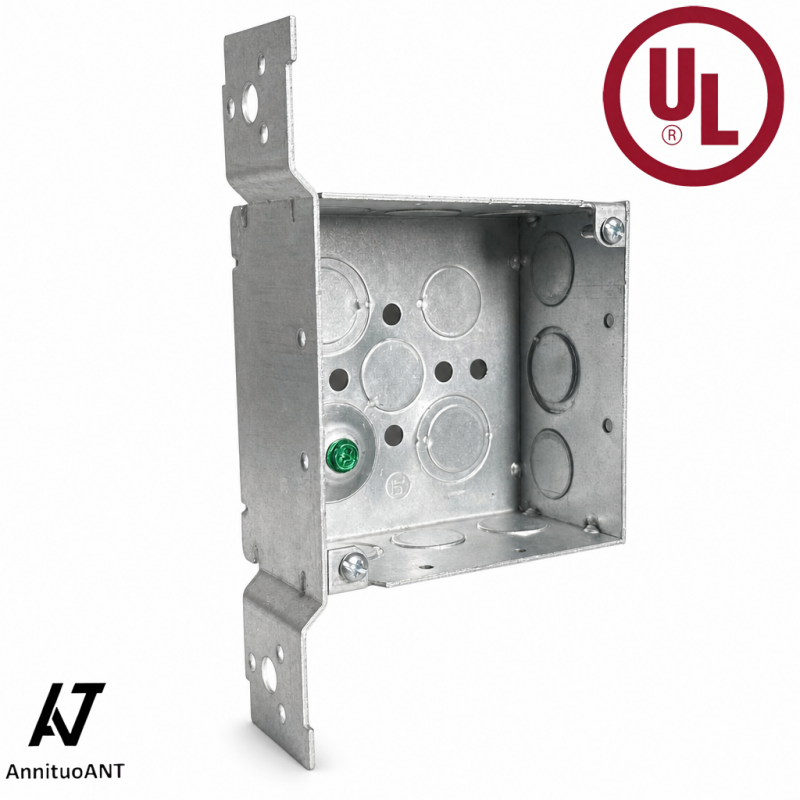
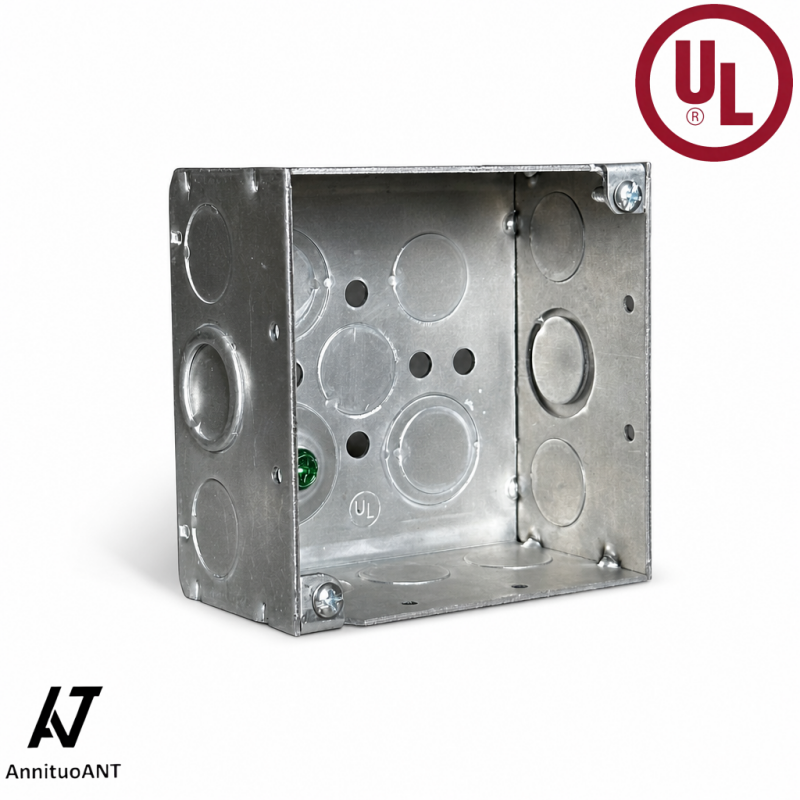
Material Versatility: Different applications may require different materials. Metallic boxes offer superior durability and grounding capabilities, while non-metallic options may provide lightweight alternatives with corrosion resistance.
Mounting and Installation Features: Ease of installation is a critical factor. Power boxes should have suitable mounting options, such as pre-drilled holes or brackets, to simplify the assembly process.
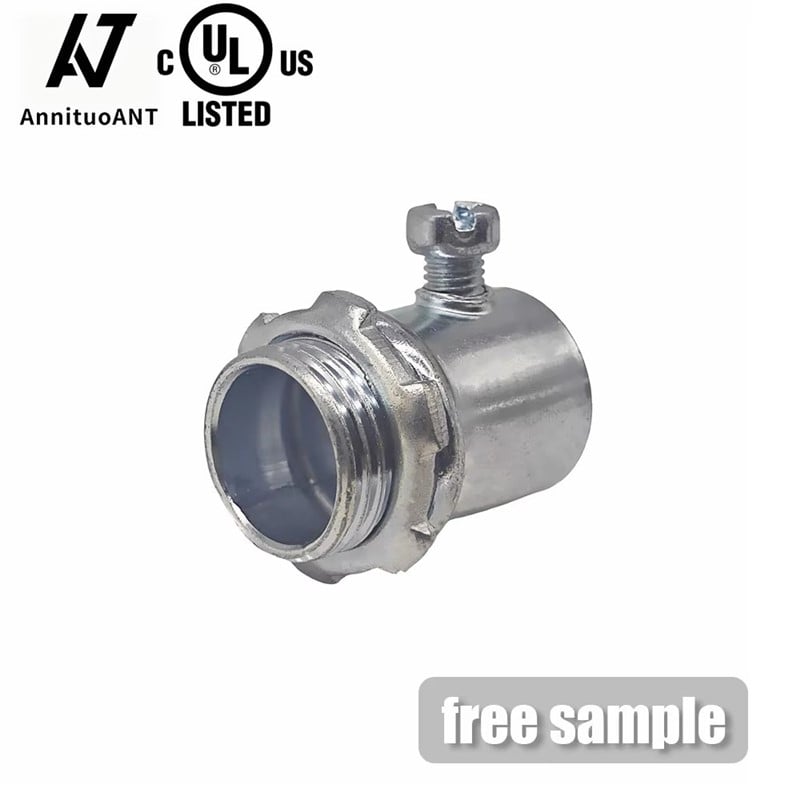
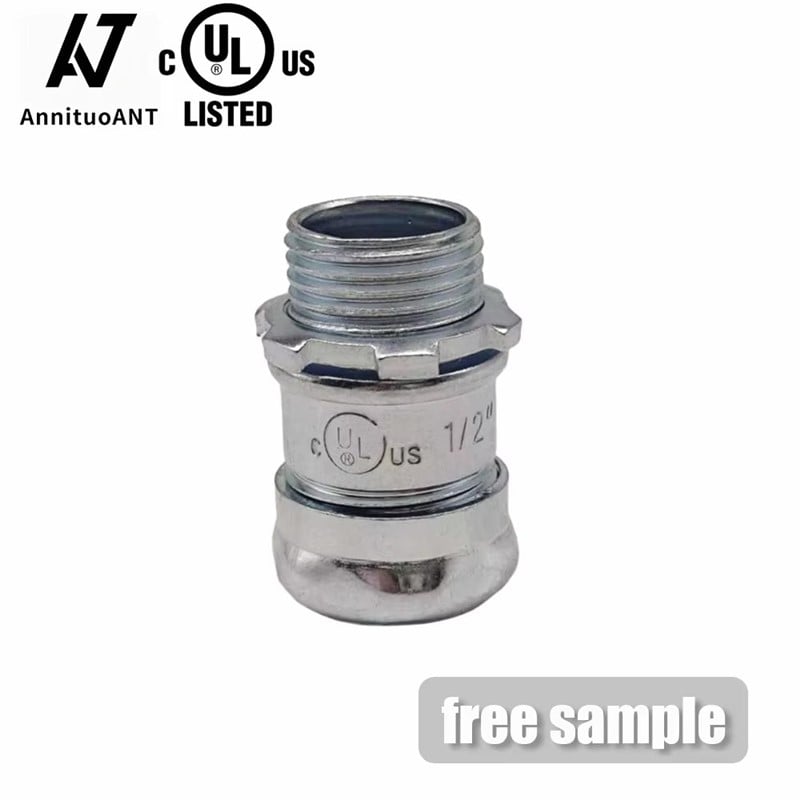
Compatibility with Accessories: Ensure that the plastic electrical enclosure boxes are compatible with a wide range of conduits and fittings. This flexibility allows for easier integration into existing systems.
Size and Dimensions: The size of the power box must align with the project requirements. Whether it’s a compact design for residential applications or larger units for industrial settings, ensuring the right dimensions is crucial.
By prioritizing these features, wholesale buyers can streamline their purchasing process and ensure that they select products that will perform reliably in their intended applications.
Buyers often encounter specific issues when sourcing Anita power boxes. Understanding these problems and their solutions can lead to more informed purchasing decisions.
1. Inadequate Sealing: Poor sealing can lead to moisture ingress, which compromises electrical integrity. Buyers should inspect the sealing mechanisms and consider requesting weather-resistant options for outdoor installations.
2. Insufficient Load Capacity: Power boxes must be rated for the electrical load they will handle. A mismatch can result in overheating and failure. Always verify the load ratings against the anticipated electrical demands of your project.
3. Poor Quality Control: Variability in product quality can lead to inconsistent performance. Buyers should inquire about the manufacturer's quality control processes and request third-party testing certifications to ensure reliability.
4. Compatibility Issues: Sometimes, power boxes do not fit well with existing systems or accessories. Ensure that specifications are clearly communicated when requesting quotes, and consider obtaining samples to verify compatibility.
By addressing these common issues proactively, buyers can minimize risks and enhance the reliability of their electrical installations.
The choice of materials in Anita power box manufacturing significantly impacts performance, durability, and application suitability. Here are some advantages of commonly used materials:
Metallic Power Boxes: Typically made from steel or aluminum, metallic boxes offer excellent strength and grounding capabilities. They are ideal for industrial environments where durability and fire resistance are paramount. Metal boxes are also less prone to warping and can handle higher mechanical stresses.
Non-Metallic Power Boxes: Often constructed from high-quality plastic or fiberglass, non-metallic boxes are lightweight, corrosion-resistant, and non-conductive. These properties make them suitable for residential and commercial applications where moisture exposure is a concern. They can also be easier to install due to their lighter weight and reduced need for grounding.
Composite Materials: Some manufacturers use composite materials that combine the benefits of both metals and plastics. These can provide enhanced strength, temperature resistance, and reduced weight, making them versatile for various applications.
Understanding the benefits of these materials can help buyers select the most appropriate electrical boxes for their specific needs and environments.
When purchasing Anita power boxes, several tips can enhance your buying experience and ensure you make informed decisions:
Request Detailed Specifications: Always ask for comprehensive product specifications, including load ratings, dimensions, and material descriptions. This information is essential for evaluating compatibility with your project requirements.
Establish Clear Communication: When discussing your needs with suppliers, be clear about your requirements, including customization options and delivery timelines. This clarity can help prevent misunderstandings and ensure timely delivery.
Inquire About Lead Times: Understanding lead times for production and delivery can help you plan your project effectively. If you require custom solutions, factor in additional time for design and approval processes.
Check for Warranty and Support: A reliable warranty can provide peace of mind regarding product performance. Additionally, inquire about the manufacturer's customer support to address any post-purchase issues.
Evaluate Supplier Reputation: Research the supplier’s reputation in the industry. Look for reviews and testimonials to gauge their reliability and product quality. A manufacturer like Jiaxing ANT Electrical Co., Ltd., with 14 years of experience, can be a solid choice for your electrical equipment needs.
By following these essential tips, buyers can navigate the purchasing process with greater confidence and secure products that align with their project goals.