EN
Quick Links
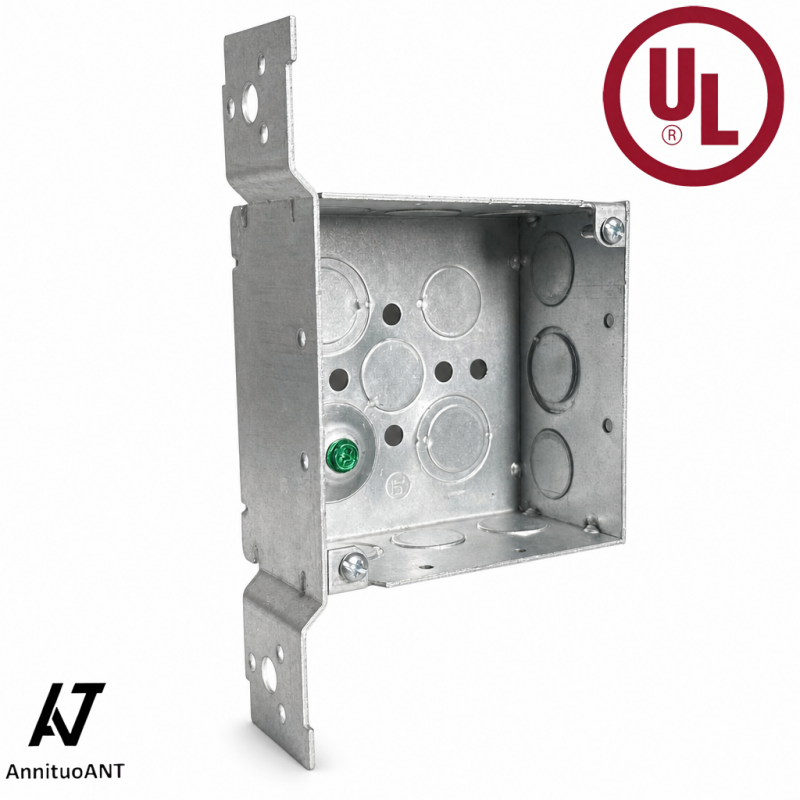
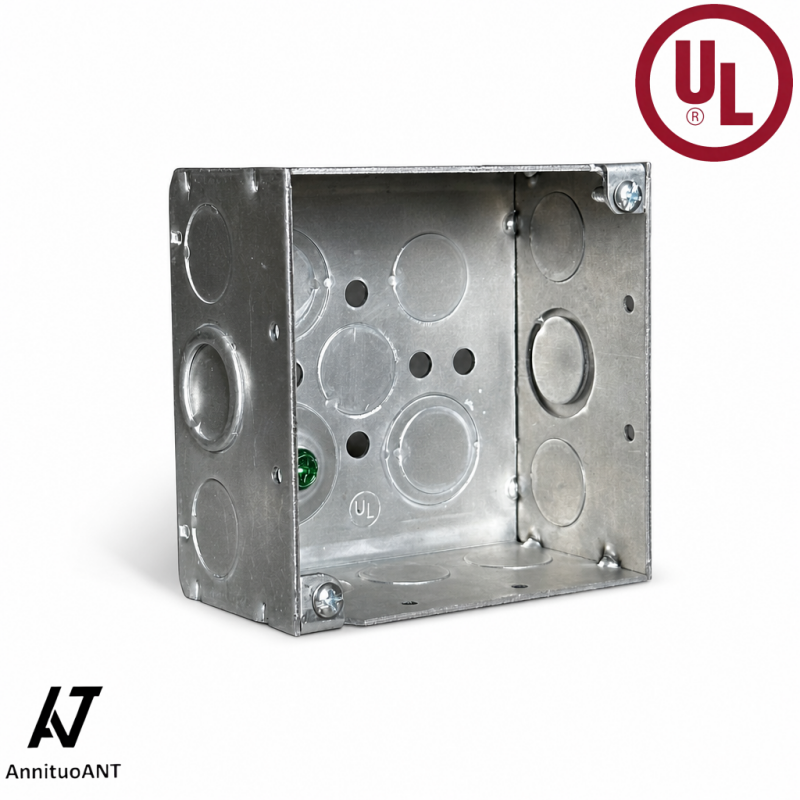
J boxes, or junction boxes, are essential components in electrical installations, providing a safe and secure enclosure for electrical connections. As a B2B buyer, understanding the specific requirements and options available for Anita junction box outside is crucial to ensure safety, compliance, and functionality in your projects. This article will cover key factors to consider when sourcing J boxes, an overview for buyers, tips for contractors, solutions tailored for buyers, and why quality is a critical aspect of sourcing.
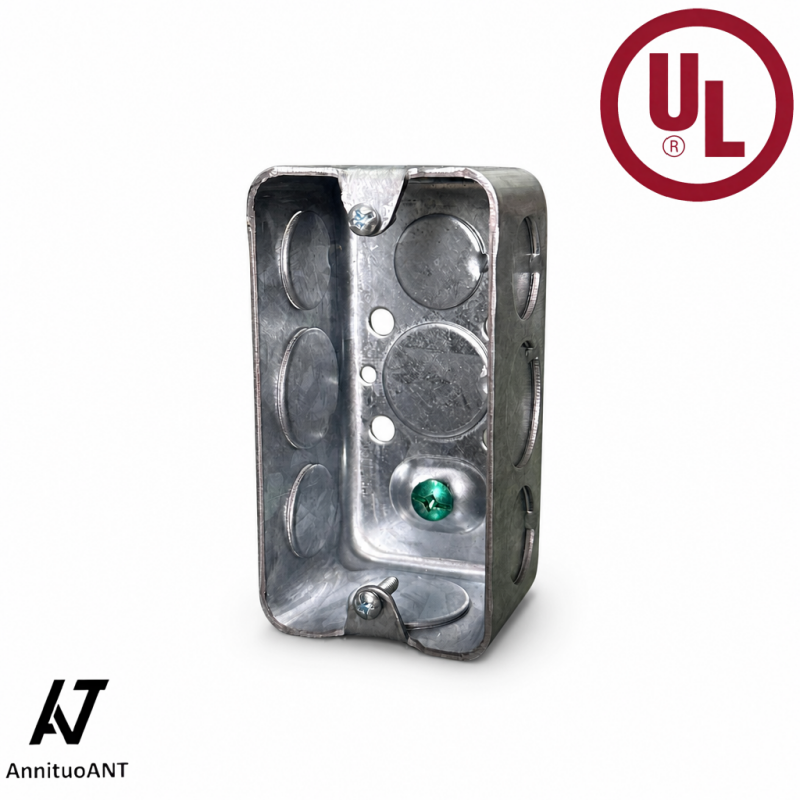
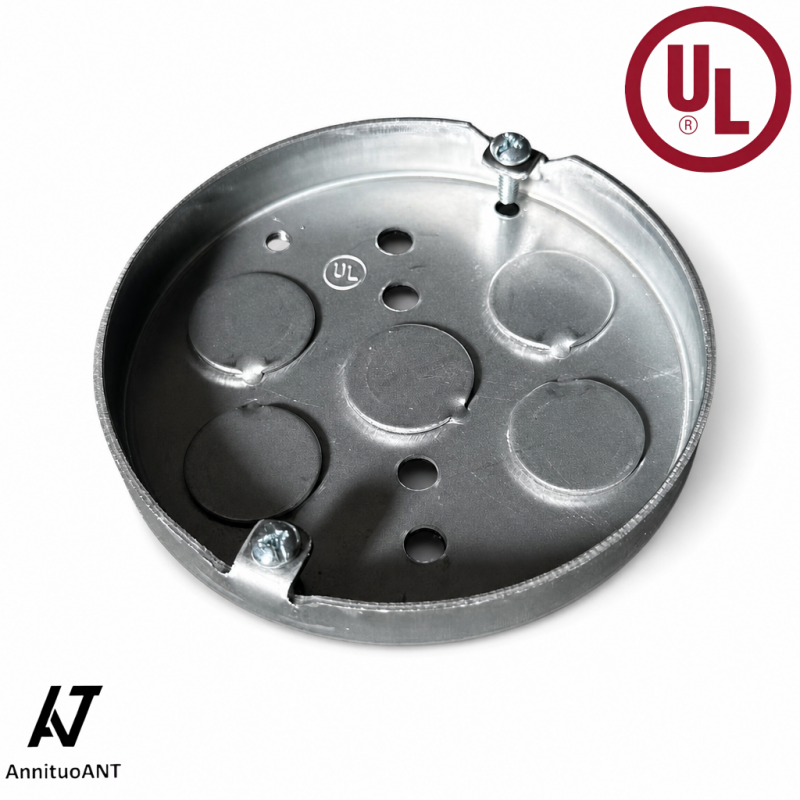
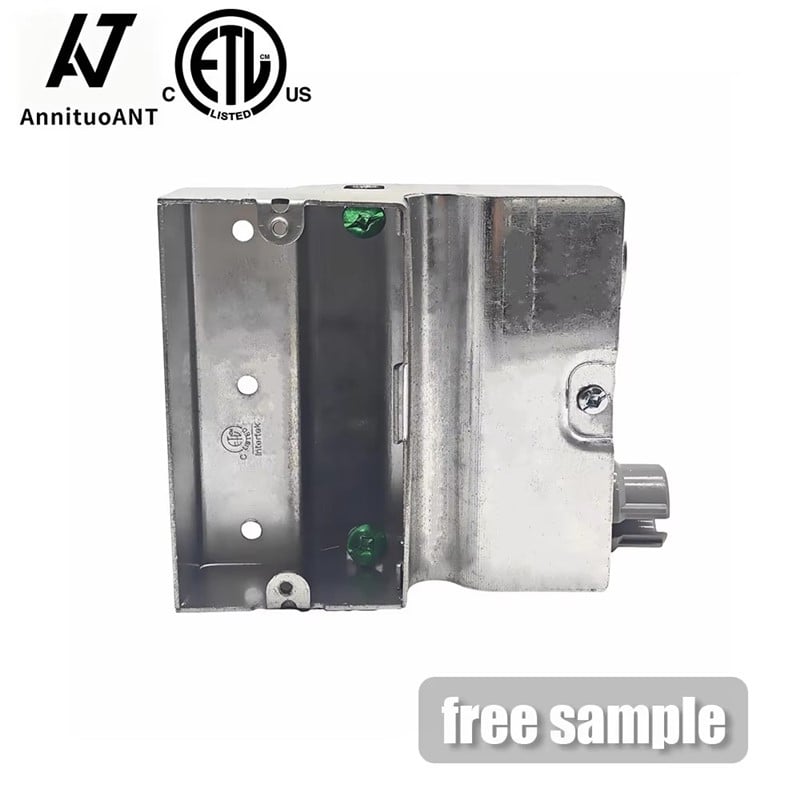
When choosing J boxes, several factors can significantly impact your project’s success. First, consider the materials used in the construction of the boxes. J boxes are typically made from metallic or non-metallic materials. Anita pvc junction box, often made of steel or aluminum, provide excellent durability and grounding, making them suitable for heavy-duty applications. Non-metallic boxes, often constructed from PVC or fiberglass, are lightweight, resistant to corrosion, and ideal for environments where moisture is a concern.
The dimensions and design of the Anita plastic j box are also vital. Ensure that the box size accommodates the number of connections you plan to make while allowing enough space for proper wire management. Additionally, the ingress protection (IP) rating, which indicates the level of dust and water resistance, should align with the installation environment. For example, an IP65 rating is suitable for outdoor applications where exposure to dust and water is expected.
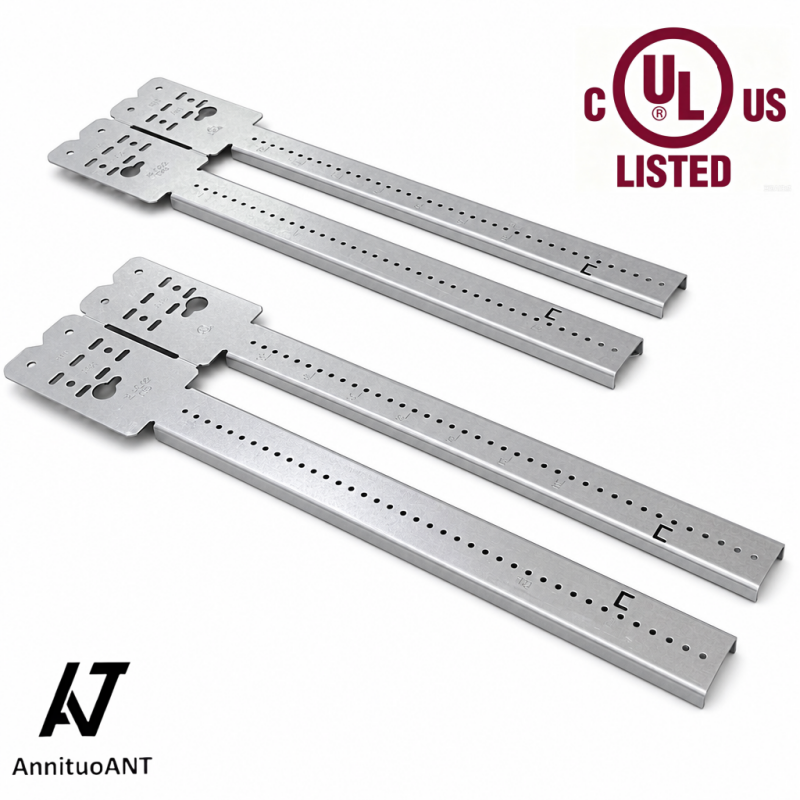
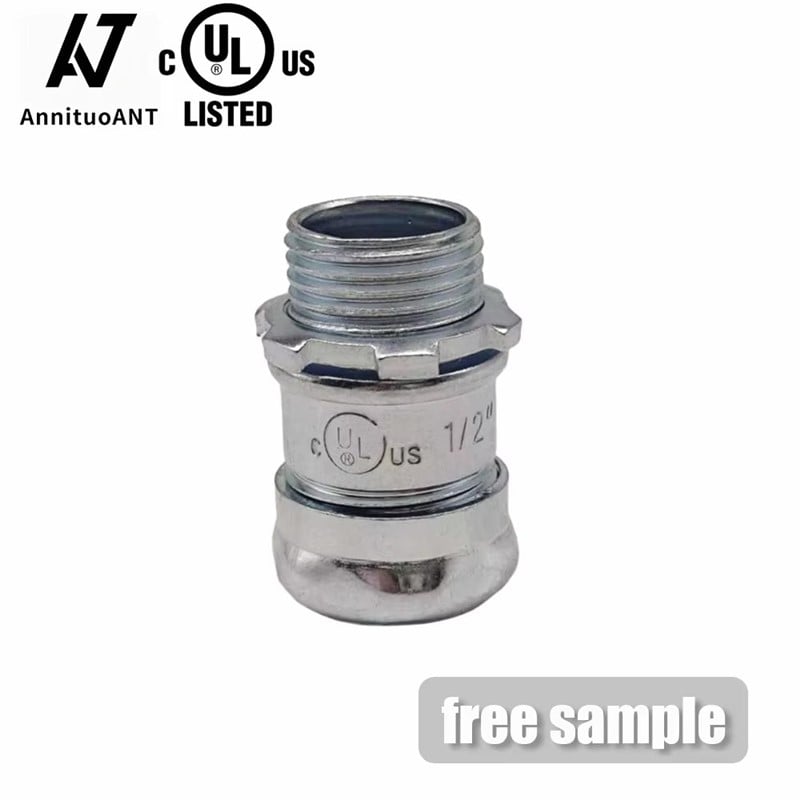
Finally, always check for relevant certifications, such as UL/cUL and ETL/cETL, which ensure that the J boxes meet specific safety and performance standards. These certifications are particularly important for projects in commercial and residential construction, where compliance with electrical codes is mandatory.
For purchasing managers and distributors, understanding the typical specifications and requirements for J boxes is critical. When requesting quotes or information from manufacturers, provide detailed specifications including the type of material (metallic or non-metallic), required dimensions, and the intended application environment.
Additionally, inquire about the minimum order quantity (MOQ) and lead times. Many manufacturers, including Jiaxing ANT Electrical Co., Ltd., offer competitive pricing for bulk orders, which can lead to cost savings. Be prepared to discuss customization options as well, as many manufacturers can tailor products to meet specific project needs, whether that involves special sizes, colors, or additional features.
Moreover, consider the supply chain logistics. Knowing the delivery options and timelines can help in planning project schedules effectively. It is also wise to evaluate the manufacturer's export experience, especially if sourcing from international suppliers, to ensure they can meet the demands of your market.
For contractors, understanding the practical aspects of installing J boxes can save time and avoid costly mistakes. First, always verify the compatibility of the J boxes with the wiring and equipment you are using. The box should be sized correctly to accommodate the number of wires and devices, ensuring that there is no overcrowding, which can lead to overheating and potential safety hazards.
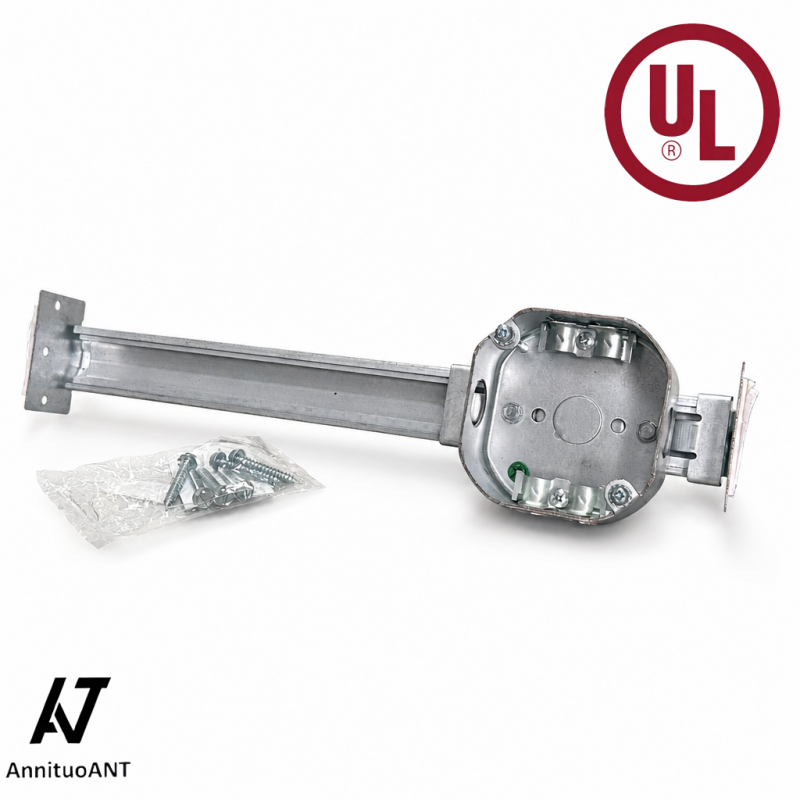
When installing, pay attention to the mounting options. Some J boxes come with pre-drilled holes for easy installation, while others may require additional hardware. Understanding these options can streamline the installation process and reduce labor costs.
It’s also advisable to conduct a quality check on the J boxes upon delivery. Inspect for any physical damage and verify that the boxes meet the specified requirements. If possible, test a sample box to ensure it meets your operational needs before proceeding with a larger order. This proactive approach can prevent issues during installation and ensure compliance with safety standards.
Buyers seeking J boxes should consider a range of solutions tailored to their specific needs. For example, if you need a box that can withstand extreme temperatures or corrosive environments, discuss material options with your supplier. Manufacturers like Jiaxing ANT Electrical Co., Ltd. offer products designed for various conditions, ensuring that you can find a solution that fits your application.
Additionally, explore the possibility of custom designs. If your project has unique requirements, such as specific cutouts or mounting features, most manufacturers are equipped to provide OEM/ODM services. This customization can significantly enhance the functionality and integration of J boxes within your electrical systems.
Lastly, consider packaging and shipping options that align with your supply chain logistics. Proper packaging is crucial to prevent damage during transit, and understanding the shipping methods available can help you manage lead times effectively.
Quality should always be a primary concern when sourcing J boxes. Poor-quality products can lead to serious safety hazards, electrical failures, and costly project delays. Reliable manufacturers will have stringent quality control processes in place to ensure that their products consistently meet industry standards.
When evaluating suppliers, inquire about their quality assurance protocols. A reputable manufacturer will provide documentation of their testing procedures and certifications. Furthermore, consider the manufacturer’s reputation in the industry and seek out reviews or testimonials from previous customers.
Finally, keep in mind that while it may be tempting to choose the lowest-priced option, the long-term costs associated with poor-quality products can far outweigh the initial savings. Investing in high-quality J boxes can enhance the safety and reliability of your electrical installations, ultimately leading to better project outcomes and customer satisfaction.
In summary, whether you are a buyer, contractor, or distributor, understanding the essential factors surrounding J boxes will help you make informed decisions that align with your project needs and safety requirements.