EN
Quick Links
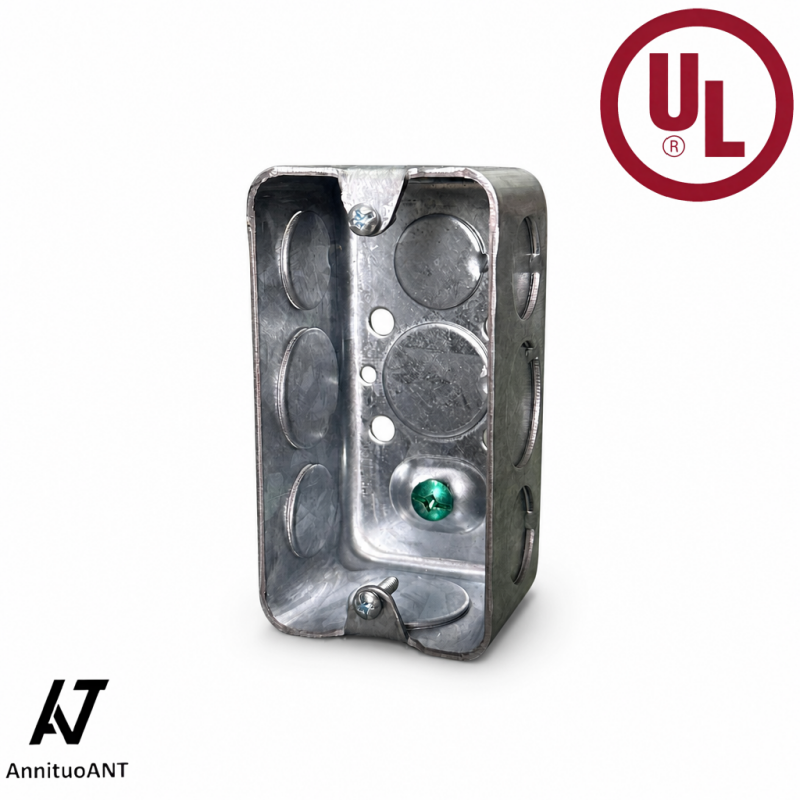
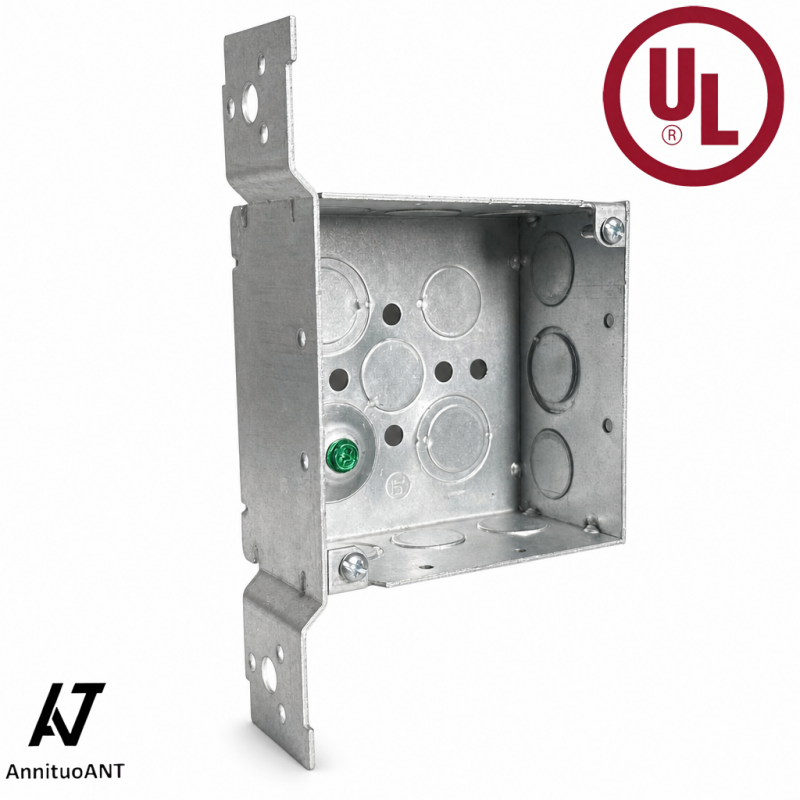
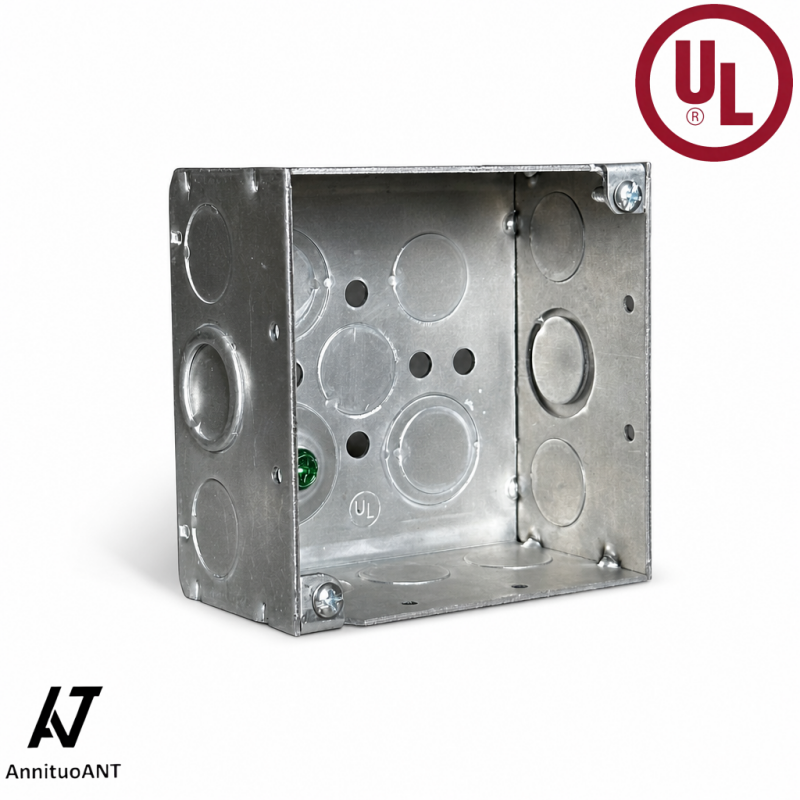
Handy boxes are essential components in electrical installations, designed to house and protect wiring connections in a range of applications. For B2B buyers, sourcing high-quality handy boxes can be a complex task, as it involves understanding product specifications, supplier reliability, and pricing factors. This article aims to guide purchasing managers, engineers, and product managers through the key considerations when selecting handy boxes, ensuring informed decisions that meet both operational needs and budget constraints.
Finding reliable suppliers for handy boxes in bulk requires a strategic approach. Start by researching manufacturers with a strong industry reputation and experience in producing electrical equipment. Companies like Jiaxing ANT Electrical Co., Ltd., with over 14 years of experience and a portfolio of more than 1,000 certified products, can serve as valuable partners. Look for suppliers that offer a one-stop shopping service, which simplifies the procurement process and ensures consistency in product quality.
Trade shows and industry exhibitions can provide firsthand interaction with potential suppliers, allowing buyers to evaluate product quality and establish relationships. Additionally, online platforms and industry-specific directories can help identify manufacturers with strong customer reviews and certifications, such as UL/cUL and ETL/cETL, which are crucial for ensuring compliance with safety standards.
When evaluating handy boxes, specific technical specifications are critical to ensure they meet your application requirements. Key specifications include:
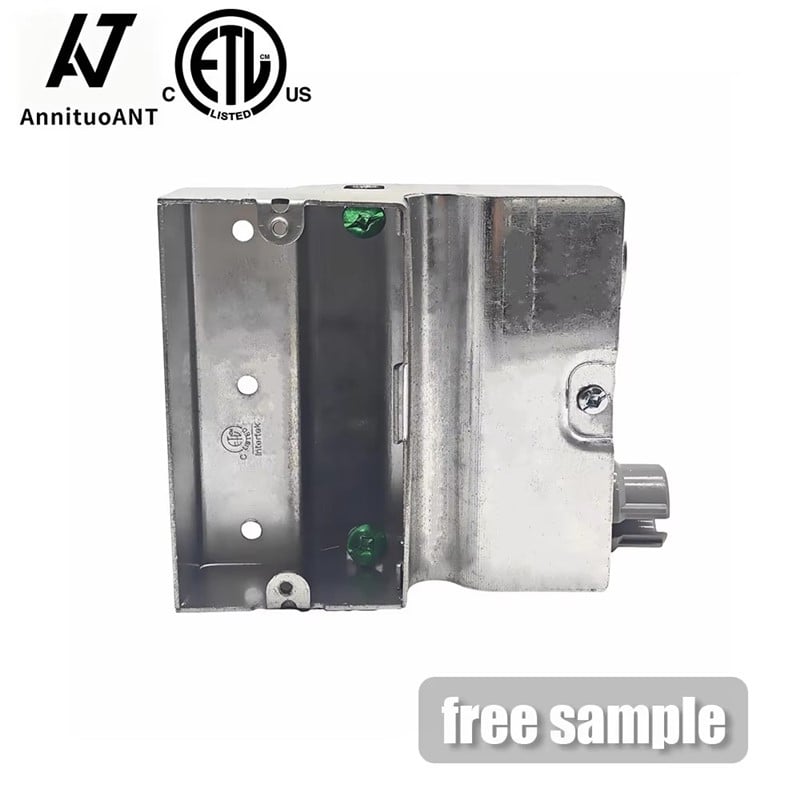
Material: Handy boxes are typically made from metallic or non-metallic materials. Metallic boxes offer better durability and grounding, whereas non-metallic options are lightweight and corrosion-resistant. The choice of material should align with the environment where the box will be installed.
Dimensions: Size matters significantly. Ensure that the dimensions of the handy box are compatible with the planned installation space and the volume of wiring it needs to accommodate. Overly large waterproof junction box can lead to wasted space, while undersized boxes may compromise electrical safety.
Load Ratings: It is essential to check the load rating of the handy box to ensure it can support the anticipated electrical load without risk of failure.
Sealing and Protection: If the boxes will be exposed to moisture or harsh conditions, look for features like gaskets or sealing mechanisms that enhance protection against environmental factors.
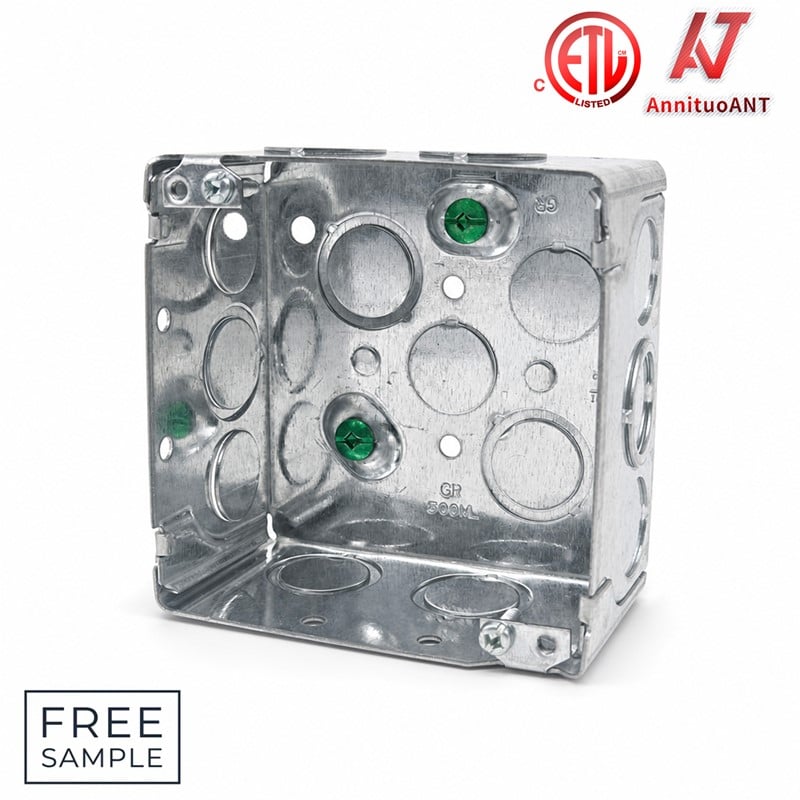
Installation Features: Consider features that facilitate easy installation, such as knockouts for conduit entry and mounting options that simplify the process.
Cost considerations are paramount when purchasing handy boxes wholesale. Various factors affect pricing, including:
Material Type: As mentioned, the choice between metallic and non-metallic materials will influence cost. Typically, metallic boxes are more expensive due to their durability and grounding capabilities.
Order Volume: Bulk purchases often come with discounts, but minimum order quantities (MOQs) set by suppliers can also impact overall costs. Be sure to inquire about MOQs and the potential for price breaks at higher quantities.
Customization: If you require tailored solutions, such as specific colors, sizes, or features, be prepared for additional costs associated with customization. Discuss your requirements with suppliers to obtain accurate quotes.
Shipping and Handling: Factor in shipping costs, which can vary significantly based on distance and order size. Consider requesting quotes for different shipping options to find the most cost-effective solution.
While handy boxes are designed to be durable, they can encounter common issues that buyers should be aware of:
Corrosion: In environments with high humidity or exposure to corrosive elements, metallic boxes may corrode over time. Choosing non-metallic options or applying protective coatings can mitigate this risk.
Cracking: Non-metallic boxes can crack under extreme temperature conditions. Select materials that are rated for the specific temperature ranges of the installation environment.
Improper Sizing: Using boxes that are too small for the wiring can lead to overheating and safety hazards. Always confirm dimensions before finalizing orders, and consider using a sample for testing before mass production.
Installation Errors: Misalignment during installation can lead to poor performance. Ensure that installation guidelines are clear and consider providing training for installation teams if necessary.
The selection of materials for handy boxes plays a crucial role in their durability and performance. Here are some considerations:
Metallic Materials: Steel or aluminum boxes provide robust protection and excellent grounding capabilities. They are suitable for industrial applications where durability is a must. Ensure that the metal is treated for corrosion resistance if exposure to moisture is expected.
Non-Metallic Materials: PVC and fiberglass are popular choices for non-metallic boxes. These outside electrical box materials are lightweight, resistant to corrosion, and less conductive, making them safer in certain environments. However, they may not be suitable for high-load applications.
Environmental Considerations: Assess the operating environment when selecting materials. For instance, in areas prone to chemical exposure, choose materials that can withstand corrosive substances without degrading.
Compliance and Certification: Ensure that the materials used comply with local electrical codes and standards. Certifications such as UL/cUL and ETL/cETL are indicators of quality and reliability.
By keeping these factors in mind, buyers can make informed decisions when sourcing handy pvc electrical box, ensuring they meet both performance standards and budgetary constraints. Understanding the nuances of specifications, costs, and materials will ultimately lead to a more reliable and efficient electrical installation.