 EN
Quick Links
Met conduit is a crucial component in electrical installations, offering protection and support for wiring in both residential and industrial applications. As a B2B buyer, your primary concerns may include product specifications, compliance with safety standards, and potential applications. This article aims to provide you with in-depth knowledge about met conduit, including its key specifications, trusted manufacturers, common issues and solutions, practical applications, and sourcing strategies.
When selecting met conduit, several key specifications must be considered to ensure compatibility with your project requirements.
Material: Met conduit is typically made from steel or aluminum, providing durability and resistance to impact. Steel offers superior strength, making it suitable for heavy-duty applications, while aluminum is lighter and resistant to corrosion, ideal for environments where weight is a concern.
Thickness: The wall thickness of the conduit is critical, affecting its mechanical strength and ability to withstand environmental stress. Common thicknesses range from 0.40 inches to 0.95 inches, depending on the intended application. Buyers should evaluate the conduit thickness based on the expected load and installation environment.
Length: Standard lengths for met conduits are usually 10 or 20 feet. Depending on your project, you may require custom lengths, which can be arranged through manufacturers that offer OEM/ODM solutions.
Certification: Ensure the met conduit is certified by recognized standards such as UL/cUL and ETL/cETL. These certifications confirm that the product meets safety and performance guidelines crucial for electrical installations.
These specifications directly impact the conduit’s performance and suitability for your specific project. Buyers should assess each specification based on their application needs and consult with suppliers for expert recommendations.
Identifying reliable manufacturers is essential for ensuring quality and compliance in your met conduit purchases. Look for manufacturers with:
Experience: Companies like Jiaxing ANT Electrical Co., Ltd. have over 14 years in the electrical equipment industry, providing a wealth of knowledge in product quality and performance.
Certifications: Verify that the manufacturer’s products have relevant certifications. This not only ensures safety but also provides assurance of the product’s compliance with industry standards.
Production Capacity: A manufacturer with a robust production capacity and multiple factories can typically meet large orders and ensure timely delivery, which is crucial for project timelines.
Customization Options: Suppliers that offer customization services can better cater to specific project needs, such as custom lengths or specialized fittings. For example, you might consider options like 1 Gang Adjustable Mud Rings Electrical Metal to fit unique installation requirements.
Customer Reviews and References: Assessing feedback from previous clients can provide insight into product reliability and supplier responsiveness.
By aligning with a reputable manufacturer, you can mitigate risks associated with product quality and supply chain disruptions.
While met conduit is designed for durability, there are common issues buyers may encounter:
Corrosion: In environments with high moisture or chemical exposure, steel conduits may corrode over time. To combat this, consider using aluminum conduits or applying protective coatings to steel products to enhance longevity.
Incorrect Sizing: Selecting the wrong size can lead to installation challenges and safety hazards. Ensure to verify conduit dimensions against the wiring requirements and installation space. A thorough review of technical drawings or samples before mass production can help avoid these issues.
Poor Installation: Improper installation can lead to electrical failures. It’s vital to follow manufacturer guidelines and ensure that all fittings are secured and compatible with the conduit being used. Providing installation training or detailed manuals can reduce installation errors.
Supply Chain Delays: Unexpected delays in delivery can disrupt project timelines. Establishing clear communication with suppliers regarding lead times and production schedules can help mitigate this risk.
Addressing these common issues proactively can enhance the reliability of your electrical installations and improve overall project outcomes.
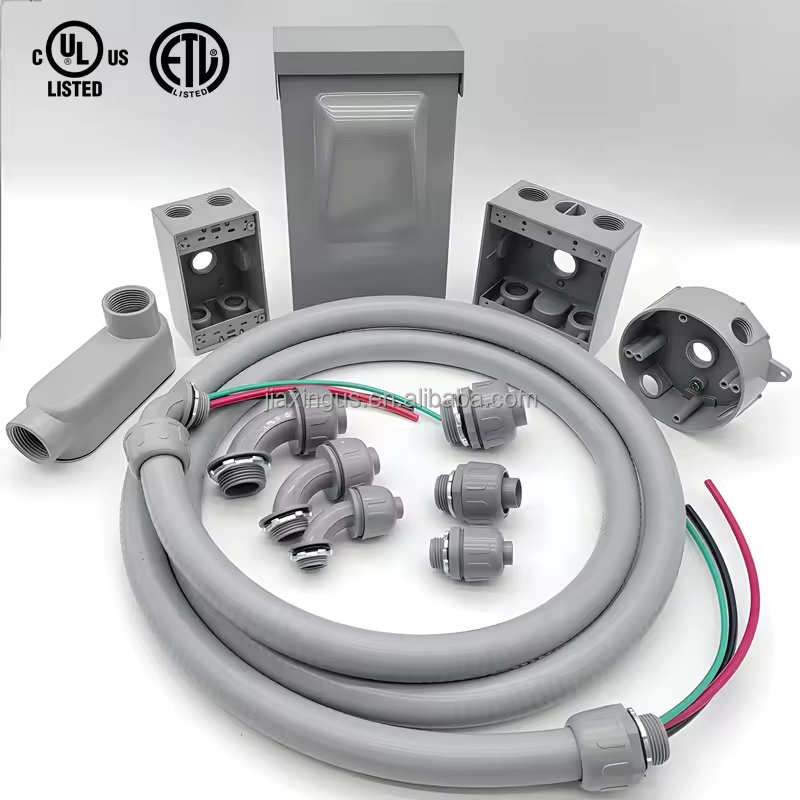
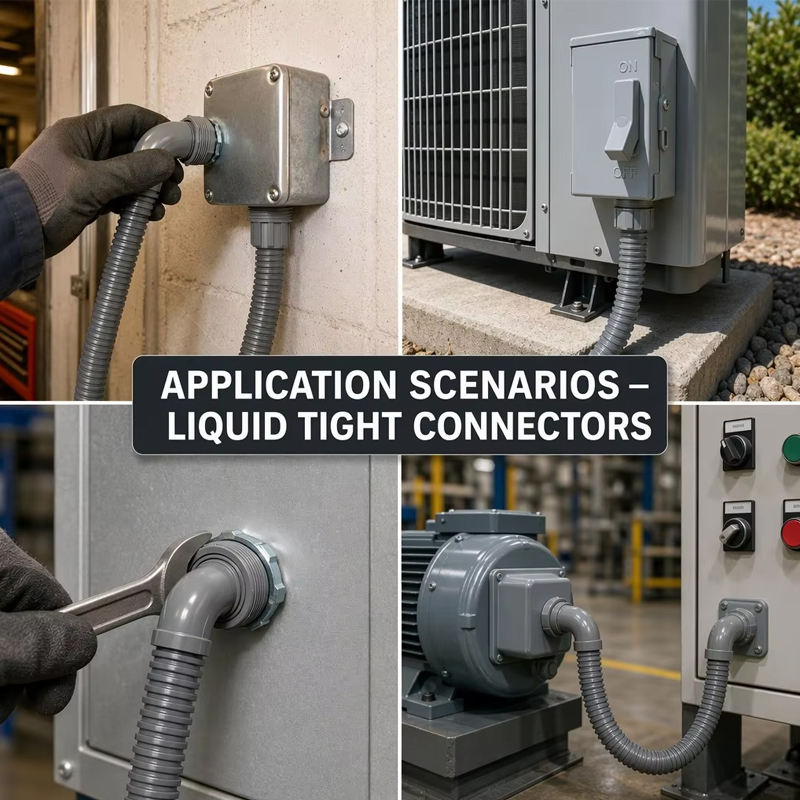
Met conduit serves a diverse range of applications in both residential and industrial settings:
Residential Electrical Systems: In homes, met conduit is often used to protect wiring in areas where additional strength and durability are needed, such as basements or garages. Its ability to withstand physical damage makes it suitable for exposed installations.
Commercial Installations: In commercial properties, met conduit is frequently used in walls and ceilings to house wiring for lighting, heating, and power distribution. Its rigidity ensures that cables remain secured and organized, reducing the risk of damage.
Industrial Environments: In factories and manufacturing plants, met conduit protects wiring from harsh conditions, including exposure to chemicals, moisture, and physical impacts. Its robust construction is essential for maintaining safe and functional electrical systems in these environments.
Outdoor Applications: For outdoor applications, met conduit is often preferred due to its ability to withstand environmental stressors. Proper sealing and installation techniques must be used to prevent moisture ingress. Consider using products like US Canadian Standards Metal Junction Box to enhance outdoor electrical safety.
By understanding these applications, buyers can make informed decisions based on the specific needs of their projects.
Sourcing high-quality met conduit requires careful planning and consideration:
Industry Trade Shows and Exhibitions: Attending industry events can provide direct access to manufacturers and suppliers. This allows for discussions about product specifications, customization options, and potential partnerships.
Online Marketplaces and Directories: Utilizing online B2B marketplaces can help you discover various manufacturers. Look for platforms that allow you to view product specifications, certifications, and reviews to assess credibility.
Supplier Audits: Before placing large orders, conducting audits of potential suppliers can verify their manufacturing capabilities and quality control processes. This step is crucial to ensure that the supplier adheres to industry standards.
Request for Quotes (RFQ): When preparing to source met conduit, provide detailed RFQs that include specifications, quantities, and delivery requirements. This ensures that suppliers can offer accurate pricing and lead times.
By taking these steps, you can ensure that you source met conduit that meets your quality standards and project requirements.
Making informed decisions about met conduit will enhance your electrical installations, ensuring both safety and functionality.