EN
Quick Links
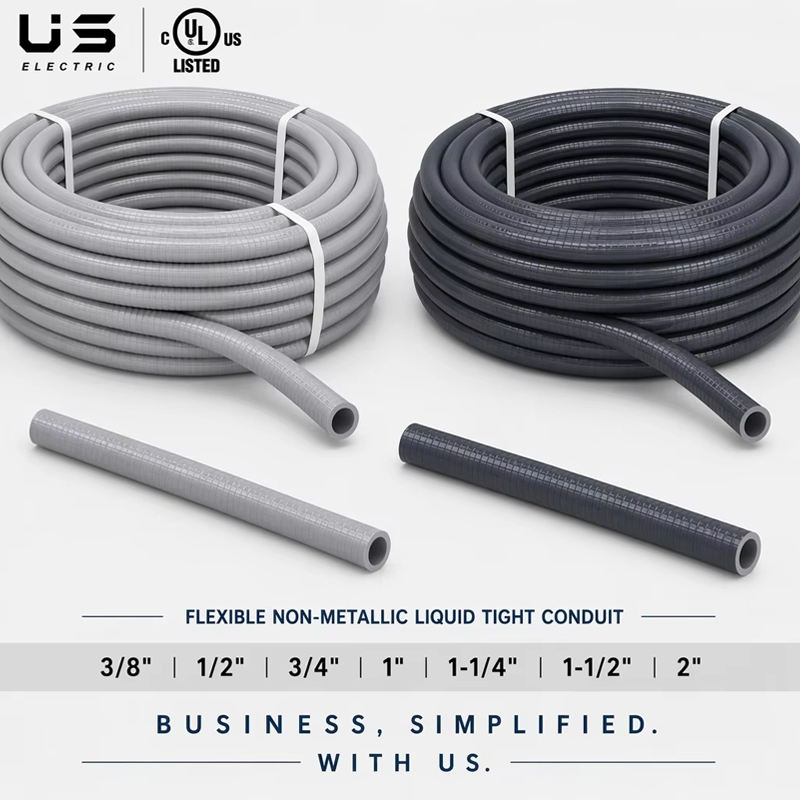
Liquid tight flexible conduit is an essential component in electrical installations, providing protection and flexibility for wiring in various environments. With growing concerns about durability, moisture resistance, and installation ease, buyers must understand the key specifications and options available in the market. This article aims to provide practical insights into liquid tight flexible conduit, addressing common problems, cost factors, and applications across industries to aid purchasing decisions.
When selecting liquid tight flexible conduit, several key specifications need to be evaluated to ensure optimal performance in your specific application. These include:
Material Composition: Liquid tight flexible conduits are typically made from materials like PVC, rubber, or metal. PVC conduits are lightweight and resistant to corrosion, making them suitable for outdoor applications. In contrast, metal conduits offer superior durability and protection against physical damage. For instance, the 1 Gang Adjustable Mud Rings Electrical Metal are a great example of how material choice impacts performance.
Diameter and Length: The conduit diameter should match the wiring size to prevent damage and ensure compliance with electrical codes. Length is also crucial; longer sections may require additional support to maintain stability and prevent sagging.
Flexibility and Bend Radius: The flexibility of the conduit is vital for installations that require tight bends or routing through complex spaces. Buyers should confirm the minimum bend radius to avoid kinking, which can compromise the conduit’s integrity.
Sealing and Protection Ratings: Look for conduits with IP (Ingress Protection) ratings that indicate their resistance to water and dust ingress. A higher IP rating ensures better protection in harsh environments, such as those found in manufacturing or outdoor settings.
Certification Standards: Ensure that the conduit meets relevant certification standards, such as UL/cUL and ETL/cETL, which confirm that the product has passed rigorous safety and performance testing.
By taking these specifications into account, buyers can ensure that their selected liquid tight flexible conduit will perform effectively in their intended applications.
While liquid tight flexible conduit is designed for durability, several common issues may arise during installation or usage. Understanding these problems can help buyers mitigate risks:
Kinking: Kinking occurs when the conduit is bent beyond its minimum bend radius. This can lead to compromised wire protection and difficulty in pulling cables through the conduit. To avoid kinking, always adhere to the specified bend radius and use proper installation techniques.
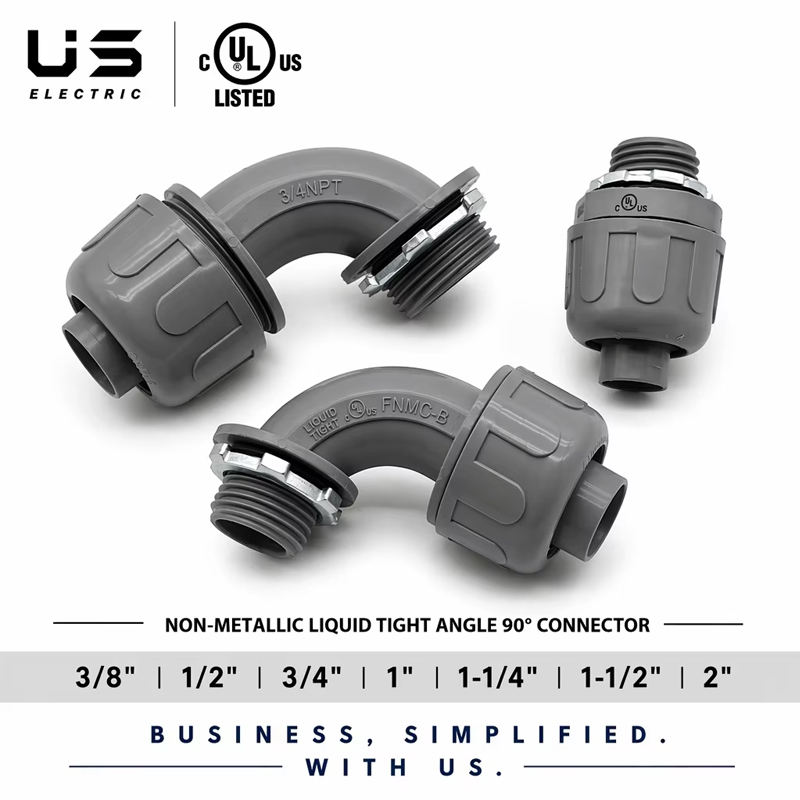
Moisture Ingress: If not properly sealed or installed, moisture can penetrate the conduit, leading to corrosion of electrical components. Ensuring that all connections are watertight and using conduits with high IP ratings can help prevent this issue.
Physical Damage: Flexible conduits can be susceptible to physical damage from impact or abrasion, especially in industrial settings. To combat this, consider using armored conduits or adding additional protective measures during installation in high-risk areas, such as the US Canadian Standards Metal Junction Box.
Chemical Exposure: Certain environments expose conduits to chemicals that can degrade materials over time. Buyers should select conduits made from chemical-resistant materials based on the specific substances they will encounter in their application.
By proactively addressing these common problems, buyers can enhance the longevity and reliability of their liquid tight flexible conduit installations.
When comparing liquid tight flexible conduit options, it's essential to consider several factors to find the best fit for your application:
Material Types: As mentioned earlier, PVC is lightweight and corrosion-resistant, while metal conduits offer enhanced strength. Assess the environmental conditions of your installation to determine which material will provide the necessary protection.
Cost Variations: Prices can vary significantly based on material, diameter, and length. Buyers should evaluate the total cost of ownership, including installation and maintenance, rather than just the upfront price.
Customization Options: Depending on the application, some manufacturers offer customized conduit solutions, including specific lengths, colors, or additional features. This customization can improve installation efficiency and fit specific project requirements.
Supplier Reliability: Choose a supplier with a proven track record and certifications. A reliable supplier, such as Jiaxing ANT Electrical Co., Ltd., ensures that the products meet quality standards and are backed by customer support.
By considering these comparison factors, buyers can make informed decisions that align with their project goals and budget.
Several cost factors influence the overall pricing of liquid tight flexible conduit, which buyers should be aware of:
Material Costs: The type of material used significantly affects the price. For example, metal conduits tend to be more expensive than PVC due to their durability and strength.
Production Volume: Larger orders often qualify for bulk pricing discounts. Understanding the minimum order quantities (MOQ) and potential savings for larger purchases can optimize procurement costs.
Customization Fees: If customization is required, such as specific lengths or features, additional costs may apply. Buyers should confirm these costs early in the procurement process.
Shipping and Handling: Depending on the supplier’s location and the delivery destination, shipping fees can vary. Buyers should consider these costs when evaluating total project expenses.
Testing and Certification Fees: If specific certifications are required for compliance, the costs associated with testing and certification may be included in the final price. Ensure to ask suppliers about these factors during negotiations.
By being aware of these cost factors, buyers can better budget for their liquid tight flexible conduit purchases and avoid unexpected expenses.
Liquid tight flexible conduit is utilized across a wide range of industries due to its versatility and protective qualities. Here are some common applications:
Construction: In both commercial and residential construction, liquid tight flexible conduit protects wiring in areas exposed to moisture or physical damage, such as bathrooms, kitchens, and outdoor installations.
Manufacturing: The manufacturing industry often requires conduits to protect electrical systems from dust, moisture, and mechanical wear. Flexible conduits are ideal for environments with heavy machinery where movement and vibration are prevalent.
Marine: In marine applications, liquid tight flexible conduit protects wiring from saltwater corrosion and moisture. The use of high-grade materials ensures long-lasting performance in harsh conditions.
Automotive: The automotive industry utilizes flexible conduits for wiring harnesses to protect against oil, chemicals, and physical stressors. The flexibility of the conduit allows for complex routing within vehicles.
Agriculture: In agricultural settings, conduits protect electrical systems from water and dust exposure, ensuring reliable operation of equipment in challenging environments. Additionally, implementing waterproof liquid tight flexible conduit can further enhance protection.
By understanding these applications, buyers can choose the right liquid tight flexible conduit tailored to their industry's specific needs.
In summary, liquid tight flexible conduit is a critical component in various applications, and understanding its specifications, potential problems, cost factors, and industry uses can greatly aid purchasing decisions. By leveraging this knowledge, buyers can ensure effective and long-lasting electrical installations.