 EN
Quick Links
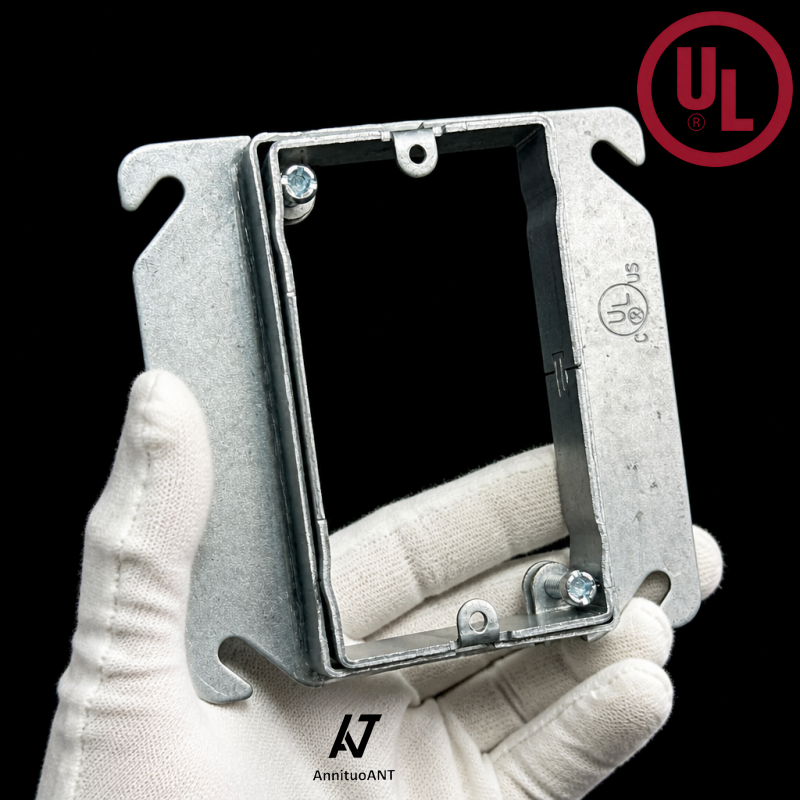
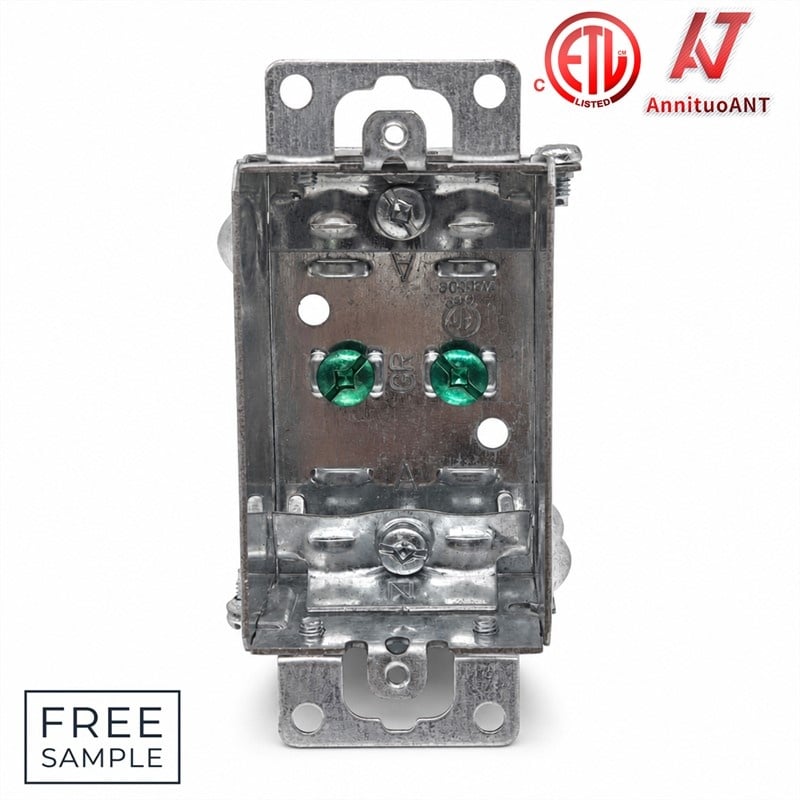
Choosing the right electrical box is crucial for the success of commercial and residential projects. The term "j box electrical" refers to junction boxes used in wiring systems to protect and connect electrical wiring. For B2B buyers, such as purchasing managers, engineers, and contractors, understanding the specifications, applications, and quality control of these products is essential for making informed decisions. This article will guide you through the key considerations for selecting j box electrical products, ensuring the right fit for your project needs.
Selecting the appropriate j box electrical product begins with understanding the specific requirements of your project. Consider the following factors:
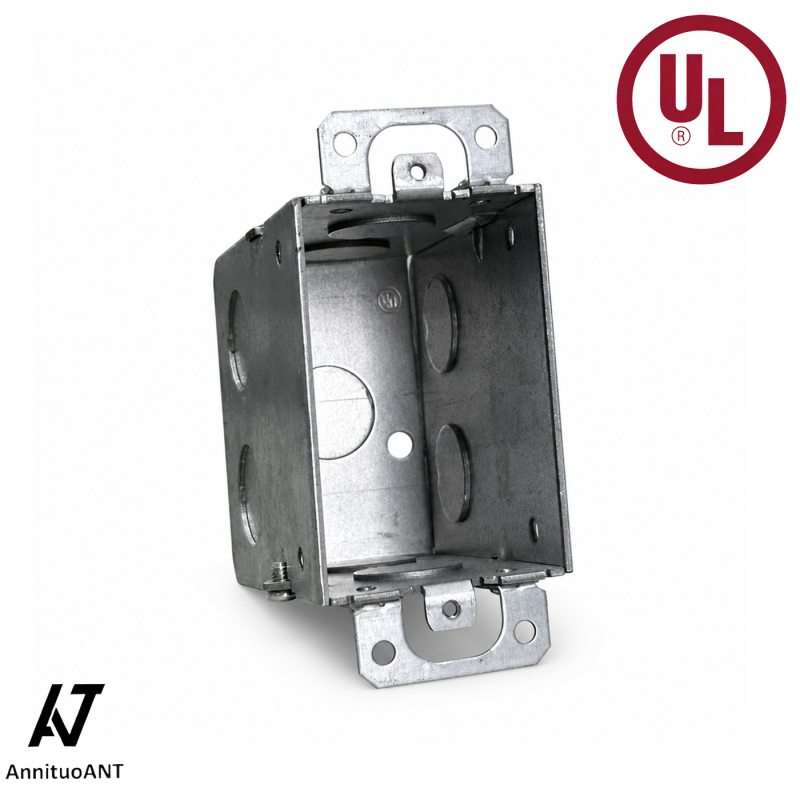
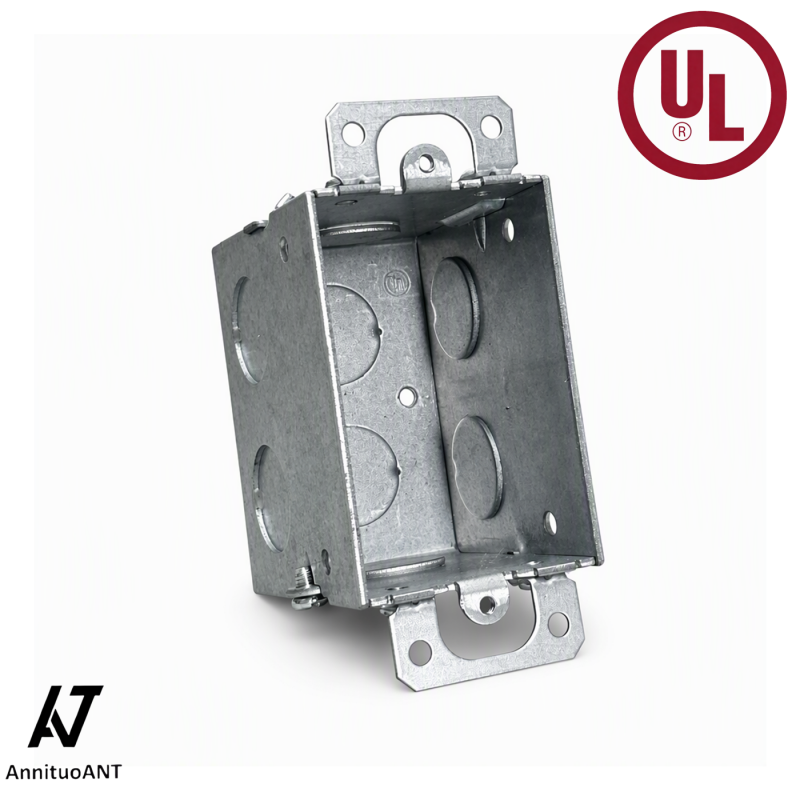
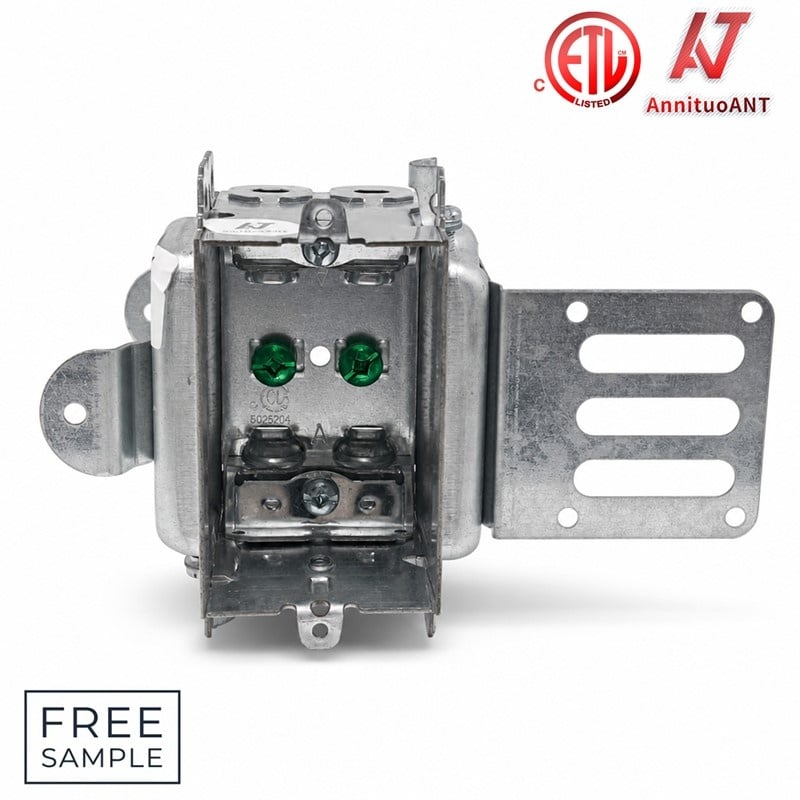
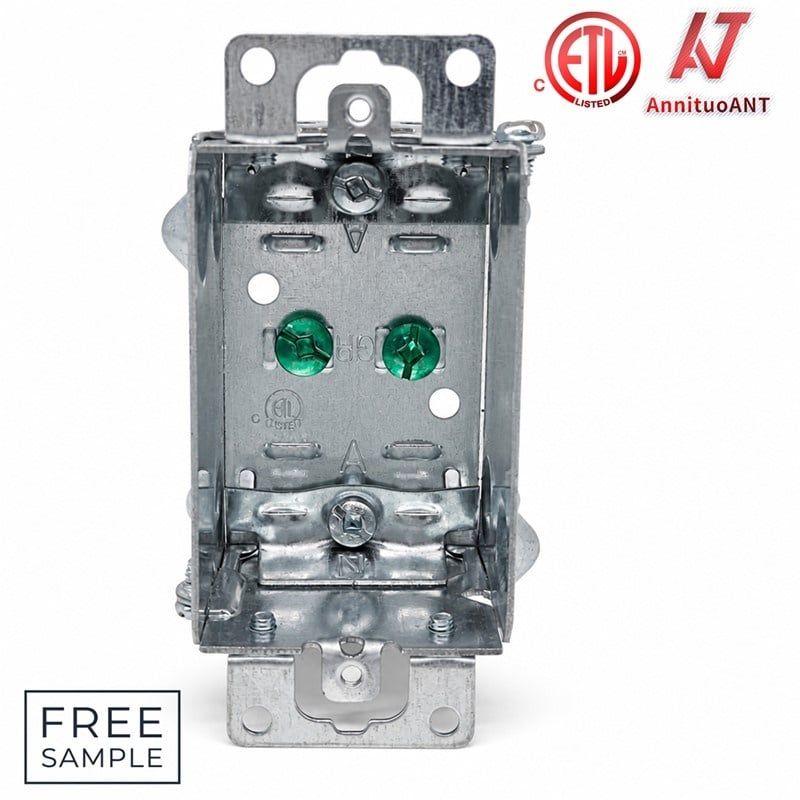
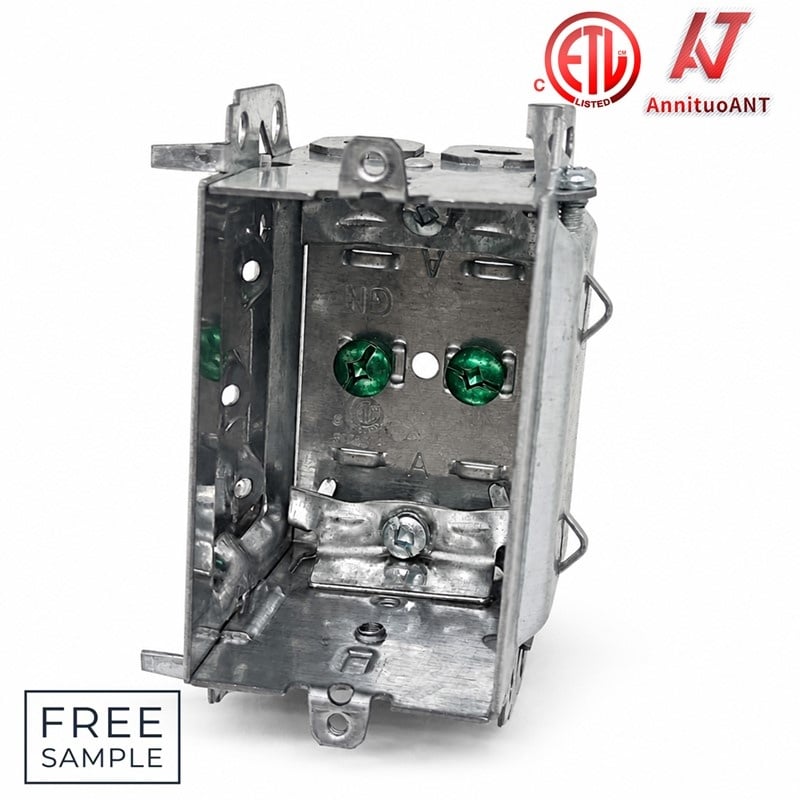
Application Type: Different projects may require metallic or non-metallic electrical boxes. Metallic boxes are often used in commercial settings for their durability and grounding capabilities, while non-metallic options are lighter and easier to install in residential applications. For more information on non-metallic options, check out our Non-Metallic section.
Size and Capacity: The dimensions of the electrical box must accommodate the number of wires and devices that will be housed within. Overcrowding can lead to overheating and potential safety hazards, so ensure the box's volume matches the project's wiring needs.
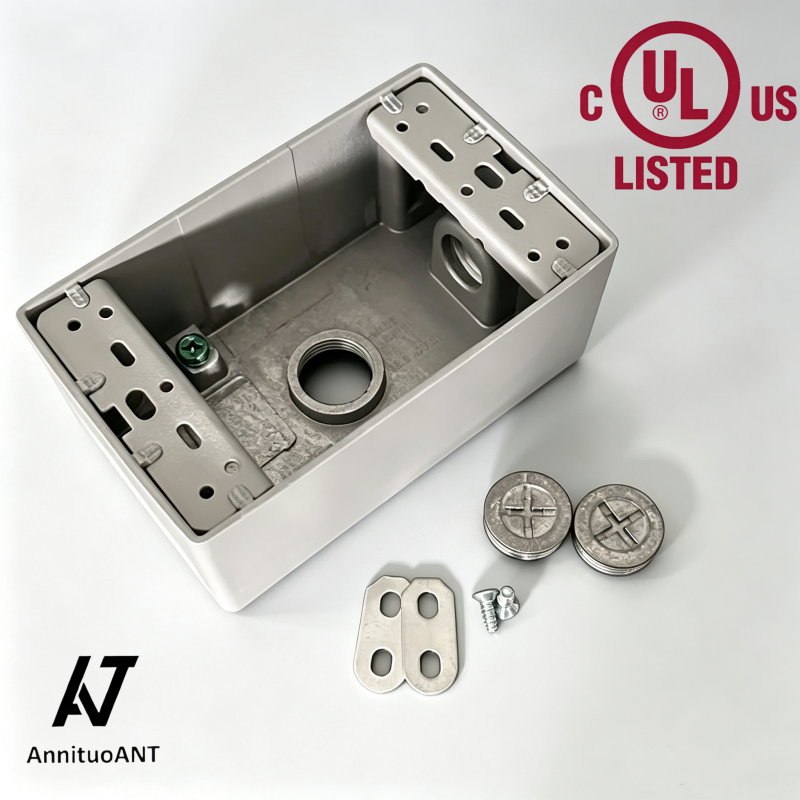
Environmental Considerations: Assess the installation environment. For instance, outdoor installations may require weatherproof boxes to prevent moisture ingress, while indoor applications may focus more on aesthetics and ease of installation.
Compliance and Certification: Verify that the j box electrical products meet relevant industry standards, such as UL/cUL or ETL/cETL certifications. These certifications ensure the products have undergone rigorous testing for safety and performance.
Understanding these factors can guide you in selecting the right product that meets both safety and functional requirements.
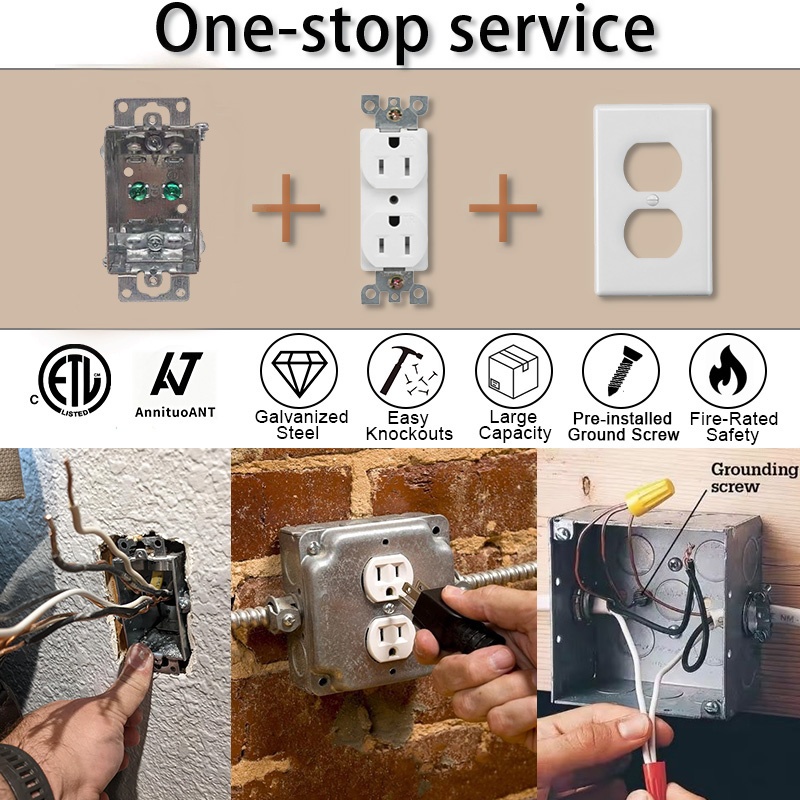
When evaluating j box electrical products, specific technical specifications should be closely examined:
Material Composition: The choice between metallic and non-metallic materials affects durability, weight, and price. Metallic boxes typically offer superior strength and grounding, making them suitable for high-load applications. In contrast, non-metallic boxes may be preferable for low-voltage or indoor installations.
Thickness and Impact Resistance: The thickness of the box material influences its strength and durability. Ensure that the product can withstand mechanical impacts and environmental stresses that may occur during installation and usage.
Sealing and Protection: For outdoor or harsh environments, the ability to seal against moisture and dust is essential. Check if the box has gaskets or seals that conform to IP (Ingress Protection) ratings, indicating its suitability for specific conditions.
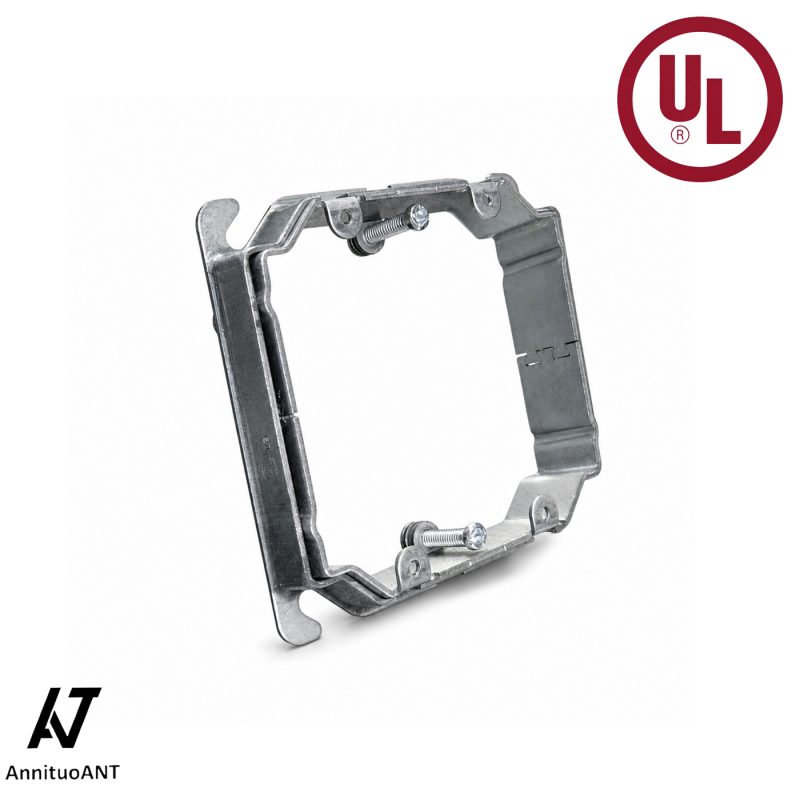
Mounting Options: Consider how the box will be mounted. Products with multiple mounting options (e.g., surface mount, flush mount) offer greater flexibility for installation in various environments. Additionally, you may find useful Brackets that assist with mounting.
By thoroughly evaluating these specifications, buyers can ensure that the selected electrical box will perform effectively in its intended application.
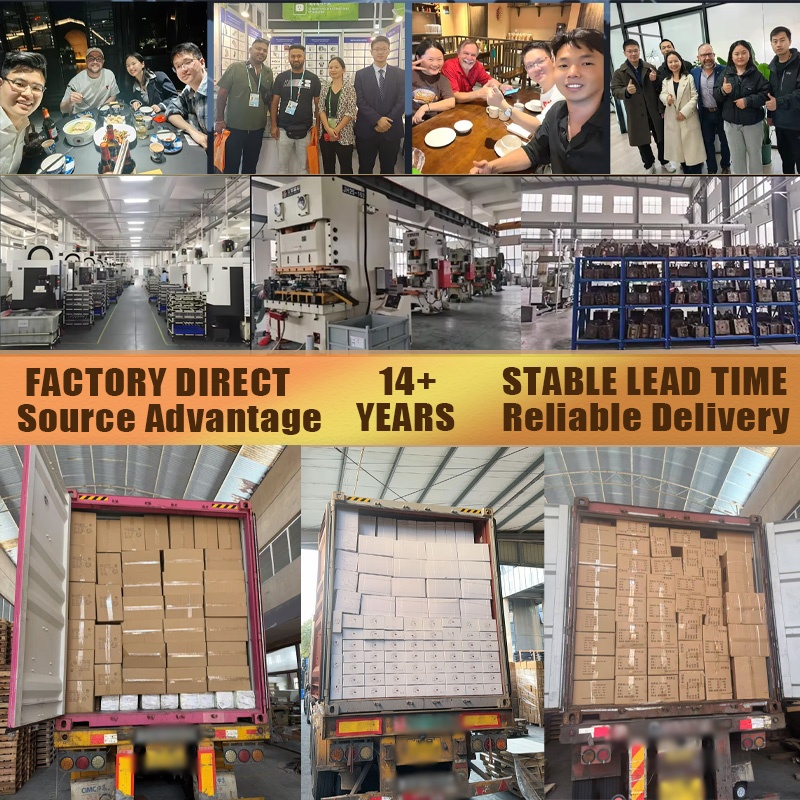
Despite their importance, electrical boxes can present several challenges. Here are some common issues and practical solutions:
Overheating: An overloaded electrical box can become a fire hazard. To prevent this, ensure that the box's capacity aligns with the electrical load, and avoid exceeding the manufacturer’s rated limits.
Moisture Ingress: Water damage can compromise electrical connections. To mitigate this, always use weatherproof boxes in outdoor settings and ensure proper sealing during installation.
Incorrect Size: Using a box that is too small can lead to overcrowding and potential code violations. Always calculate the necessary volume based on the number of conductors and devices, and opt for a larger box if in doubt.
Poor Grounding: Inadequate grounding can lead to electrical faults. Ensure that metallic boxes are properly grounded according to local electrical codes and standards.
Addressing these common problems proactively can enhance the safety and reliability of electrical installations.
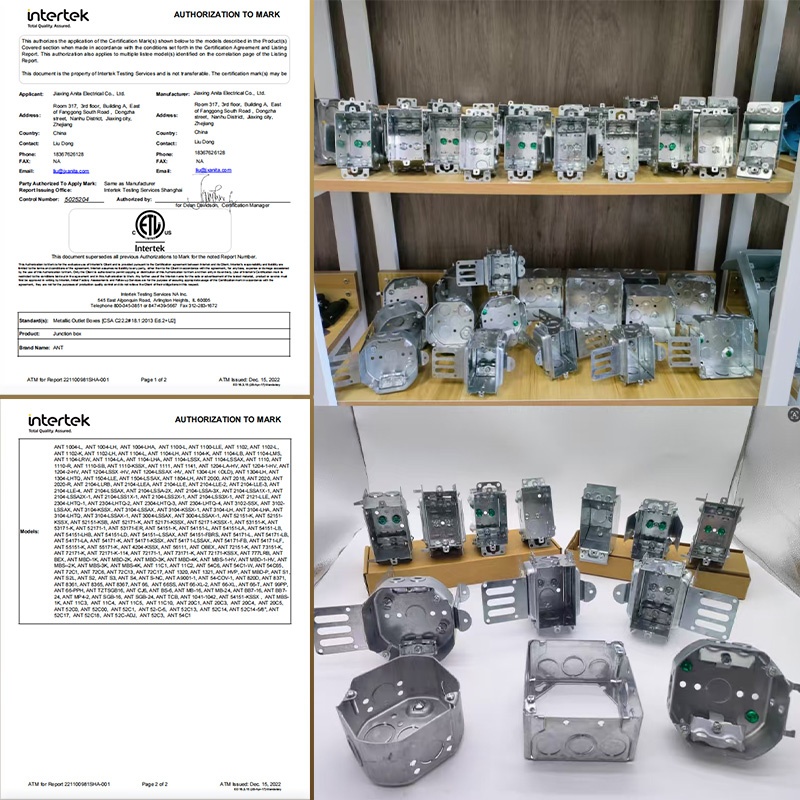
Quality control is a critical aspect of manufacturing j box electrical products. Here is how it typically works:
Material Inspection: Before production begins, raw materials are tested for compliance with industry standards. This step ensures that only high-quality materials are used, which is essential for durability and safety.
Manufacturing Process Monitoring: Throughout the production process, various checks are conducted to ensure that specifications are met. This includes monitoring dimensions, checking for defects in the material, and ensuring that assembly methods conform to established guidelines.
Final Product Testing: Finished products undergo rigorous testing to verify that they meet safety and performance standards. This may involve stress tests, insulation resistance tests, and verification of compliance with certifications such as UL or ETL.
Feedback Loop: Manufacturers often implement a feedback system where issues identified in the field can be reported back to the production team. This helps in continuously improving manufacturing processes and product designs.
Understanding the importance of quality control helps buyers recognize the value of investing in well-manufactured electrical boxes.
J box electrical products have a wide range of applications in commercial projects, including:
Wiring Distribution: In commercial buildings, junction boxes are essential for distributing electrical power to various circuits, ensuring that the power supply is organized and manageable.
Lighting Systems: These boxes are often used in lighting installations, allowing multiple fixtures to be connected safely and efficiently.
Data and Communication Lines: In addition to electrical wiring, j box electrical products can house communication cables, providing a secure and reliable connection for networking equipment.
Safety Systems: Electrical boxes play a crucial role in connecting safety systems such as alarms and emergency lighting, ensuring that they function reliably during critical situations.
By understanding the diverse applications of j box electrical products, buyers can make informed decisions about their use in various project types, enhancing functionality and safety in commercial environments.