EN
Quick Links
Terminal boxes are essential components in electrical systems, serving to protect and organize wiring connections. For professionals in manufacturing, construction, or electrical engineering, selecting the right terminal box is crucial for ensuring safety, efficiency, and compliance with industry standards. This article about Anita junction box outside addresses key considerations for choosing terminal boxes, including specifications, supplier reliability, and common installation challenges. By understanding these aspects, purchasing managers and engineers can make informed decisions that align with their project needs.
When selecting a terminal box, the first step is to assess the specific requirements of your project. Consider the following factors:
Application Environment: Identify whether the terminal box will be used indoors or outdoors, as this dictates the necessary protection against moisture, dust, and temperature fluctuations. For outdoor applications, a weatherproof Anita waterproof junction box with appropriate sealing features is essential.
Size and Capacity: The dimensions of the terminal box must accommodate the number of connections required, along with any additional components like relays or circuit breakers. It's important to ensure that there is sufficient space for easy wiring and maintenance.
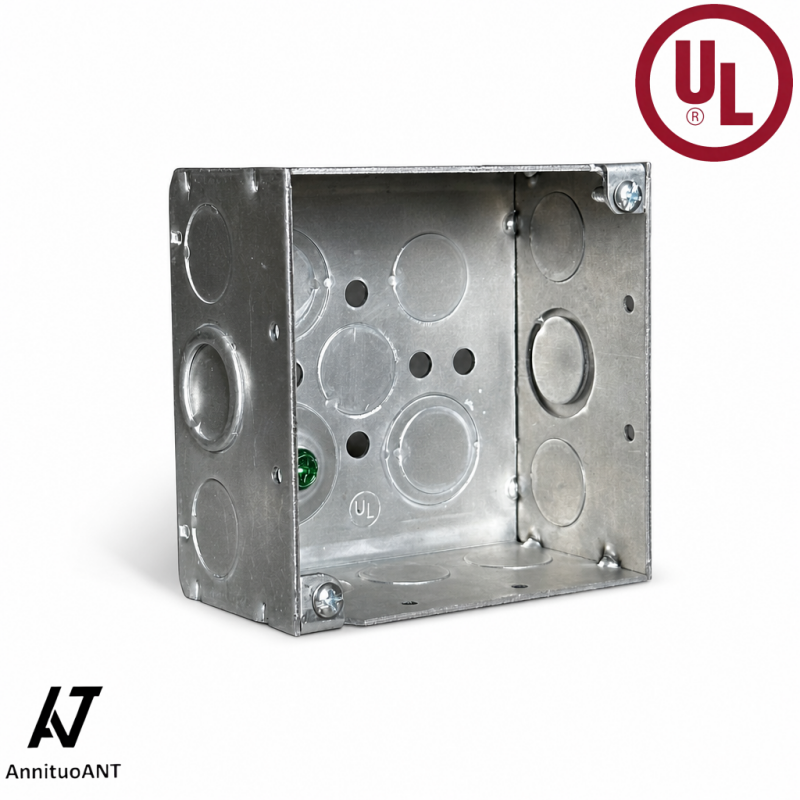
Material Selection: Terminal boxes come in various materials, such as metallic and non-metallic options. Anita outdoor outlet box typically offer better durability and grounding capabilities, while non-metallic boxes are lighter and resistant to corrosion.
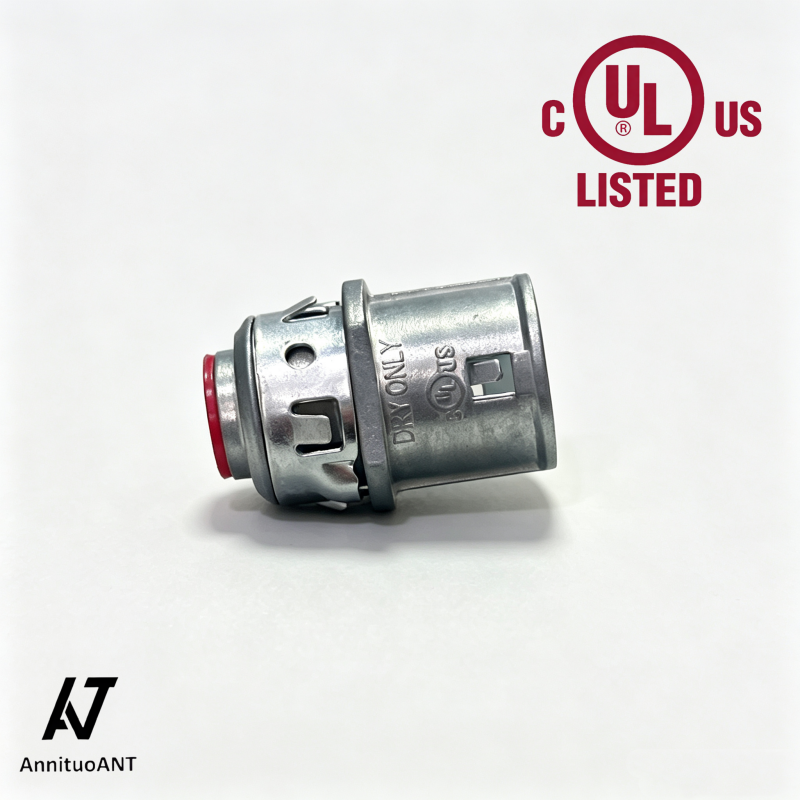
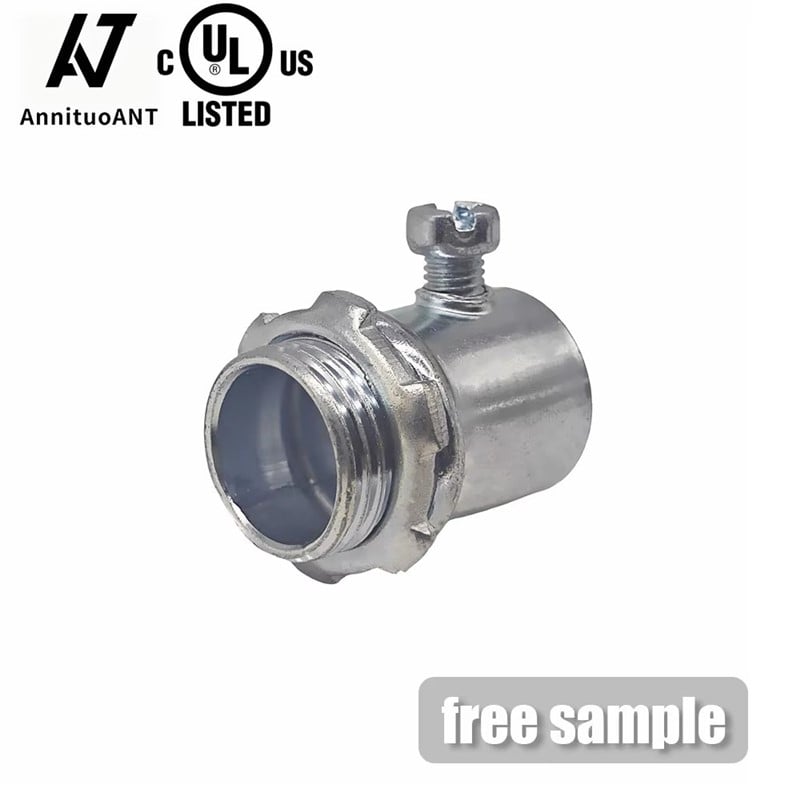
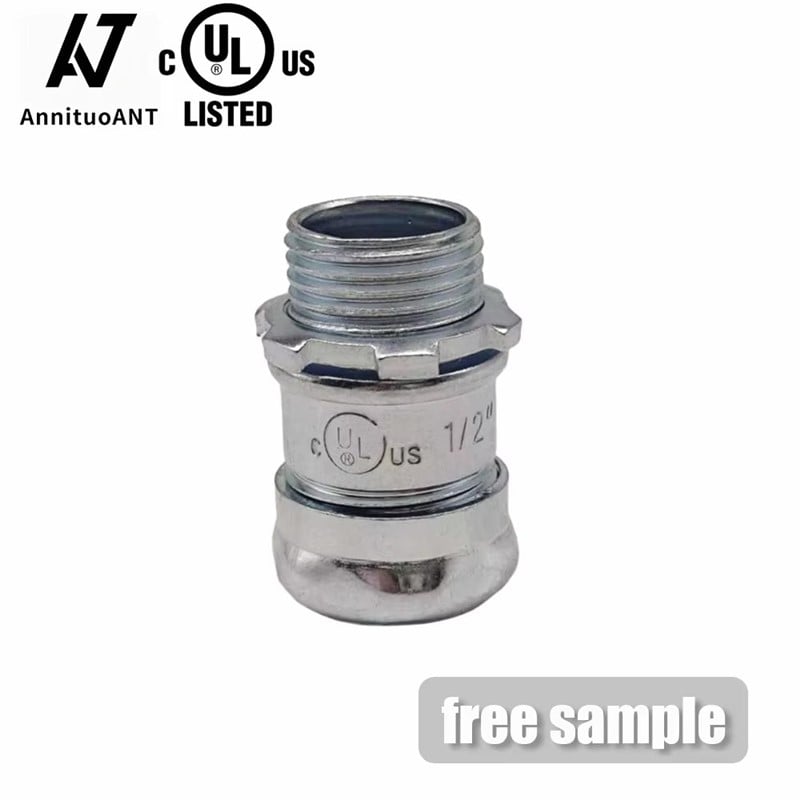
Compliance Standards: Ensure the chosen terminal box meets relevant industry standards, such as UL/cUL and ETL/cETL certifications, which indicate compliance with safety regulations.
When sourcing terminal boxes, several specifications are critical to ensure that they meet project requirements:
Ingress Protection (IP) Rating: This rating indicates the level of protection against dust and moisture. For example, an IP65 rating means the box is dust-tight and protected against water jets, making it suitable for outdoor use.
Material Thickness: The thickness of the box walls impacts durability and resistance to impact. Thicker materials generally provide better protection, especially in environments with potential mechanical stress.
Temperature Rating: Different materials can withstand varying temperature ranges. Ensure that the terminal box material is suitable for the expected operating conditions.
Mounting Options: Check for the compatibility of the mounting style with your installation method. Some terminal boxes are designed for surface mounting, while others may be suitable for flush installation.
Cable Entry Points: The number and size of cable entry points should align with your wiring requirements. Ensure that there is flexibility in cable entry to accommodate future expansions or modifications.
Finding a reliable supplier for terminal boxes is vital for maintaining quality and compliance. Here are some strategies:
Industry Directories: Utilize industrial directories and B2B marketplaces to find reputable manufacturers. Look for companies with a solid track record and positive customer reviews.
Trade Shows and Expos: Attend industry trade shows to meet suppliers in person. This allows for direct discussions about product specifications and customization options.
Certifications and Compliance: Verify that potential suppliers hold relevant certifications, such as UL/cUL or ETL/cETL, and inquire about their quality control processes to ensure consistent product quality.
OEM/ODM Capabilities: If you require custom solutions, seek suppliers that offer Original Equipment Manufacturer (OEM) and Original Design Manufacturer (ODM) services. This will give you the flexibility to tailor products to your specific needs.
While installing terminal boxes, several common problems may arise. Here are some potential issues and their solutions:
Inadequate Space: Insufficient space within the terminal box can lead to overcrowding and improper connections. To avoid this, carefully plan your wiring layout and choose a box with ample internal space.
Incorrect Sealing: Failure to properly seal the terminal box can lead to moisture ingress, causing corrosion or electrical faults. Always use appropriate gaskets and ensure that all entry points are tightly closed during installation.
Misalignment of Cable Entries: Misalignment can occur when the terminal box does not match the cable entry points. Ensure that the cable entry points are correctly positioned according to your installation plans to avoid strain on the cables.
Overheating: If the terminal box is located in an area with poor ventilation, heat may build up, potentially causing damage. Position the box in a well-ventilated area or select a model designed for heat dissipation.
The material of a terminal box significantly influences its performance and suitability for various applications. Here’s a breakdown of the advantages of different terminal box materials:
Metallic Terminal Boxes:
Durability: Metallic boxes, often made from steel or aluminum, offer high resistance to impacts and environmental factors.
Grounding: They provide excellent grounding capabilities, which is crucial for safety in electrical installations.
Heat Resistance: Metallic materials can withstand higher temperatures, making them suitable for industrial environments.
Non-Metallic Terminal Boxes:
Corrosion Resistance: Non-metallic materials, such as PVC or fiberglass, are resistant to corrosion and are ideal for use in humid or chemical-rich environments.
Lightweight: These boxes are generally lighter, making them easier to handle and install.
Electrical Insulation: Non-metallic boxes provide better electrical insulation, reducing the risk of short-circuits.
When selecting the appropriate terminal box material, consider factors such as the operating environment, potential exposure to chemicals, and the specific electrical requirements of your project.