 EN
Quick Links
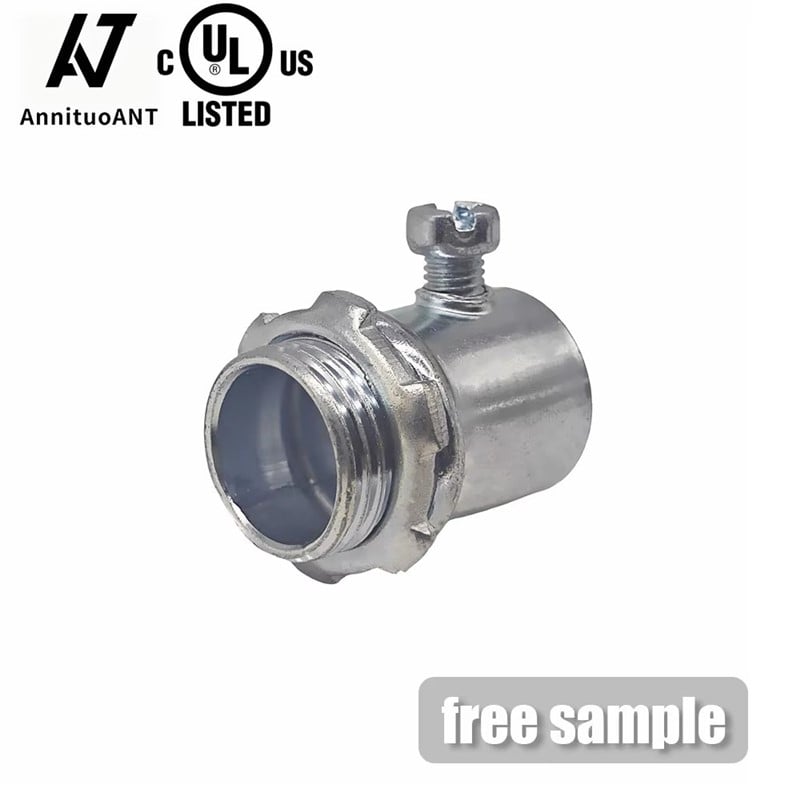
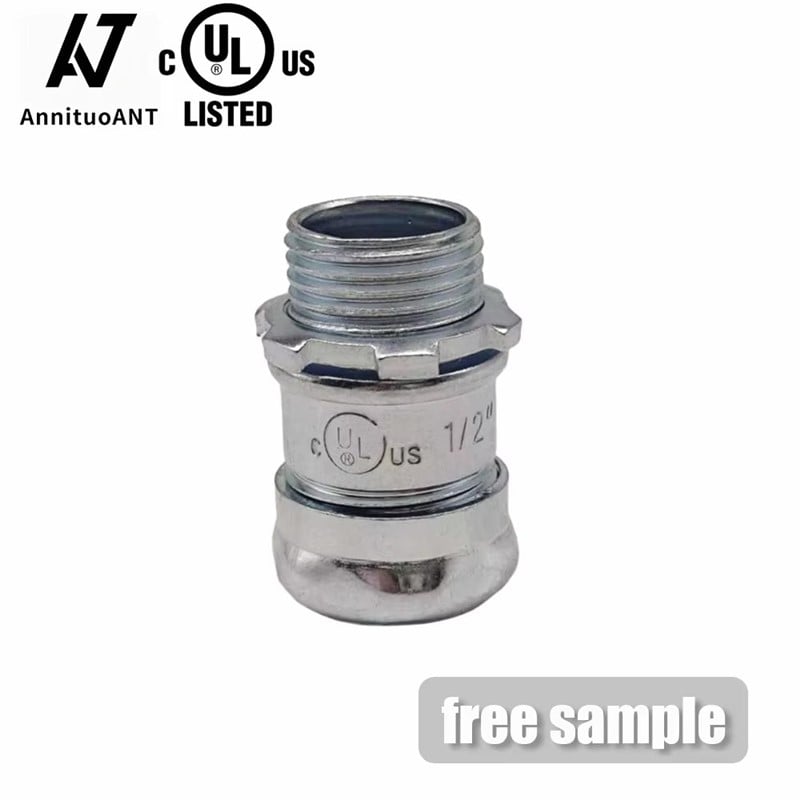
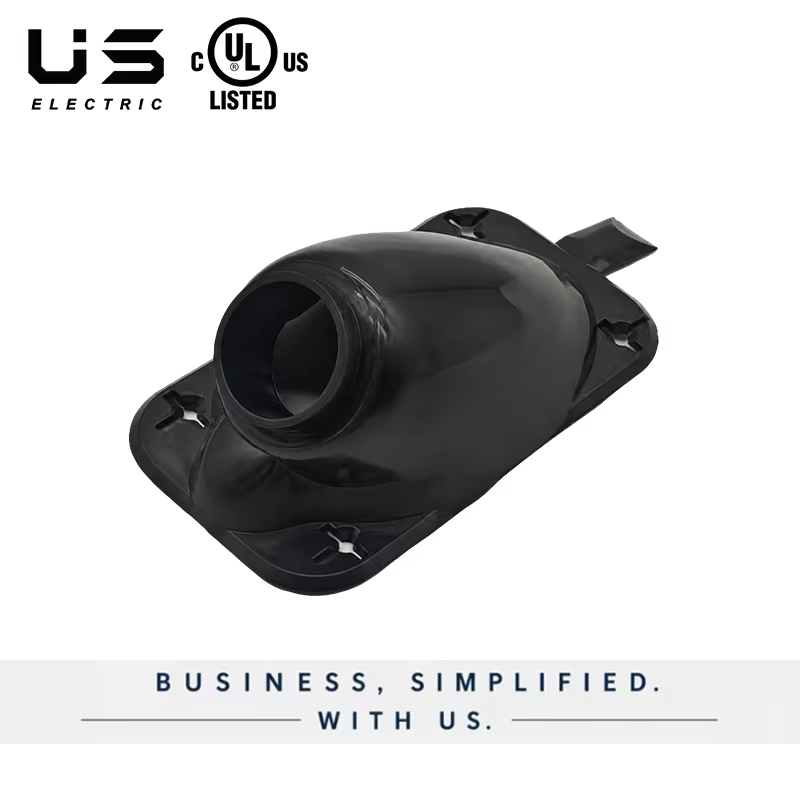
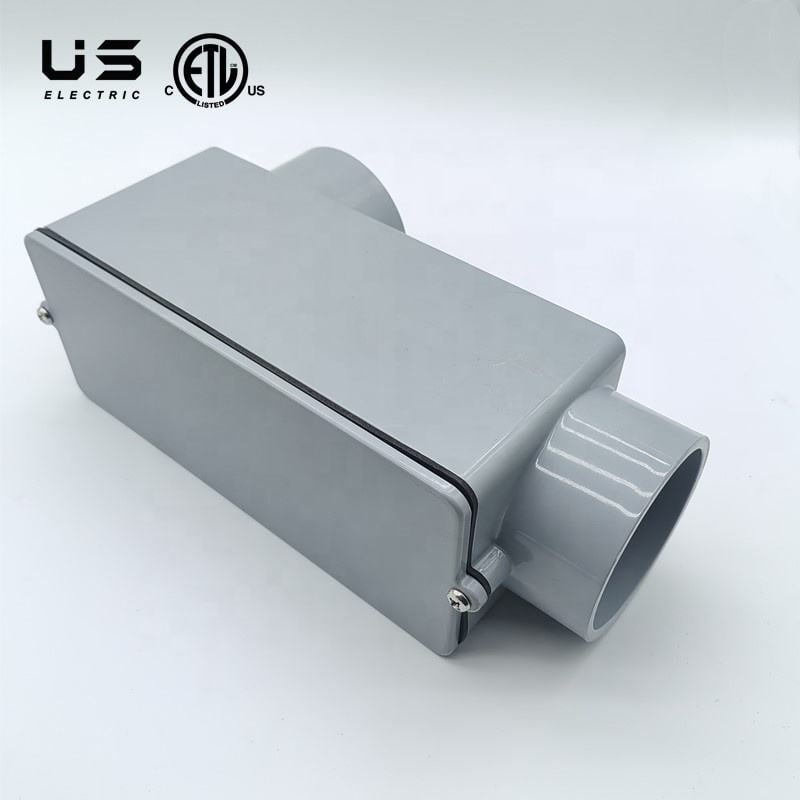
3-way pipe fittings are integral components in various piping systems, designed to connect three different sections of pipe. These conduit pipe fittings are essential for directing fluid flow in multiple directions, making them crucial in construction and industrial applications. B2B buyers often prioritize factors such as compatibility, material quality, and certification when sourcing these components. This article will help you understand the benefits, specifications, and common issues associated with 3-way pipe fittings, providing practical guidance to facilitate your purchasing decisions.
3-way pipe fittings offer significant advantages in both commercial and residential construction. Their primary function is to redirect the flow of liquids or gases, enabling efficient routing within a piping system. This capability is vital in applications such as HVAC systems, plumbing, and industrial processes where multiple pathways are often required.
One major benefit is their ability to simplify piping layouts, reducing the need for additional fittings and connections, which can lower overall installation costs. Additionally, these pvc conduit pipe fittings enhance system flexibility by allowing for easy modifications or expansions in the future. When used in conjunction with quality materials and robust manufacturing processes, Anita 3-way pipe fittings can ensure reliable performance, minimizing the risk of leaks or failures that could disrupt operations.
When sourcing 3-way pipe fittings, several specifications should be taken into account to ensure compatibility with your systems. Key factors include:
Material: Common materials include PVC, CPVC, and various metals like stainless steel and brass. The choice of material affects durability, resistance to corrosion, and suitability for specific applications, such as high-pressure or chemical exposure environments.
Dimensions: Accurate dimensions are crucial for proper fit and function. Specifications such as diameter, length, and wall thickness should align with the existing piping systems to prevent leakage or flow restrictions.
Pressure Rating: Each fitting has a maximum pressure rating that should be verified to ensure it meets the demands of the application. Using fittings that cannot withstand the required pressure can lead to catastrophic failures.
Certifications: Look for fittings that are certified by recognized standards such as UL, cUL, or ETL. These certifications indicate that the products have undergone rigorous testing for quality and safety, providing additional assurance to buyers.
Connection Types: Ensure that the connection types of the fittings (e. g., threaded, socket weld, or flanged) are compatible with the existing piping components.
Understanding these specifications will enable you to make informed decisions that align with your project requirements and ensure long-term reliability.
Identifying trustworthy suppliers is key to securing high-quality 3-way pipe fittings. Start by evaluating manufacturers with a proven track record in the electrical equipment sector, as experience often correlates with product quality. Look for companies that provide clear information about their manufacturing processes, material sourcing, and quality control measures.
Additionally, consider suppliers that offer OEM/ODM solutions, as they can provide tailored fittings that meet specific project needs. Engage with suppliers who have robust customer service and support systems, as this can facilitate smoother communication and troubleshooting during the ordering process.
Finally, request product samples to assess quality firsthand before committing to larger orders. A reputable supplier will be open to providing samples and will have a transparent approach to pricing, lead times, and minimum order quantities (MOQs).
For contractors sourcing Anita 3-way pipe fittings, a thorough understanding of product requirements is essential. When preparing for an RFQ (Request for Quotation), ensure that you provide comprehensive details, including:
Project specifications: Clearly outline the application, including fluid type, pressure requirements, and environmental conditions.
Required dimensions: Specify the necessary dimensions to ensure compatibility with existing systems.
Material preferences: Indicate any preferred materials based on project needs or industry standards.
Quantity: Provide an estimated quantity to help suppliers offer accurate pricing and lead time.
Customization needs: If custom fittings are required, include any specific design or performance criteria.
Before mass production, review and approve a sample fitting to verify dimensions, fit, and overall quality. This step is vital to ensure that the final product meets expectations and reduces the risk of complications during installation.
While Anita 3-way pipe fittings are generally reliable, several common issues can arise during installation and use. Understanding these challenges can help buyers find effective solutions.
Leakage: One of the most frequent problems is leakage at the joints. This can occur due to improper installation or the use of incompatible materials. To mitigate this, ensure that fittings are installed according to manufacturer guidelines and that compatible sealing methods are used.
Corrosion: In environments exposed to harsh chemicals, certain materials may corrode over time. Selecting pvc water pipe fittings made from corrosion-resistant materials, such as stainless steel or specialized plastics, can minimize this risk.
Pressure Loss: In some cases, improper sizing can lead to pressure loss. Always ensure that the fittings selected match the pressure ratings required for your application to maintain system efficiency.
Installation Errors: Misalignment during installation can lead to significant problems later on. Using appropriate tools and techniques during the installation process is crucial. Additionally, training and experience in handling these fittings can significantly reduce installation errors.
By being aware of these common issues, buyers can take proactive measures to ensure successful installations and long-term reliability in their piping systems.