 EN
Quick Links
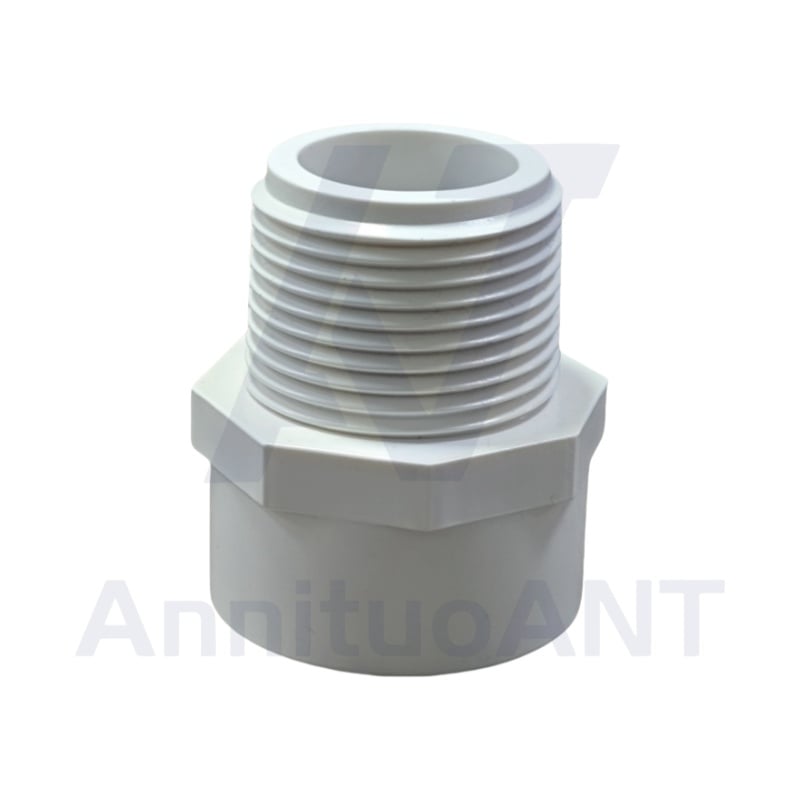
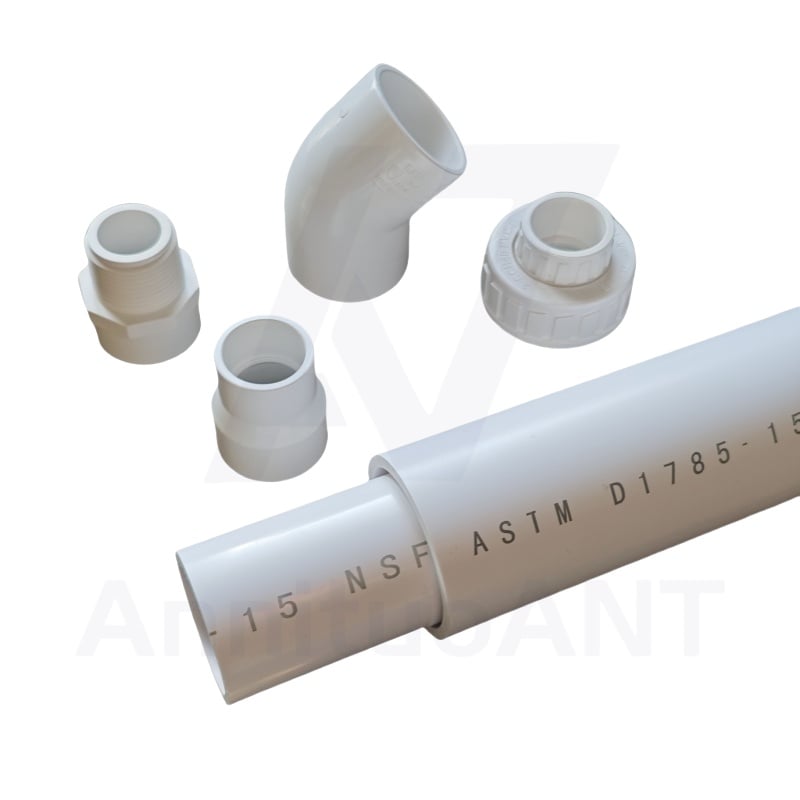
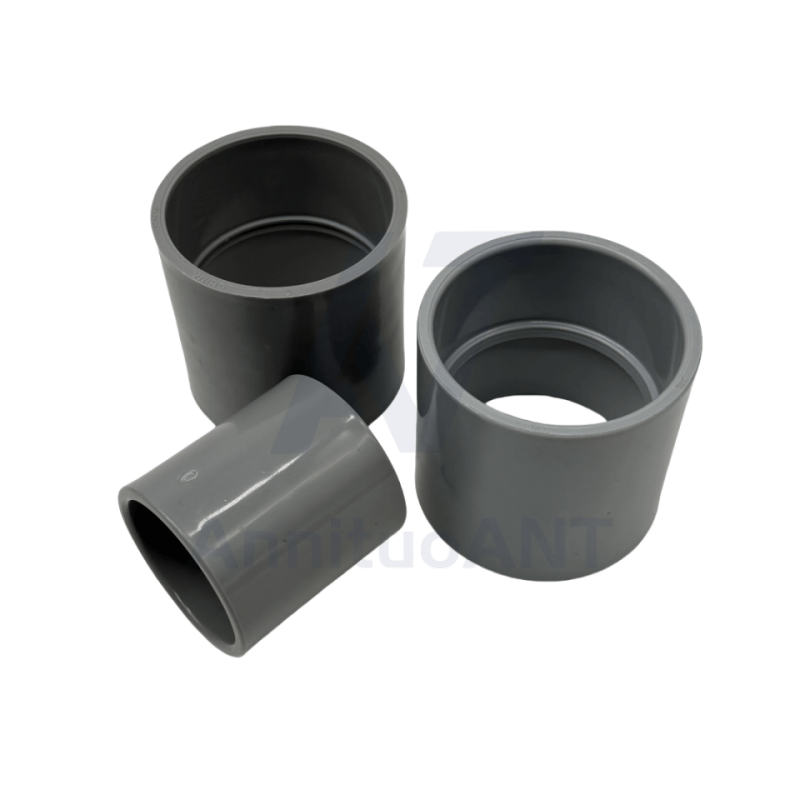
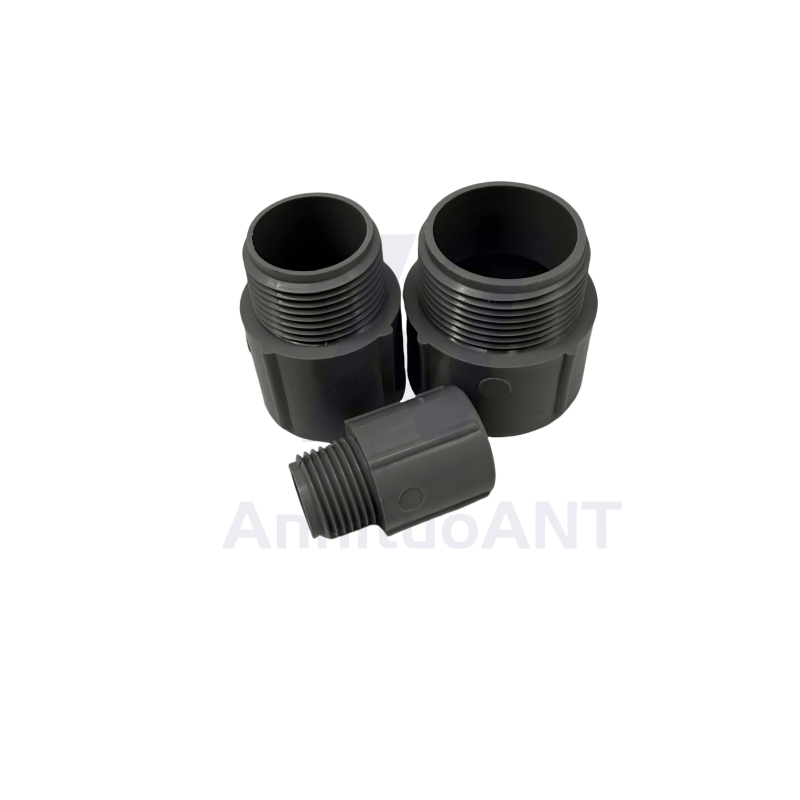
When it comes to constructing efficient drainage systems, PVC drain pipe fittings are essential components that ensure proper flow and connectivity. These pvc conduit fittings are integral to both residential and commercial applications, as they join various pieces of piping to create a seamless drainage system. B2B buyers, including purchasing managers and project engineers, often face concerns regarding material quality, compatibility, and cost efficiency when selecting Anita PVC drain pipe fittings. This article aims to provide a comprehensive understanding of the critical factors involved in choosing and evaluating these fittings, ensuring that you can make informed purchasing decisions.
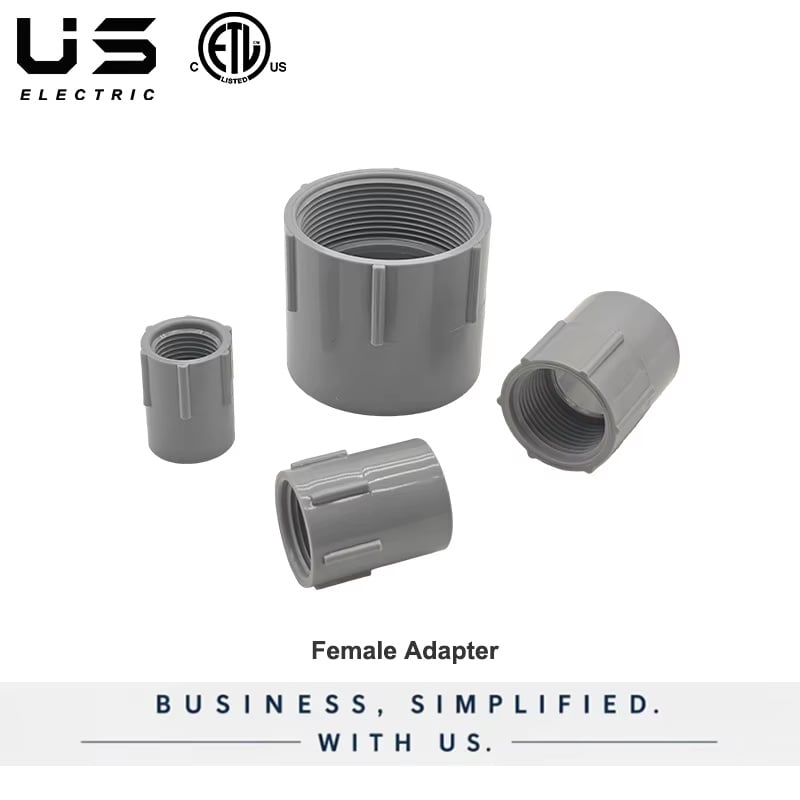
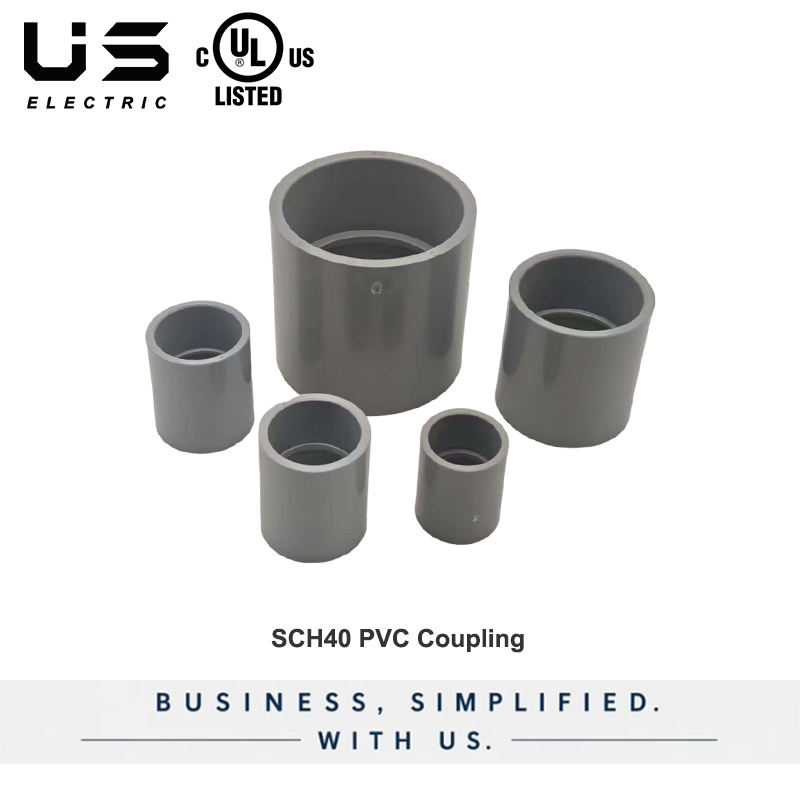
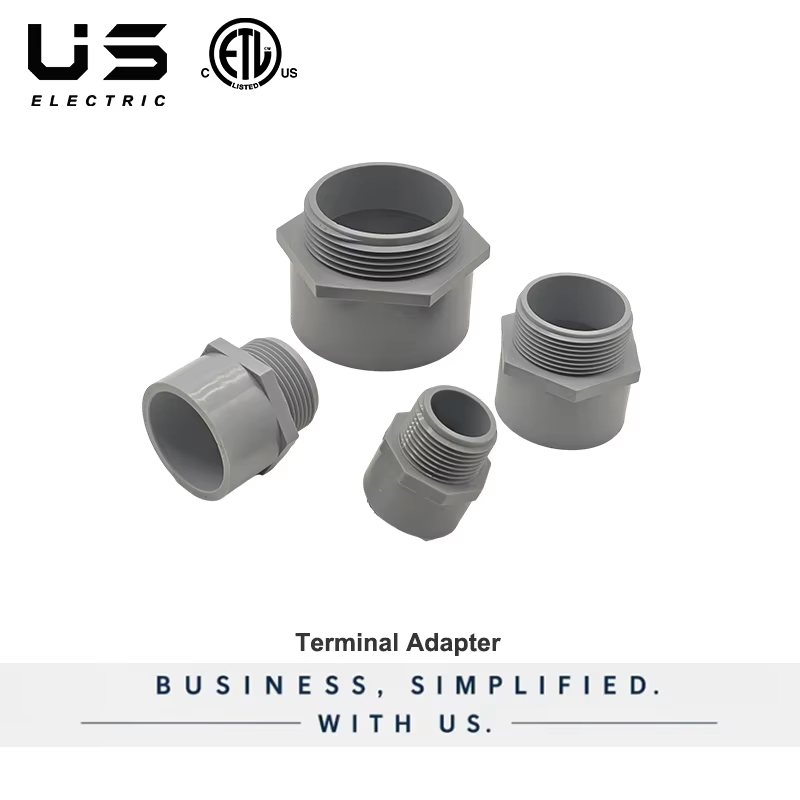
When selecting PVC drain pipe fittings, several key factors must be taken into account to ensure optimal performance and compatibility within your drainage system. First, consider the specific application requirements. Different installations may require various types of fittings, such as elbows, tees, or couplings, depending on the layout of the drainage system.
Next, assess the diameter and pressure ratings of the fittings. These specifications must align with the pipe dimensions and the expected flow rates to prevent leakage or blockages. Additionally, consider the chemical resistance of the PVC material, especially if the drainage system will be exposed to corrosive substances or extreme temperatures.
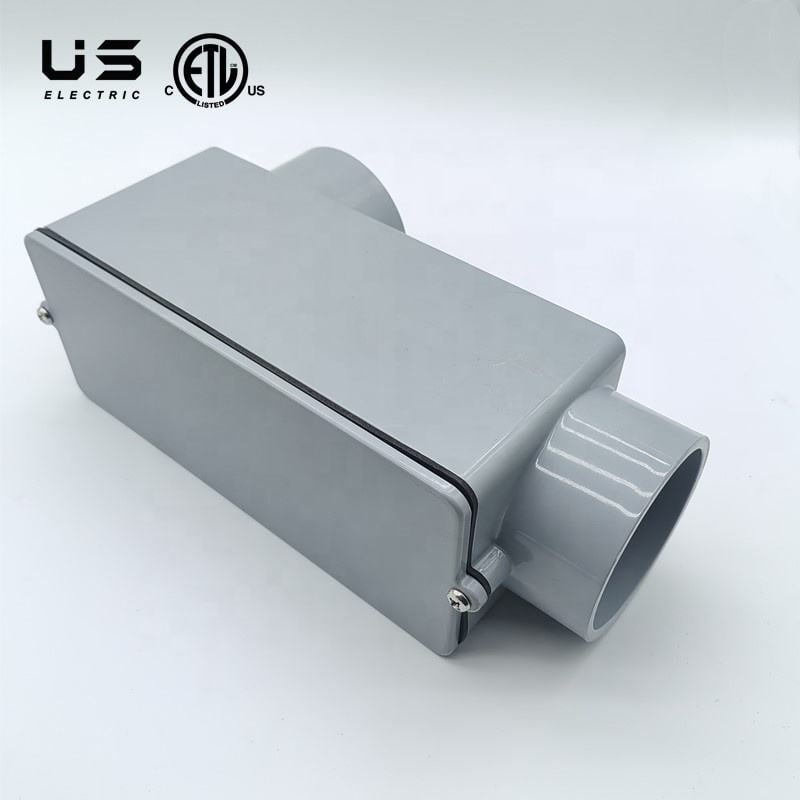
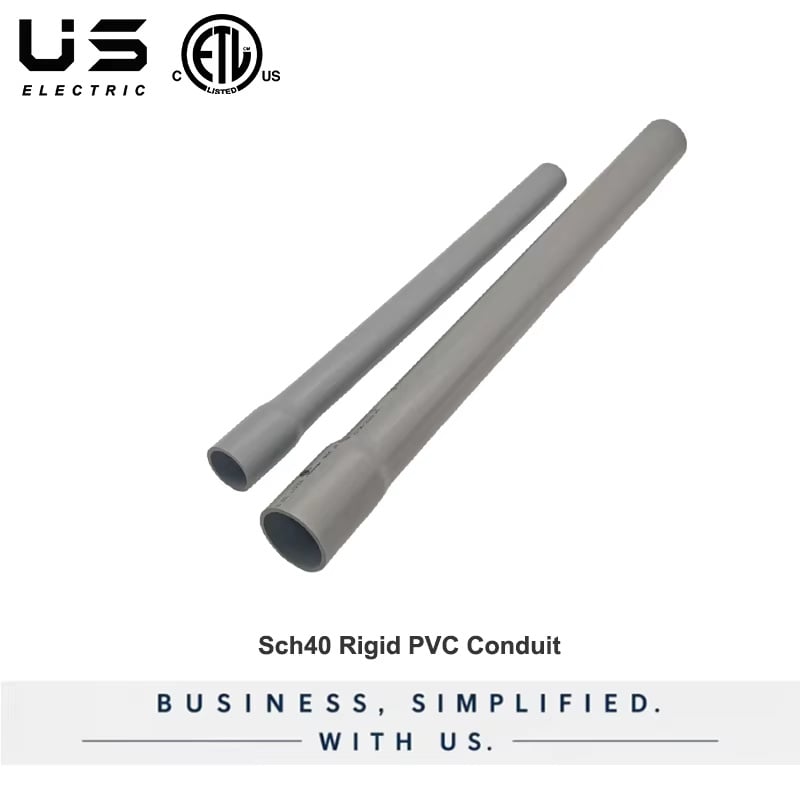
Lastly, evaluate the certifications of the fittings. Look for products that meet industry standards, such as those certified by UL/cUL or ETL/cETL. This ensures that the fittings have undergone rigorous testing for safety and performance, providing peace of mind for your project.
Quality evaluation of PVC drain pipe fittings is crucial for ensuring durability and reliability. Start by examining the manufacturing process used by the supplier. A reputable manufacturer should provide insights into their fabrication methods, quality control measures, and testing protocols. For example, at Jiaxing ANT Electrical Co., Ltd., we adhere to strict quality control processes that include material inspection and dimensional checks to ensure consistency across our product range.
Next, inspect the physical properties of the pvc conduit and fittings. Look for signs of uniformity in color and texture, as well as smooth edges and joints. Any imperfections may indicate subpar manufacturing practices that could compromise performance.
Also, request product samples before placing larger orders. Testing these samples under actual operating conditions helps verify their compatibility and performance. Considerations such as ease of installation, fit with existing piping, and resistance to environmental factors should guide your assessment.
Cost savings on Anita PVC drain pipe fittings can be achieved through strategic purchasing decisions. One effective approach is to evaluate the total cost of ownership rather than just the initial unit price. While cheaper fittings may seem attractive, they could lead to higher long-term costs due to frequent replacements or repairs.
Bulk purchasing can also lead to significant savings. Many manufacturers, including Jiaxing ANT Electrical Co., Ltd., offer discounts for larger orders or ongoing contracts. Establishing a reliable relationship with a supplier can also result in better pricing and terms over time.
Furthermore, consider the potential for customization. Tailoring fittings to specific project requirements may reduce installation time and associated labor costs, ultimately contributing to overall savings.
Understanding the technical specifications of PVC drain pipe fittings is essential for making informed purchasing decisions. Key specifications include:
Diameter: Ensure that the fitting's diameter matches the piping system requirements. Common sizes include 1.5", 2", and 3", but custom sizes can often be produced upon request.
Pressure Rating: PVC fittings are rated according to their ability to withstand internal pressure. Common ratings include Schedule 40 and Schedule 80, with Schedule 80 offering higher pressure resistance.
Material Composition: The type of PVC used can impact durability and chemical resistance. Look for pvc conduit pipe fittings made from high-quality PVC that meets or exceeds industry standards.
Temperature Resistance: PVC fittings generally have a maximum temperature rating of 140°F (60°C). If your application involves higher temperatures, consider alternative materials or specialized fittings.
Evaluating these specifications ensures that the fittings will perform adequately in your specific application, preventing costly operational issues down the line.
When purchasing Anita PVC drain pipe fittings, various cost factors come into play. Beyond the base price of the fittings, consider the following:
Shipping Costs: Depending on the supplier's location and the distance to your project site, shipping costs can significantly affect the overall price. Opt for suppliers who can provide competitive shipping rates.
Lead Time: Longer lead times may delay project schedules, leading to increased labor costs. Suppliers with efficient production schedules and inventory management can help minimize these risks.
Customization Fees: If you require specific modifications or sizes, inquire about any additional fees associated with customization.
Warranty and Support: A warranty can provide additional value by covering potential defects. Evaluate the warranty terms and supplier support to understand the long-term implications of your purchase.
By considering these factors, you can make more informed decisions that align with your budget and project timelines.