 EN
Quick Links
PVC pipe couplings are essential components used to connect two sections of PVC pipes, ensuring a secure and leak-proof joint. In the B2B sector, particularly for purchasing managers and engineers, selecting the right conduit coupling is critical to the success of any plumbing or construction project. Buyers often seek to understand material specifications, durability, and compatibility with existing systems. This article will provide valuable insights into selecting, evaluating, and sourcing Anita PVC pipe couplings effectively.
When selecting PVC pipe couplings, a few key factors should be considered to ensure compatibility and reliability. First, assess the pipe diameter and type; couplings must match the pipes they will connect in size and material to maintain integrity. Additionally, consider the pressure rating of the couplings; ensure they can withstand the pressure requirements of your application.
Material composition is also vital. PVC couplings are made from various grades of PVC, with some designed for higher strength or chemical resistance. Evaluate the specific requirements of your project regarding temperature range and chemical exposure, as these factors can affect the coupling's performance over time.
Lastly, think about installation conditions. Some applications may require couplings that are easier to install in tight spaces or that allow for quick assembly. Understanding these parameters will help you choose couplings that fit your project needs effectively.
Quality evaluation of PVC pipe couplings is crucial, especially for wholesale orders where consistency is expected. Start by examining the certifications of the products. Couplings should ideally meet standards set by organizations like UL/cUL and ETL/cETL, which assure compliance with safety and performance benchmarks.
Next, consider the manufacturing process. Reliable manufacturers will have robust quality control measures in place, such as in-process inspections and final testing of batches. Request information on the production equipment used and the quality assurance protocols followed during manufacturing.
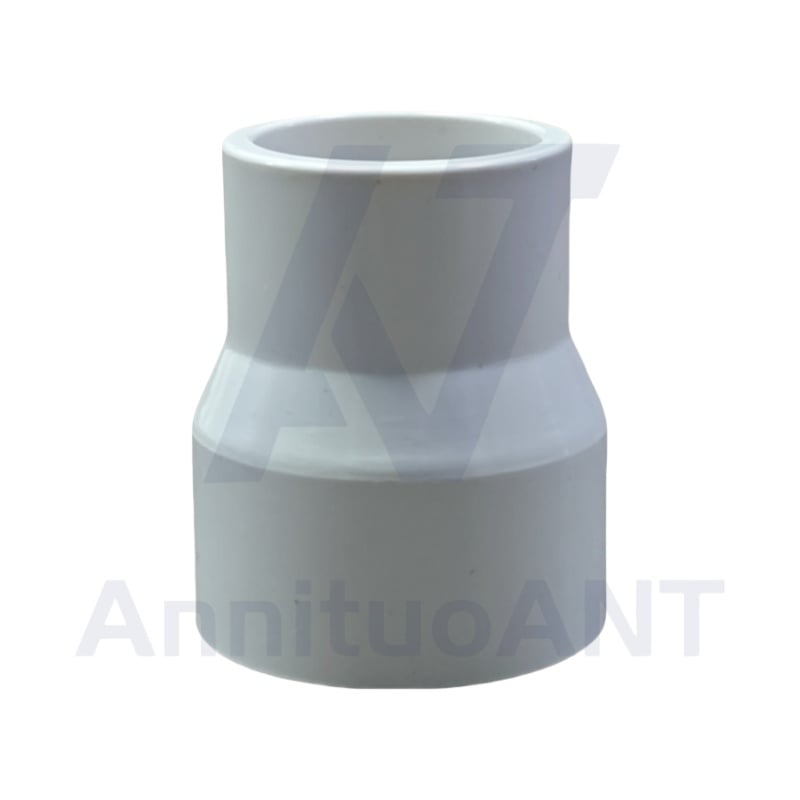
Furthermore, it is wise to request samples before placing a bulk order. Testing these samples under actual operating conditions can reveal potential issues, such as improper fit or insufficient strength, which may not be evident from specifications alone. A thorough inspection of the physical properties, like wall thickness and finish, can also inform you about the overall quality of the pvc reducer coupling.
Finding trustworthy suppliers for bulk PVC pipe couplings involves a few strategic steps. Start by researching manufacturers with a solid reputation in the electrical and plumbing industries. Companies like Anita which has 14 years of experience and a diverse product portfolio, can be a good starting point. Look for suppliers that offer a One-Stop Shopping Service, as this can simplify sourcing various components for your project.
Utilize industry trade shows and online marketplaces to connect with suppliers. Attending these events can provide insights into the latest products and innovations while giving you the opportunity to meet manufacturers face-to-face.
Check customer reviews and testimonials to gauge the reliability of potential suppliers. Engaging directly with previous clients can offer firsthand insights into their experiences regarding product quality and customer service. Ensure the suppliers you consider have the capacity to fulfill your order volumes and can meet your delivery timelines.
While PVC pipe couplings are generally reliable, several common issues can arise that buyers should be aware of. One frequent problem is leakage, which can occur due to improper installation or using incompatible couplings. To mitigate this risk, make sure to follow proper installation guidelines and confirm that the coupling size matches the pipes exactly.
Another issue can be cracking or breaking under pressure. This is often a result of using low-quality materials or incorrect pressure ratings. Always verify the pressure ratings and select high-quality couplings that are certified for the intended application.
Chemical compatibility is also a concern; certain chemicals can degrade PVC over time. When selecting couplings, confirm their resistance to the specific chemicals they will encounter in your application. If necessary, consult with the manufacturer to select couplings that will withstand the conditions of your operational environment.
When comparing Anita PVC pipe couplings, focus on several critical factors to ensure you make the best choice for your application. Specifications such as pipe diameter, pressure ratings, and material type should be the first points of comparison. Establish a checklist of the required specifications based on your project needs.
Next, evaluate the manufacturing standards of the couplings. Look for suppliers that provide comprehensive information on their products’ certifications and quality control processes. This will help you gauge the reliability and safety of the couplings.
Also consider the pricing structures of different suppliers. While cost is important, it should not be the sole determining factor. Weigh the price against quality, performance, and warranty options. Sometimes, investing slightly more in a well-made coupling can save costs associated with failures or replacements later on.
Lastly, assess the available customization options. Some projects may require specific dimensions or features that off-the-shelf products do not provide. Discuss these needs with your suppliers to find out if they can accommodate custom requests.
By following these guidelines, you can effectively navigate the complexities of selecting and sourcing flexible conduit coupling, ensuring that your project stays on track and achieves the desired results.