 EN
Quick Links
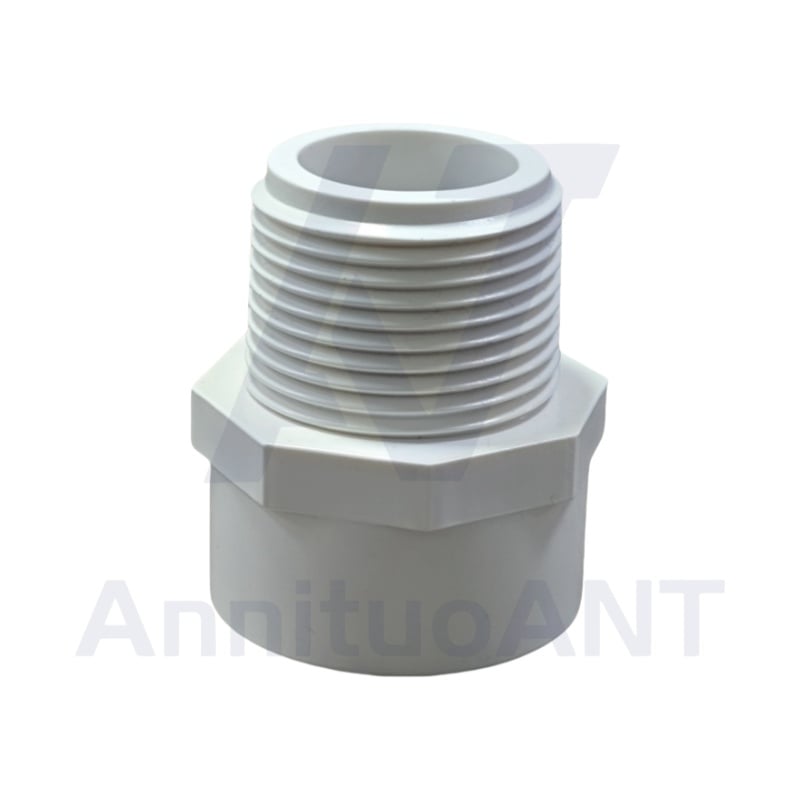
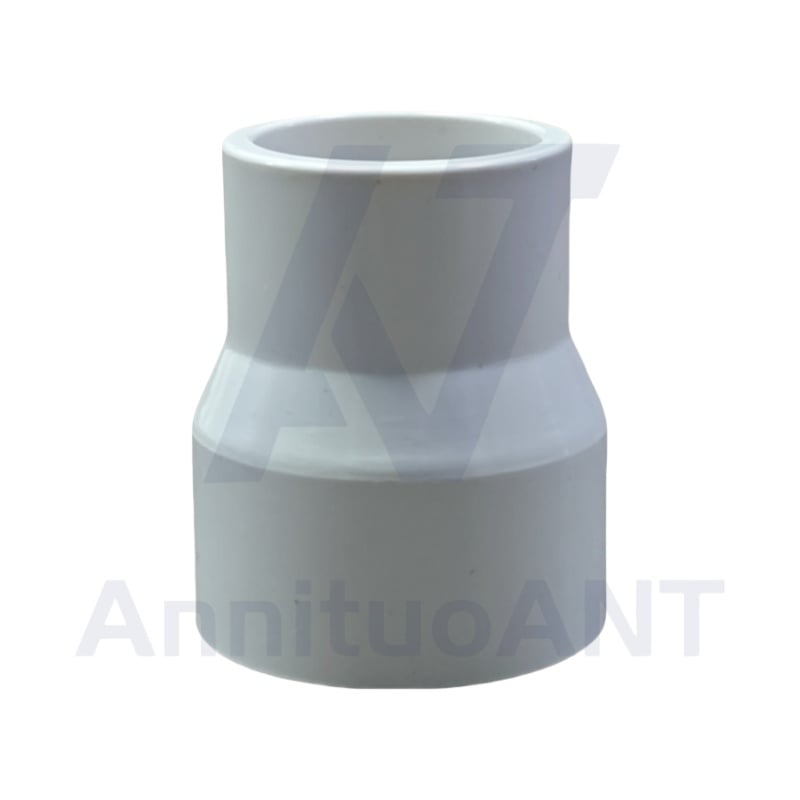
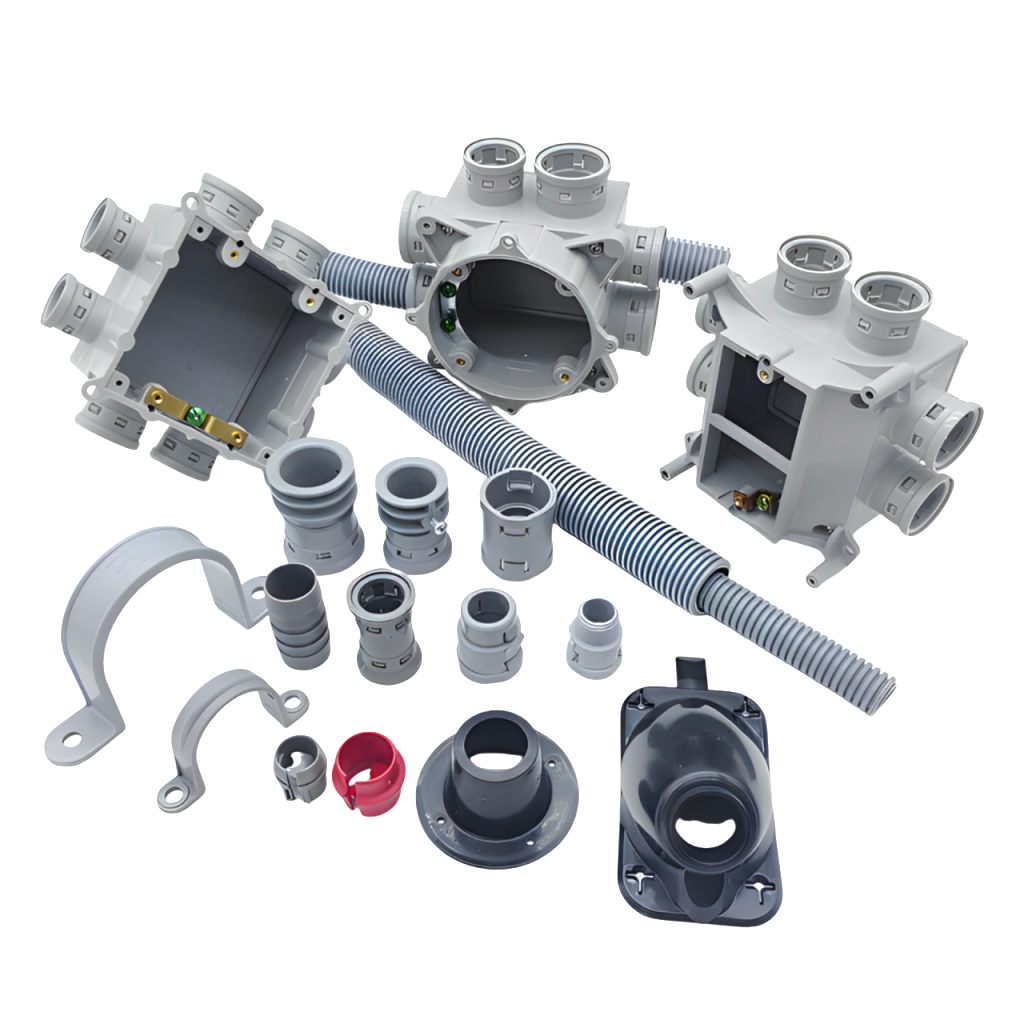
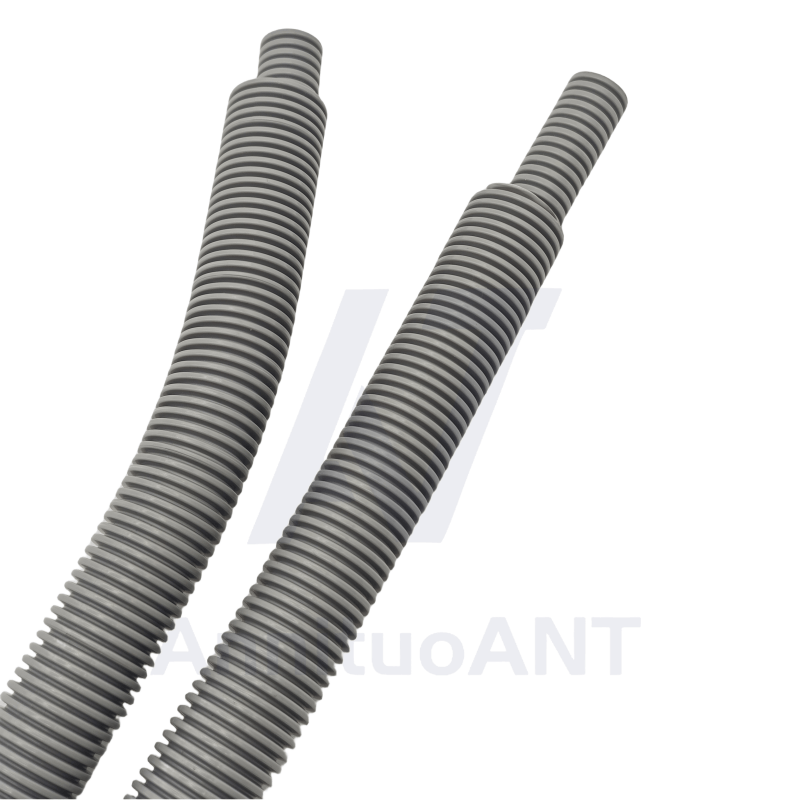
PVC flex couplings are essential components in various piping systems, designed to connect two pipes while allowing for flexibility and movement. As a purchasing manager or engineer, you may have concerns about compatibility, material quality, and the overall performance of these couplings in your specific applications. This article aims to provide you with critical information to help you make informed decisions when sourcing PVC flex couplings, including supplier evaluation, key specifications, cost factors, and material comparisons.
Identifying trustworthy suppliers for PVC flex couplings is paramount for ensuring product quality and supply chain reliability. Start by researching manufacturers with a proven track record in the electrical equipment industry. Companies like Jiaxing ANT Electrical Co., Ltd., which boasts 14 years of experience and a diverse range of certified products, are good candidates. Look for suppliers who offer comprehensive services, such as OEM/ODM capabilities, which can cater to specific project needs.
Additionally, consider suppliers with robust quality control processes and relevant certifications, such as UL/cUL and ETL/cETL. Online platforms like Alibaba or ThomasNet can also help you find reputable manufacturers, but always verify their credentials and request references from past clients. Engaging with industry trade shows and expos can provide direct access to suppliers, allowing for firsthand evaluation of product offerings.
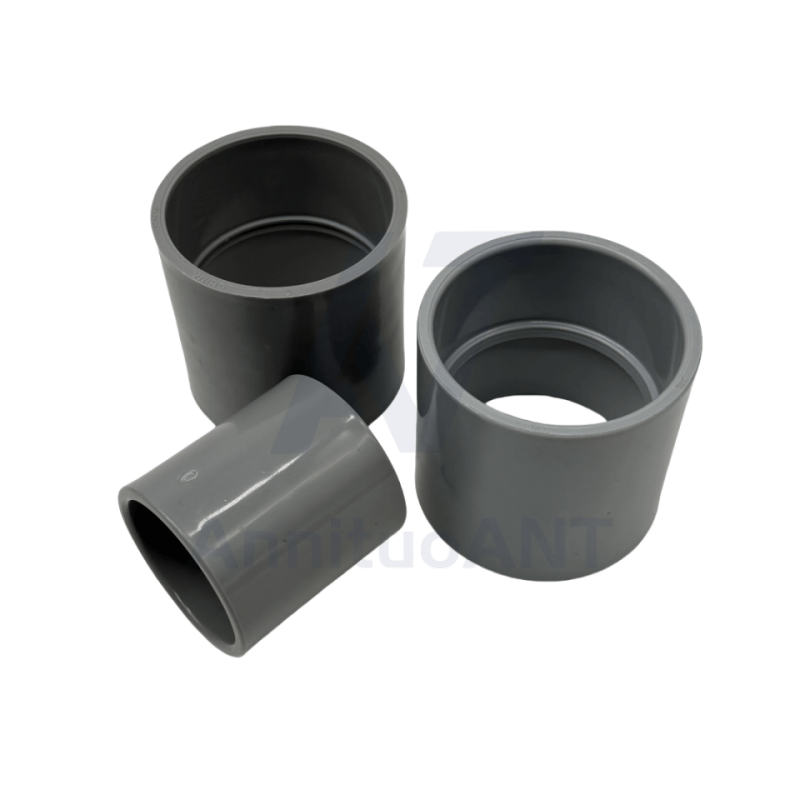
When sourcing PVC flex couplings, several key specifications should be closely evaluated to ensure suitability for your application. These include:
Material Composition: PVC is known for its durability and resistance to corrosion, making it ideal for various environments. Ensure that the PVC used is of high quality, as this impacts the coupling’s longevity and performance.
Size and Dimensions: Verify that the coupling dimensions align with the pipes it will connect. This includes checking the inner and outer diameters, as well as the overall length of the coupling.
Pressure Rating: Understand the pressure requirements of your application. PVC flex couplings are available in various pressure ratings, and selecting one that meets or exceeds your operational demands is crucial.
Temperature Tolerance: Different PVC formulations can withstand varying temperature ranges. Confirm that the coupling can operate effectively within the specific temperature conditions of your application.
Sealing Mechanism: Evaluate the sealing capabilities of the coupling. A superior sealing mechanism ensures leak prevention and can enhance the overall performance of the piping system.
By considering these specifications, you can better match the PVC flex couplings to your project requirements.
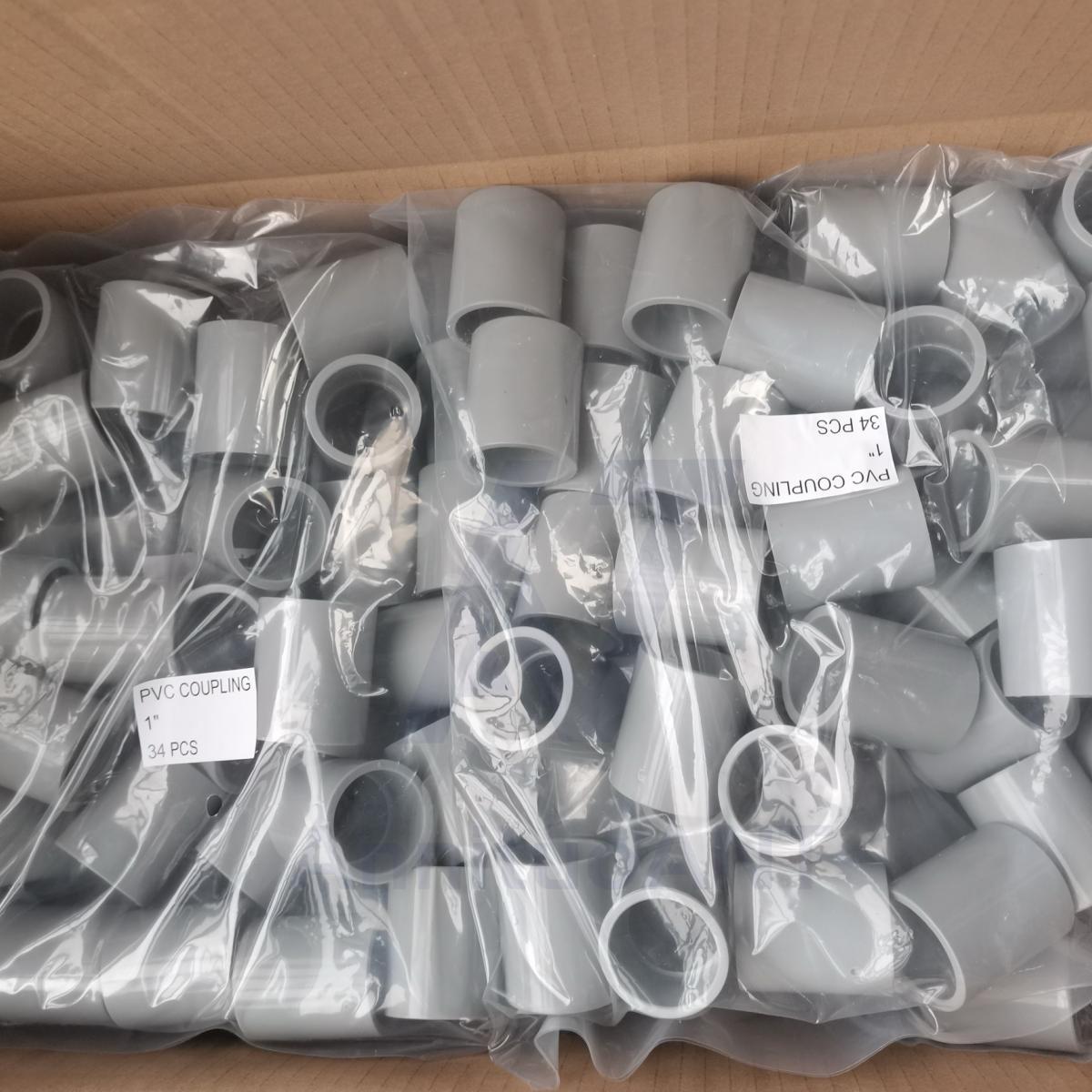
The cost of PVC flex couplings can vary significantly based on several factors, particularly when ordering in bulk. Key aspects include:
Material Costs: The quality and type of PVC used directly influence the price. Higher-grade materials may come at a premium but offer better durability and performance.
Order Quantity: Bulk orders typically result in lower per-unit costs. Suppliers often provide discounts for larger quantities, which can lead to significant savings over time.
Customization Options: If you require specific dimensions or features, customizations can increase costs. While customization may be necessary for certain applications, it’s essential to weigh these costs against your budget and needs.
Shipping and Handling: Freight costs can impact the overall price. Consider suppliers who offer competitive shipping rates, especially for international orders.
Supplier Reputation: Established suppliers with a track record of quality may charge more but can provide peace of mind regarding product reliability and customer service.
Understanding these cost factors allows you to budget effectively and negotiate better terms with suppliers.
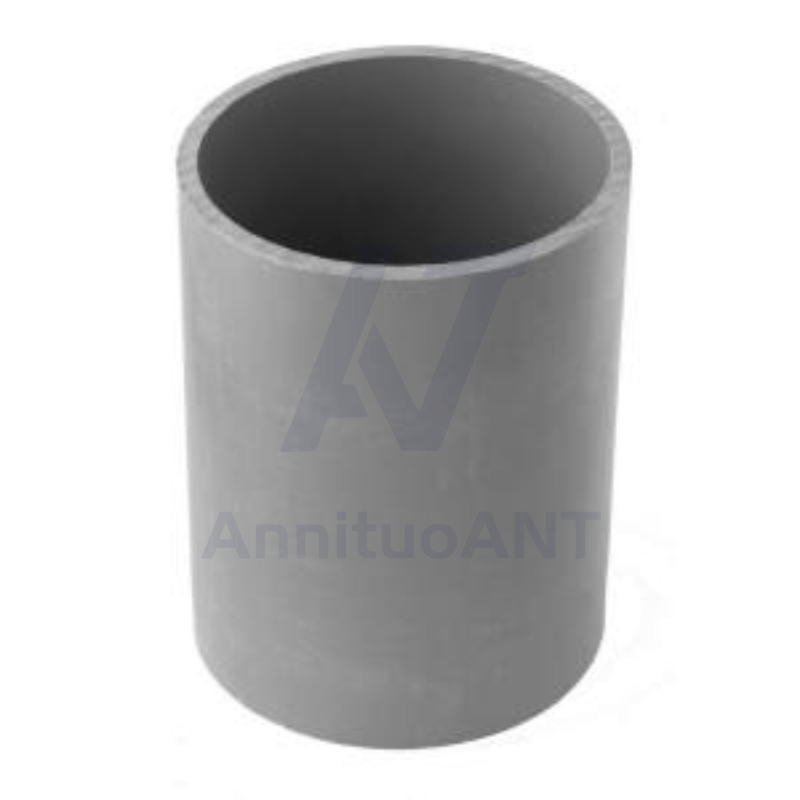
When sourcing PVC flex couplings, follow these steps to ensure a smooth procurement process:
Define Your Requirements: Clearly outline the specifications needed for your application, including size, material, and performance criteria.
Research Suppliers: Utilize online databases, industry contacts, and trade shows to compile a list of potential suppliers.
Request Samples: Before placing a bulk order, request samples from shortlisted suppliers to assess quality and compatibility with your systems.
Evaluate Proposals: Compare quotations based on price, quality, and delivery terms. Ensure that all proposals meet your defined requirements.
Conduct Quality Inspections: If possible, visit the supplier’s facilities to observe their manufacturing processes and quality control measures.
Finalize Orders: Once satisfied with the supplier’s capabilities and product quality, finalize your order, ensuring that all aspects of the agreement are documented.
Monitor Performance: After installation, monitor the couplings' performance to ensure they meet your operational expectations. This feedback can help in future sourcing decisions.
By following this structured approach, you can mitigate risks and enhance the efficiency of your procurement process.
When considering PVC flex couplings, it is essential to compare their advantages against alternative materials like rubber or metal. Here’s how PVC stands out:
Corrosion Resistance: Unlike metal couplings, PVC does not corrode, making it a reliable choice for wet or humid environments. This characteristic prolongs the lifespan of the coupling and reduces maintenance needs.
Cost-Effectiveness: PVC is generally less expensive than metal options, offering an economical solution without sacrificing quality for many applications.
Weight: PVC is lighter than metal alternatives, making installation easier and reducing transportation costs.
Flexibility: PVC flex couplings allow for movement and expansion, accommodating shifts in piping systems due to temperature changes or ground movements. This flexibility is often superior to that of rigid metal couplings.
Ease of Installation: PVC couplings typically require less specialized equipment for installation compared to metal couplings, which may need welding or complex fittings.
While alternatives like rubber couplings offer benefits such as enhanced flexibility and vibration dampening, PVC flex couplings provide a balanced combination of durability, cost-effectiveness, and ease of use, making them a popular choice in various applications.
By carefully evaluating these factors, you can confidently select the right PVC flex couplings for your specific needs, ensuring optimal performance and reliability in your piping systems.