 EN
EN
Quick Links
Are you planning on beginning a plumbing improvement in your house? If you do, you may find a PVC reducer coupling. This neat little gadget can bring different size pipes together. In this guide, we are going to discuss PVC reducer couplings, the benefits of using them, how to assemble them, and what available sizes and types there are, and how to make them water tight and stable.
Before we embark on another foray in the vast world of PVC reducer couplings, let’s chat a little about plumbing jobs in general. Plumbing work is all about using pipes to take water from one place to another, such as the kitchen or bathroom in your home. The right tool for the job is pvc pipe coupling and this is the best reducer coupling for the job.
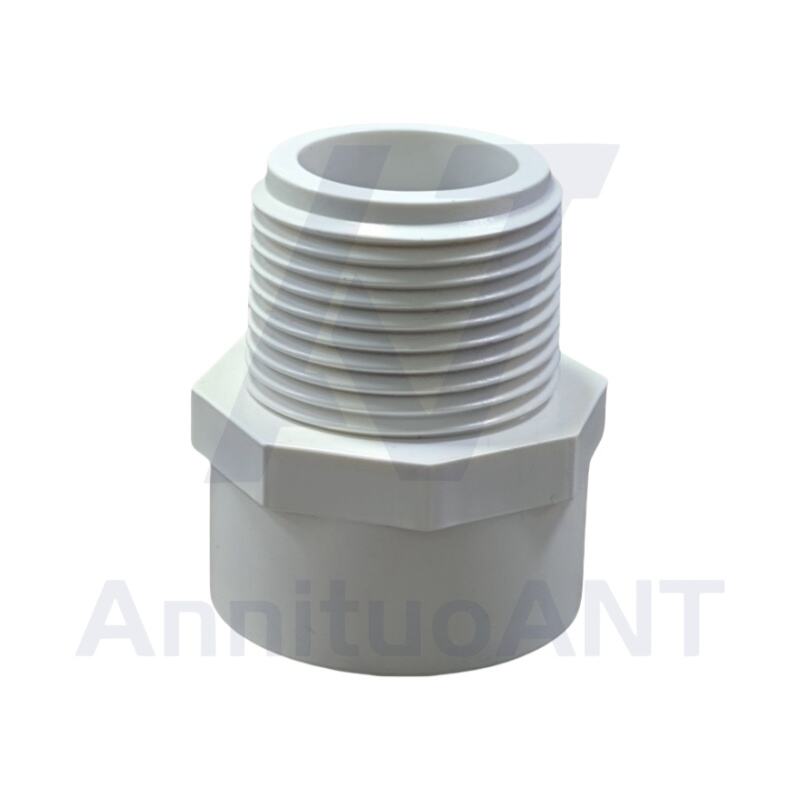
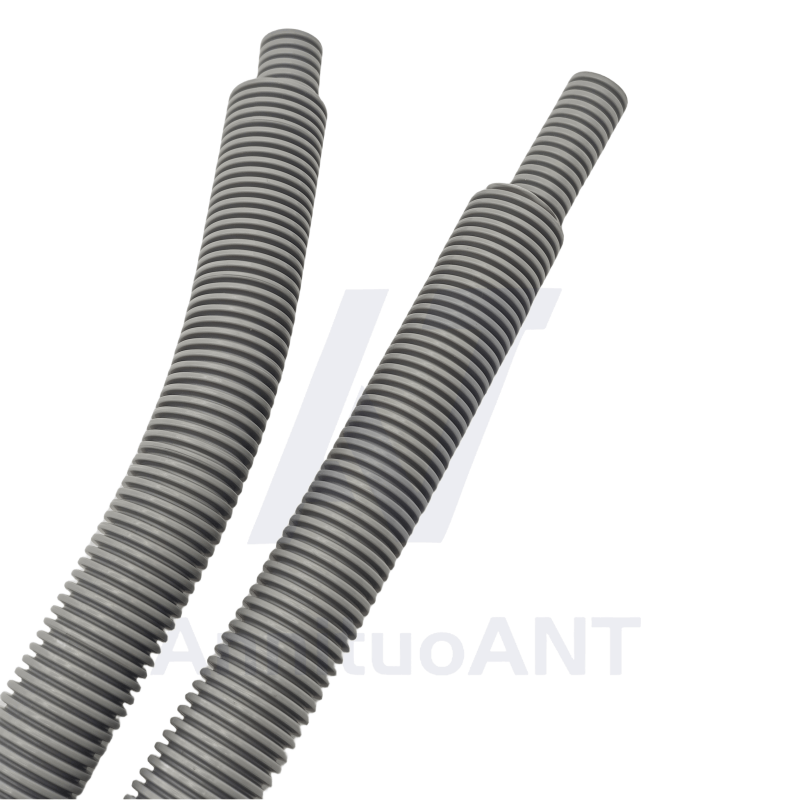
Sturdy PVC Material: PVC reducer couplings are constructed of long lasting PVC, or polyvinyl chloride. This material is very strong, yet lightweight and resistant to corrosion, ideal for use in plumbing projects. These reducer conduit coupling come in versatile sizes to fit all of your piping needs and can help you reduce pipe size without the use of other expensive fittings.
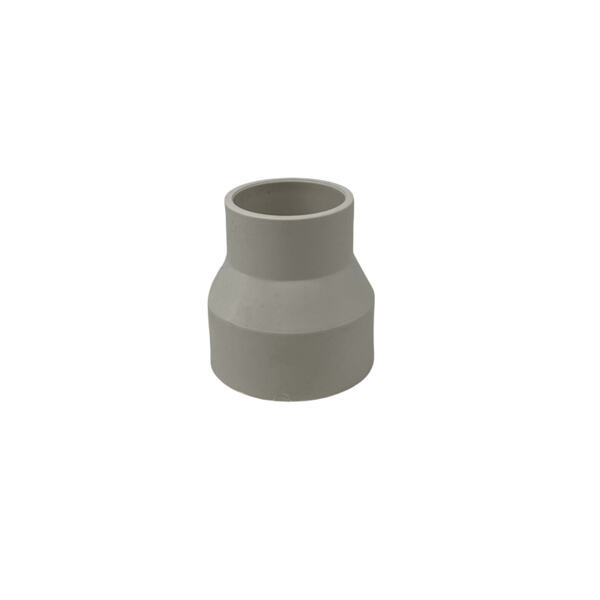
PVC reducer coupling installation is a cinch and takes only a few follows these steps and learn how to do it easy. First make sure the pipes you are connecting do not have any dirt or debris. Apply PVC primer and cement to the pipe ends and the inside of the coupling. Then slide the flexible conduit coupling over the pipes and hold them in place for about 30 seconds while the cement dries. Last, turn on the water to check for leaks. Sitting there, if you have made a correct end you should have a good, secure connection that will last for many years.
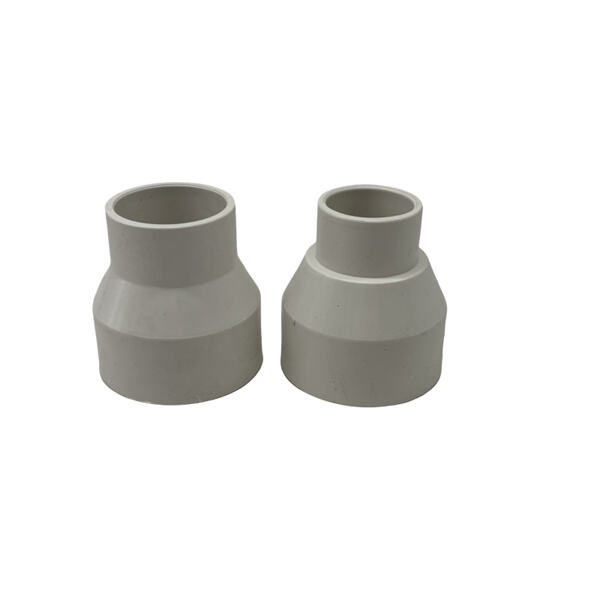
Anita PVC reducer couplings are available in all sizes and styles. The predominant sizes are 1/2 inch through 4 inches, but larger sizes are available for large-scale projects. There are even threaded couplings for fast and easy install with no cement needed. Discover the variety of PVC reducer coupling solutions to your next plumbing project.
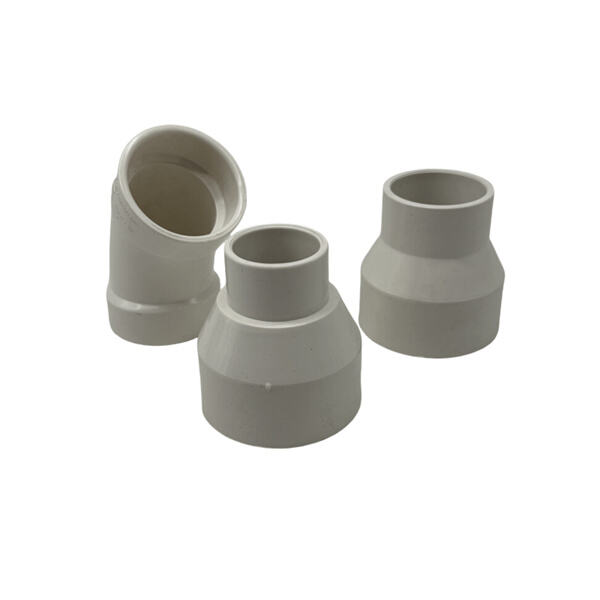
Sealing and securing a PVC reducer coupling will help to keep out leaks. Begin by swabbing PVC primer and cement on the pipes and inside the coupler. Cinch the pipes tightly together and hold until the cement hardens. After the cement has dried, assure no leaks exist by turning on the water. If no leaks, you've now sealed and locked down your PVC reducer coupling to work dependably for you.