 EN
EN
Quick Links
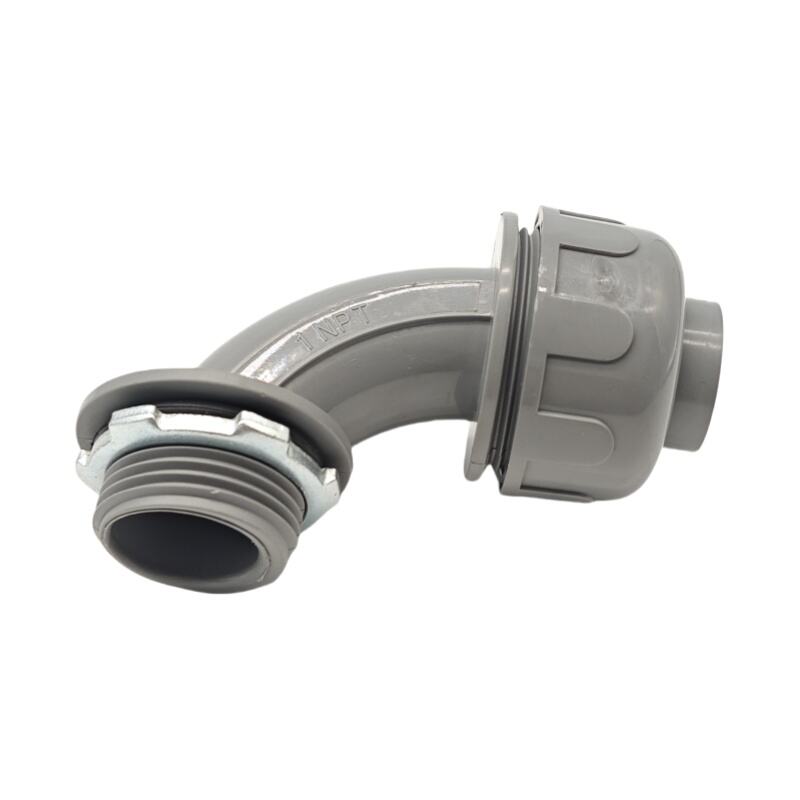
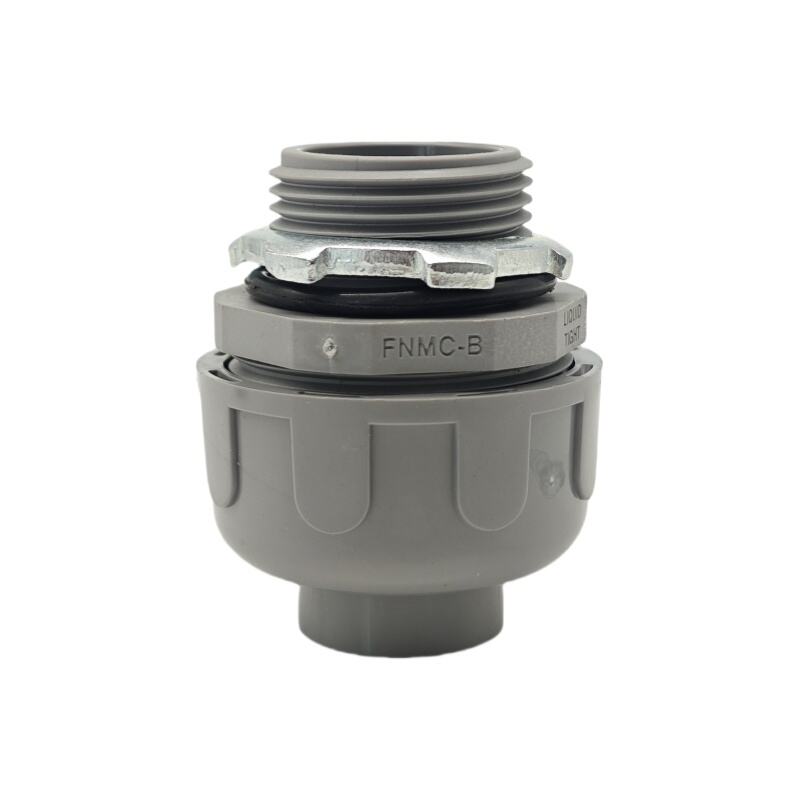
Conduit couplings are used for connecting two lengths of electrical conduit pipe. These Anita coupling for conduit are constructed of PVC, which has good strength and corrosion resistance. Available in different dimensions to fit all sizes of pipes and are all made to be secure and stable.
PVC Conduit Couplings in Electrical There are various advantages of using PVC conduit couplings in electrical. First of all, PVC is light weight so it is easy to work with and install. It is also non-conductive, which means it does not contain any substances that conduct electricity and is safe for electrical applications. PVC conduit couplings do not rust or corrode and are resistant to either moisture or chemicals, and sunlight.
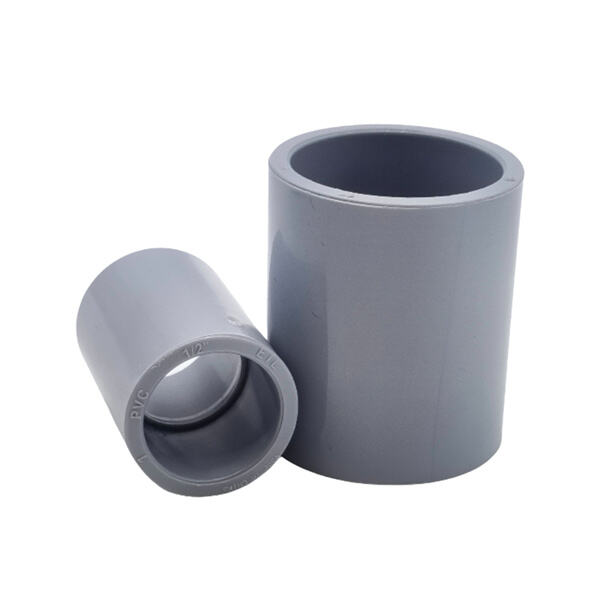
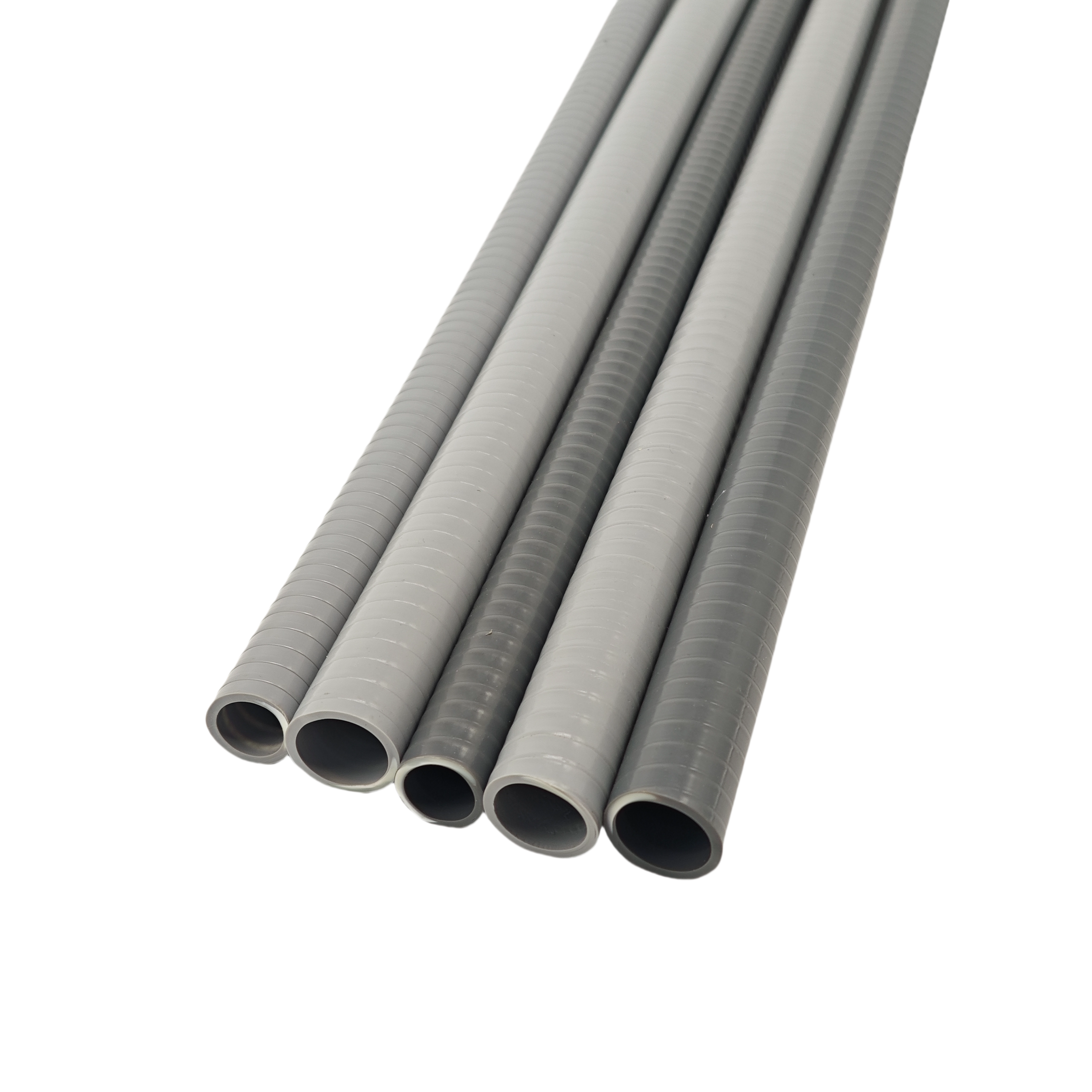
Correct Installation of PVC Conduit Coupling Installation of a PVC conduit coupling is vital for a strong and reliable connection between two conduit pipes. The first step is to measure and cut the conduit pipes with a PVC pipe cutter to the size that you want. After that, push one side of the conduit pipe into the coupling and press fit it. Do it again for the other end of your conduit pipe making sure both pipes are even with each other. - Then, screw the screws of the coupling without drawing to much forcefully, but avoiding damaging the pipes.
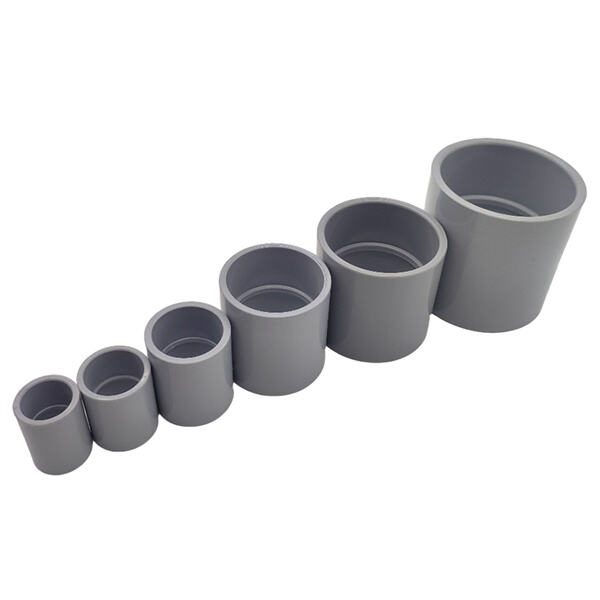
PVC For Use with Conduit are a dependable way to join Anita pvc pipe coupling in electrical applications. Their rugged design provides a secure grip for the pipe while ensuring that they're not going to bend, warp or break. This is important for the safety of electrical system and to avoid any risks. If you're working on a home project, commercial project or industrial project, PVC conduit couplings can come in handy when you need to connect 2 conduit pipes.
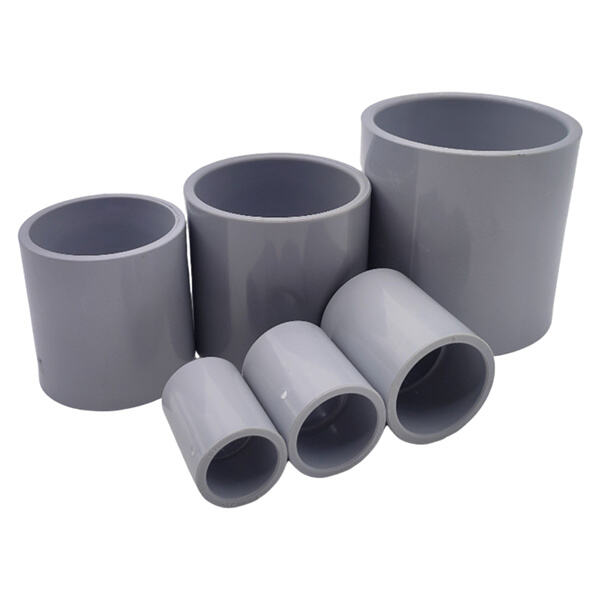
There are different varieties of PVC conduit couplings available on the market - they are made for certain applications and pipe sizes. A standard form of such couplings is the "conduit coupling, " which couples two straight sections of conduit pipe. There are also flexiblr PVC conduit couplings available that are specifically made to work with bends and curves of the conduit pipes. There are also expansion couplings to accommodate movement and expansion of pipes while maintaining the connection with Anita conduit coupling.