EN
Quick Links
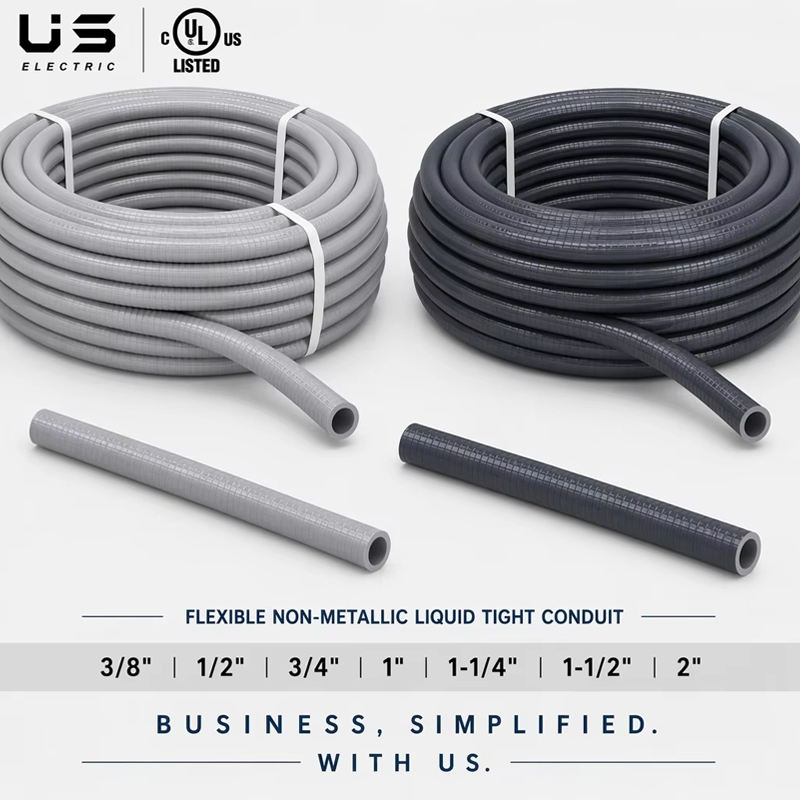
Liquid tight flexible conduit is an essential component in electrical installations, providing protection and flexibility for wiring in various environments. As a B2B buyer, understanding the specifications, applications, and material advantages of liquid tight flexible conduits is crucial for making informed purchasing decisions. This article will guide you through the key considerations when selecting and procuring liquid tight flexible conduits, ensuring you choose the right product for your project's needs.
Liquid tight flexible conduit is designed to safeguard electrical wiring from moisture, dust, and other environmental factors. Key specifications to consider include:
Diameter: The conduit must fit the wiring it will house; common diameters range from ½ inch to 4 inches. Selecting the correct diameter ensures ease of installation and compliance with electrical codes.
Material: Liquid tight conduits are typically made from PVC, aluminum, or stainless steel. The material choice affects durability, flexibility, and resistance to chemicals and weather conditions. For example, PVC Conduit is lightweight and cost-effective, making it suitable for various applications.
Flexibility: The conduit should offer a sufficient bend radius to accommodate installation in tight spaces without compromising the integrity of the wiring.
Sealing: A crucial feature is the conduit’s ability to prevent the ingress of water and dust. Look for conduits that meet industry standards for IP ratings to ensure adequate protection.
These specifications are critical to ensure that the conduit can withstand the demands of its intended application, whether in commercial construction, residential installations, or industrial settings.
Selecting the appropriate liquid tight flexible conduit depends on various factors:
Application Environment: Consider where the conduit will be used. For outdoor applications, materials with higher UV resistance and weatherproofing properties are essential. In contrast, indoor applications might prioritize flexibility and ease of installation.
Electrical Load: Assess the electrical load that the conduit will carry. This determines the size and type of conduit necessary to ensure safety and compliance with regulations.
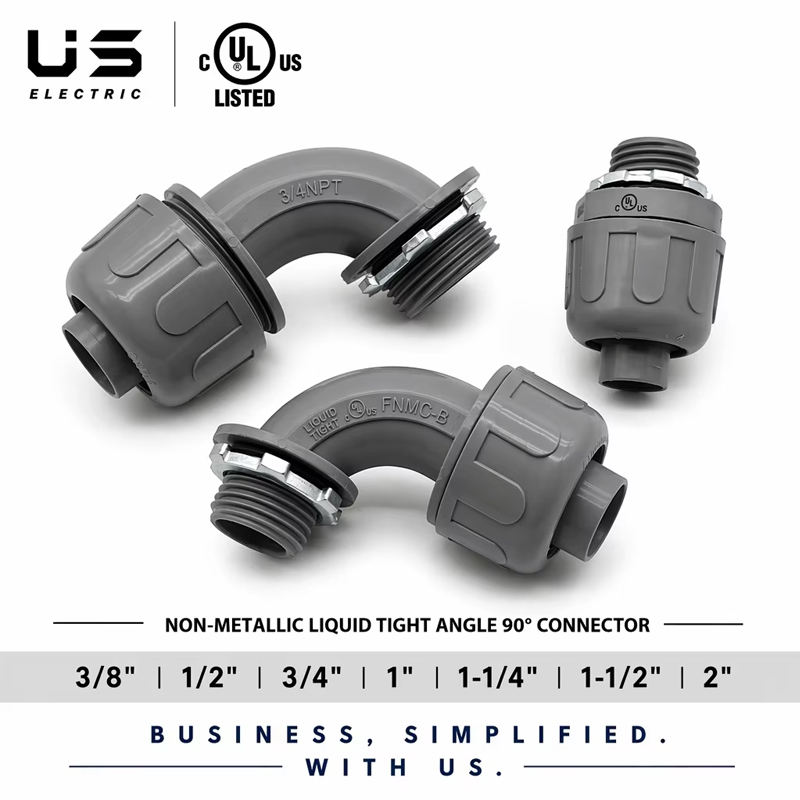
Installation Ease: Evaluate the installation process. Some conduits come with pre-assembled fittings, which can reduce installation time and labor costs. Additionally, consider Nonmetallic Liquid-tight Conduit & fittings for ease of installation.
Customization Needs: If your project requires specific lengths or fittings, consider working with a manufacturer that offers OEM/ODM solutions. Customization can significantly enhance the efficiency of your installation process.
To make an informed choice, gather detailed requirements regarding the installation environment, electrical load, and any customization needs before reaching out to suppliers.
When purchasing liquid tight flexible conduit in bulk, several cost factors should be considered:
Material Costs: The choice of material affects the overall price. For example, PVC conduits are generally less expensive than metal conduits, but durability and application suitability must also be factored in.
Quantity Discounts: Many suppliers offer bulk pricing. Always inquire about discounts for larger orders, as this can significantly reduce the per-unit cost.
Shipping and Handling: Calculate shipping costs when ordering in bulk, as larger orders may incur higher shipping fees. Additionally, consider the lead time for delivery, which may vary based on order size.
Quality Assurance: Investing in higher-quality conduits may result in lower replacement rates and maintenance costs in the long run. Ensure you evaluate the manufacturer's quality control processes to avoid potential issues.
By carefully considering these factors, you can optimize your budget while ensuring that the products you purchase meet your quality and performance standards.
Liquid tight flexible conduits are versatile and can be used in various applications across multiple industries:
Industrial Automation: In manufacturing settings, these conduits protect wiring for machinery and control systems, ensuring they remain operational in harsh environments exposed to chemicals, moisture, and dust.
Commercial Construction: Electrical installations in commercial buildings often involve complex wiring systems that require flexibility and protection. Liquid tight conduits provide the necessary durability and adaptability for these installations.
Residential Wiring: In residential settings, particularly in areas prone to moisture, such as basements or outdoor installations, liquid tight conduits ensure the safety of electrical systems while allowing for easy routing of cables.
Telecommunications: These conduits are also used to protect communication cables in outdoor and underground environments, safeguarding them from environmental damage.
Understanding the specific requirements of your application will help ensure that the selected liquid tight flexible conduit meets all necessary safety and performance standards.
When choosing a liquid tight flexible conduit, the material plays a crucial role in its performance characteristics:
PVC Conduit: Lightweight and cost-effective, PVC conduits are resistant to moisture and chemicals, making them suitable for indoor and outdoor applications. However, they may not withstand high temperatures as well as metal options.
Aluminum Conduit: Known for its strength and lightweight properties, aluminum conduits offer excellent corrosion resistance and are ideal for environments with exposure to chemicals. They also provide better heat dissipation compared to PVC.
Stainless Steel Conduit: This type offers superior durability and corrosion resistance, making it suitable for harsh environments, including marine and industrial applications. While more expensive, stainless steel conduits provide long-term reliability and reduced maintenance costs.
Each material has its advantages and disadvantages, and the choice should be based on the specific application requirements, environmental conditions, and budget constraints.
By understanding these key aspects of liquid tight flexible conduit, buyers can make informed decisions that align with their project needs. Consider specifications, applications, cost factors, and material advantages to ensure the selected conduit provides the best solution for your electrical installations.