 EN
EN
Quick Links
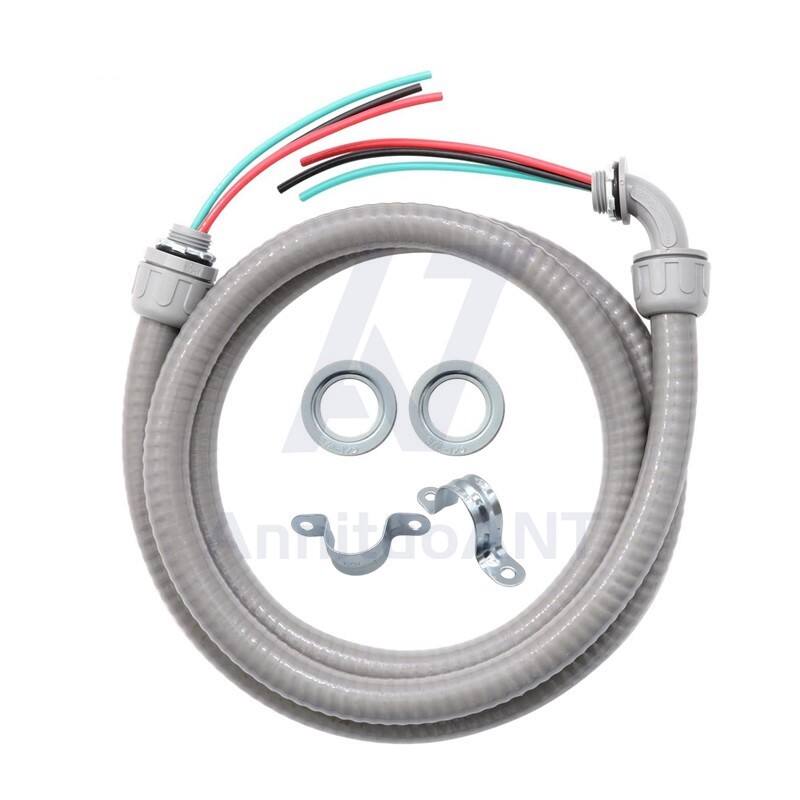
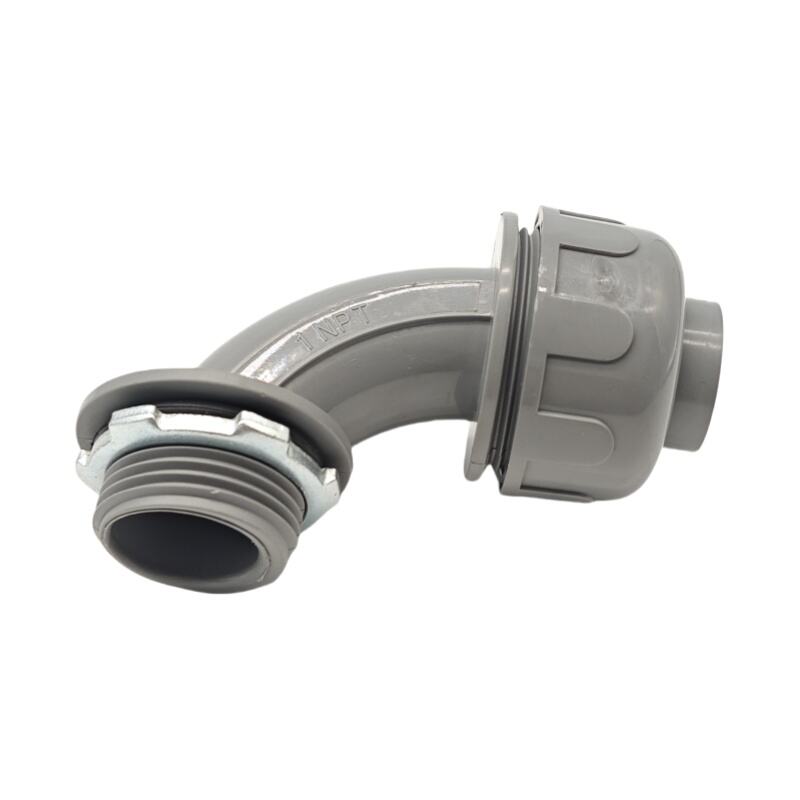
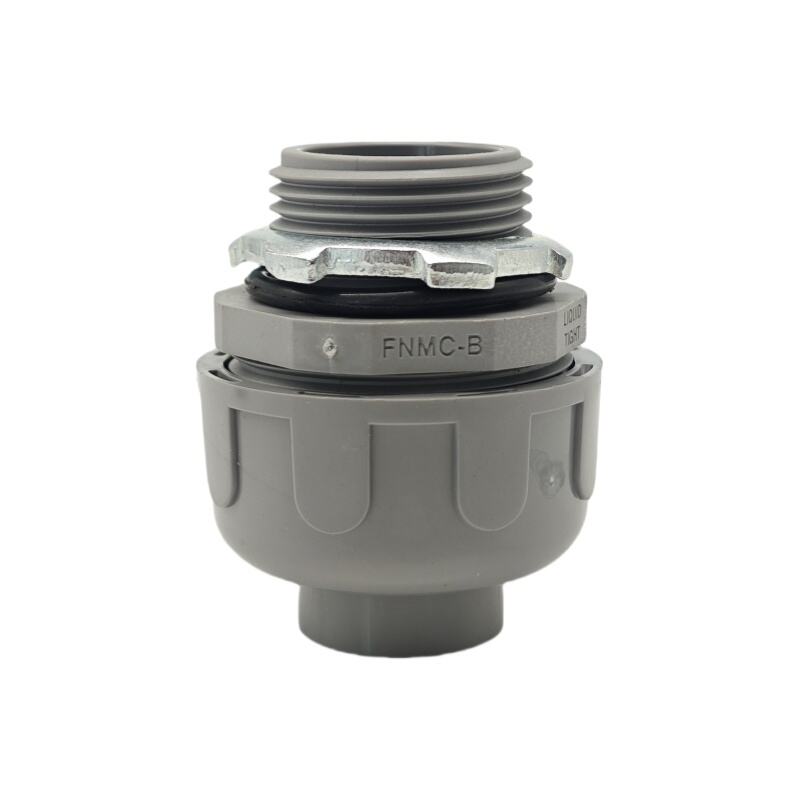
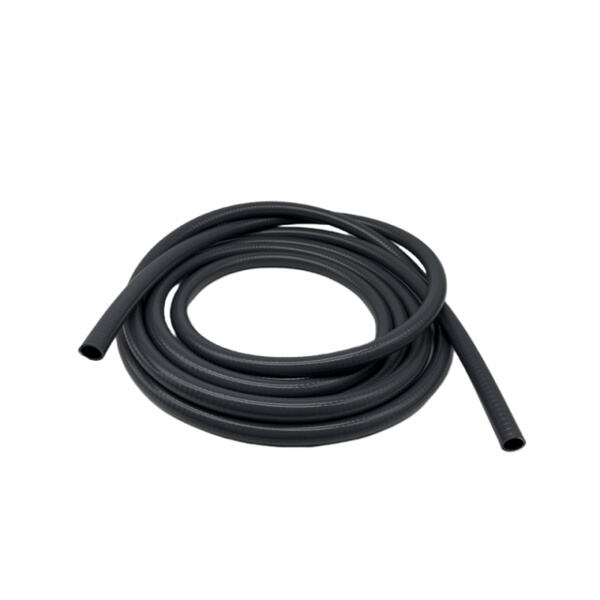
Sealtight conduit fittings for electrical wiring is necessary. It also aids in insulating the wires from water/moisture as well or cut damage. Let’s take a closer look to why this conduit that is seal-tight, is helpful and proper installation of it.
In our homes or schools, when we get electricity, we also need to ensure that the wires are safe. Sealtight conduit acts like a sheath that wraps around the wires. It protects them from being drenched with water, covered with dirt and from who knows what else that could hurt them. That is because if the wires become wet or corroded, the electricity could stop working, or worse, become a fire!
Sealtight electrical conduit fittings also helps to keep the wires dry and that’s a definite plus. Water falling on wires can make them cease to function. Moisture stays out, and dryness is locked in with sea-ltight conduit. It also acts as a defense against the wires being damaged by things like rocks or animals. That keeps the wires running and keeps our electricity on.
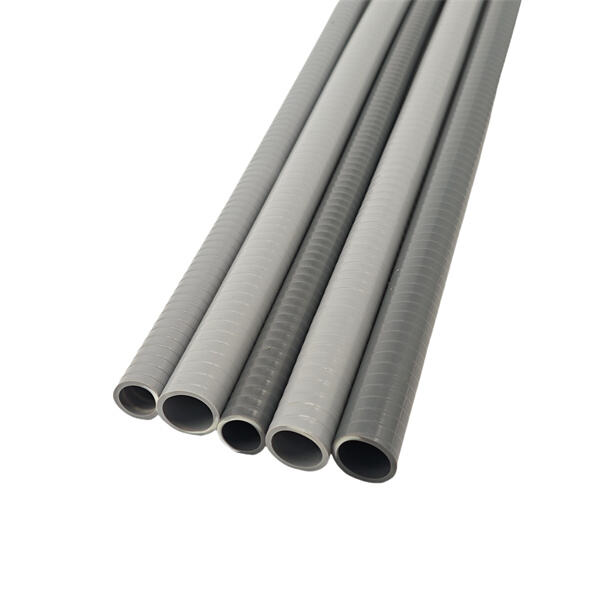
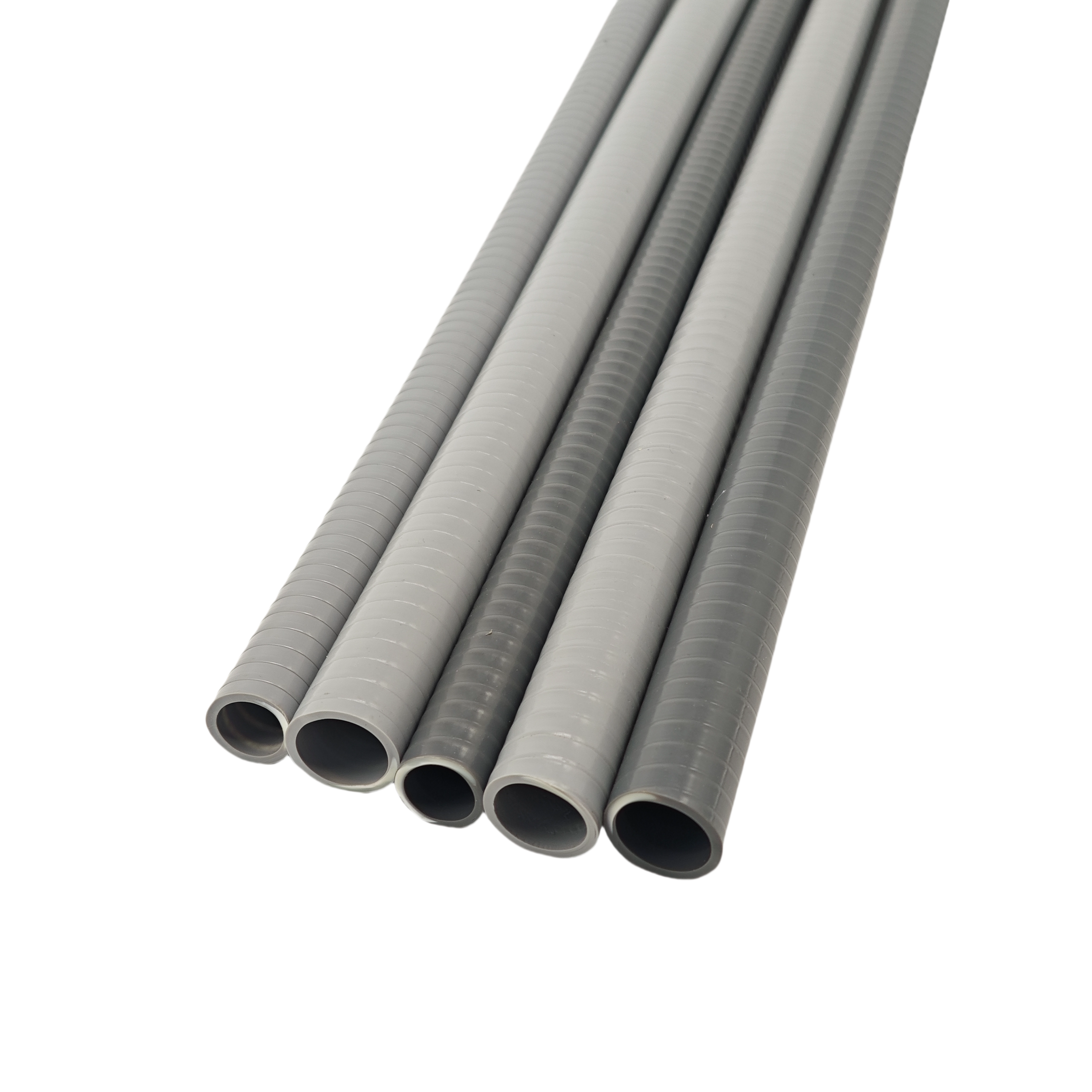
Before you can install Sealtight conduit pipe fittings, you must know how much is required. Use a tool called a conduit cutter to cut the conduit to the proper length. Then you just place the conduit over the wire and add the connectors. Be sure to seal the ends with tape or putty, so that no water can get in. Then be sure that the conduit is grounded well to help that electricity flow safely.
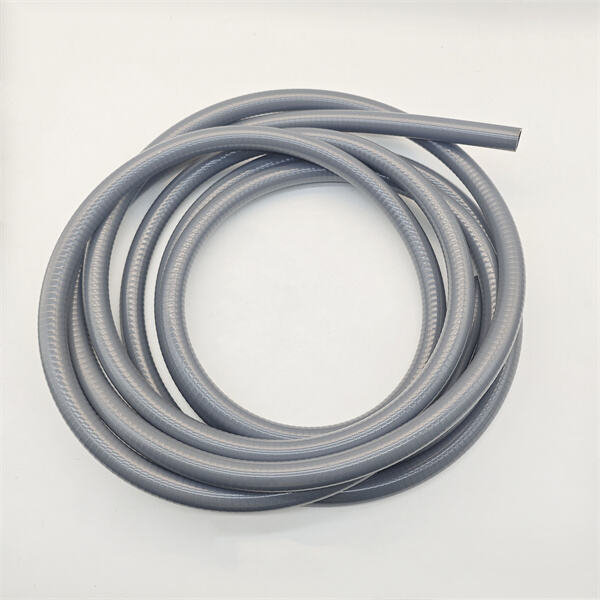
Sealtight conduit comes in different versions for different jobs. Some are crafted out of metal for added durability while others are made with plastic to easily bend along hard edges. You can also opt for solid conduit for straight runs and bends, or flexible conduit for connections at corners and around curves. There's a few key conduit types you'll need to know in order to choose the right type of conduit for your project or electrical installation.
"In general, it is a practice to not use seal-tight conduits for fire alarm conductors, but that is not something that the electrical system inspector is always aware of," Magnusson said. Check for any cracks, holes or loose connections that may allow water in. If you notice any problems, address them immediately so you can be sure your wires stay safe. Also, be sure to keep debris and the trash away from the conduit to avoid damage. Instead, maintaining your seal-tight conduit can help it last a long time, and keep your wires safe, too.