 EN
Quick Links
Flexible electrical conduit is an essential component in the electrical installation landscape, particularly in commercial and industrial settings. These conduits provide protection for electrical wiring while allowing for flexibility in installation. As a B2B buyer, your primary concerns may include material selection, durability, compliance with safety standards, and suitability for specific applications. This article will guide you through key specifications, comparisons of different materials, best practices, common problems, and applications of flexible electrical conduit to help you make informed purchasing decisions.
When sourcing flexible electrical conduit, several key specifications should be evaluated to ensure the product meets your specific needs.
Material Type: The conduit can be made from various materials, including PVC, steel, and aluminum. Each material has different properties that affect durability, flexibility, and resistance to environmental factors. For instance, PVC conduits offer excellent corrosion resistance, while steel conduits provide superior mechanical protection.
Diameter and Length: The size of the conduit is crucial for accommodating the number and size of wires. Ensure you specify the diameter and length required for your project, as these factors influence installation ease and compliance with electrical codes.
Flexibility and Bend Radius: The flexibility of the conduit is important, especially in tight spaces. Manufacturers often provide bend radius specifications, which indicate how sharply the conduit can be bent without damaging the wire inside.
Temperature Ratings: Different applications may require conduits that can withstand varying temperature ranges. Check the manufacturer’s specifications to confirm that the conduit can operate effectively under the anticipated temperature conditions.
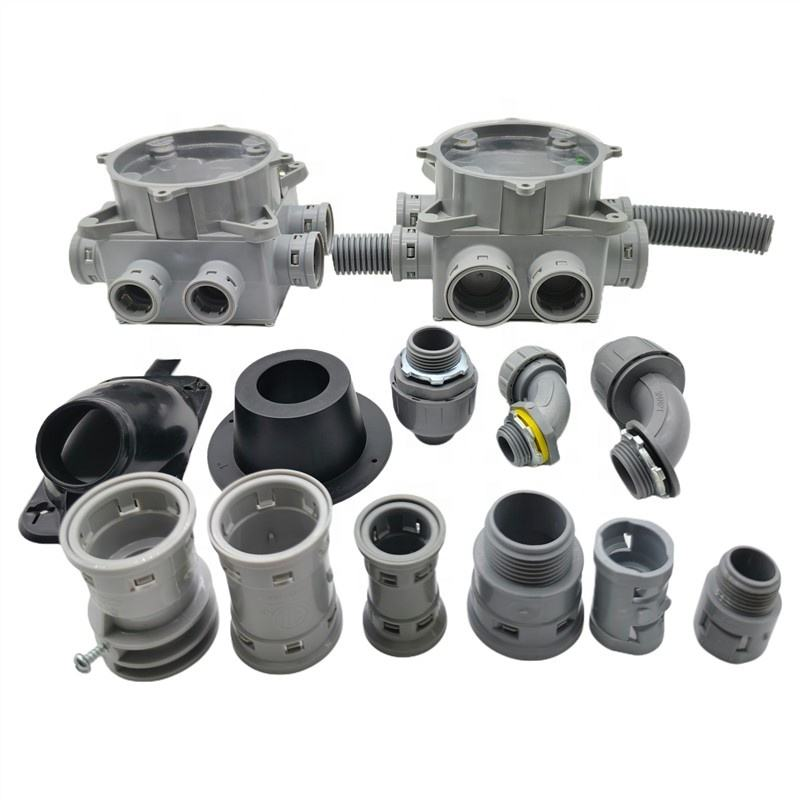
Certifications: Look for conduits that have been certified by relevant standards organizations, such as UL, cUL, or ETL. These certifications indicate compliance with safety standards and ensure the conduit will perform as expected in real-world applications. For example, you might consider the US Canadian Standards Metal Junction Box for its reliability in various environments.
Choosing the right material for flexible electrical conduits is essential for performance and safety. Here’s a comparative overview of the most common materials:
PVC Conduit: Lightweight and resistant to moisture and chemicals, PVC conduits are ideal for indoor installations and areas where exposure to corrosive substances is a concern. However, they may not provide the mechanical strength needed in high-impact environments.
Metallic Conduit (Steel or Aluminum): These conduits offer excellent mechanical protection and are suitable for outdoor applications or environments with physical stress. Steel conduits are more robust but may be prone to corrosion if not properly treated. Aluminum conduits are lighter and resist corrosion but may be less durable under heavy impact.
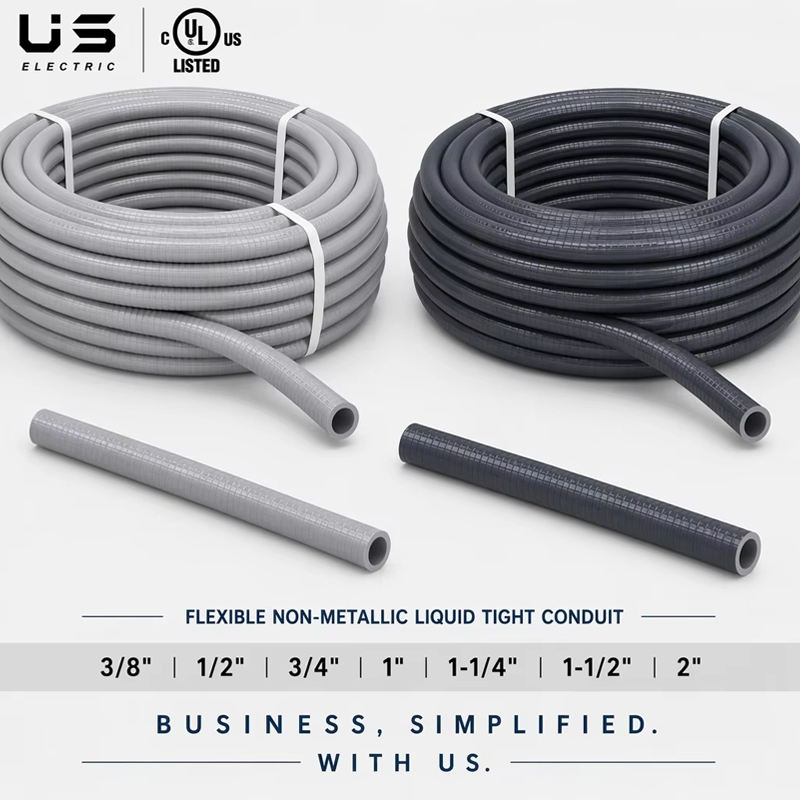
Flexible Non-Metallic Conduit (FMC): Made from thermoplastic materials, FMC provides flexibility and is often used in tight or complex installations. It is lightweight and resistant to chemical exposure but may not provide the same level of mechanical protection as metallic options.
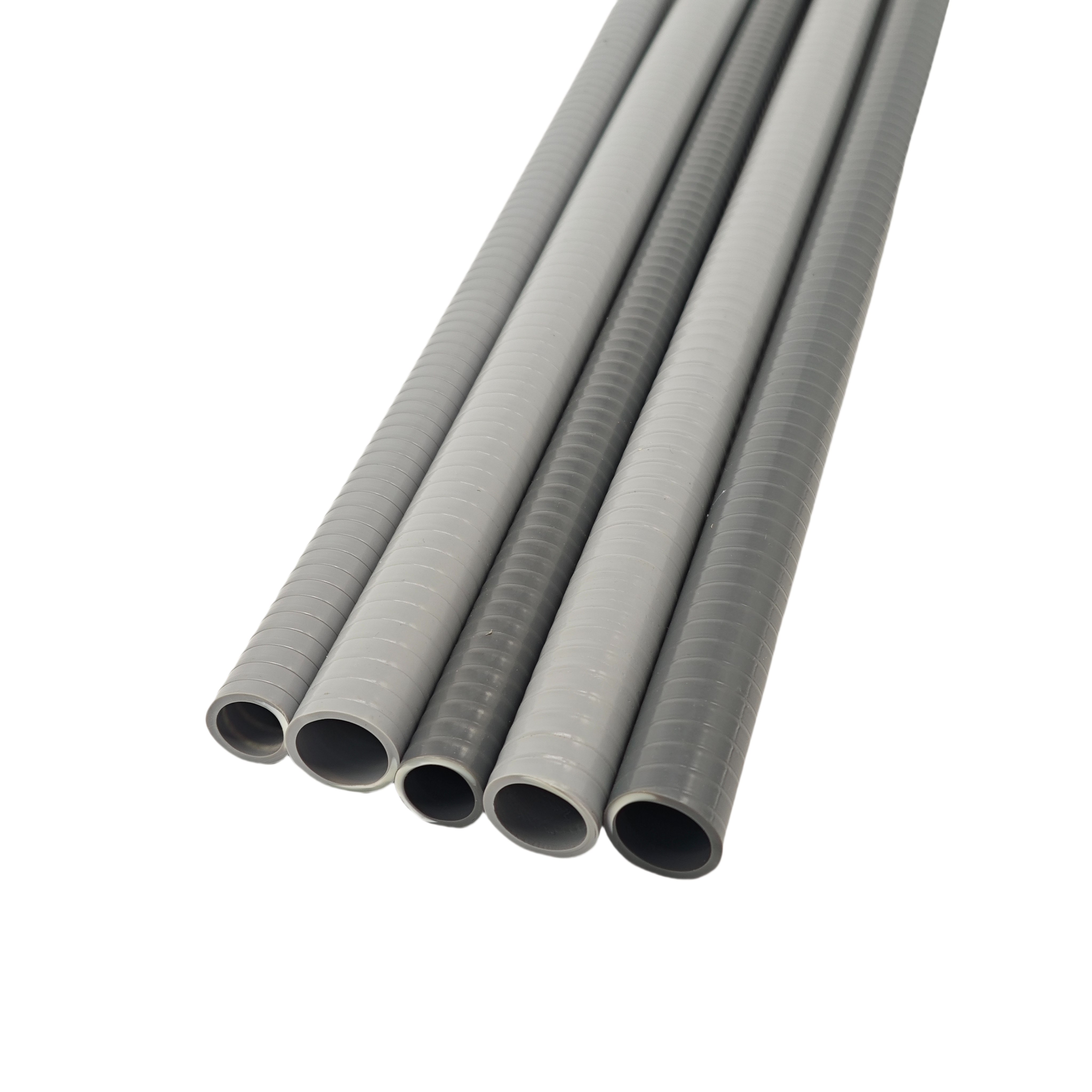
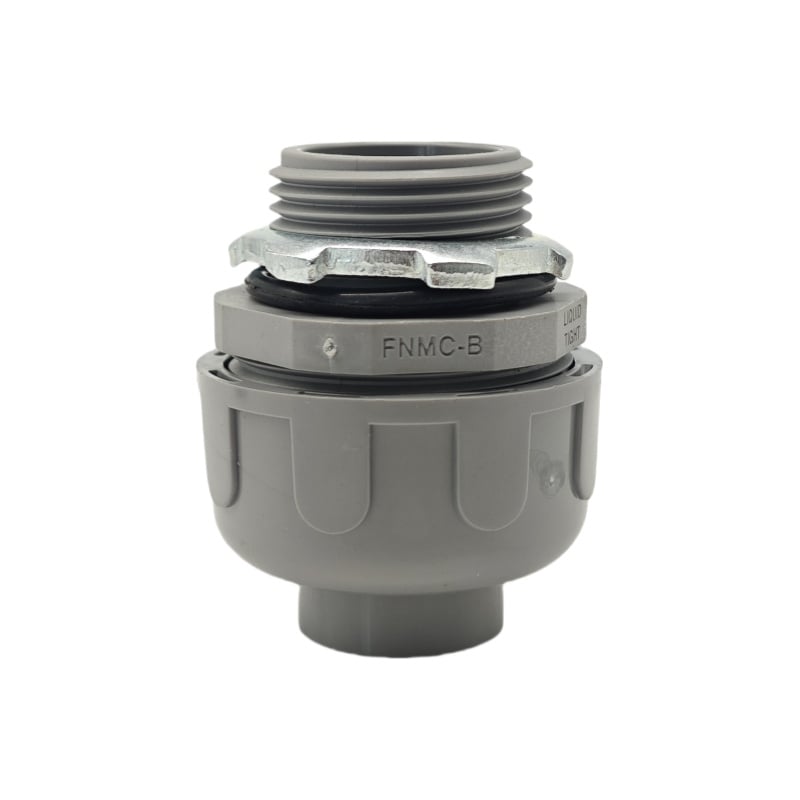
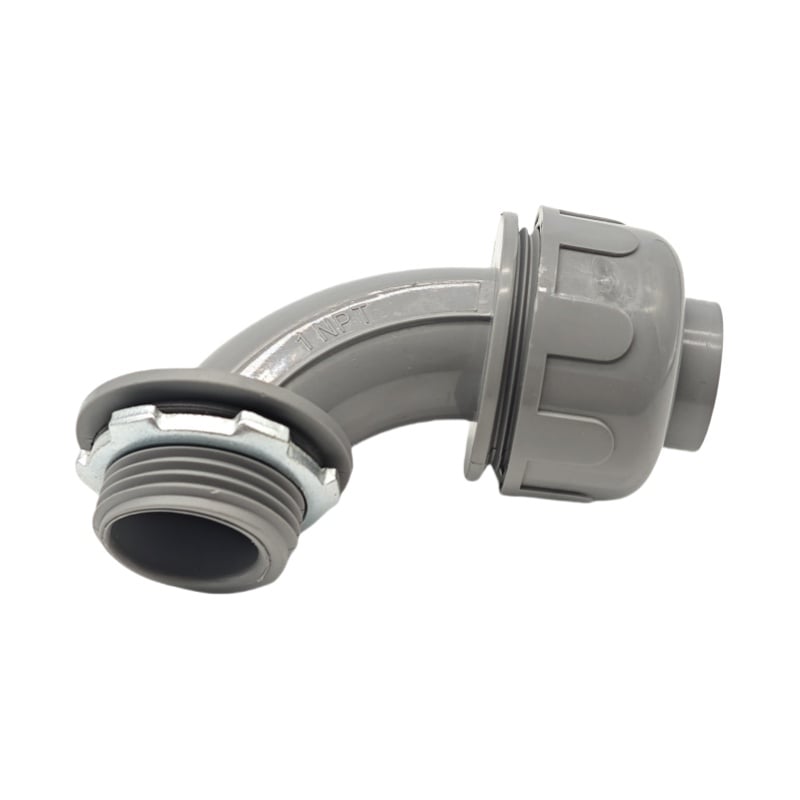
Liquid-tight Flexible Conduit: This type of conduit is designed for wet or damp locations, providing excellent protection against moisture. It's often made from PVC or other flexible materials with a liquid-tight construction to safeguard electrical wiring in challenging environments. You might want to explore options like Waterproof Liquid Tight Flexible Conduit for such applications.
When selecting a material, consider the application environment, required mechanical protection, and any chemical exposure that may occur.
Implementing best practices when using flexible electrical conduit can enhance safety and ensure compliance with regulations. Here are several recommendations:
Proper Installation Techniques: Follow manufacturer guidelines for installation. This includes ensuring that the conduit is securely fastened and supports the weight of the wires without sagging.
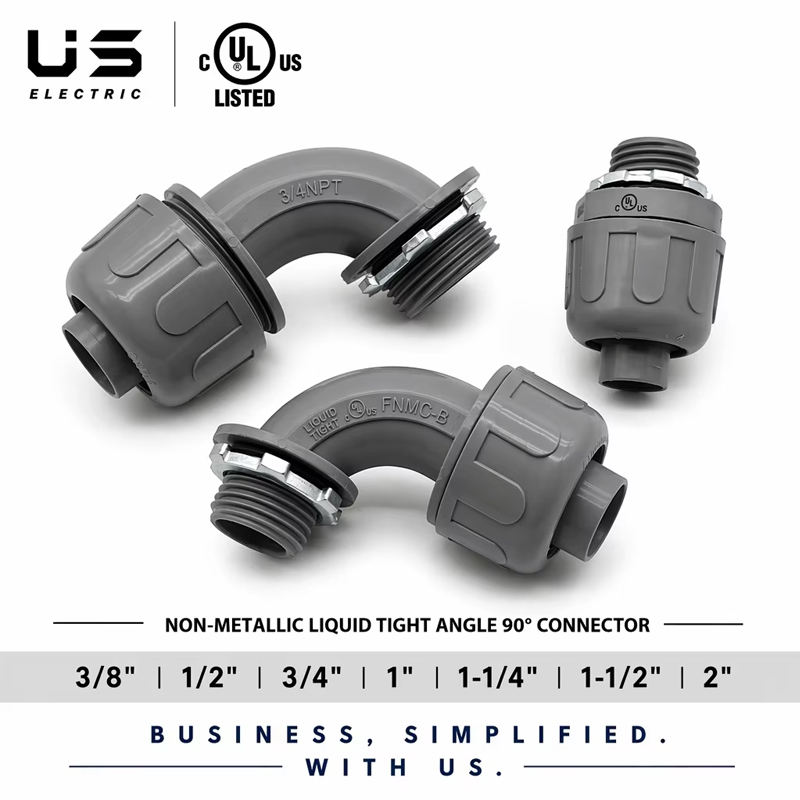
Use of Fittings: Always use appropriate fittings and connectors to secure the conduit at junctions and terminations. This helps in maintaining the integrity of the installation and prevents moisture ingress.
Regular Inspections: Conduct regular inspections of the conduit and wiring to identify any signs of wear, damage, or degradation. This proactive approach can help mitigate issues before they escalate.
Adhere to Local Codes: Always ensure compliance with local electrical codes and standards when selecting and installing electrical conduits. This not only ensures safety but also helps avoid potential legal and financial repercussions.
Sample Approval: Before committing to large orders, request samples and conduct tests under actual operating conditions. This ensures that the conduit meets performance expectations and is suitable for the intended application.
While flexible electrical conduits are robust, several common issues can arise during installation and use:
Kinking or Damage During Installation: Conduits can kink if not handled properly, which can lead to compromised integrity. To avoid this, ensure that bending and installation are performed according to the specified bend radius.
Moisture Ingress: In environments where moisture exposure is likely, check that the conduit is properly sealed at junctions and terminations. Using liquid-tight flexible conduits in these areas can provide additional protection.
Corrosion: For metallic conduits, corrosion can be a significant issue, especially in humid or corrosive environments. Consider using galvanized or powder-coated metallic conduits to enhance durability.
Wire Overheating: If the conduit is too small for the number of wires or the electrical load, overheating may occur. Ensure that the conduit size is adequate for the expected load and number of wires.
To address these issues effectively, maintain open communication with your supplier and ensure that you understand the specifications and limitations of the conduit you are using.
Flexible electrical conduits are widely used in various commercial applications due to their versatility and ease of installation. Here are some key areas where they are commonly employed:
Commercial Buildings: In office buildings, flexible conduits are often used to route wiring through walls and ceilings, providing a clean and organized appearance while allowing for future modifications.
Industrial Facilities: These conduits protect wiring in environments with high mechanical risks, such as factories and warehouses. Their flexibility allows for easy installation around machinery and equipment.
Outdoor Installations: Flexible conduits are suitable for outdoor applications, particularly when using liquid-tight options that provide protection against moisture and environmental stressors.
Data Centers: In data centers, where cable management is critical, flexible conduits help organize and protect numerous cables, facilitating maintenance and upgrades.
HVAC Systems: Flexible conduits are commonly used in HVAC installations to protect wiring that connects various components, ensuring that the system operates efficiently and safely. You might also consider options like 1 Gang Adjustable Mud Rings for specific installations.
Understanding these applications can help buyers recognize where flexible electrical conduit can provide value and enhance operational efficiency in their projects.