 EN
Quick Links
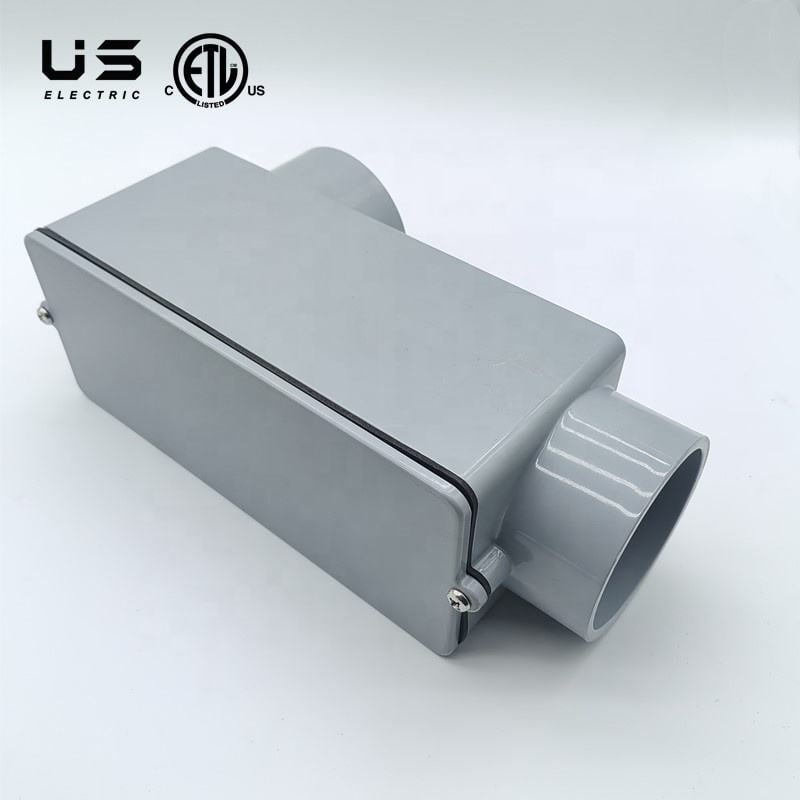
Electrical conduit boxes are essential components in electrical installations, designed to protect and house electrical connections and wiring. For B2B buyers, such as purchasing managers and engineers, key considerations include material selection, compliance with quality standards, and suitability for specific applications. This article will provide a comprehensive overview of electrical conduit box, helping you make informed decisions when sourcing these critical products.
When sourcing electrical conduit boxes, several specifications are crucial for ensuring the right fit for your project.
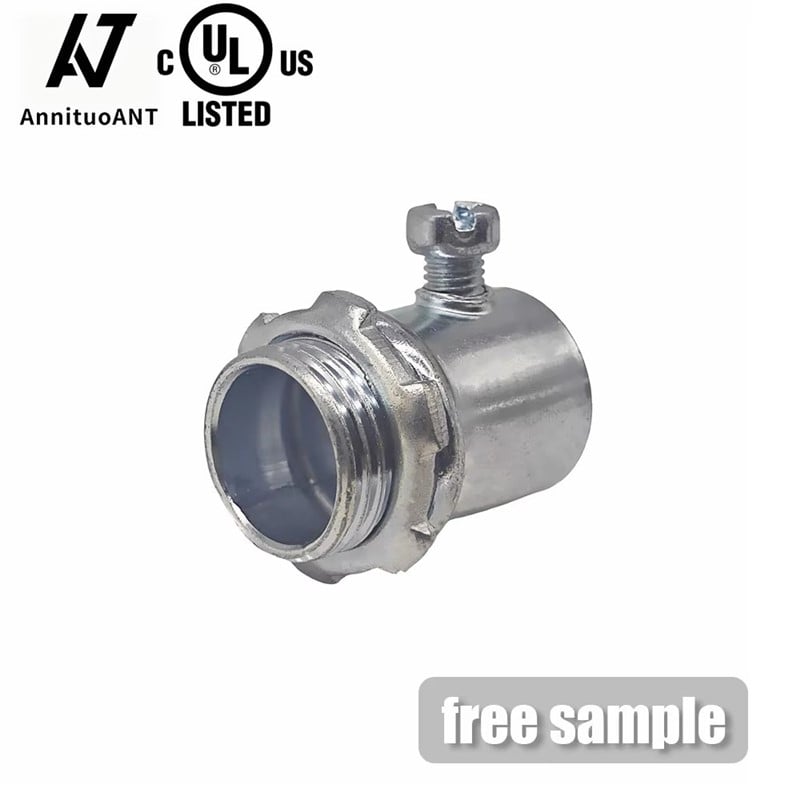
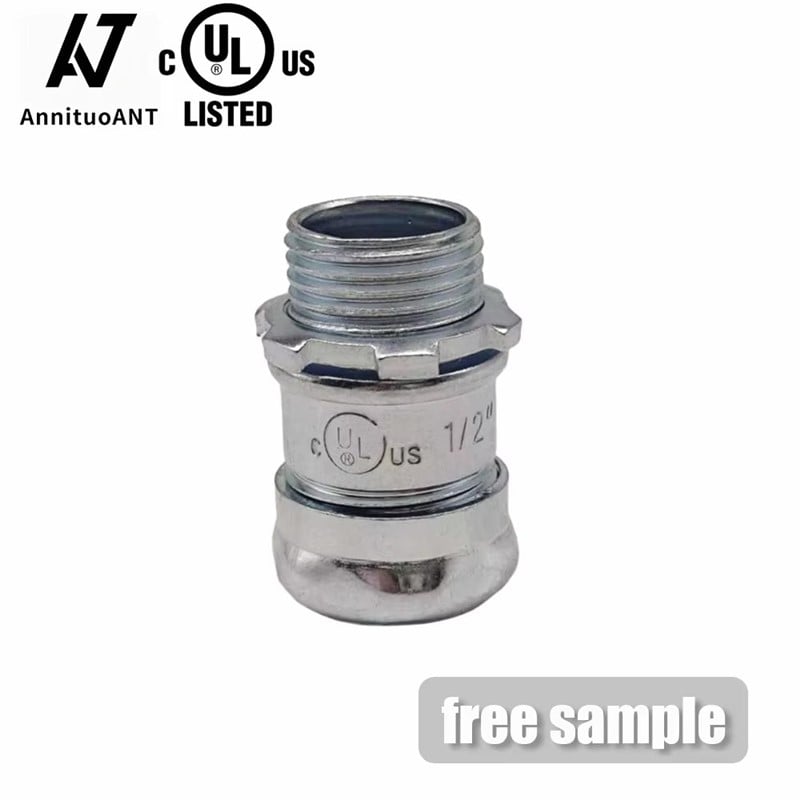
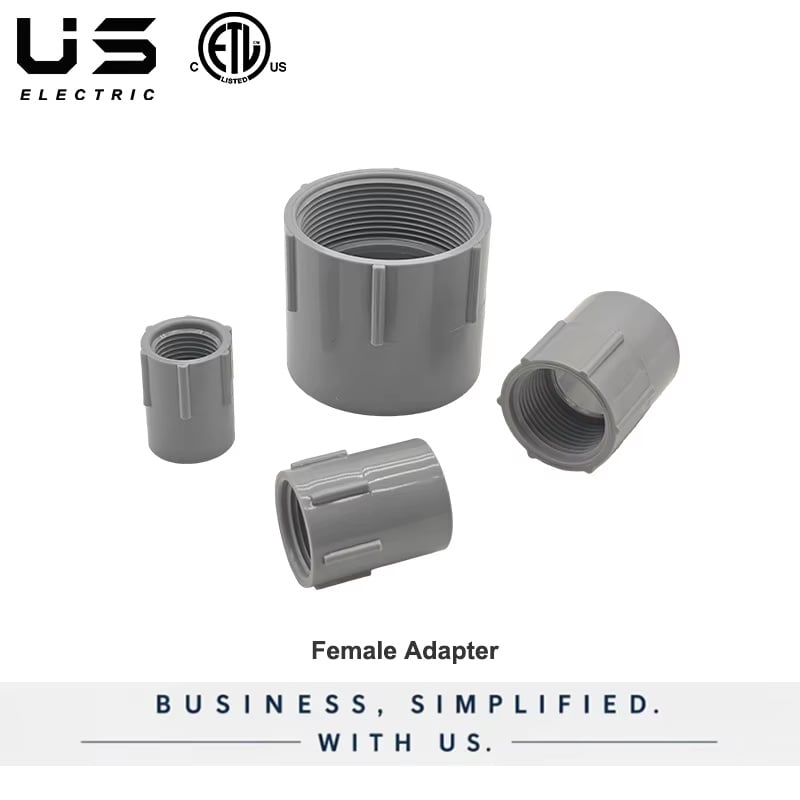
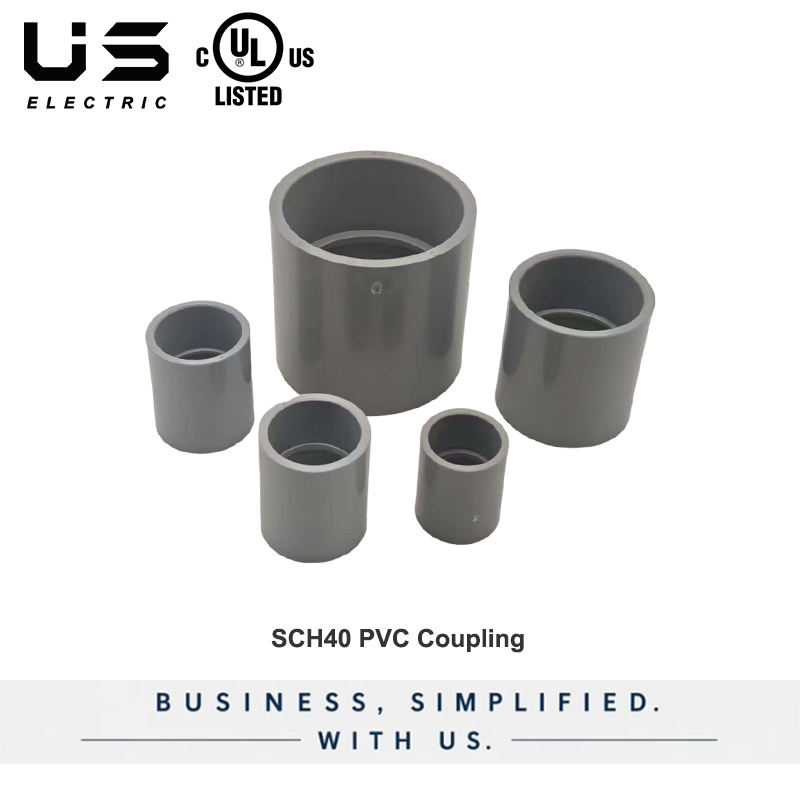
Material: Electrical conduit boxes are typically made from metallic (steel, aluminum) or non-metallic (PVC, fiberglass) materials. The choice between these materials depends on factors such as environmental conditions, installation location, and conductivity requirements. Metallic boxes offer better durability and grounding capabilities, while non-metallic options are lighter and resistant to corrosion.
Dimensions: Proper sizing is vital. The flex conduit metal boxes come in various sizes to accommodate different wiring configurations. Ensure that the dimensions match your installation specifications to prevent difficulties in fitting or future expansions.
Sealing and Protection Ratings: Look for IP (Ingress Protection) ratings that indicate the box’s resistance to dust and moisture. A higher rating is essential for outdoor or damp locations. UL/cUL and ETL/cETL certifications are also indicators of product safety and compliance with industry standards.
Load Capacity: Evaluate the maximum load the box can handle, especially if it will house heavy wiring or electrical components. This specification is vital for preventing overheating and ensuring safety.
Mounting Options: Consider whether the box will be surface-mounted or recessed. This impacts installation methods and the type of hardware required.
Quality standards play a significant role in the reliability and safety of electrical conduit boxes. Different manufacturing standards, such as UL (Underwriters Laboratories) and ETL (Intertek), provide assurance that products have been rigorously tested for safety and performance.
UL and ETL Certification: These certifications indicate compliance with North American safety standards. Products bearing these marks have undergone testing for electrical safety, durability, and performance, making them suitable for various applications.
ISO Certification: Manufacturers with ISO (International Organization for Standardization) certification demonstrate a commitment to quality management systems. This ensures consistent product quality, which is crucial for long-term reliability.
Material Compliance: Ensure that the materials used in the metallic conduit boxes comply with relevant standards, such as RoHS (Restriction of Hazardous Substances) and REACH (Registration, Evaluation, Authorisation, and Restriction of Chemicals), especially for environmentally-sensitive applications.
Understanding these standards helps buyers select reliable products and reduce the risk of installation issues or safety hazards.
When evaluating suppliers of electrical conduit boxes, there are several factors you should consider:
Manufacturing Capabilities: Assess whether the manufacturer can produce the specific types and quantities you require. Jiaxing ANT Electrical Co., Ltd., for instance, has extensive production capabilities, including over 1,000 different products, which can accommodate a variety of project needs.
Customization Options: Look for suppliers that offer customization capabilities, such as tailored sizes or configurations to meet specific project requirements. This flexibility can be critical for unique installations.
Quality Control Processes: Inquire about the quality control measures in place during production. A robust quality assurance process helps prevent defects and ensures product consistency.
Lead Times and Minimum Order Quantities (MOQ): Understanding lead times is crucial for project planning. Additionally, confirm the MOQ to ensure it aligns with your purchasing strategy.
Packaging and Shipping: Evaluate how the products will be packaged and shipped. Proper packaging is essential to prevent damage during transit.
The choice between metallic and non-metallic electrical conduit boxes depends on specific application needs and environmental conditions.
Metallic Electrical Conduit Boxes:
Strength and Durability: Metallic boxes are generally more robust and can withstand harsh conditions. They provide better protection for electrical systems, particularly in industrial environments.Grounding: These boxes facilitate grounding, which is essential for electrical safety. This reduces the risk of electrical shock and improves circuit performance.Heat Resistance: Metallic boxes can handle higher temperatures, making them suitable for applications involving high heat generation.
Non-Metallic Electrical Conduit Boxes:
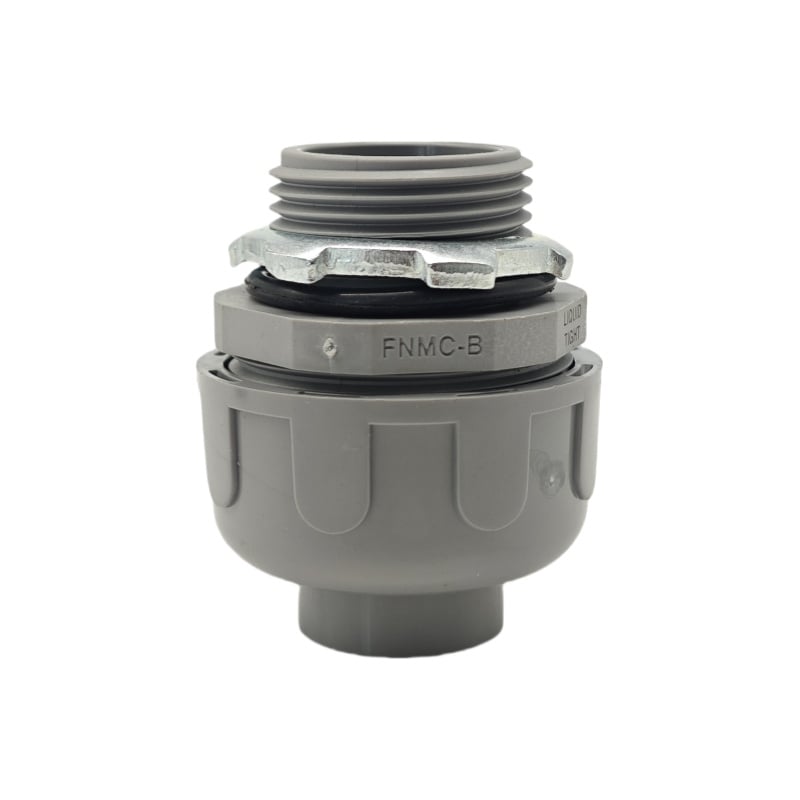
Corrosion Resistance: Non-metallic boxes, especially those made from PVC or fiberglass, resist rust and corrosion, making them ideal for outdoor or wet environments.Weight and Ease of Installation: They are lighter than metallic options, which simplifies installation and reduces labor costs.Cost-Effectiveness: Generally, non-metallic boxes are less expensive, making them a popular choice for budget-conscious projects.
Choosing the right type of conduit box can significantly impact the longevity and performance of the electrical system.
Contractors must possess essential technical knowledge regarding electrical conduit boxes to facilitate successful installations. Here are some key considerations:
Installation Requirements: Familiarize yourself with local electrical codes and regulations regarding the installation of conduit boxes. Compliance is crucial to ensure safety and avoid penalties.
Wiring Compatibility: Ensure that the conduit box can accommodate the type and size of wiring being used. Different cables may require different box configurations and sizes.
Environmental Conditions: Assess the installation environment. Factors such as temperature fluctuations, exposure to moisture, and potential chemical exposure can influence the choice of box material and design.
Future Expansion: Consider future electrical needs when selecting conduit boxes. Choosing slightly larger boxes can facilitate easier upgrades or modifications down the line.
Sample Approval: Before mass production, it is advisable to approve a finished sample. This helps confirm that dimensions, fit, and surface appearance meet project specifications, preventing issues during installation.
By understanding these technical aspects, contractors can ensure the successful installation and operation of electrical systems, leading to safer and more efficient outcomes.