EN
Quick Links
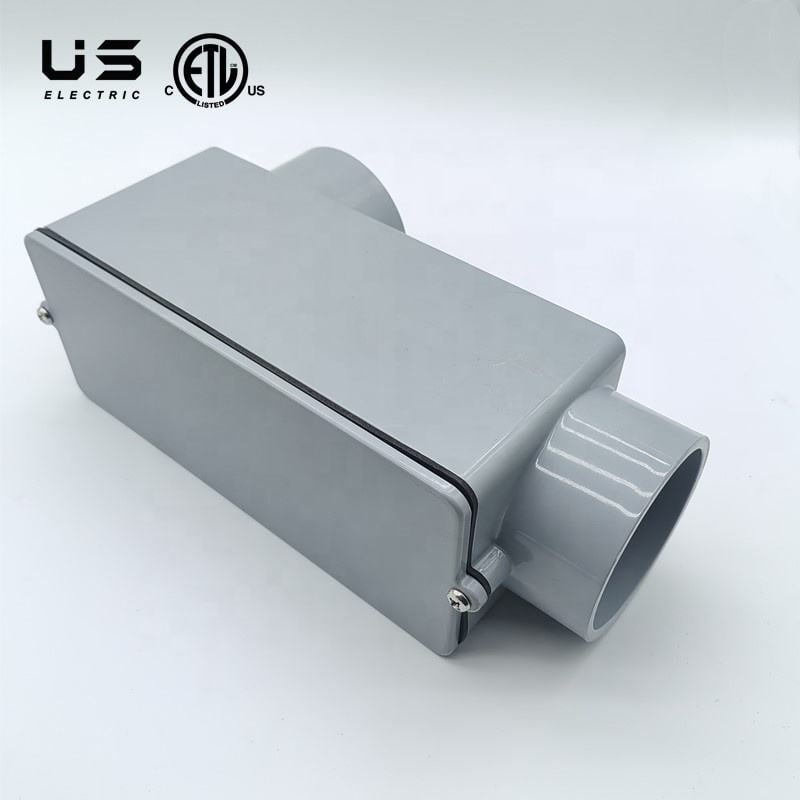
Choosing the right conduit box is crucial for any electrical installation project, as it ensures the safety and integrity of the wiring system. A conduit box serves as a protective enclosure for electrical connections, providing a secure location for splices and junctions. Buyers often face concerns regarding material selection, compatibility with existing systems, and installation requirements. This article will guide you through the essential factors to consider when selecting conduit joint box, sourcing suppliers, troubleshooting installation issues, comparing materials, and understanding when to use different types of conduit boxes.
Selecting the appropriate Anita conduit box involves understanding several key specifications that can impact its performance in your project. First, consider the dimensions of the box; it should accommodate the number of conductors and the type of splices you plan to make. Overcrowding can lead to overheating and electrical failure.
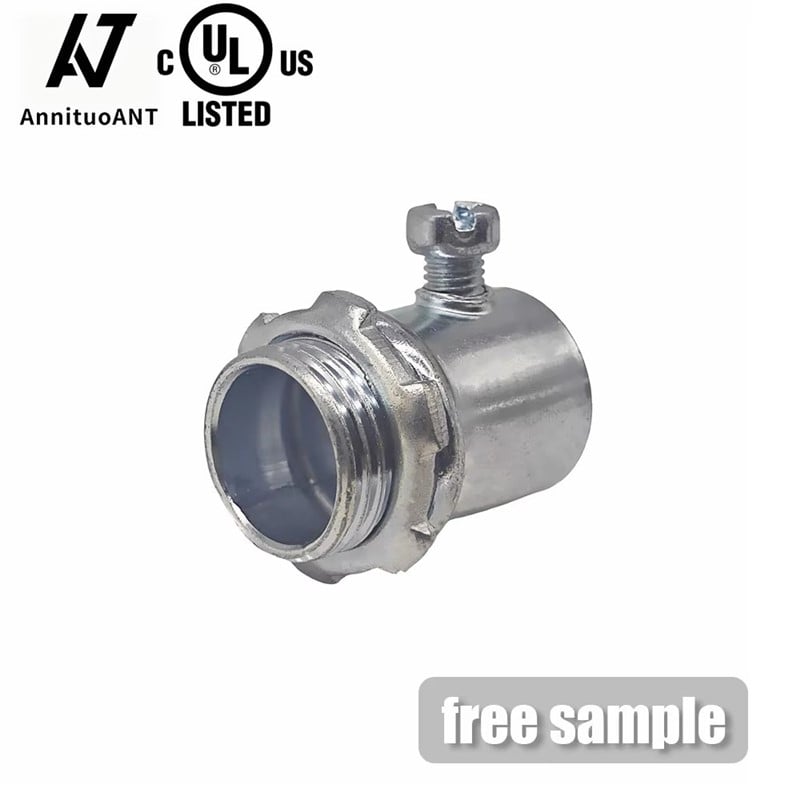
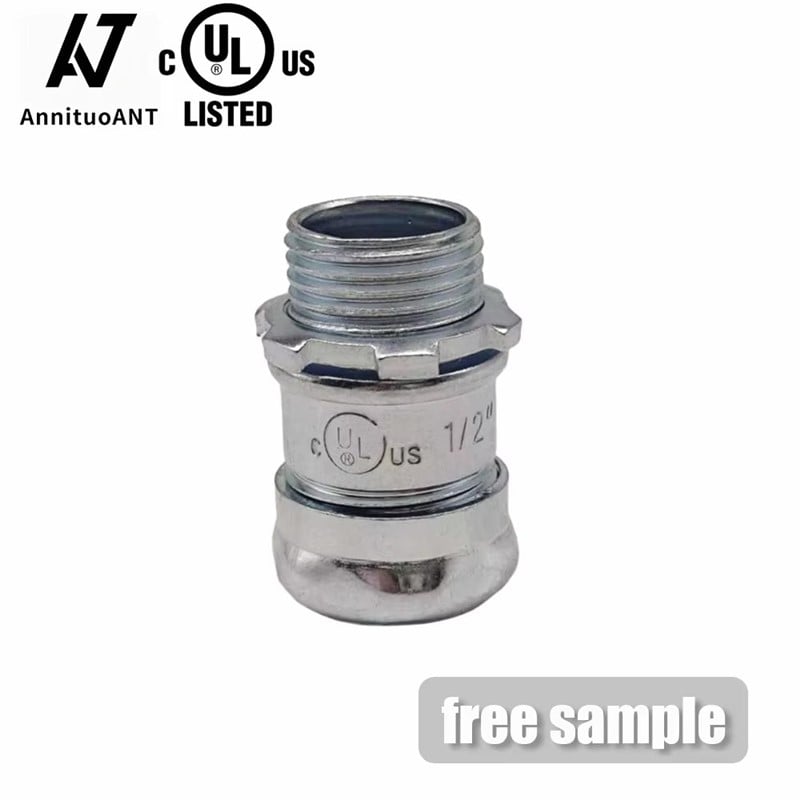
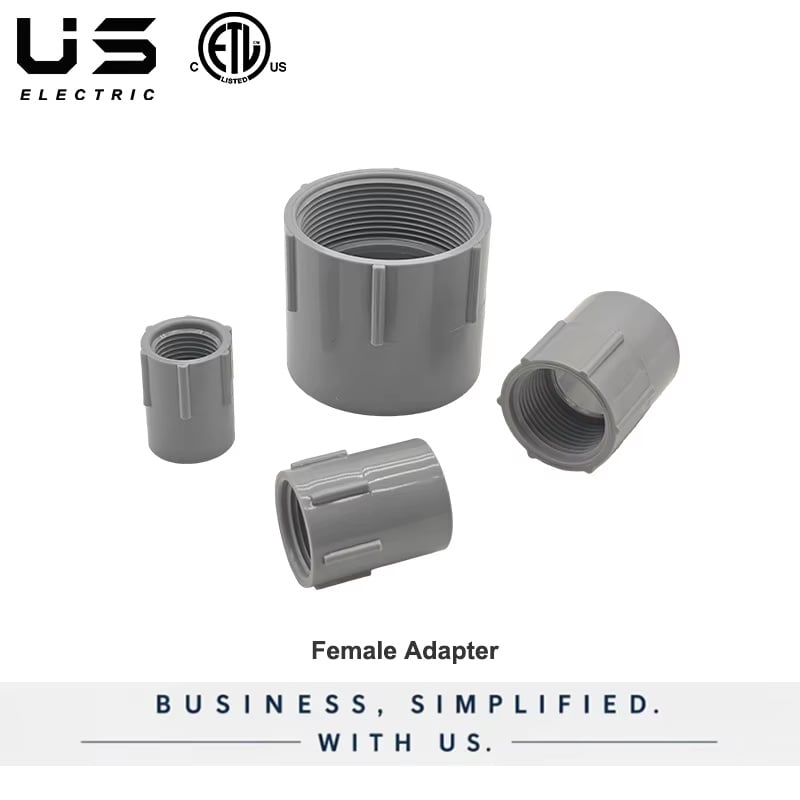
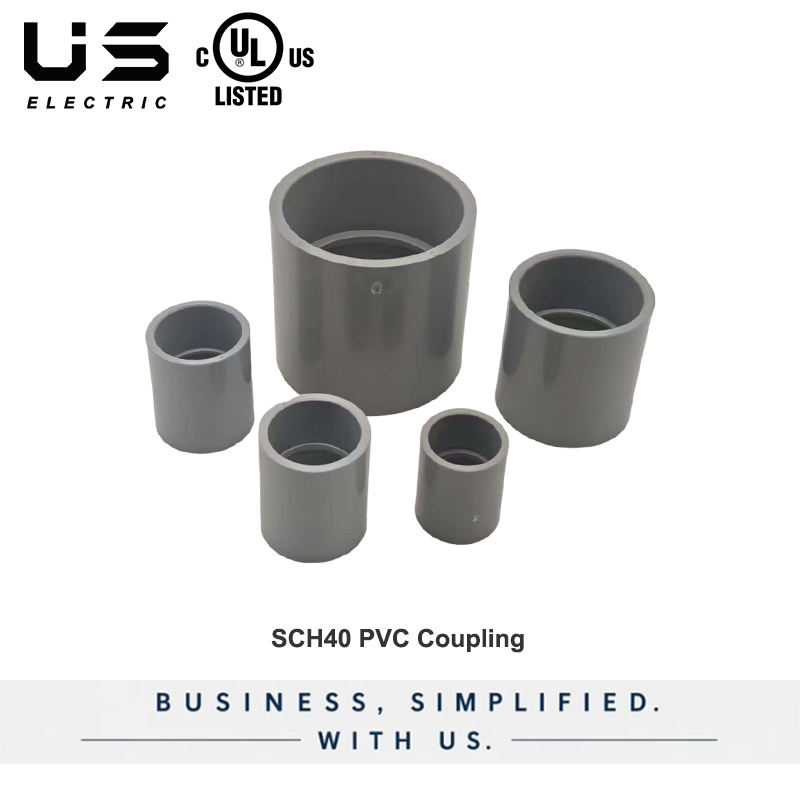
Next, evaluate the material. Conduit boxes made from metallic materials, such as steel or aluminum, provide superior durability and grounding capabilities, making them suitable for industrial applications. Conversely, non-metallic boxes, often made from PVC or fiberglass, are lightweight, resistant to corrosion, and ideal for residential environments where moisture may be a concern.
Additionally, ensure that the box is rated for the environment in which it will be installed. For example, outdoor installations may require weather-resistant models, while hazardous locations may necessitate explosion-proof designs. Understanding your project's specific electrical load and environmental conditions will guide you in making an informed decision.
Sourcing conduit boxes from reputable suppliers is essential for ensuring quality and compliance with industry standards. Start by researching manufacturers with a proven track record in the electrical equipment industry. Look for companies that have been in the business for several years, such as Jiaxing ANT Electrical Co., Ltd., which has over 14 years of experience and a diverse product range.
Check for certifications that demonstrate adherence to safety and quality standards, such as UL/cUL and ETL/cETL. These certifications indicate that the products have been tested and meet specific safety requirements.
When requesting quotes, be clear about your specifications, including material type, dimensions, and quantity. Establishing a good relationship with your supplier can also lead to better pricing and service. Consider requesting samples before placing bulk orders to ensure the product meets your expectations and application requirements.
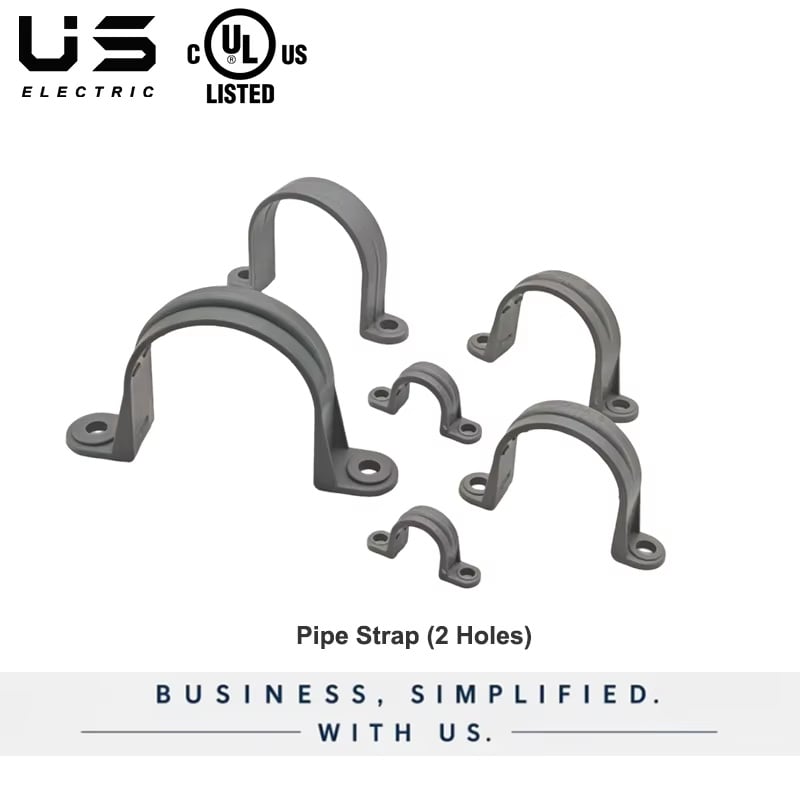
Even experienced electricians may encounter installation challenges with Anita conduit boxes. One common issue is improper alignment of conduits entering and exiting the conduit junction box, which can lead to stress on the wiring and potential damage over time. To mitigate this, ensure that conduits are properly secured and that the box is positioned to allow for smooth transitions.
Another frequent problem is inadequate sealing, which can allow moisture and dust to enter the box. This can lead to electrical shorts and corrosion. Use appropriate gaskets and sealing compounds when installing the box to maintain its integrity.
Lastly, ensure that the box is appropriately sized for the number of wires and fittings it will contain. Overcrowding can lead to overheating and increase the risk of electrical failure. Always adhere to local electrical codes and standards during installation to ensure safety and compliance.
The choice between metallic and non-metallic conduit boxes can greatly affect the performance and safety of your electrical system. Metallic conduit boxes, typically made from steel or aluminum, offer high durability and excellent grounding capabilities. They are resistant to impact and extreme temperatures, making them suitable for industrial applications and environments where exposure to chemicals or physical stress is expected.
On the other hand, non-metallic conduit boxes, often constructed from PVC or fiberglass, are lightweight and resistant to corrosion, making them ideal for residential use or locations prone to moisture. They are also easier to install, as they do not require grounding and can be cut with standard tools.
When deciding on materials, consider the environment in which the conduit box will be used. For instance, in coastal areas with high humidity and salt exposure, a non-metallic option may be preferable due to its resistance to corrosion. Conversely, in heavy-duty industrial applications, metallic boxes may be the better choice due to their strength.
Understanding when to use different types of Anita conduit boxes is essential for ensuring the effectiveness and safety of your electrical installations. Junction boxes are commonly used to connect multiple circuits and protect connections, while pull boxes are utilized to facilitate the pulling of wires through conduits, especially in long runs.
For outdoor applications, weatherproof boxes are necessary to guard against moisture infiltration and environmental damage. If the installation is in a hazardous location, ensure that you select explosion-proof boxes that meet specific safety standards.
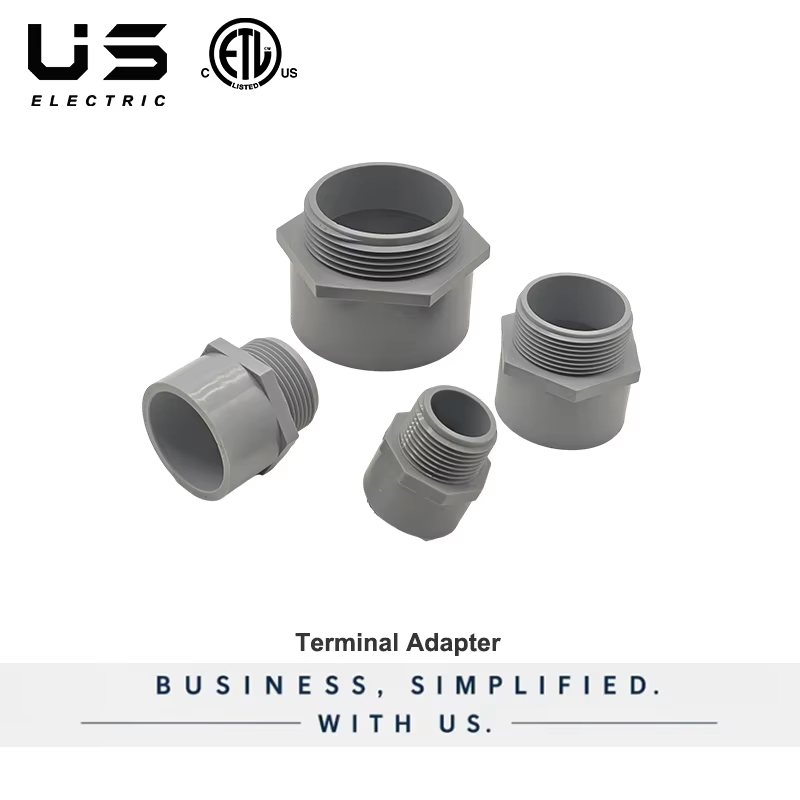
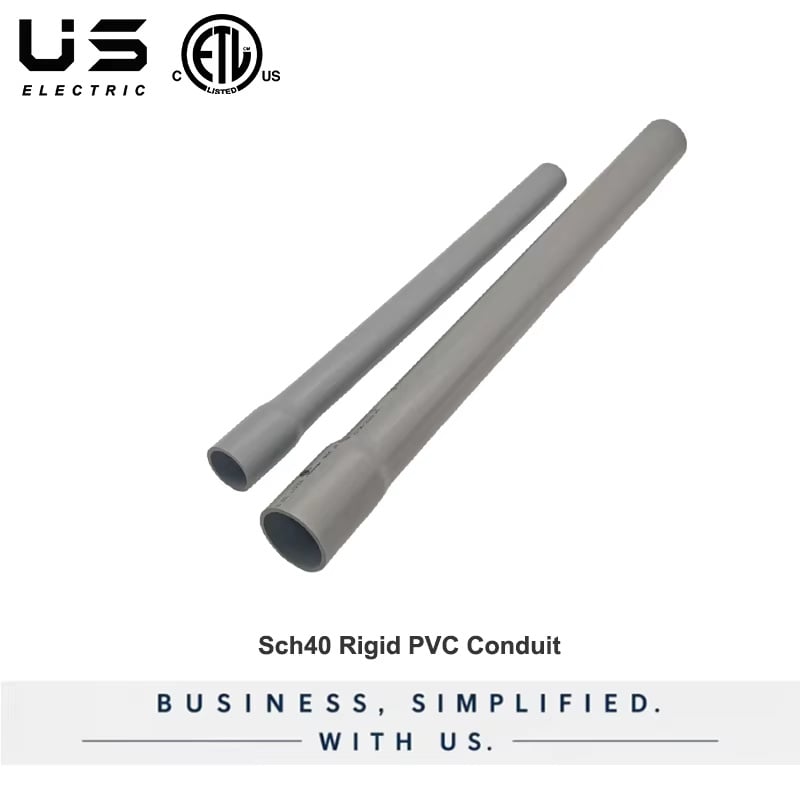
Additionally, consider the type of conduit employed. For rigid conduit systems, a larger junction box for conduit may be necessary to accommodate the wiring and ensure compliance with electrical codes. In contrast, flexible conduit systems may require smaller boxes.
By assessing the specific requirements of your electrical project, including environmental factors and application needs, you can effectively determine the appropriate conduit box type to use.
In summary, the selection and installation of conduit boxes require careful consideration of multiple factors, including size, material, and environmental conditions. By understanding the key aspects discussed , you can make informed decisions, ensuring the safety and reliability of your electrical installations.