 EN
Quick Links
Electrical conduits are essential components in electrical installations, serving as protective channels for electrical wiring. As a B2B buyer, understanding the various types of electrical conduits, their applications, and how to select the right one for your projects is crucial. This article will guide you through the factors to consider when choosing electrical conduits, the cost implications, quality evaluation, and the advantages of metallic versus non-metallic options.
When selecting electrical conduits, several key factors should be taken into account. First, consider the environment in which the conduit will be installed. For outdoor applications, UV-resistant materials are essential to prevent degradation. Conversely, indoor installations may allow for more flexibility in material choice.
Next, assess the type of wiring that will be housed within the conduit. Different conduits accommodate various wire sizes and types, so it’s critical to match the conduit specifications with your electrical requirements. Additionally, consider installation conditions, such as whether the conduit will be exposed to moisture, chemicals, or extreme temperatures. For example, PVC conduits are often recommended for wet locations due to their resistance to corrosion.
Lastly, think about the installation process. Some conduits, like EMT (Electrical Metallic Tubing), are lightweight and easy to install, while others may require more complex fittings and supports. Understanding these factors will guide you in making an informed decision that aligns with your project specifications. For instance, using 1 Gang Adjustable Mud Rings can simplify installation in certain scenarios.
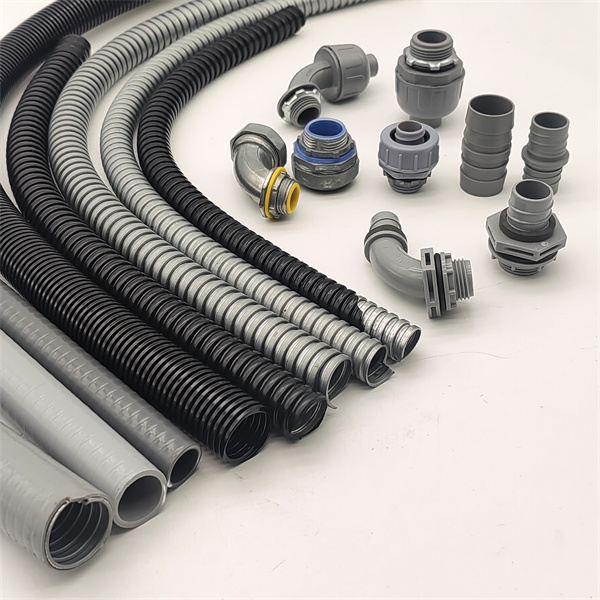
The cost of electrical conduits can vary widely based on several factors, including material type, diameter, and length. Metallic conduits, such as steel or aluminum, generally have a higher upfront cost compared to non-metallic options like PVC. However, metallic conduits may provide increased durability and longevity, potentially offsetting initial costs over time.
Other cost factors include the quantity ordered and any customization requirements. Suppliers may offer lower prices for bulk purchases, making it advantageous to buy in larger quantities when feasible. Additionally, consider lead time and shipping costs, especially if the conduits need to be delivered to remote locations. Utilizing US Canadian Standards Metal Junction Boxes can also impact overall costs positively.
When requesting quotes, be sure to provide details such as the type of conduit, required lengths, and any specific application requirements. This information will help suppliers provide accurate pricing and availability.
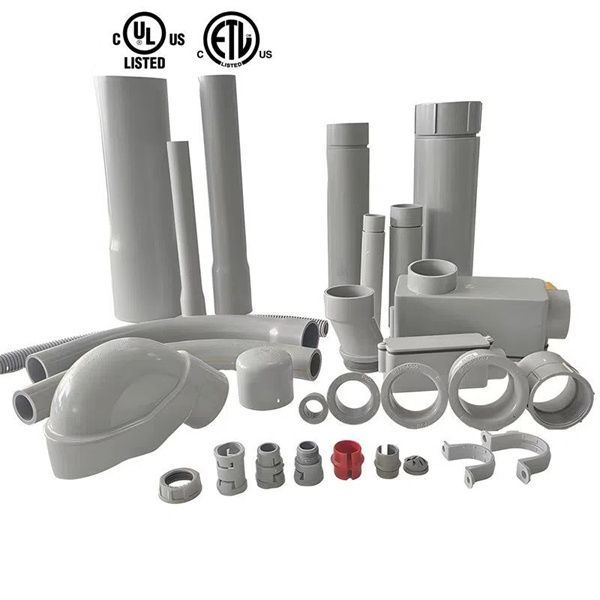
Evaluating the quality of electrical conduits is vital for ensuring safety and performance. Start by checking for relevant certifications, such as UL/cUL or ETL/cETL, which indicate compliance with safety standards. These certifications can provide assurance that the product has been tested for reliability.
Next, inspect the material quality. For metallic conduits, look for features such as corrosion resistance and durability. For non-metallic conduits, ensure they are made from high-quality PVC or similar materials that can withstand the intended environmental conditions.
Additionally, examine the manufacturing process. Reliable manufacturers often have strict quality control processes in place, including inspections during production and before shipment. Requesting samples for testing under actual operating conditions can also help you verify the conduit’s suitability for your application.
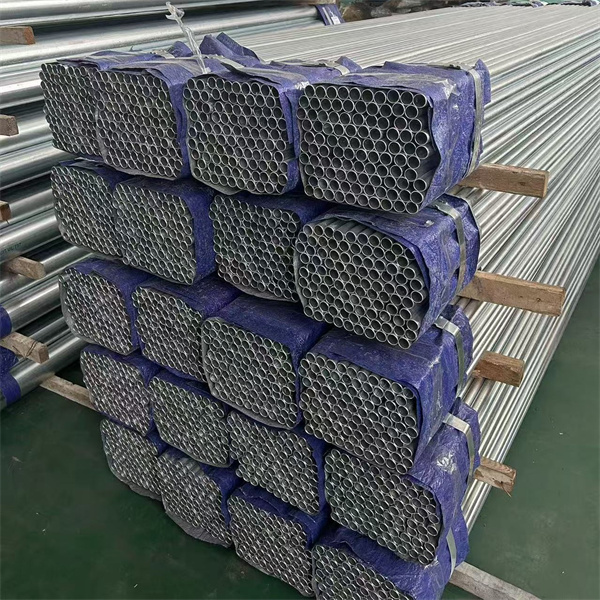
Choosing between metallic and non-metallic electrical conduits depends on specific project needs. Metallic conduits, like EMT or rigid steel, offer superior strength and durability. They are highly resistant to physical damage and are suitable for high-pressure or hazardous environments. Additionally, metallic conduits provide excellent grounding capabilities, which can enhance safety in electrical installations.
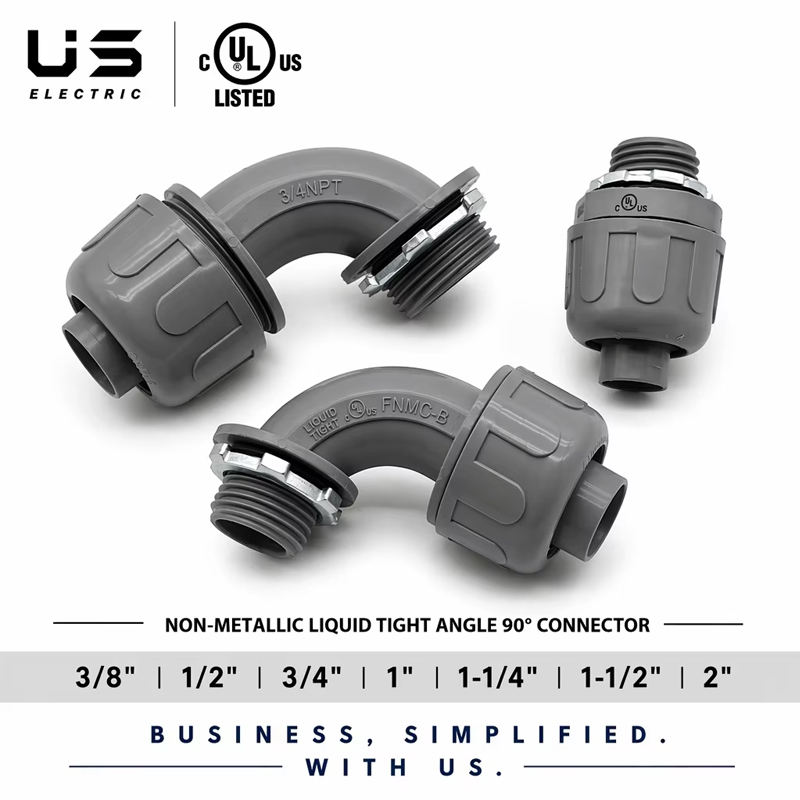
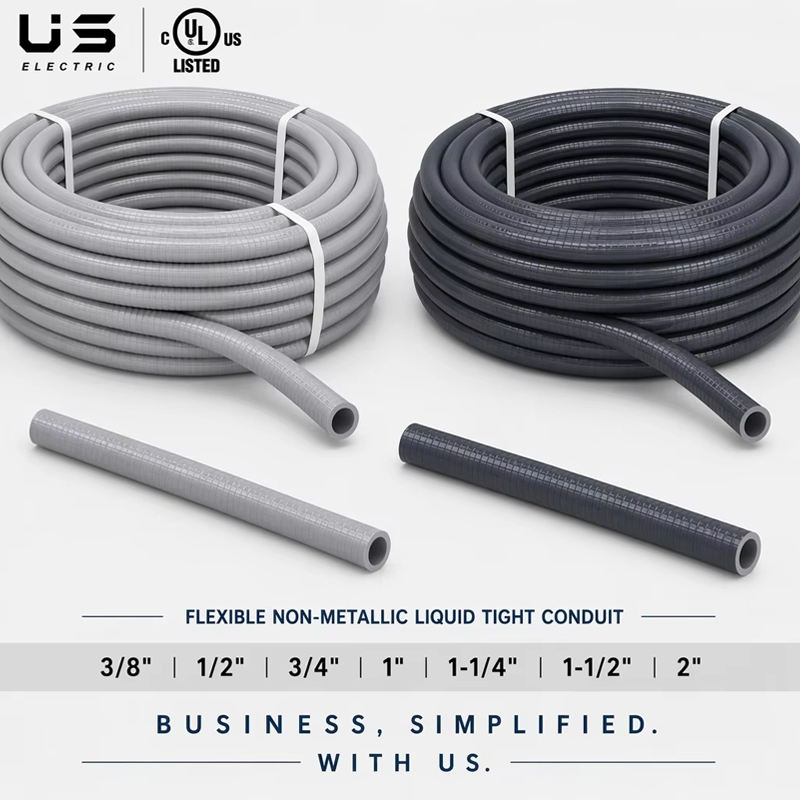
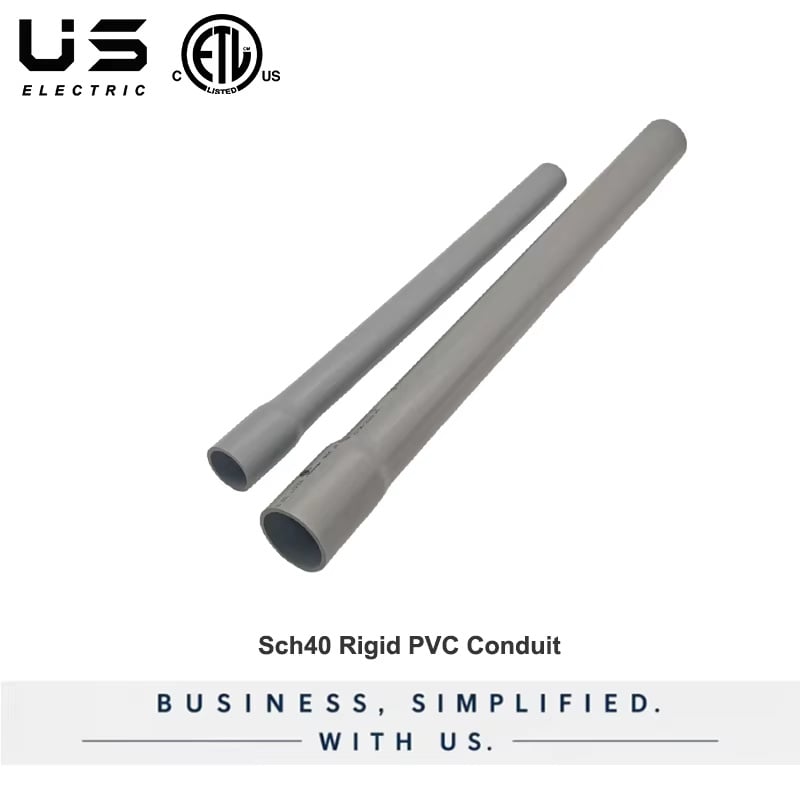
On the other hand, non-metallic conduits, such as PVC, are lightweight and easy to install. They are resistant to corrosion and chemicals, making them ideal for wet or harsh environments. Non-metallic options also tend to be more cost-effective, especially for extensive installations.
Ultimately, the choice between metallic and non-metallic conduits should consider factors such as installation environment, load requirements, and budget constraints. Assessing these aspects will help you determine the most suitable option for your project.
When evaluating electrical conduits, several technical specifications should be considered to ensure proper performance:
Diameter: The conduit diameter must accommodate the wiring and allow for easy installation. The National Electrical Code (NEC) provides guidelines for conduit fill, which should be followed to prevent overheating and ensure efficient operation.
Material: As discussed, conduits are available in various materials, each with its advantages and disadvantages. The choice of material should align with the environmental conditions and mechanical requirements of the installation.
Thickness: The conduit wall thickness affects its strength and durability. For example, thicker walls provide better protection against physical damage, while thinner walls may be more economical for light-duty applications.
Bend Radius: The minimum bend radius is crucial for maintaining the integrity of the wiring within the conduit. Exceeding the bend radius can lead to wire damage or electrical failure.
Impact Resistance: Depending on the application, the conduit may need to withstand significant impact. Assessing the impact resistance rating can help ensure the conduit will perform effectively under expected conditions.
Sealing and Gaskets: For conduits exposed to moisture, ensuring proper sealing and the use of gaskets is essential to prevent water ingress.
By carefully considering these specifications, buyers can select conduits that meet both safety and performance requirements for their specific applications.
Understanding these aspects of electrical conduit selection, evaluation, and application will empower B2B buyers to make informed decisions that align with their project needs and standards. With the right knowledge, you can ensure that your electrical installations are both safe and efficient.