
 EN
EN
Quick Links
Distributors who carry the right product mix win repeat orders; those who guess end up with dead inventory. The two most common stocking questions in electrical wholesale are metal vs non-metallic electrical box and EMT vs PVC conduit. Each pairing maps to different installation environments, price points, and code requirements across North American markets. This guide gives technical buyers a clear framework to decide what to stock and how to brief an electrical conduit supplier so the inbound mix matches real jobsite demand.
The first decision is enclosure material, because it dictates application and price.
A credible manufacturer should offer both families plus matching covers and brackets, so a distributor can fulfill mixed jobsite BOMs from one supplier
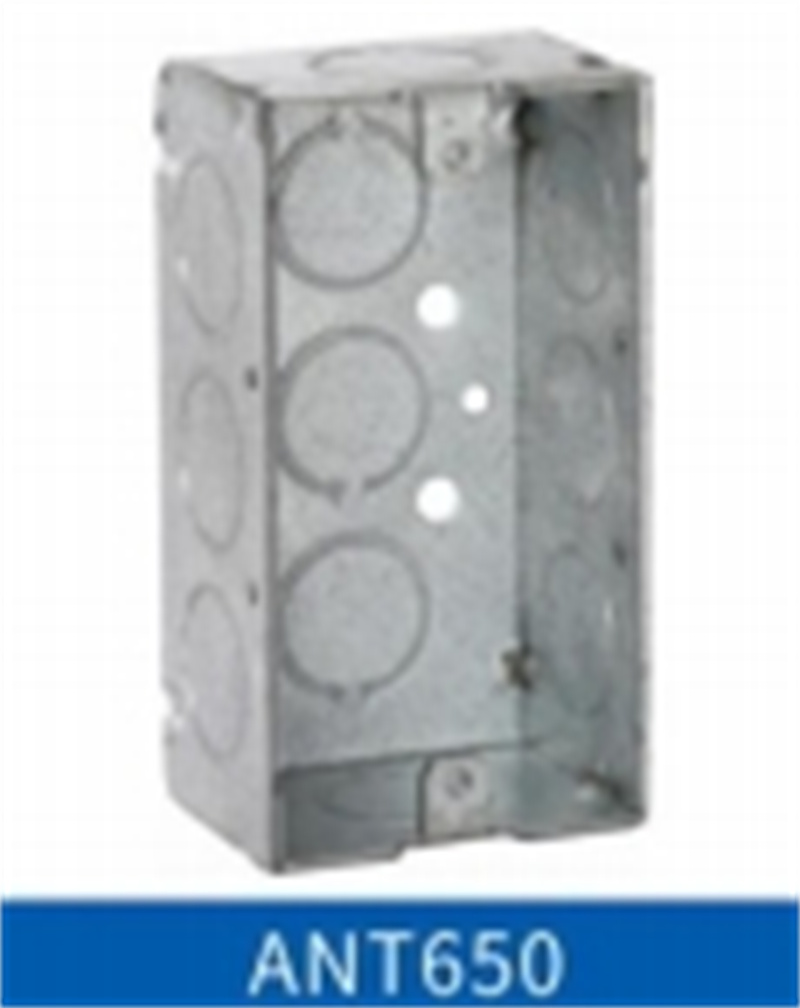
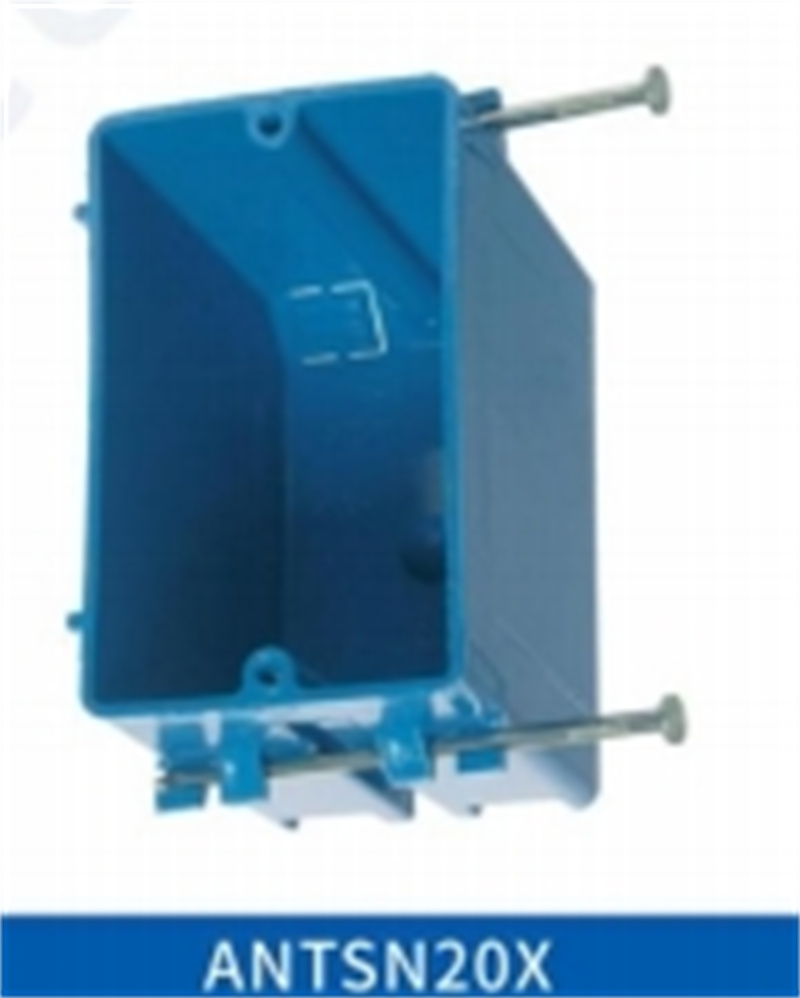
Carry steel boxes for contractors serving commercial/industrial accounts and non-metallic for residential remodel and value channels. Stocking both protects you when a single project requires a mix.
Conduit choice follows the same environment-first logic.
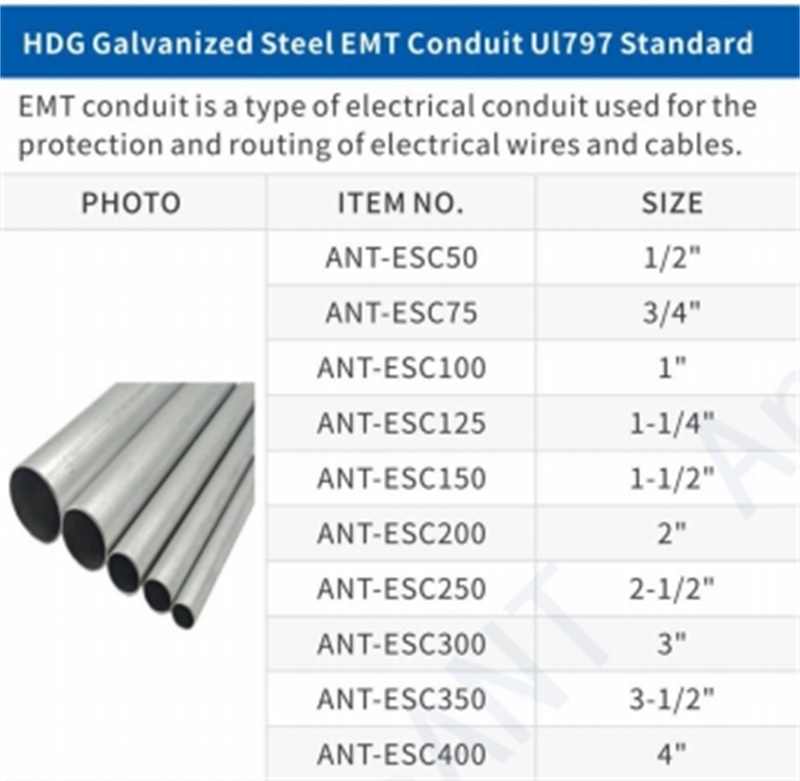
Thin-wall steel raceway for exposed commercial interiors. It installs fast with compression or set-screw fittings and provides mechanical protection. Pair it with UL-listed EMT fittings—coupling quality is where cheap supply fails.
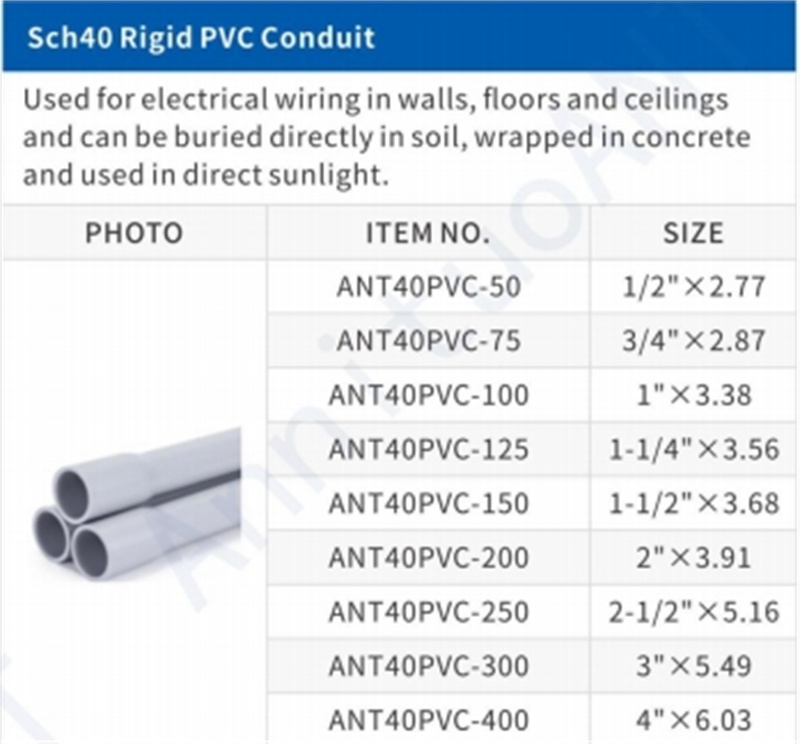
Lightweight, corrosion-proof, and economical for underground, wet, and residential runs. PVC conduit fittings—couplings, elbows, adapters—must match the schedule and the local code listing.
|
Parameter |
Metal Box / EMT |
Non-Metallic Box / PVC |
Recommendation |
|
Relative cost |
Higher |
Lower |
Stock both by channel |
|
Corrosion resistance |
Needs coating |
Excellent |
PVC for wet/underground |
|
Mechanical protection |
Excellent |
Moderate |
Metal for exposed industrial |
|
Grounding |
Built-in path |
Separate ground required |
Brief contractors clearly |
|
Typical use |
Commercial/industrial |
Residential/damp |
Match to jobsite type |
The takeaway: there is no universally "better" option—only the right product for the installation. A distributor's edge comes from stocking a coherent mix and sourcing it from one supplier to simplify logistics.
Both metallic and non-metallic systems must carry the correct North American listing (UL for the U.S., cUL for Canada). Sourcing boxes, EMT fittings, PVC conduit, and accessories from a single one-stop manufacturer—rather than four separate traders—reduces documentation gaps, consolidates freight, and keeps certification traceable. With 1,000+ SKUs spanning metallic and non-metallic boxes, conduit, fittings, switches, and brackets, an established producer like Jiaxing Anita Electrical lets distributors build a full BOM in one container.
Three takeaways: (1) choose box and conduit material by environment, not by price alone; (2) stock a metal/non-metallic mix to cover both commercial and residential channels; (3) consolidate sourcing with one certified, one-stop supplier to cut freight and compliance risk.