 EN
Quick Links
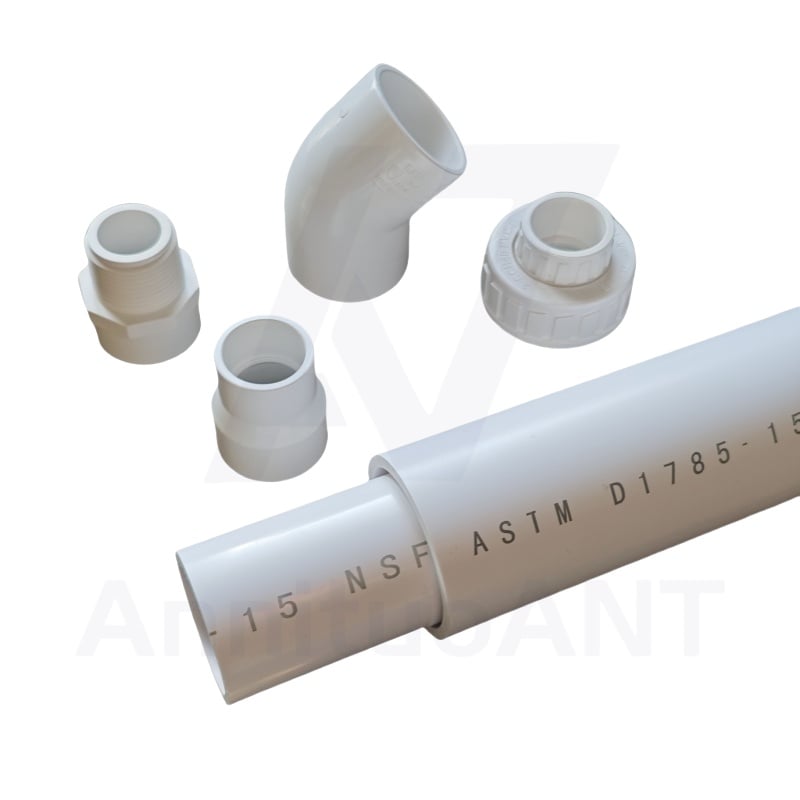
UPVC pipes are a popular choice in various industries due to their versatility, durability, and resistance to corrosion. For purchasing managers and engineers looking to source these products, understanding how to select the right UPVC pipe is critical to ensuring performance and compatibility with existing systems. This article aims to provide valuable insights into choosing the right UPVC pipe, key specifications to evaluate, cost factors for bulk orders, applications in various industries, and the advantages of UPVC pipes over traditional materials.
When selecting UPVC pipes for wholesale needs, it’s essential to consider factors such as diameter, pressure rating, and intended application. The diameter of the pvc pipe & fittings must align with the specific flow requirements of the system, while the pressure rating should be suitable for the operational conditions. Additionally, understanding the application whether for drainage, irrigation, or plumbing can significantly influence the type of UPVC pipe needed.
Buyers should also consider the manufacturer’s reputation and experience. For instance, Jiaxing ANT Electrical Co., Ltd. has over 14 years of experience in producing certified electrical equipment, ensuring reliability in product quality. A trustworthy supplier will typically provide detailed product specifications and compliance with relevant standards, which can help streamline the purchasing process.
Several critical specifications must be evaluated when sourcing UPVC pipes:
Material Composition: Ensure that the UPVC material meets industry standards for strength and durability. High-quality UPVC should have a high impact resistance and be free from toxic additives.
Dimensions: Proper dimensions, including wall thickness, length, and diameter, are vital. Wall thickness can affect the coupler pipe pvc pressure rating and longevity, while length and diameter must fit the existing system.
Pressure Rating: UPVC pipes are available in various pressure ratings, typically classified as Schedule 40 or Schedule 80. Understanding the required pressure rating for your application will prevent failures and ensure safety.
Certifications: Verify that the pipes are certified by recognized bodies such as UL/cUL and ETL/cETL, which can assure product quality and compliance with safety standards.
Temperature Resistance: Assess the thermal resistance of the UPVC pipes if they will be exposed to high temperatures, as this can affect their performance.
Evaluating these specifications helps ensure that the selected UPVC pipes meet the operational demands of the project while complying with industry regulations.
When sourcing UPVC pipes in bulk, several cost factors should be considered:
Material Costs: The price of UPVC raw materials can fluctuate based on market conditions. Understanding the current pricing trends can help in budgeting.
Manufacturing Costs: Factors such as production methods and factory capabilities can impact the overall cost. Manufacturers with efficient production processes may offer competitive pricing.
Shipping and Handling: Bulk orders typically incur shipping costs, which can vary based on distance and shipping method. Additionally, packaging methods can affect overall expenses; consider whether the supplier offers cost-effective and protective packaging.
Minimum Order Quantities (MOQ): Be aware of the minimum order quantities set by suppliers, as this can impact the total investment. Some manufacturers, like Jiaxing ANT, may provide flexibility in MOQs for larger orders.
Customization Costs: If specific sizes, colors, or features are required, there may be additional costs associated with customization. Discussing these options early can help manage expectations and budget.
By understanding these cost factors, buyers can make informed decisions and negotiate favorable terms with suppliers.
UPVC pipes are widely used in multiple industries due to their advantageous properties. Here are some common applications:
Plumbing: UPVC pipes are ideal for residential and commercial plumbing systems due to their resistance to corrosion and chemicals, ensuring long-term durability.
Irrigation: In agriculture, UPVC pipes are used for irrigation systems, providing a reliable and cost-effective solution for transporting water to crops while minimizing leakage.
Drainage: UPVC pipes are commonly utilized in drainage applications, effectively managing wastewater and preventing blockages thanks to their smooth internal surfaces.
Electrical Conduits: As a manufacturer of electrical supplies, Jiaxing ANT offers UPVC conduits that protect electrical wiring from moisture and physical damage, making them a preferred choice in construction.
Industrial Applications: Various industrial processes utilize plastic pipe fittings for transporting fluids and gases, thanks to their resistance to aggressive chemicals and temperature variations.
Understanding these applications helps buyers select the appropriate UPVC pipes for their specific needs, enhancing overall system performance.
UPVC pipes offer several advantages over traditional materials such as metal and clay:
Corrosion Resistance: Unlike metal pipes, UPVC does not rust or corrode, extending the lifespan of the piping system and reducing maintenance costs.
Lightweight: UPVC pipes are significantly lighter than metal pipes, making them easier to handle and install, thus reducing labor costs.
Cost-Effectiveness: The lower material and installation costs make UPVC pipes an economical choice for both residential and commercial projects.
Chemical Resistance: UPVC is resistant to a wide range of chemicals, making it suitable for transporting various fluids without degradation.
Smooth Interior: The smooth surface of UPVC pipes minimizes friction, allowing for efficient flow and reducing the risk of blockages.
By highlighting these advantages, buyers can appreciate why UPVC pipes are a preferred choice in modern construction and industrial applications.
In summary, understanding the selection criteria, specifications, cost factors, applications, and advantages of UPVC pipes can guide B2B buyers in making informed purchasing decisions. Whether for plumbing, irrigation, or industrial applications, having a trusted supplier like Jiaxing ANT Electrical Co., Ltd. can enhance your project’s success.