 EN
Quick Links
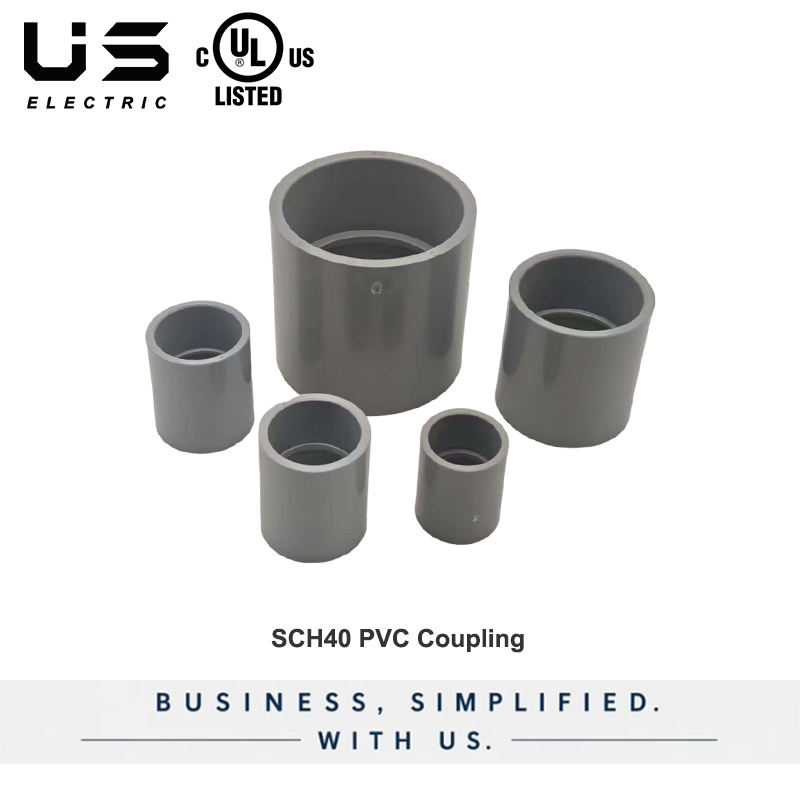
Understanding PVC coupler pipes is essential for professionals in construction and manufacturing sectors. These components play a crucial role in connecting two sections of PVC piping, ensuring a secure and leak-proof fit. As a B2B buyer, your primary concerns likely include product specifications, supplier reliability, and installation requirements. This article will provide you with valuable insights into essential specifications, supplier evaluation, installation guidance, common issues, and tips for selecting the right pvc conduit pipe for your projects.
When selecting PVC coupler pipes, several specifications are critical to ensure performance and compatibility with your application. Key specifications include:
Material Composition: High-quality PVC is essential for durability and resistance to environmental factors. Look for pipes that comply with industry standards, such as ASTM D1784, which ensures the material's reliability.
Diameter and Length: Ensure that the coupler's diameter matches the pipe being connected. Common sizes range from 1/2 inch to 12 inches in diameter. The length of the coupler should accommodate the overlap required for a secure fit.
Pressure Rating: PVC coupler pipes come with various pressure ratings, typically expressed in PSI (pounds per square inch). Assess your application's pressure requirements and select couplers rated accordingly—common ratings include 160 PSI, 200 PSI, and 300 PSI.
Temperature Tolerance: Consider the operating temperature of your application. PVC couplers can typically handle temperatures up to 140°F (60°C). For higher temperatures, consult with your supplier for appropriate options.
Certifications: Ensure that the coupler pipes have relevant certifications, such as UL/cUL and ETL/cETL, which indicate compliance with safety and performance standards.
By focusing on these specifications, you can ensure that the Anita PVC coupler pipes you choose will perform effectively in your projects.
Choosing the right supplier for PVC coupler pipes is as crucial as selecting the product itself. Here are several factors to consider when evaluating potential suppliers:
Experience and Reputation: Look for suppliers with a proven track record in manufacturing and exporting PVC products. Companies with substantial experience, like Jiaxing ANT Electrical Co., Ltd., often have established quality control processes and customer relationships.
Quality Assurance Processes: Inquire about the supplier's quality assurance measures. Suppliers should have stringent quality control protocols in place to ensure that all products meet required specifications and standards.
Customization Capabilities: If your project has specific requirements, confirm whether the supplier offers customization options. This may include different dimensions, pressure ratings, or materials that fit your unique needs.
Lead Times and Availability: Discuss lead times for production and delivery. Suppliers who can meet your timelines are essential for minimizing project delays.
Customer Support: Evaluate the level of customer service provided. Reliable suppliers should offer guidance throughout the purchasing process and post-sale support for installation and troubleshooting.
By rigorously assessing potential suppliers against these criteria, you can ensure that you partner with a reliable provider who meets your needs.
Proper installation of Anita PVC coupler pipes is vital for ensuring a leak-proof and durable connection. Follow these guidelines for successful installation in industrial projects:
Preparation: Before installation, ensure that the surfaces of the pipes are clean and free from debris. This will help achieve a better seal when the coupler is fitted.
Cutting the Pipes: Use a pipe cutter for a clean, straight cut. Avoid using saws that may leave burrs or uneven edges, which can compromise the connection.
Dry Fitting: Perform a dry fit of the coupler on both ends of the pipes before applying any adhesive. This step will help you confirm that the coupler fits properly and that there are no alignment issues.
Adhesive Application: Apply electrical pvc pipe or adhesive evenly around the inside of the coupler and the outside of the pipe ends. Follow the manufacturer's guidelines for the specific adhesive used, including curing times.
Joining the Pipes: Quickly insert the pipe ends into the coupler while the adhesive is still wet. Twist slightly to distribute the adhesive and ensure a tight fit. Hold the pipes in place for the recommended time to allow the adhesive to set.
Curing Time: Allow sufficient curing time before testing the system. This typically ranges from 24 hours to a few days, depending on the adhesive used and the environmental conditions.
By adhering to these installation guidelines, you can reduce the likelihood of leaks and ensure the long-term performance of your PVC piping system.
Despite their durability, Anita PVC coupler pipes can encounter several common issues. Here are some of the problems and their solutions:
Leaking Joints: A frequent issue arises from improper adhesive application or curing. Ensure that the adhesive is applied evenly, and allow adequate time for curing. If leaks occur after installation, you may need to disassemble the joint and reapply adhesive.
Cracking or Breakage: Exposure to extreme temperatures or physical stress can lead to cracks. To mitigate this, ensure that the chosen coupler has an appropriate temperature rating for your application. Additionally, avoid excessive force during installation.
Misalignment: Misalignment can occur during installation, leading to stress on the joint. Always perform a dry fit before applying adhesive to check for proper alignment. If misalignment occurs, carefully adjust the pipes before the adhesive sets.
Chemical Damage: Certain chemicals can degrade PVC materials. When using PVC couplers in environments exposed to harsh chemicals, confirm compatibility with your supplier. Consider using couplers made from specialized materials designed to resist chemical exposure.
By being aware of these common issues and their solutions, you can proactively address potential problems and maintain the integrity of your piping system.
Choosing the right PVC coupler pipe for your specific application requires careful consideration of various factors:
Application Requirements: Assess the specific needs of your project, including the type of fluids being transported, pressure requirements, and environmental conditions. This will help you determine the necessary specifications for your coupler pipes.
Compatibility: Ensure that the coupler is compatible with existing piping systems. Confirm the diameter, pressure ratings, and material compatibility to avoid issues during installation.
Customization Needs: If your project has unique specifications, consider suppliers that offer customization options. This can include special sizes, colors, or additional features that meet your project requirements.
Budget Considerations: While cost should not be the only factor, it's important to remain within your budget. Compare prices among suppliers, but consider the value of quality and reliability over the lowest price.
Manufacturer's Recommendations: Leverage the expertise of your supplier. Experienced manufacturers, such as Jiaxing ANT Electrical Co., Ltd., can provide guidance on the best coupler options based on your specific needs and project parameters.
By taking these factors into account, you can confidently select pvc conduit connectors that will perform effectively and reliably in your projects.