 EN
Quick Links
Choosing the right PVC pipe and fittings is critical for both commercial and residential construction projects. These products are essential for plumbing, drainage, and electrical applications. B2B buyers, including purchasing managers and contractors, often face concerns regarding material quality, compatibility, cost, and supplier reliability. This article aims to provide a comprehensive understanding of electrical pvc pipe, helping you make informed purchasing decisions.
When selecting Anita PVC pipe and fittings, several factors must be evaluated to ensure suitability for your specific application. The first consideration is the diameter and length of the pipe, as this affects flow rates and pressure. Common diameters range from ½ inch to several inches, depending on the installation requirements.
Next, consider the pressure rating of the PVC material, indicated by the nominal pressure class (e. g., Schedule 40 or Schedule 80). This rating signifies how much pressure the pipe can withstand, which is crucial for applications that involve water supply or drainage. Additionally, temperature tolerance is vital; PVC pipes typically handle temperatures up to 140°F (60°C). For high-temperature applications, alternative materials may be more suitable.
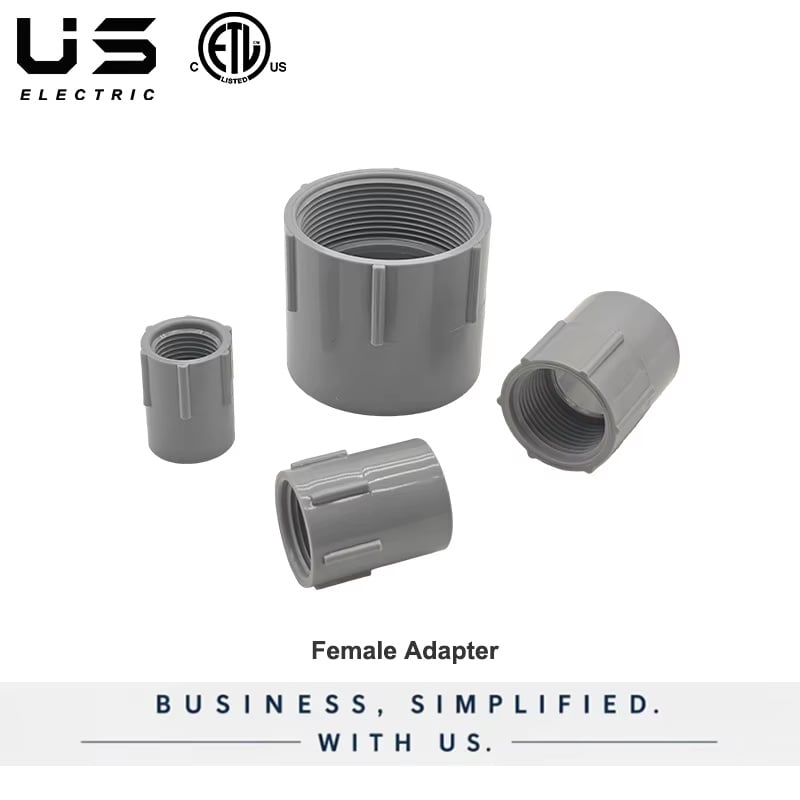
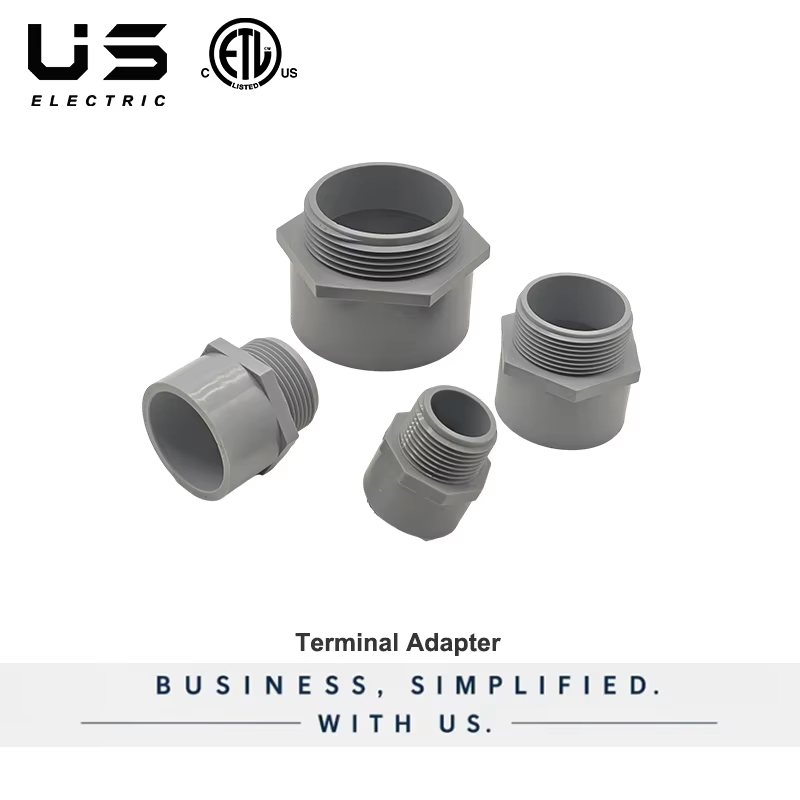
The type of PVC (uPVC, PVC-C, or PVC-O) also impacts performance. For instance, uPVC is often used for drainage, while PVC-C offers better heat resistance, making it suitable for hot water applications. Furthermore, ensure that the fittings are compatible with the pipes you select, as different manufacturers may have variations in their designs.
Finding a reliable supplier is crucial for ensuring quality and consistency in your PVC pipe and fittings. Start by researching manufacturers with a solid reputation in the industry and those who have been certified by UL/cUL or ETL/cETL standards. This certification indicates that the products have undergone rigorous testing for safety and performance.
Look for suppliers who offer OEM/ODM solutions, as these can provide tailored products that meet your project's specifications. It's also beneficial to source suppliers who have a demonstrated track record in the geographical region you are operating in, given that shipping times and import regulations can vary widely.
Networking within industry trade shows or forums can also yield valuable supplier recommendations. Engaging with existing customers of potential suppliers can provide insights into their reliability, quality control processes, and customer service.
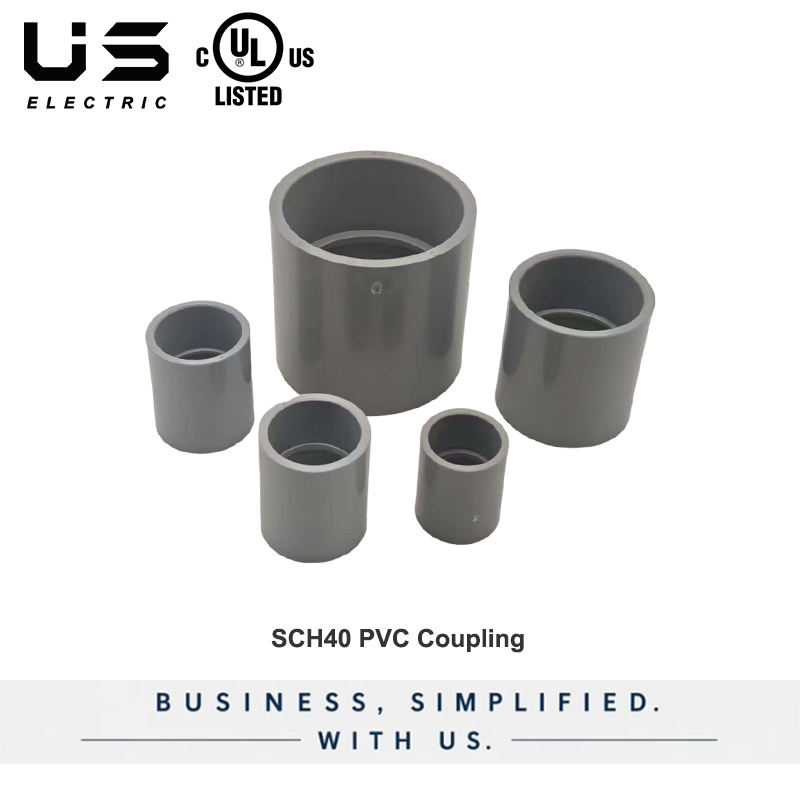
For contractors and buyers, several key factors influence the selection of Anita PVC pipe and fittings. Quality assurance is paramount; therefore, it's advisable to verify the supplier's quality control processes. This pvc pipe coupling may involve requesting samples or visiting manufacturing facilities to observe production practices.
Lead time is another critical factor. Buyers should inquire about the manufacturing and shipping timelines to ensure that materials arrive when needed for project schedules. Understanding the minimum order quantity (MOQ) is also essential; larger orders may result in better pricing but require careful consideration of inventory management.
When evaluating different suppliers, consider their production capacity and ability to meet fluctuating demands. Suppliers like Jiaxing ANT Electrical Co., Ltd., with substantial manufacturing capabilities, can often accommodate larger or customized orders more effectively.
Cost is a significant consideration when purchasing PVC pipe and fittings, especially for bulk orders. The price per unit usually decreases with larger quantities, making it financially advantageous to plan ahead and estimate your needs accurately. However, buyers should not only focus on the lowest price but also consider the total cost of ownership, including shipping fees, potential tariffs, and the quality of the product.
When evaluating quotations, ensure that you understand what is included in the pricing. This should cover delivery terms, packaging methods, and any additional services such as installation support or technical assistance. In some cases, opting for slightly higher-priced products from a trusted manufacturer can lead to long-term savings by reducing the risk of failures and maintenance costs.
PVC pipes and fittings are versatile and widely used in various applications within both commercial and residential construction. In commercial settings, they are often employed for plumbing systems, drainage, and ventilation systems due to their durability and resistance to corrosion. They can easily handle the demands of high-traffic areas, ensuring longevity and reliability.
In residential construction, Anita PVC pipes are commonly used for water supply lines, wastewater removal, and even irrigation systems. Their lightweight nature simplifies installation, while their smooth interior surfaces help maintain efficient flow rates. Additionally, they are resistant to biological growth, making them an ideal choice for sanitary applications.
Understanding the specific application requirements, such as pressure needs and environmental conditions, will help ensure the correct selection of PVC products. It's advisable to consult with suppliers or industry experts when in doubt, as they can provide valuable insights based on years of experience in the field.
By considering these factors and leveraging the expertise of suppliers like Jiaxing ANT Electrical Co., Ltd., B2B buyers can confidently procure pvc pipe reducer that meet their project requirements and stand the test of time.