EN
Quick Links
Round electrical boxes are essential components in electrical installations, providing a secure and efficient way to house wiring and electrical connections. As a B2B buyer, selecting the right round electrical box can be challenging, given considerations such as material, size, and application requirements. This article will guide you through the important aspects of choosing the right round plastic electrical boxes, ensuring your projects meet compliance standards, safety requirements, and functional needs.
Selecting the right round electrical box involves understanding your project's specific requirements. Start by considering the application: is it for residential, commercial, or industrial use? Each environment may have different demands. For example, a round electrical box used in a commercial setting may require a higher load capacity compared to one used in a residential application.
Next, evaluate the size and depth of the box. A box that is too small may not accommodate the necessary wiring or devices, while one that is too large can complicate installation. It's also important to assess the number of connections you need to make; this will determine the box's capacity and configuration.
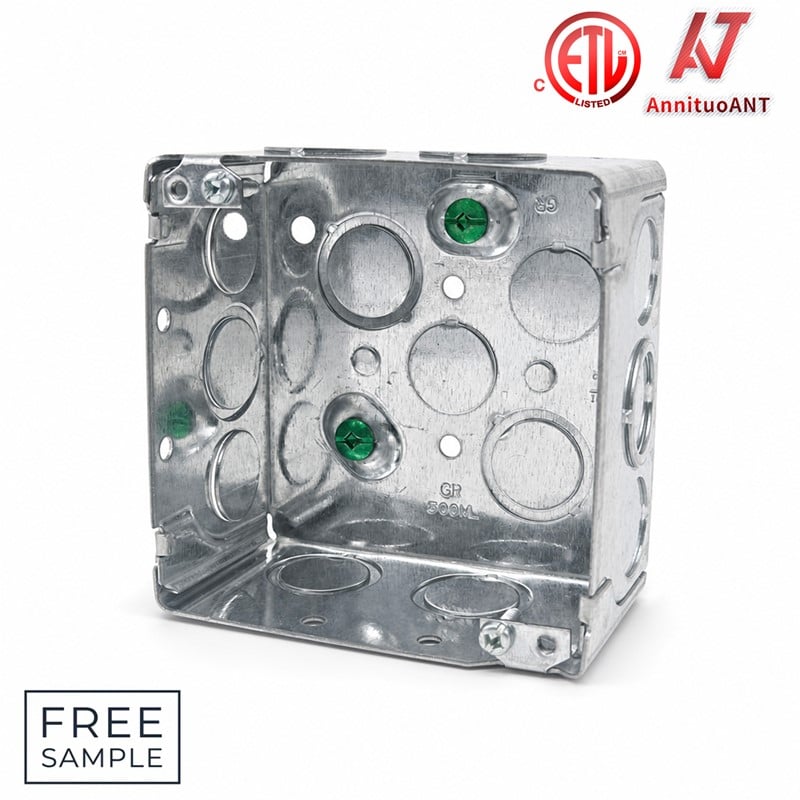
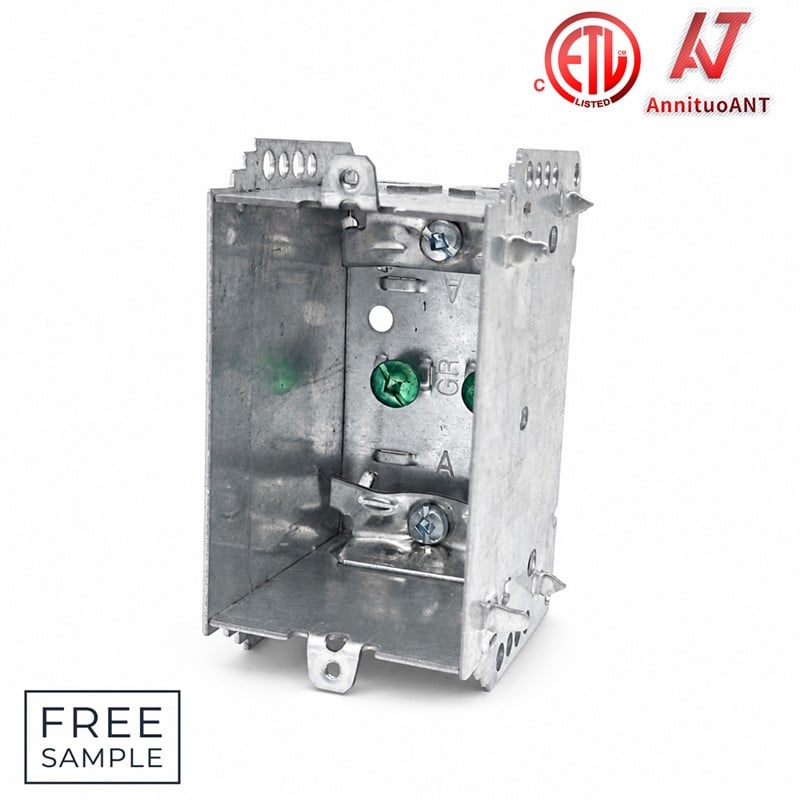
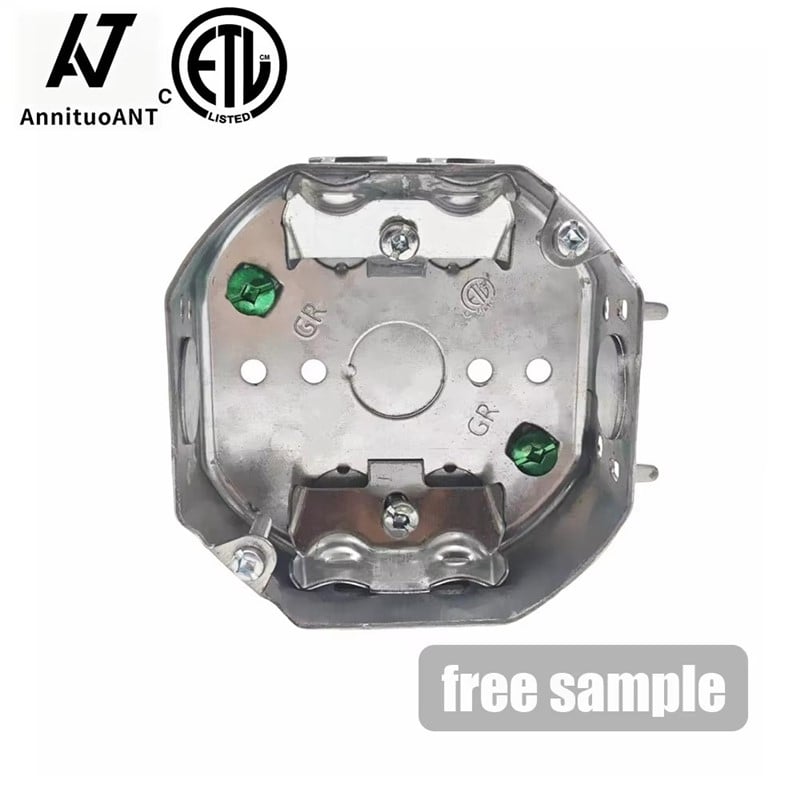
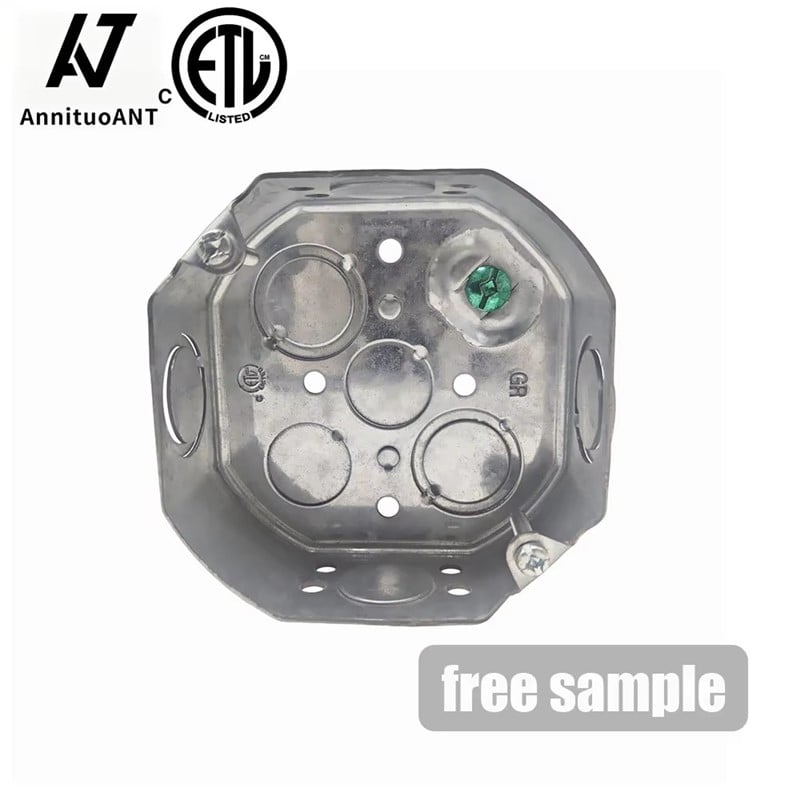
Material choice is another critical factor. Round external electrical box are typically available in metallic and non-metallic options. Metallic boxes offer better grounding and durability, making them suitable for industrial applications, while non-metallic boxes are lighter and easier to install in residential settings. Understanding these distinctions will help ensure that the chosen box aligns with your project's requirements.
When considering round electrical boxes, several specifications are crucial for ensuring proper functionality and safety:
Material: The choice between metallic and non-metallic materials affects durability, weight, and installation ease. Metallic boxes are often preferred in environments with higher wear and tear.
Dimensions: The outer diameter and depth of the box must accommodate the wiring and connections without crowding. Standard sizes can range from 4 inches to 6 inches in diameter, with depths varying based on the number of wires.
Load Capacity: Each box is rated for a specific load capacity, which must be considered based on the electrical devices being housed. Exceeding this capacity can lead to overheating and potential fire hazards.
Sealing and Weather Resistance: For outdoor applications, ensure that the round electrical boxes has appropriate sealing features to prevent moisture ingress. Look for ratings like IP65 for water and dust resistance.
Mounting Options: Consider how the box will be mounted whether it will be surface-mounted, recessed, or supported by other structures. This will influence the type of box you select.
Understanding these specifications will help you choose a round electrical box that meets both safety and performance requirements.
When sourcing round electrical boxes, consider both local and international suppliers. Local suppliers might offer quicker delivery times, while international manufacturers, like Jiaxing ANT Electrical Co., Ltd., can provide competitive pricing and a broader range of products.
Pricing can vary significantly based on material, size, and whether the box has special features like weather resistance or additional mounting options. Generally, non-metallic boxes tend to be less expensive, while metallic options may have a higher upfront cost but offer greater durability and safety.
When requesting quotes, be sure to provide detailed information about the specifications you require, including dimensions, material, and any certifications needed. This will help suppliers provide accurate pricing and lead time estimates.
In addition to specifications and pricing, several factors should be considered when selecting round electrical boxes:
Regulatory Compliance: Ensure that the boxes meet relevant local and national electrical codes. Certifications such as UL/cUL and ETL/cETL are essential for ensuring safety and compliance.
Customization Options: If your project has specific requirements, such as unique dimensions or materials, inquire about customization capabilities. Manufacturers with experience in OEM/ODM solutions can often accommodate special requests.
Quality Assurance: Investigate the manufacturer's quality control processes. A reputable supplier will have stringent quality checks to ensure that each product meets safety standards and is free from defects.
Installation Requirements: Consider the ease of installation. Some round electrical boxes come with pre-drilled holes or integrated mounting hardware, which can simplify the installation process.
By carefully considering these elements, you can make a more informed decision that will lead to successful project outcomes.
Compliance and safety are paramount in electrical installations. When selecting round electrical boxes, ensure they are certified by recognized bodies such as UL or ETL. These certifications indicate that the products have undergone rigorous testing for safety and performance.
Additionally, it's vital to verify that the boxes are suitable for the intended environment. For instance, outdoor installations require boxes that are rated for moisture and temperature variations. Always consult the manufacturer for guidance on the appropriate specifications for your specific application.
Before finalizing your purchase, inspect samples if possible. This allows you to check the quality of the materials, dimensions, and overall build. A thorough inspection can help prevent issues during installation and use, ensuring that the electrical systems function safely and efficiently.
By following these guidelines and understanding the key factors involved in selecting round electrical boxes, you can ensure that your electrical installations meet the highest standards of safety and functionality.