 EN
Quick Links
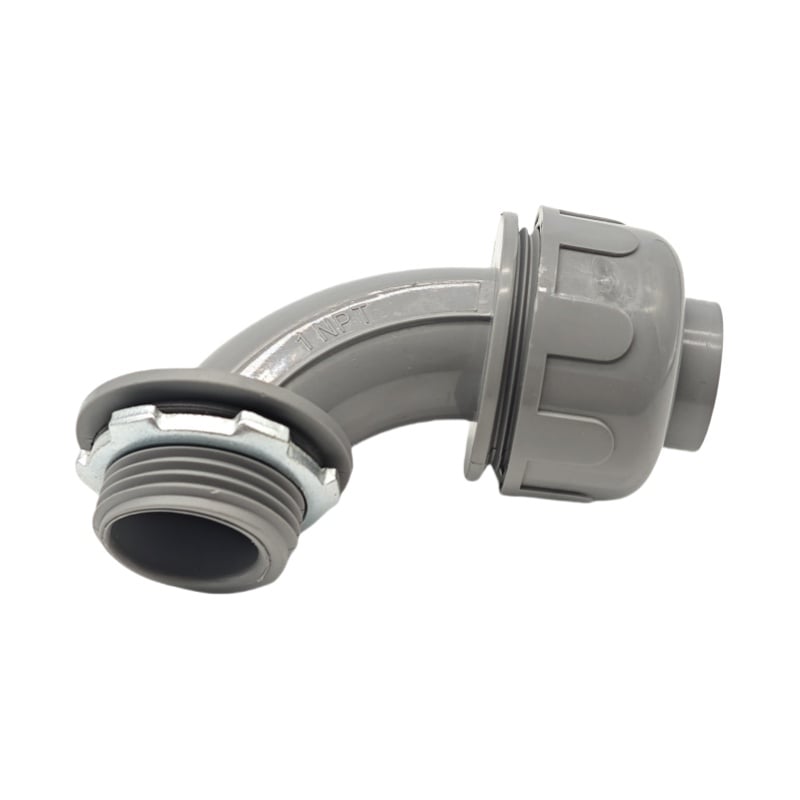
A PVC T connector is a crucial component in electrical systems, designed to join three sections of PVC conduit effectively. When sourcing PVC T connectors, B2B buyers often prioritize factors such as material quality, compatibility with existing systems, and adherence to safety standards. This article will guide you through essential considerations when selecting the right pvc conduit connectors for your project, ensuring you make informed purchasing decisions.
Selecting the appropriate Anita PVC T connector involves evaluating several factors to ensure compatibility and durability. First, consider the size and diameter of your existing conduit systems. PVC T connectors are available in various sizes, typically ranging from 1/2 inch to 6 inches in diameter. The right fit ensures a secure connection and minimizes the risk of leaks or electrical failures.
Next, assess the environment where the connectors will be installed. For outdoor applications, connectors should be UV resistant and capable of withstanding exposure to moisture and chemicals. In contrast, connectors used in indoor settings may not require the same level of durability. Additionally, ensure that the connectors comply with relevant standards, such as UL or ETL, to guarantee safety and reliability.
Lastly, consider the number of connectors required. Bulk purchasing options may provide cost savings and ensure consistency across your project. Discuss your project needs with suppliers to explore options that fit your budget and timeline.
Finding a trustworthy supplier is vital for sourcing high-quality PVC T connectors. Start by researching manufacturers with a solid reputation in the industry. Look for companies like Jiaxing ANT Electrical Co., Ltd., which has over 14 years of experience in producing electrical equipment and supplies, including electrical conduit connectors. Such companies often offer a diverse product range and have established quality control processes to ensure product reliability.
Trade shows and industry exhibitions are excellent venues for discovering new suppliers and evaluating their products firsthand. Networking with other professionals in the industry can also yield valuable recommendations for reputable suppliers. Online platforms such as industry-specific directories and trade websites can further aid in your search.
When evaluating suppliers, consider their certifications, production capabilities, and customer reviews. A supplier that provides OEM/ODM solutions can also offer customization options, allowing you to tailor products to meet specific project requirements.
When sourcing Anita PVC T connectors, several key specifications warrant attention to ensure the products meet your application's needs. First, examine the material composition. High-quality PVC should be used to prevent brittleness and enhance the connector's lifespan. Ensure the connectors are made from non-toxic and corrosion-resistant materials, especially if they will be used in environments exposed to chemicals or moisture.
Next, check the temperature and pressure ratings of the connectors. These specifications indicate the maximum operating conditions the connectors can withstand without failure. Connectors with a higher rating may be necessary for applications subject to extreme temperatures or pressures, ensuring safety and functionality.
Finally, consider the installation requirements. Some connectors feature slip-fit designs for easy installation, while others may require adhesive or solvent welding. Understanding the installation process can help prevent complications during assembly and ensure a secure fit.
Proper installation of PVC T connectors is critical for ensuring the integrity and safety of electrical systems. Begin by ensuring that all conduit sections are cut to the correct lengths, allowing for a snug fit with the connector. Use a fine-toothed saw for clean cuts, which can help avoid debris that may impair connections.
Before connecting, clean the ends of the conduit and the interior of the PVC T connector to remove any dust or contaminants. For connectors requiring adhesive, select a solvent recommended by the manufacturer. Apply the adhesive evenly and ensure that the conduit ends are fully inserted into the connector to create a secure bond.
After installation, visually inspect all connections for proper alignment and fit. Allow sufficient curing time for the adhesive to set according to the manufacturer's guidelines before applying any load. Regular inspections of the installed connectors can help identify signs of wear or damage, ensuring long-term reliability.
When considering PVC T connectors, it's essential to understand their features and benefits that enhance their value in electrical systems. One significant advantage is their lightweight design, which facilitates easy handling and installation, especially in large projects where multiple connectors are required.
Anita PVC T connectors also provide excellent electrical insulation properties, reducing the risk of short circuits and electrical fires. Their resistance to moisture and corrosion makes them suitable for various applications, including both indoor and outdoor environments.
Moreover, many manufacturers offer customization options, allowing buyers to specify dimensions, colors, and other aspects tailored to their project needs. This flexibility can significantly enhance the overall functionality and aesthetic appeal of the installation.
Understanding the specifications, installation practices, and supplier options for liquid tight conduit connector will empower buyers to make informed purchasing decisions. By considering factors such as material quality, environmental compatibility, and supplier reliability, you can ensure that your electrical projects are completed safely and efficiently.