EN
Quick Links
Plastic pipe connectors are essential components in various plumbing and electrical installations, designed to join different sections of piping securely. As a B2B buyer, you may have several concerns when selecting plastic pipe connectors, such as compatibility, durability, and cost-effectiveness. This article aims to provide you with the knowledge needed to choose the right plastic pipe connectors for your project, understand cost factors when purchasing in bulk, and compare different options to ensure optimal performance and value.
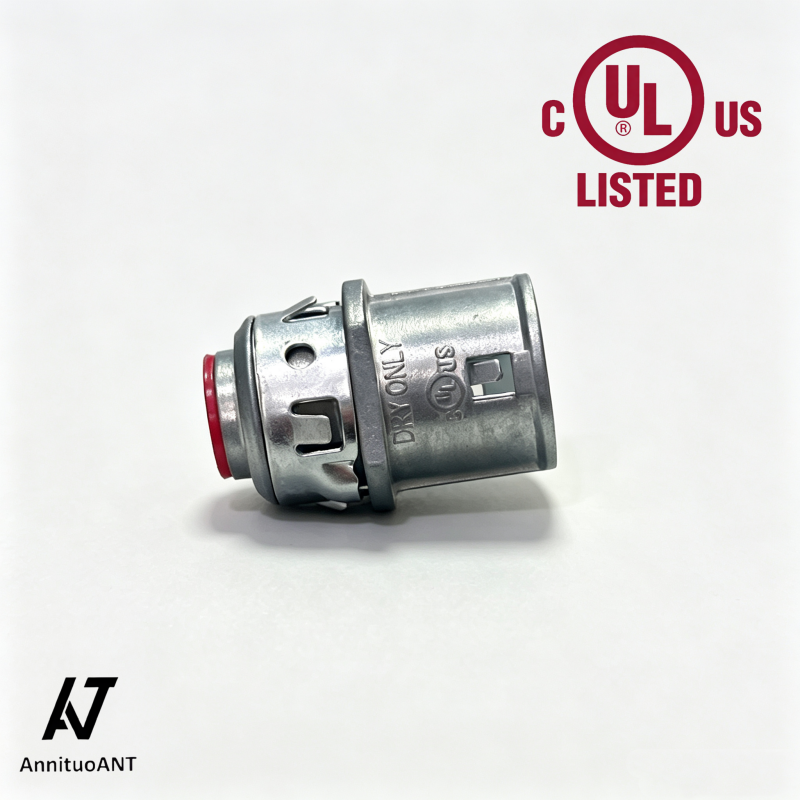
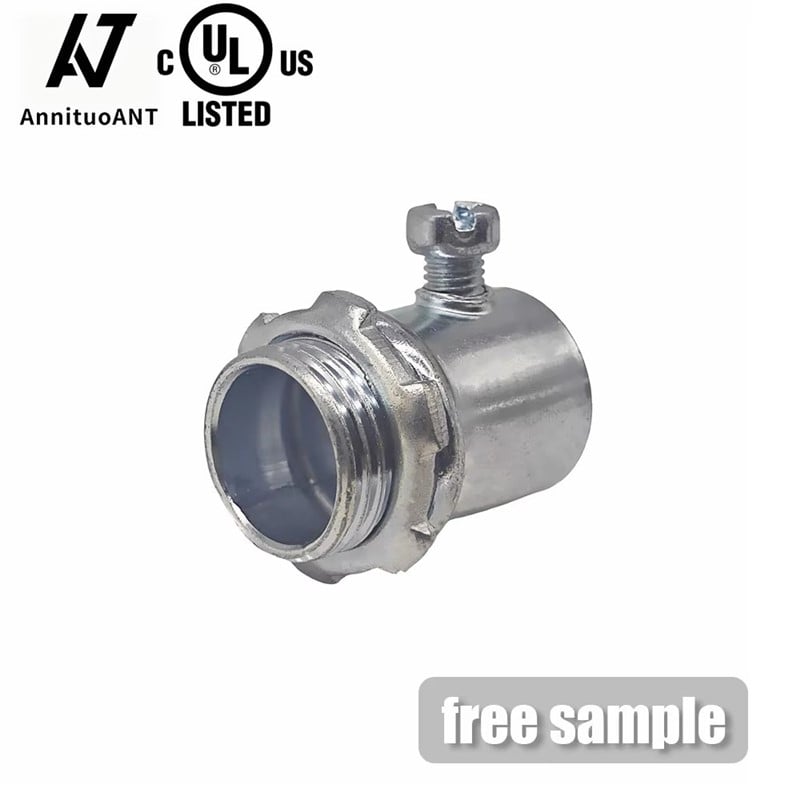
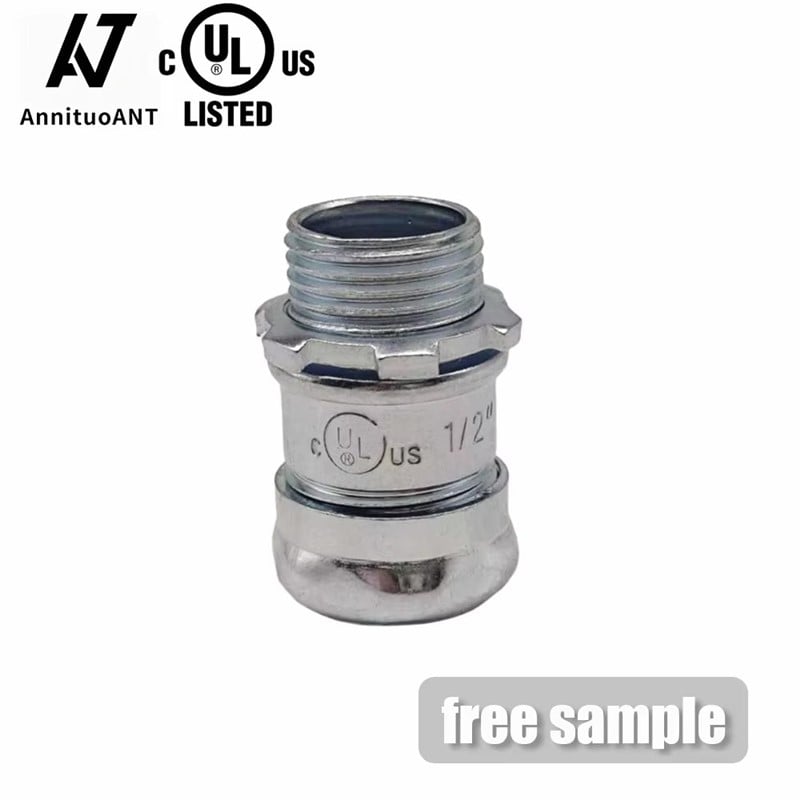
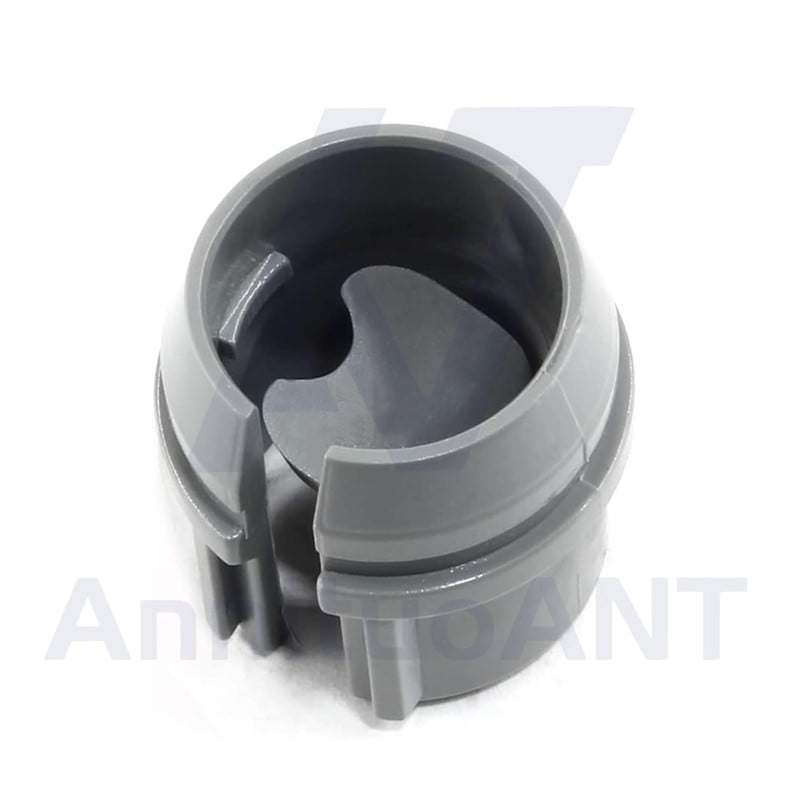
Selecting the appropriate Anita plastic pipe connectors involves considering several key factors. First, assess the specific application requirements, including the type of fluid being transported, pressure levels, and environmental conditions. For example, connectors used in chemical applications must be resistant to specific substances to prevent degradation.
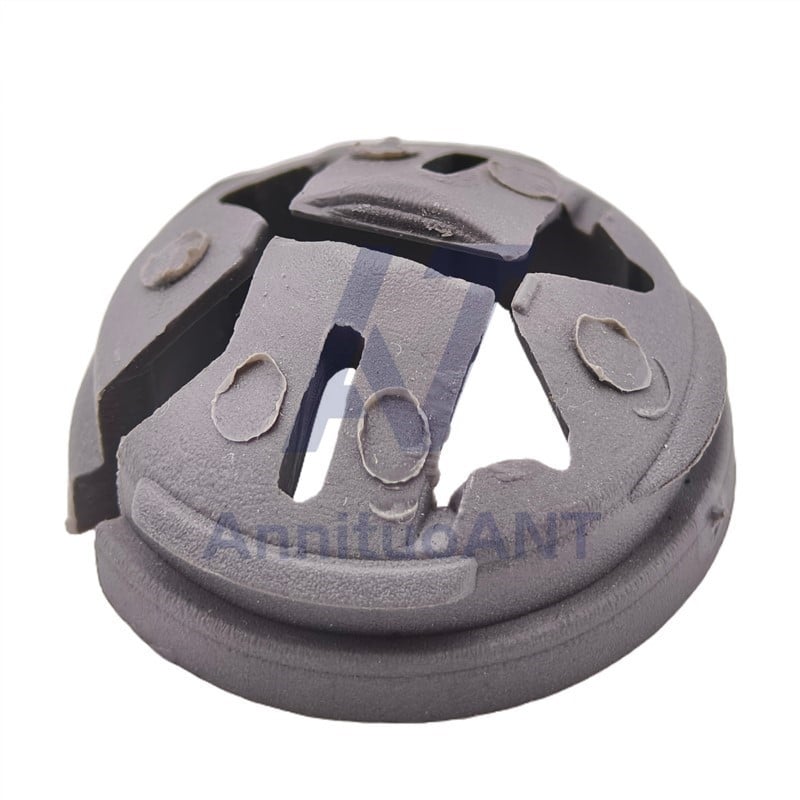
Next, understand the compatibility of the pvc conduit connectors with existing pipe materials. Common materials for plastic pipe connectors include PVC, CPVC, and ABS, each offering unique properties. PVC is widely used for its chemical resistance and affordability, while CPVC can handle higher temperatures. ABS is known for its strength and impact resistance.
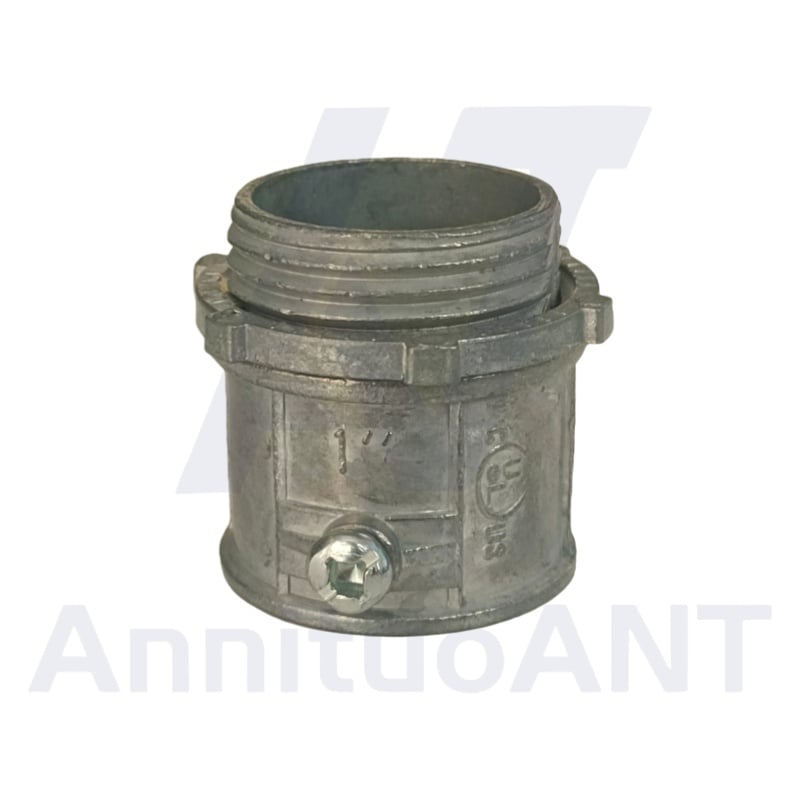
Additionally, consider the dimensions and fitting types, including threaded or slip fittings, as these will affect installation and functionality. Proper sizing is crucial; a connector that is too large or small can lead to leaks or installation difficulties.
Identify Your Requirements: Gather information on the type of pipes you are connecting, including material, diameter, and pressure ratings.
Select the Right Material: Based on your application, choose a material that will withstand the environmental conditions it will face. For instance, if the connectors will be exposed to sunlight, UV-resistant materials are essential.
Check Compatibility: Ensure that the connector types (threaded, slip, etc.) are compatible with your existing piping system to avoid installation challenges.
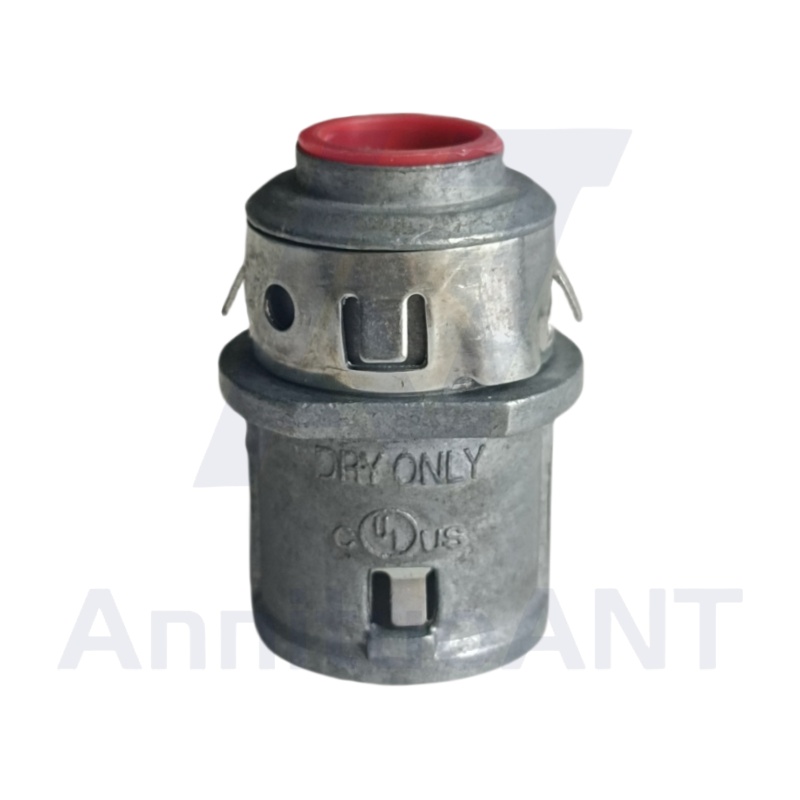
Review Specifications: Look for connectors that meet relevant industry standards. Certifications like UL/cUL or ETL/cETL can indicate quality and safety compliance.
Request Samples: Before placing a bulk order, request samples to verify dimensions and performance under actual operational conditions.
When purchasing Anita plastic pipe connectors in bulk, several cost factors come into play. The primary considerations include material costs, manufacturing processes, and order quantities.
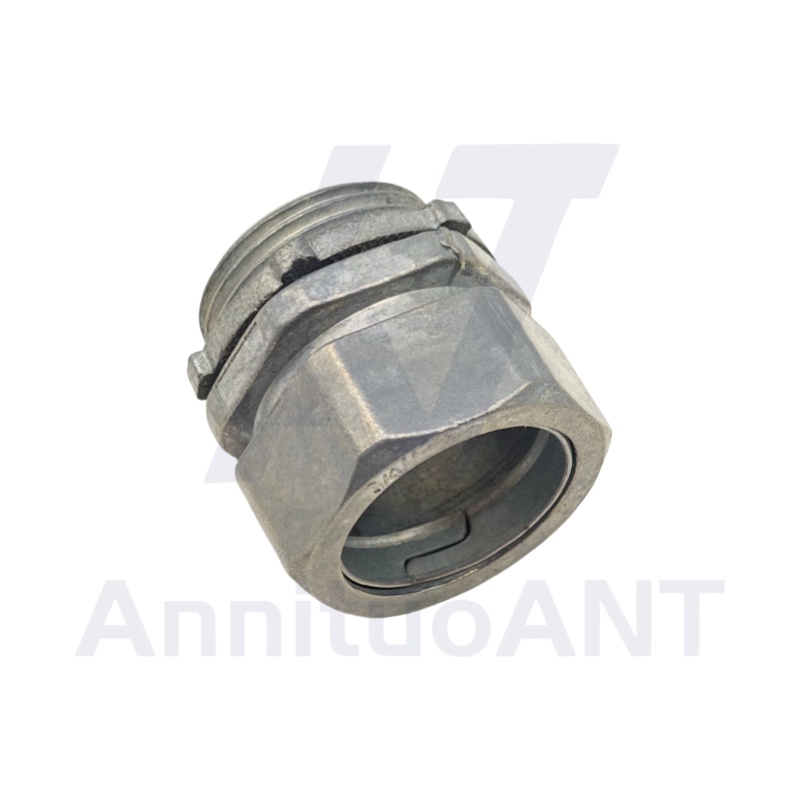
Material Costs: The choice of material significantly affects pricing. For example, PVC is generally less expensive than CPVC or ABS. Assess the long-term value of the material in relation to its cost, especially if the electrical conduit connectors will be exposed to harsh conditions.
Manufacturing Processes: The complexity of the manufacturing process can also impact costs. Connectors requiring specialized fabrication methods may entail higher production costs. Understanding the processing methods used can help you gauge potential pricing variations.
Order Quantities: Many manufacturers, including Jiaxing ANT Electrical Co., Ltd., offer tiered pricing based on order size. Larger orders often benefit from lower per-unit costs, which can provide significant savings for large-scale projects.
Shipping and Handling: Don’t overlook the costs associated with shipping. Bulk orders may qualify for consolidated shipping rates, but these should be factored into your overall budget.
Comparing plastic pipe connectors effectively requires a systematic approach. Here are the steps to take:
Specification Comparison: Create a comparison chart that includes key specifications such as material type, size, pressure ratings, and any certifications. This will help you visualize differences at a glance.
Performance Testing: If possible, conduct performance testing on samples from different suppliers. Evaluate how each connector performs under the expected operational conditions, including stress tests for pressure and temperature.
Supplier Reputation: Research the manufacturers’ reputations. Established companies with a history of quality production are often safer choices. Look for reviews or case studies that demonstrate their reliability in the market.
Customization Options: If your project has unique requirements, consider suppliers that offer customization options. This could include specific sizes, colors, or additional features such as built-in seals.
Warranty and Support: Finally, evaluate the warranty and customer support offered by each supplier. A robust warranty can be a sign of confidence in the product’s quality.
Plastic pipe connectors offer numerous material advantages that enhance their durability and value.
Corrosion Resistance: Unlike metal connectors, plastic connectors are resistant to corrosion, which is particularly beneficial in humid or chemically aggressive environments. This characteristic extends their lifespan and reduces maintenance costs.
Weight and Handling: Plastic connectors are significantly lighter than their metal counterparts, making them easier to handle and install. This can reduce labor costs and installation time.
Thermal Insulation: Plastic materials provide better thermal insulation compared to metals, which can be advantageous in applications where temperature control is critical.
Flexibility in Design: The manufacturing techniques used for plastic pipe connectors allow for intricate designs that can enhance performance. For example, connectors can be produced with built-in features like locking mechanisms or integrated seals, minimizing the need for additional parts.
By understanding these material advantages, B2B buyers can make informed decisions that align with their project goals while ensuring long-term performance and cost-efficiency.
Selecting the right Anita plastic pipe connectors requires careful consideration of various factors, including compatibility, material properties, and cost dynamics. By following the outlined steps and comparing options effectively, you can ensure that your projects are equipped with the most suitable conduit and connectors for their specific requirements.