 EN
Quick Links
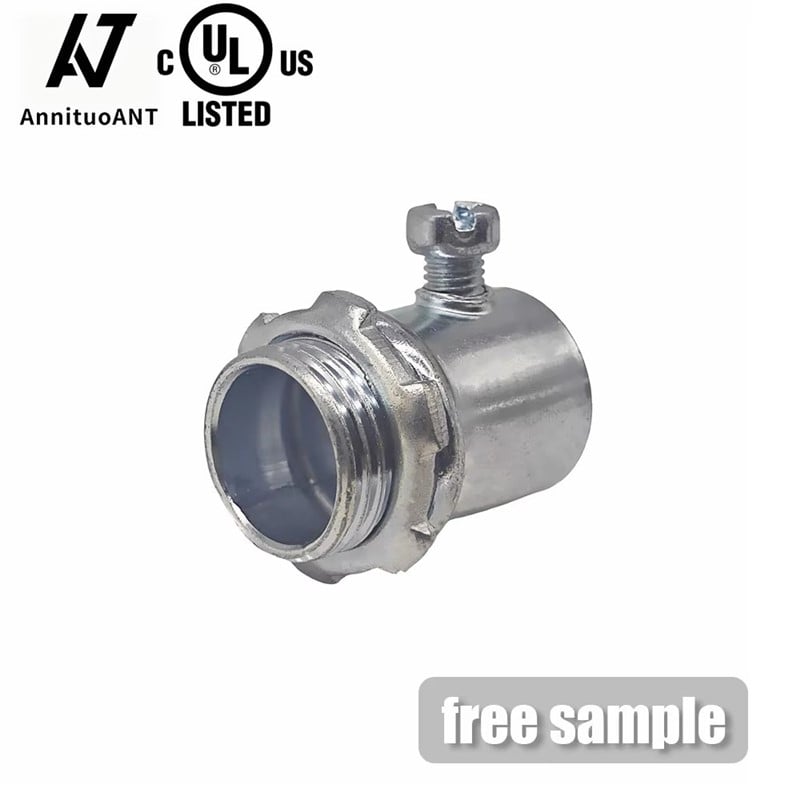
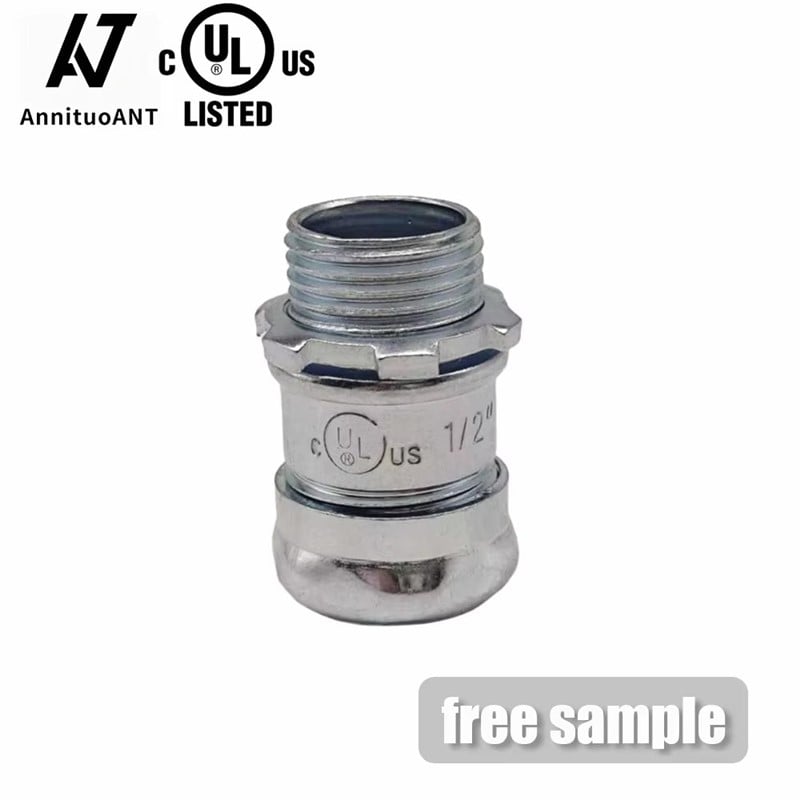
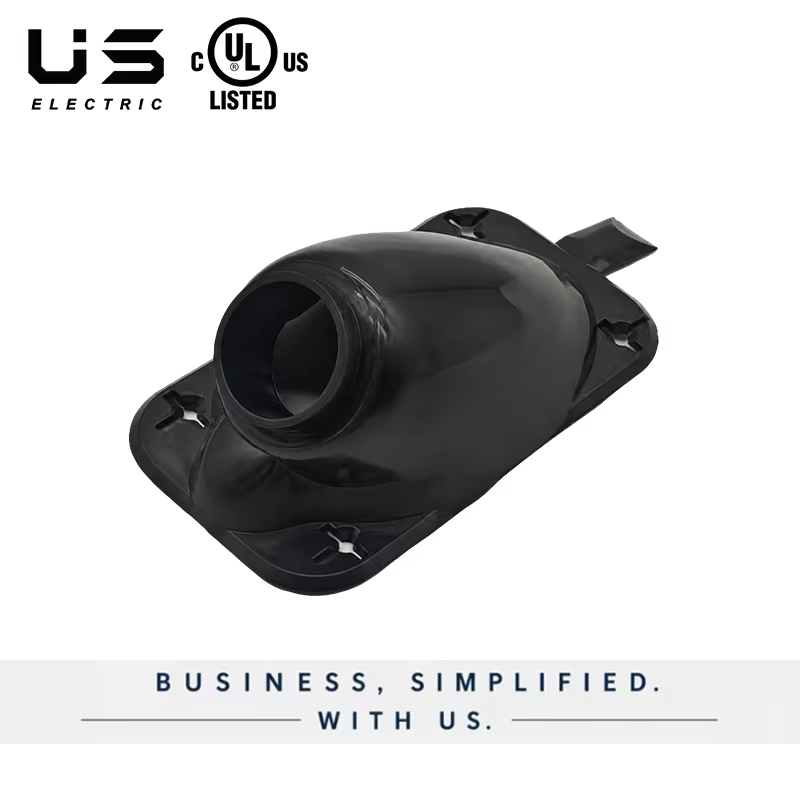
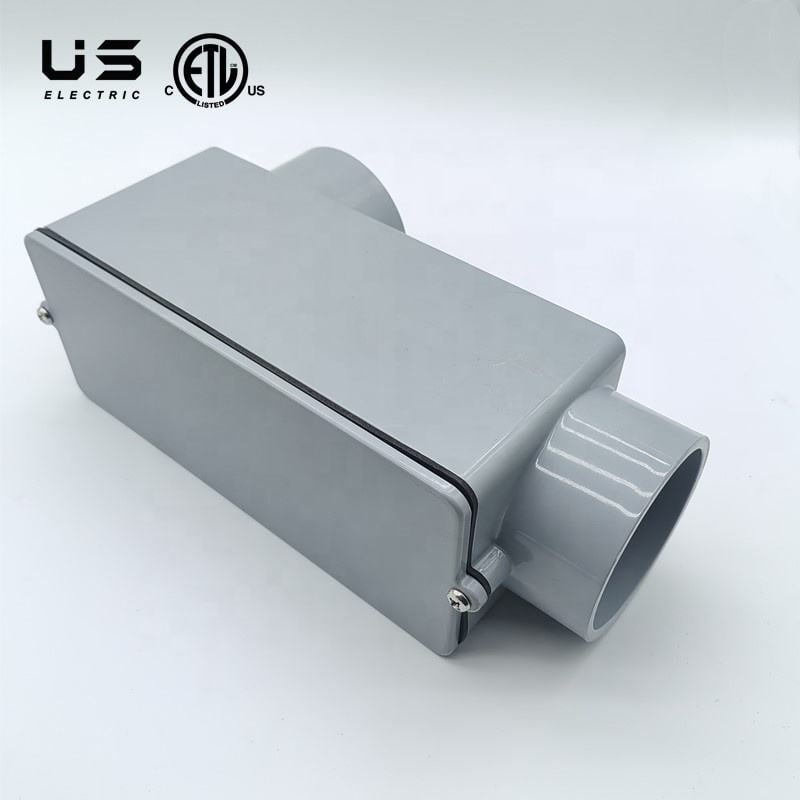
Understanding plastic fittings is essential for professionals in the electrical equipment sector. These components play a crucial role in ensuring secure connections and protecting electrical systems in various applications. As a B2B buyer, your primary concerns may revolve around sourcing quality products, understanding specifications, ensuring compatibility, and evaluating installation requirements. This article will provide comprehensive insights into sourcing conduit electrical fittings, their key specifications, installation guidance, common problems, and their applications across different industries.
When looking for reliable suppliers of plastic fittings, consider manufacturers with established reputations in the electrical equipment sector, such as Anita. With over 14 years of experience, they offer a range of certified products, ensuring compliance with UL/cUL and ETL/cETL standards. Buyers should prioritize suppliers that provide a One-Stop Shopping Service, allowing for a streamlined procurement process.
It's beneficial to assess the manufacturer's production capabilities, including the variety of plastic fittings available, their customization options, and the minimum order quantity (MOQ). Reliable suppliers typically have robust quality control processes to ensure product consistency and meet specific customer requirements. Engaging with suppliers who offer OEM/ODM solutions can also enhance your sourcing experience, allowing you to tailor products to your exact specifications.
Understanding the specifications of plastic fittings is crucial in evaluating their suitability for specific applications. Key specifications to consider include:
Material Composition: Common materials for plastic fittings include PVC, ABS, and nylon. Each material offers different properties such as temperature resistance, chemical compatibility, and mechanical strength. Choose a material based on the expected environmental conditions and required durability.
Dimensions and Compatibility: Ensure that the dimensions of plastic fittings match the components they will connect to. Proper sizing is vital for maintaining system integrity and preventing leaks or electrical failures.
Pressure and Temperature Ratings: Check the pressure and temperature ratings to ensure that the fittings can handle the operational conditions of your application. This information is critical for preventing premature failure in high-pressure or extreme temperature environments.
Certification and Compliance: Look for products that comply with relevant industry standards, as these certifications provide assurance of quality and safety.
Evaluating these specifications will help ensure the selected electrical conduit fittings meet your operational requirements and prevent potential issues during installation and use.
Proper installation of plastic fittings is essential to ensure reliable performance. Here are practical steps to follow:
Preparation: Before installation, ensure that all components, including conduits and electrical boxes, are clean and free of debris. Ensure that the workspace is adequately lit and safe to work in.
Cutting and Fitting: When cutting conduits or pipes, use appropriate tools to achieve clean edges. Avoid jagged cuts, as they can affect the fitting’s ability to seal properly. Use a deburring tool to smooth out any rough edges.
Assembly: Follow the manufacturer's guidelines for assembling the fittings. Ensure that all components fit snugly and securely to maintain electrical integrity.
Testing: After installation, conduct thorough testing to verify that all connections are secure and leak-free. This may include visual inspections and functional tests under operational conditions.
By adhering to these guidelines, installers can minimize the risk of operational failures and enhance the longevity of their electrical systems.
While Anita plastic fittings are durable, they can encounter problems during their lifecycle. Common issues include:
Cracking or Breakage: This can occur due to improper installation or exposure to extreme temperatures. To mitigate this, ensure that the fittings are suitable for the intended environment and that installation is performed according to best practices.
Leaking Connections: Leaks can arise from improper sizing or inadequate tightening. Always verify that fittings match the dimensions of the connected components and ensure that they are securely fastened.
Chemical Degradation: Some plastics can deteriorate when exposed to certain chemicals. It's critical to choose fittings made from materials that are compatible with the chemicals they will encounter in their application.
Addressing these common issues proactively can save time and costs associated with repairs and replacements.
Plastic fittings serve a wide range of applications across different industries, including:
Electrical and Telecommunications: Used for Anita connecting conduits and protecting electrical wiring, plastic fittings provide essential insulation and safety.
Construction: In residential and commercial construction, plastic fittings are commonly used to connect plumbing and electrical systems, ensuring compliance with safety standards.
Manufacturing: They are employed in assembly lines where lightweight and corrosion-resistant connections are required, enhancing operational efficiency.
Automotive: Plastic fittings are utilized in various automotive applications, such as fuel systems, where lightweight and durable components are essential.
When sourcing conduit pipe fittings, consider the specific application requirements to ensure that the chosen products will perform effectively in their intended environments. This strategic approach will enhance the reliability and safety of your projects.