EN
Quick Links
Flex conduit fittings are essential components in electrical installations, providing protection and flexibility in routing electrical wiring. For purchasing managers, engineers, and distributors, understanding the various aspects of flex conduit fittings is crucial for ensuring the safety and reliability of electrical systems. This article will delve into the key considerations when selecting flex conduit fittings, specifications relevant to wholesale buyers, supplier recommendations for bulk orders, installation guidelines, and common issues along with their solutions.
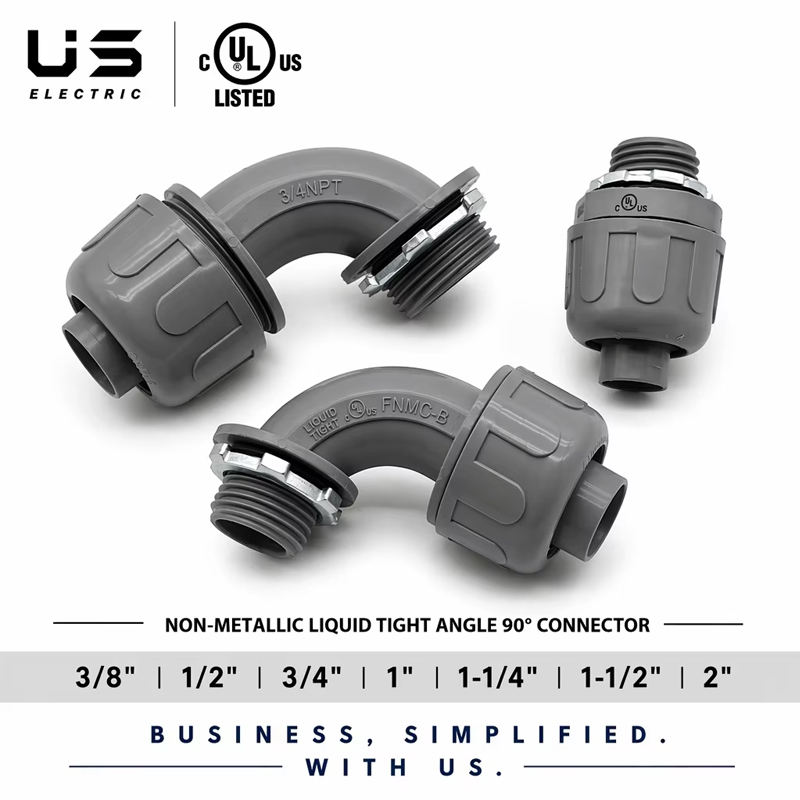
When selecting flex conduit fittings for your projects, several critical factors must be considered to ensure compatibility and performance. First, assess the material of the fittings, which can be metallic or non-metallic. Metallic fittings are typically used in industrial applications due to their durability and resistance to physical damage, while non-metallic options offer corrosion resistance and flexibility, making them suitable for residential projects.
Next, consider the size and diameter of the fittings. They must match the conduit used in your installation to ensure a secure fit and reduce the risk of electrical hazards. Additionally, evaluate environmental factors such as exposure to moisture, chemicals, or high temperatures, as these conditions can affect the longevity of the fittings.
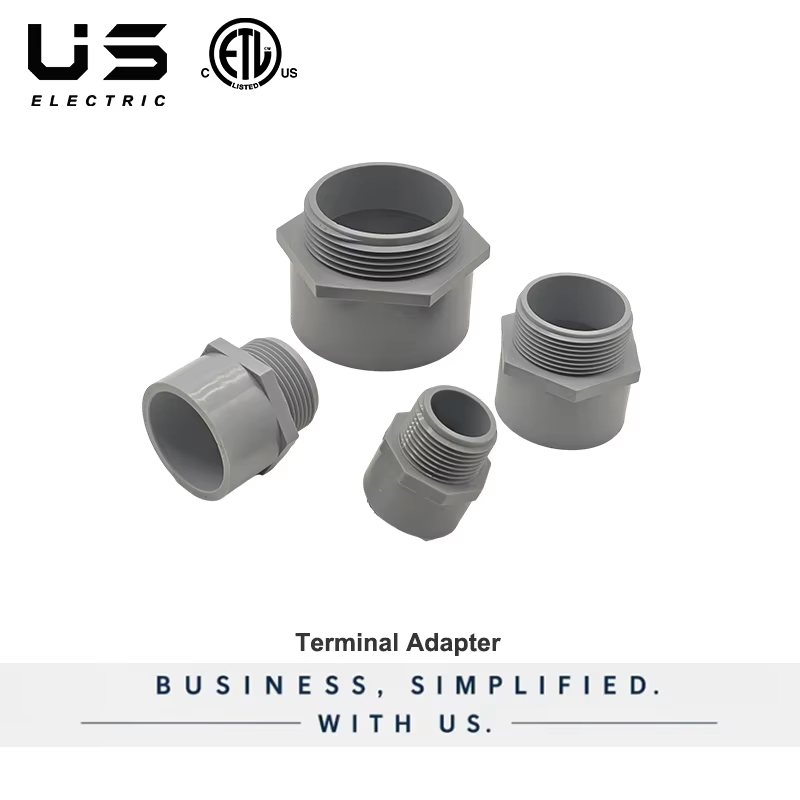
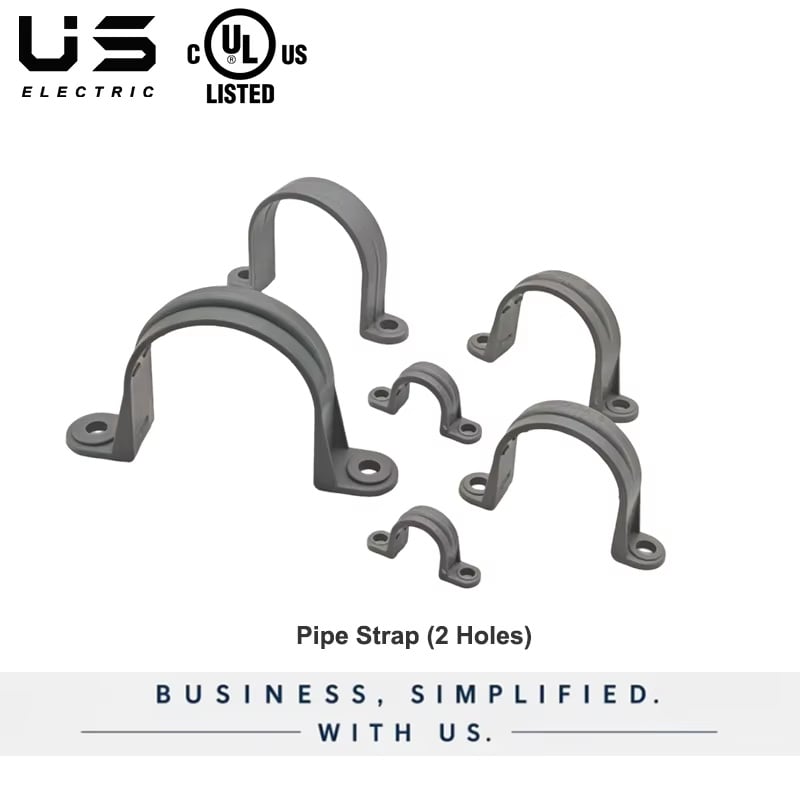
Lastly, pay attention to certification and compliance with industry standards. Many flex conduit fittings are certified by UL/cUL and ETL/cETL, which ensures they meet stringent safety and performance criteria. Always verify that the fittings you choose align with the regulatory requirements of your specific application. For example, you might consider using the 1 Gang Adjustable Mud Rings Electrical Metal to meet specific industry standards.
Wholesale buyers should focus on several specifications when evaluating flex conduit fittings. Key specifications include:
Material Composition: Common materials include PVC, steel, and aluminum. Each material offers distinct advantages, such as corrosion resistance or mechanical strength.
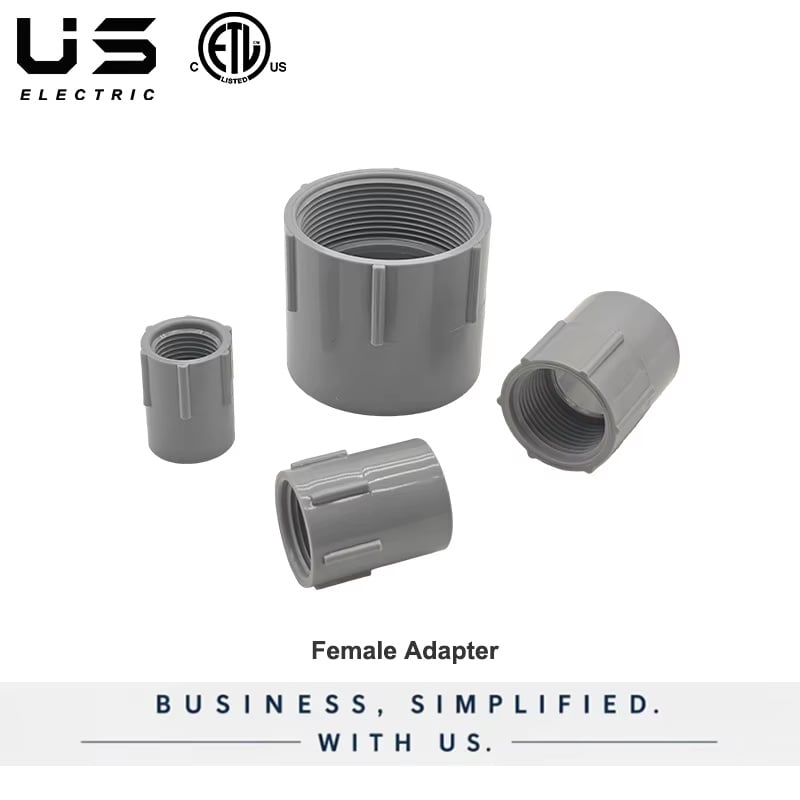
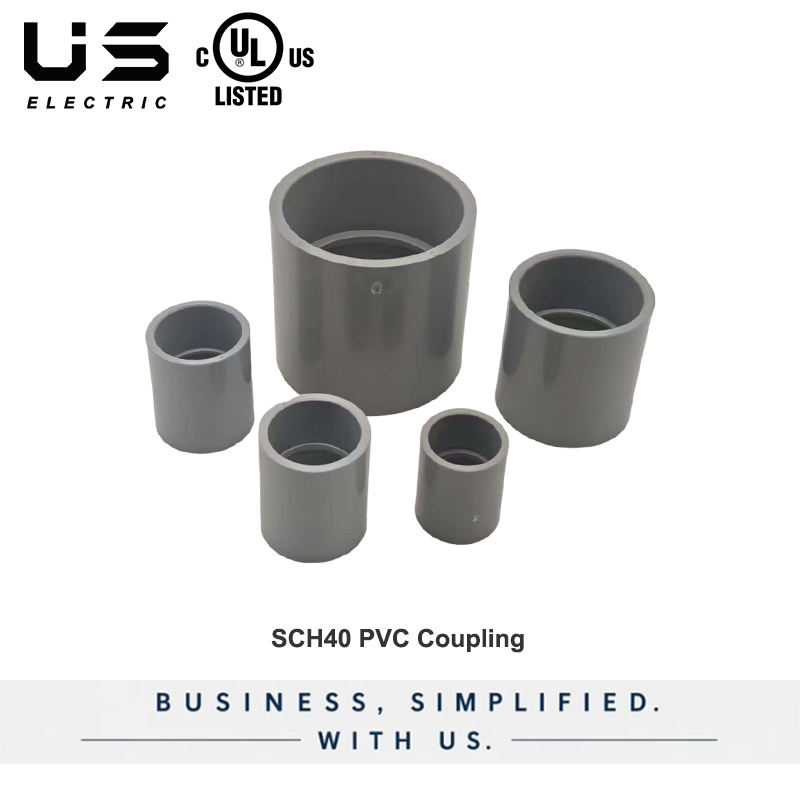
Size and Threading: Ensure the fittings are available in various sizes and thread types, such as NPT (National Pipe Thread) or metric threads, to accommodate diverse installation needs.
Temperature Ratings: Different applications may require fittings that can withstand various temperature ranges. Check the manufacturer's specifications for temperature ratings to ensure suitability.
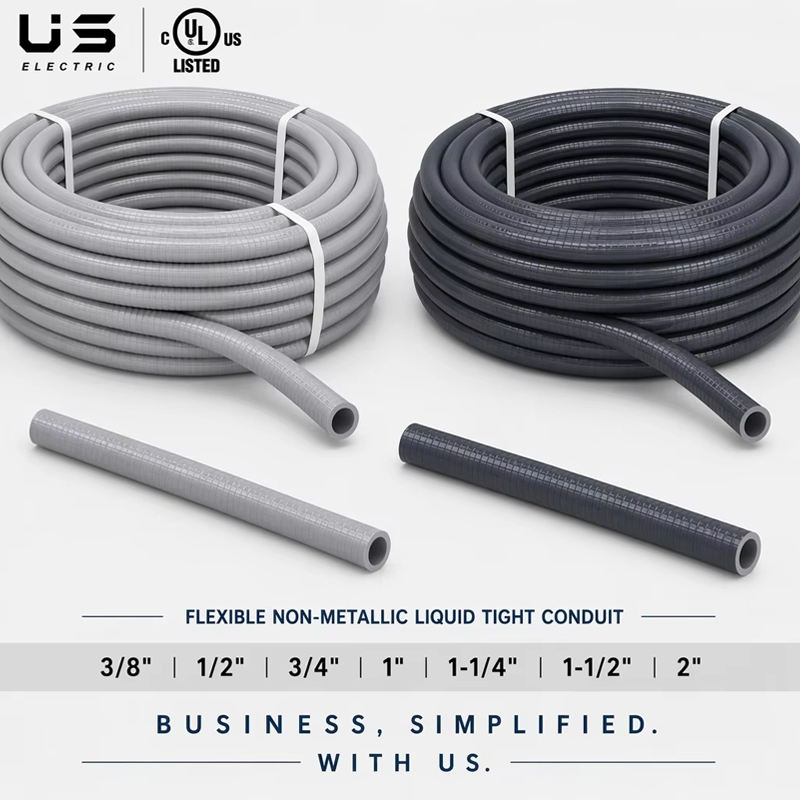
Flexibility and Bend Radius: The flexibility of the conduit fittings is crucial for routing around obstacles. Review the minimum bend radius specified by the manufacturer to avoid damaging the conduit during installation.
Sealing and Gasket Options: For applications requiring moisture intrusion protection, the availability of sealing options and gaskets is vital to maintain electrical integrity. Additionally, consider options like the US Canadian Standards Metal Junction Box which provides excellent sealing capabilities.
Understanding these specifications will help wholesale buyers make informed decisions and ensure the fittings meet their project's requirements.
Finding a reliable supplier for bulk orders of flex conduit fittings is essential to streamline your procurement process. Consider suppliers with a proven track record in the industry, such as Jiaxing ANT Electrical Co., Ltd., which has over 14 years of experience in manufacturing electrical equipment and supplies.
When evaluating suppliers, check for certifications like UL/cUL and ETL/cETL, which demonstrate adherence to safety standards. Additionally, inquire about the supplier’s production capacity and lead times, as these factors can significantly impact your project timelines.
Another important aspect is the supplier's customization capabilities. If your project requires specific dimensions, materials, or designs, partnering with a manufacturer that offers OEM/ODM solutions can enhance your operational efficiency and reduce lead times.
Lastly, assess the supplier's customer service and support. A supplier that provides responsive communication and assistance throughout the ordering and delivery process can contribute to a smoother purchasing experience.
Proper installation of flex conduit fittings is crucial for ensuring electrical safety and functionality. Here are some key guidelines to follow:
Preparation: Before installation, inspect all fittings for any defects. Ensure that the surfaces are clean and free of debris to ensure a proper seal.
Cutting and Fitting: When cutting conduit, use appropriate tools to achieve clean edges. Avoid using excessive force, as this may compromise the integrity of the conduit. Ensure that the fittings are correctly aligned with the conduit before securing them.
Securing Connections: Depending on the type of fitting, use the appropriate fastening method, such as screws or nuts, to secure connections. For threaded fittings, apply Teflon tape to the threads to prevent leaks and improve the seal.
Testing: After installation, conduct a thorough inspection to check for any loose connections. Perform electrical tests to ensure the system operates correctly and safely.
By adhering to these installation guidelines, you can minimize the risk of electrical failures and ensure a safe and reliable installation.
Flex conduit fittings can encounter various issues during installation and operation. Here are some common problems and their solutions:
Leaking Connections: If fittings are leaking, it may be due to improper sealing or misalignment. Inspect the connection points and ensure that all threads are adequately sealed with Teflon tape. If necessary, disassemble and reassemble the fittings, ensuring proper alignment and tightness.
Corrosion: Metallic fittings are susceptible to corrosion, especially in humid or chemically aggressive environments. To mitigate this, consider using non-metallic options or applying protective coatings to metallic fittings.
Cracking or Breakage: Non-metallic fittings may crack under stress or exposure to extreme temperatures. Ensure that the selected fittings are rated for the environmental conditions they will face. If breakage occurs, replace the fitting immediately to maintain system integrity.
Incompatibility: Using fittings that do not match the conduit size or type can lead to installation issues. Always confirm specifications before ordering and ensure compatibility with existing systems.
By proactively addressing these common problems, you can enhance the reliability and longevity of flex conduit fittings in your electrical projects.