EN
Quick Links
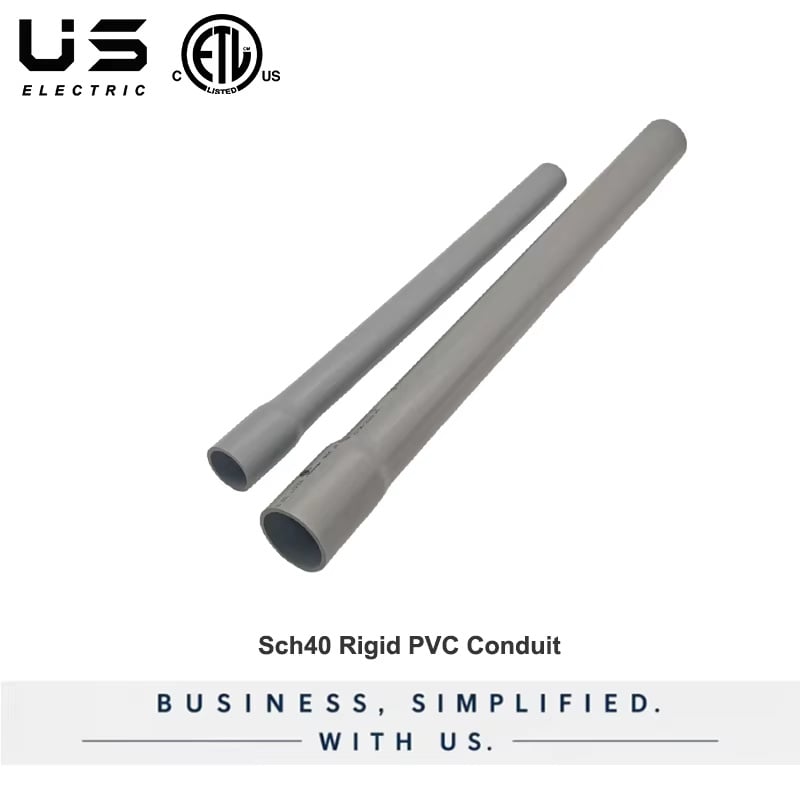
PVC electrical pipes are an essential component in various construction and electrical applications, providing a durable and cost-effective solution for wiring and electrical installations. As a B2B buyer, you may be concerned about the specifications, quality, and suitability of these pipes for your projects. This article will explore the benefits of PVC electrical pipes, offer guidance on selecting the right products for wholesale orders, discuss cost factors, and highlight the advantages of using PVC compared to other materials. Additionally, we will examine application scenarios for PVC electrical pipes across different industries.
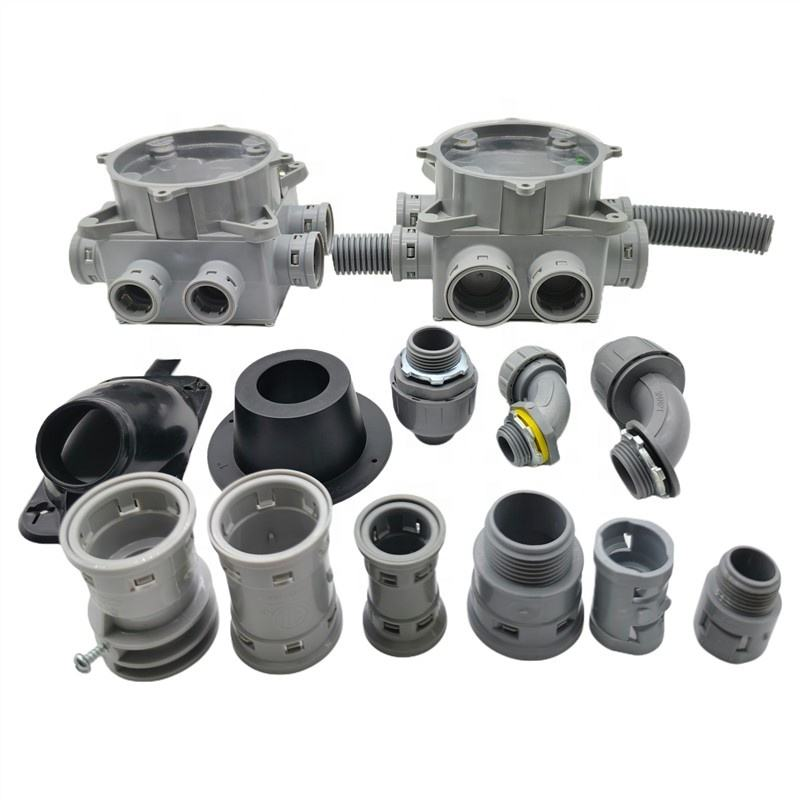
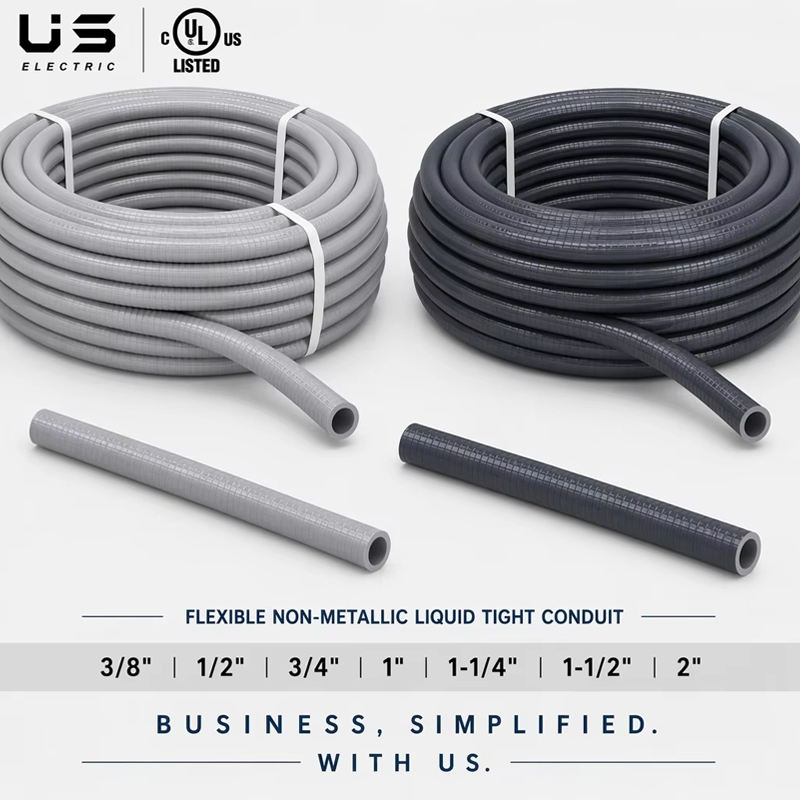
PVC electrical pipes offer several benefits that make them a preferred choice in both commercial and residential construction. Firstly, they are lightweight, which simplifies handling and installation. This can significantly reduce labor costs, as fewer resources are needed for transportation and installation compared to heavier materials like metal conduits. For those looking for alternatives, Nonmetallic Liquid-tight Conduit & fittings may also provide similar benefits.
Another advantage is their resistance to corrosion, moisture, and chemicals, which extends the life of the electrical systems they protect. This durability makes PVC pipes ideal for environments where exposure to harsh conditions is expected. Additionally, PVC has excellent electrical insulation properties, reducing the risk of short circuits and electrical failures.
Moreover, PVC pipes are available in various sizes and configurations, allowing for customization based on specific project needs. This versatility, combined with their cost-effectiveness, makes PVC electrical pipes a practical choice for a wide range of applications.
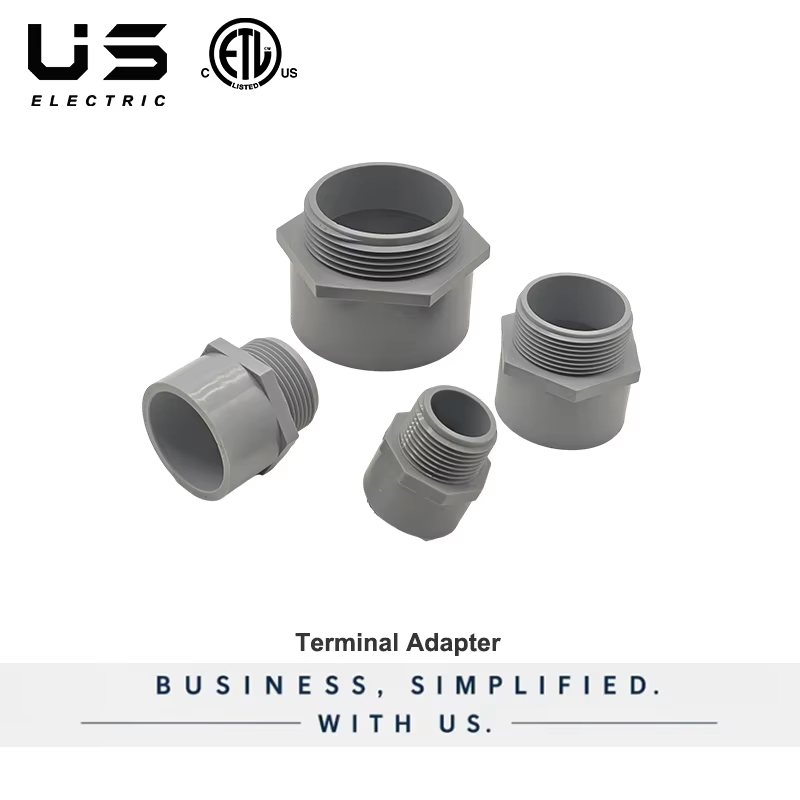
Selecting the appropriate PVC electrical pipes for your wholesale orders requires careful consideration of several factors. Begin by assessing the specific requirements of your project, including the electrical load, installation environment, and local regulations. It's essential to consult industry standards and guidelines that govern electrical installations in your area.
When choosing the right pipe, consider the following specifications:
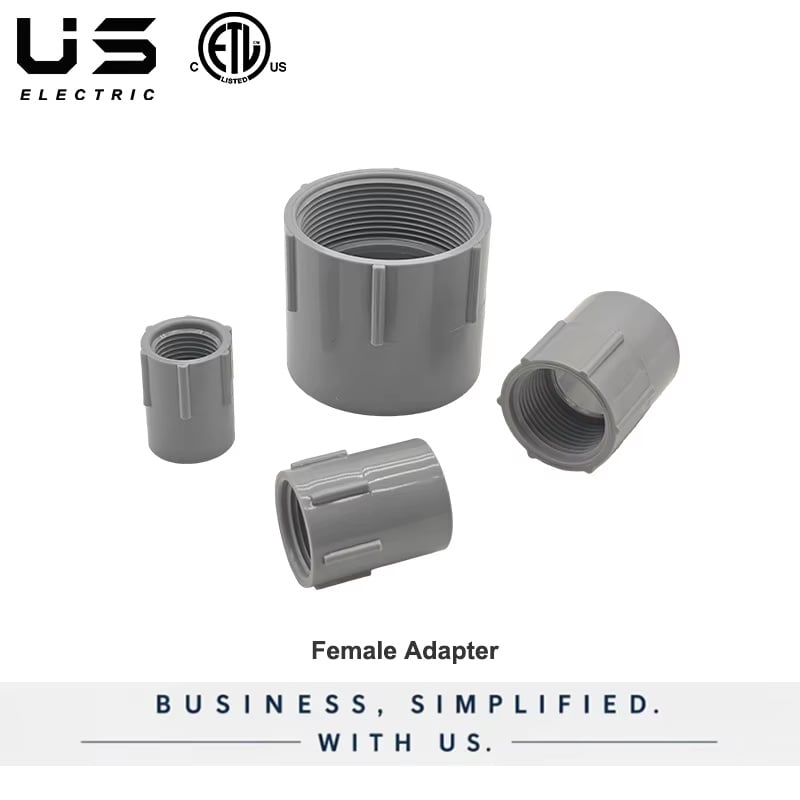
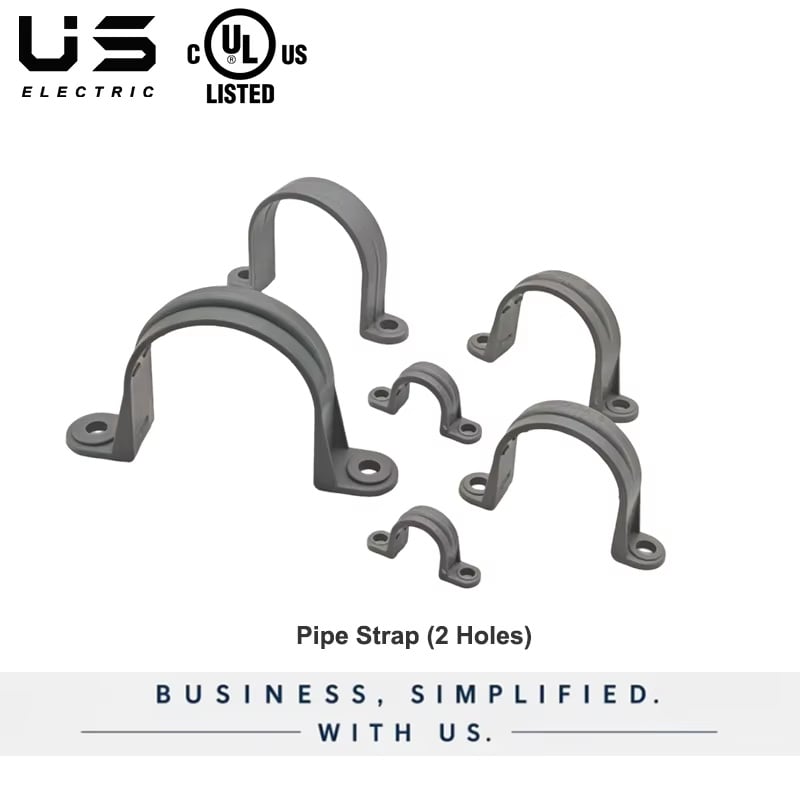
Diameter: The internal diameter must accommodate the number and size of electrical conductors while allowing for heat dissipation.Thickness: The wall thickness impacts the pipe’s ability to withstand external pressure and environmental conditions. Thicker pipes may be necessary for underground or high-pressure applications.Length and Fittings: Ensure that you have the appropriate lengths and fittings for seamless installation. Custom lengths may be available depending on the manufacturer. It is also crucial to discuss your customization needs with suppliers, as many manufacturers, like Jiaxing ANT Electrical Co., Ltd., offer OEM/ODM solutions tailored to your specifications. In addition, exploring options such as Brackets can enhance the installation process.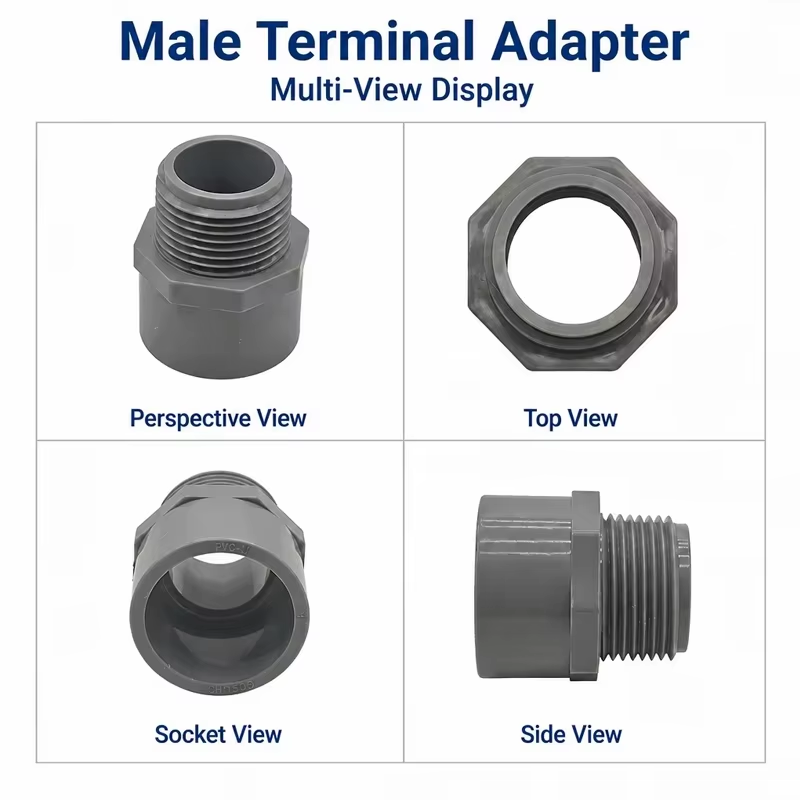
Understanding the cost structure associated with PVC electrical pipes is vital for budgeting and financial planning. The price of these pipes can vary based on several factors:
Material Quality: Higher-quality PVC may cost more but provide better durability and performance.Quantity: Bulk orders typically come with discounts, so consider ordering larger quantities if your project allows for it.Customization: Tailored specifications or branding can add to the overall cost. Ensure you weigh these costs against the benefits of customized products.Shipping and Handling: Depending on your location and the manufacturer’s capabilities, shipping costs can significantly impact your total expenses. Discuss logistics with your supplier to optimize costs. Being aware of these factors will help you make an informed purchasing decision and potentially negotiate better pricing with suppliers.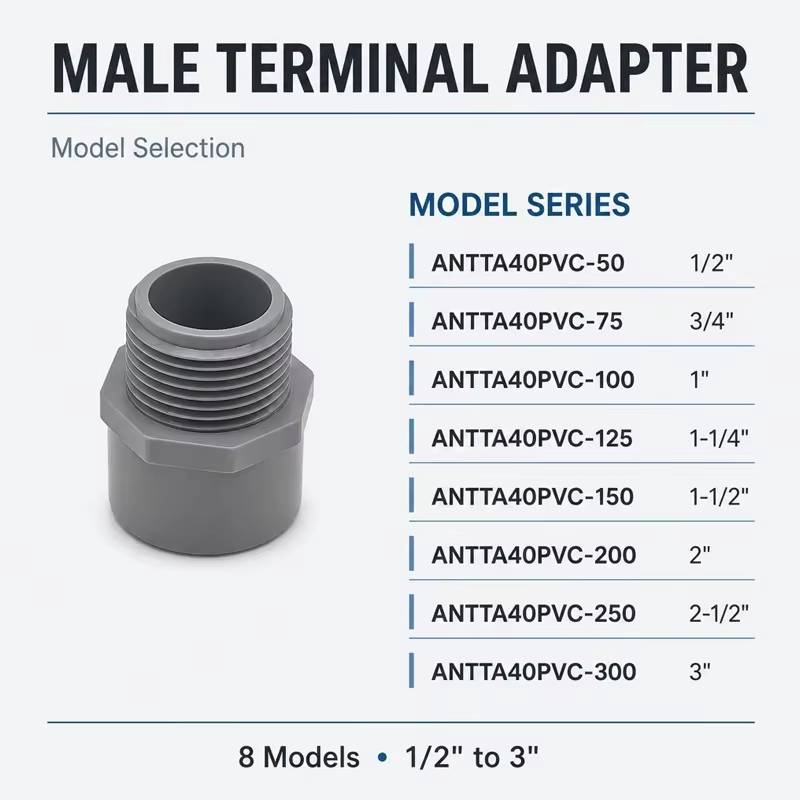
PVC electrical pipes present several advantages compared to alternative materials such as metal or fiberglass:
Corrosion Resistance: Unlike metal pipes, PVC does not corrode, which can lead to longer service life and reduced maintenance costs.Weight: PVC is significantly lighter than metal counterparts, making it easier to handle, install, and transport, which can save on labor costs.Cost-Effectiveness: Generally, PVC pipes are more affordable than metal options, providing a budget-friendly alternative without compromising on quality.Electrical Insulation: PVC is an excellent insulator, minimizing the risk of electrical hazards. This property is especially important in areas prone to moisture.Ease of Installation: The lightweight nature and compatibility with various fittings make PVC pipes easier to install, reducing project timelines. These advantages make PVC electrical pipes a practical choice for many applications, offering a balance of performance, cost, and ease of use.PVC electrical pipes are utilized across numerous industries due to their versatility. Here are some common application scenarios:
Residential Construction: In homes, PVC pipes are often used for wiring systems, providing a reliable conduit for electrical cables while protecting them from moisture and physical damage.Commercial Buildings: Businesses use PVC pipes for electrical installations in offices, retail spaces, and warehouses, where they benefit from the lightweight nature and corrosion resistance.Industrial Applications: Factories may employ PVC pipes in environments where chemical exposure is a concern, as they can withstand harsh substances without deteriorating.Telecommunications: PVC pipes serve as conduits for fiber optic cables, protecting delicate wiring from environmental factors and physical damage during installation.Infrastructure Projects: Public works projects, such as road construction, often incorporate PVC electrical pipes for lighting and signaling systems, ensuring durability and reliability in various conditions. By understanding these applications, buyers can better assess how PVC electrical pipes can meet their specific needs across different projects.In summary, PVC electrical pipes offer a range of benefits and are well-suited for various applications in commercial and residential settings. By carefully considering specifications and cost factors, and understanding their advantages over other materials, B2B buyers can make informed decisions when sourcing these essential components for their projects.