 EN
Quick Links
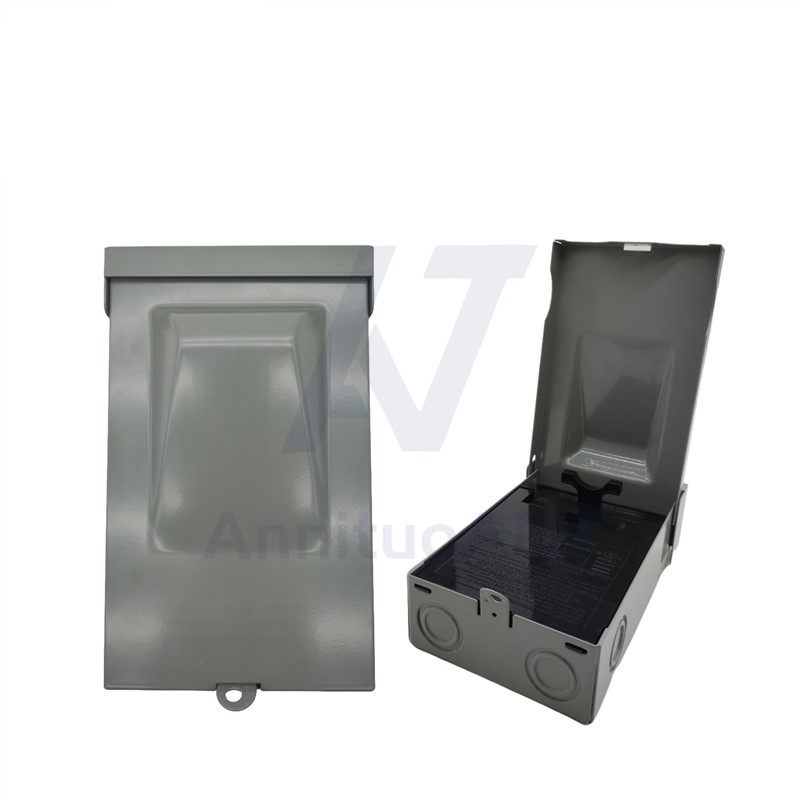
A disconnect box for AC units is an essential electrical component that ensures safe operation and maintenance of HVAC systems. It serves as a switch that disconnects power to the air conditioning unit, allowing for safe repairs and servicing. For B2B buyers such as purchasing managers, engineers, and product managers, understanding the key specifications, options available, and best practices for selecting the right disconnect box is crucial. This article will provide insights into the specifications to consider, how to compare options, reliable suppliers, best practices, and cost factors when purchasing disconnect boxes in bulk.
When selecting Anita disconnect box for AC units, several key specifications should be prioritized. These include:
Material: Disconnect boxes are typically made from either metallic or non-metallic materials. Metallic boxes, often made of steel or aluminum, offer durability and strength, making them suitable for outdoor applications. Non-metallic boxes, usually made from PVC or fiberglass, are resistant to corrosion and are ideal for environments with high humidity or chemical exposure.
NEMA Rating: The National Electrical Manufacturers Association (NEMA) rating indicates the box's suitability for specific environments. For instance, a NEMA 3R rating is appropriate for outdoor use and protects against rain and wind, while a NEMA 4 rating offers additional protection against splashing water and dust.
Ampacity: This refers to the maximum current the disconnect box can handle safely. It’s important to select a box with an ampacity that matches or exceeds the requirements of the AC unit to prevent overheating and potential failure.
Dimensions: The size of the disconnect box should accommodate not only the electrical components but also allow for proper wiring and connections. Buyers should verify dimensions to ensure compatibility with existing installations.
Certification: Look for products that meet UL (Underwriters Laboratories) or ETL (Intertek) certification standards. These certifications indicate that the product has been rigorously tested for safety and performance.
Understanding these specifications can help buyers choose a disconnect box that meets their operational needs and complies with industry standards.
When comparing disconnect box options, it's essential to evaluate the following factors:
Supplier Reputation: Research potential suppliers to determine their reliability and experience in manufacturing disconnect boxes. Look for manufacturers with industry certifications and a strong track record of quality.
Customization Options: Some projects may require specific features or dimensions. Assess whether the supplier offers customization capabilities, which can help tailor the ac disconnect switch to your specific project needs.
Lead Times: Understand the lead times for production and delivery. If a project has tight deadlines, ensure that the supplier can meet those timelines without compromising quality.
Pricing Structure: Request quotes from multiple suppliers and compare not just the unit price but also bulk pricing and shipping costs. Consider the total cost of ownership, which includes installation and maintenance over the product's lifespan.
Technical Support: Evaluate the level of technical support the supplier offers. Knowledgeable support can be invaluable for installation guidance and troubleshooting issues.
By systematically comparing these factors, buyers can make informed decisions that align with their project requirements and budgets.
Finding a trustworthy supplier for disconnect boxes is critical for ensuring product quality and reliability. Jiaxing ANT Electrical Co., Ltd. has over 14 years of experience in manufacturing and exporting electrical equipment, including disconnect boxes. With a diverse product line, most of which are certified by UL/cUL and ETL/cETL standards, they have established a reputation for quality and compliance.
When selecting a supplier, consider the following:
Experience and History: Look for suppliers with a long-standing presence in the industry. This often correlates with reliability and expertise.
Product Range: A supplier that offers a wide variety of disconnect boxes can better meet diverse project needs, from standard options to customized solutions.
Quality Assurance Processes: Inquire about the supplier's quality control measures. A robust quality assurance program helps mitigate risks of defects in the final product.
By choosing a reputable supplier, you can ensure that the disconnect boxes you purchase meet the necessary safety and performance standards.
To make the most of your Anita disconnect box purchase, consider these best practices:
Request Samples: Before committing to a large order, request samples to evaluate their quality and compatibility with your systems. Testing samples under actual operating conditions can reveal potential issues.
Verify Specifications: Double-check that the specifications meet your project's requirements. This includes ampacity, environmental ratings, and dimensions.
Check for Compliance: Ensure that the disconnect boxes are compliant with local and national electrical codes. Non-compliance can lead to safety hazards and legal issues.
Plan for Installation: Consider how the air conditioner disconnect box will be installed in relation to existing electrical systems. Proper planning can prevent installation delays and ensure smooth operations.
Maintain Open Communication: Keep lines of communication open with the supplier throughout the ordering process. Clear communication can help address any concerns or questions that arise.
Implementing these best practices can streamline your purchasing process and enhance the overall effectiveness of your HVAC systems.
When purchasing Anita disconnect boxes in bulk, several cost factors should be taken into account:
Unit Price: Bulk purchases often come with a reduced unit price, but it's essential to compare these prices across different suppliers to ensure competitiveness.
Shipping Costs: Factor in shipping costs, which can vary significantly depending on the distance, weight, and shipping method. Some suppliers may offer discounted rates for larger orders.
Volume Discounts: Many manufacturers offer tiered pricing based on order volume. Understanding these structures can help maximize savings.
Custom Costs: If customization is required, inquire about associated costs. Custom features may increase the initial investment but can lead to long-term savings by improving efficiency and reliability.
Lifecycle Costs: Evaluate the total lifecycle costs, including maintenance and replacement. A lower upfront cost may not always equate to a better overall investment if the product requires frequent repairs or replacements.
By thoroughly evaluating these cost factors, buyers can make more informed decisions that align with their budgetary constraints while ensuring optimal performance from their ac disconnect box.