
 EN
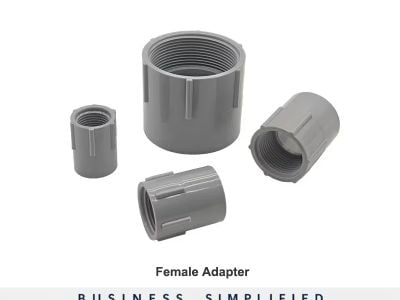
PVC conduit is an important part of electrical systems for residential and commercial applications. For builders, facility managers, and electrical contractors, choosing a dependable PVC conduit supports safe wiring in both residential and commercial electrical installations. In this article, we will discuss why PVC conduit should be chosen for wiring. We will see the main benefits, how the details of PVC conduit compare, and how it can give a reliable solution to clients. The main concerns of buyers, such as quality, price, and application, will also be discussed to help in making a smarter decision.
Key Advantages of PVC Conduit for Commercial Electrical Installations
PVC conduit has many benefits in commercial electrical installations. With its lightweight profile and easy handling, PVC conduit supports faster project timelines and easier maintenance planning for all sizes of projects. First of all, it is lightweight and easy to install, which allows for faster building of projects. Because it does not rust, PVC conduit is more durable in corrosive environments, which are often found in industrial settings. In projects that need electricity, PVC gives great protection to wires against physical damage and chemicals.
Aside from this, PVC conduit does not conduct electricity, so it offers extra safety against electric shocks. This safety feature aligns with PVC conduit standards and helps contractors, wholesalers, and local design teams make smarter purchasing decisions. The prices of the pvc conduit pipe conduit are often lower compared to other materials, which gives cost-effectiveness for projects. These benefits become the reason why many buyers choose PVC conduit in their electrical installations.
How to Compare PVC Conduit Specifications for Your Project Needs?
In comparing the details of PVC conduit, it is important to consider a few main aspects. Important factors are the diameter, the length, and how many wires the conduit can carry, as these affect performance and future upgrades. First, you should look at the diameter and length of the conduit, which affects the ability to carry wires. The right size depends on number and type of wires that will be put in the conduit.
Also consider the wall thickness specifications, which carry information about the durability of the conduit. Careful wall thickness choices influence durability, weight, and cost in commercial electrical installations. Thicker walls give higher protection against physical damage, but it can also increase the total weight and cost. Finally, certification standards like UL/cUL and ETL/cETL should be checked to ensure that the product meets the needed safety and quality regulations.
Evaluating the Quality of PVC Conduit for Long-Term Applications
In evaluating the quality of PVC conduit, aspects like the material used and the manufacturing processes are important. Choosing the right material, with proper additives, helps ensure UV resistance and chemical durability for long-term outdoor use. You must make sure that these products are made from high quality PVC with the right additives to improve resistance to UV rays and chemicals. These are important for long-term applications, especially if the conduit will be placed outside or in environments with a high chemical exposure. A good practice is asking about the quality control processes of the pvc junction box supplier. Ask about quality control, the testing agencies, and feedback from other buyers to confirm PVC conduit standards and reliability. The certifications obtained by the product from well-known third-party testing agencies are a good indication of quality. You should also look at feedback from previous clients to get the real experience in using the product.
Best Practices for PVC Conduit in Wiring
When using a PVC conduit for wiring, there are some best practices that should be followed to ensure a proper and safe installation. For installers, engineers, and maintenance teams, these best practices help ensure safety, efficiency, and smoother inspections by crews. First, proper cutting and installation of the conduit are important to avoid possible blockages inside. You should use the right tools and follow the manufacturer instructions to ensure a proper installation.
Second, the fittings and connectors should match the diameter of the conduit. A wrong match can cause a leakage and other installation problems. Furthermore, following local electrical codes is required to ensure that all installations are safe and compliant with regulations. Using compatible fittings and matched diameters reduces leakage, saves time, and lowers maintenance needs.
PVC Conduit Standards and Certifications Explained
Different standards and certifications for PVC conduit are an important aspect in choosing the right product. UL/cUL and ETL/cETL certifications ensure that the products are tested and meet the safety and quality standards. These certifications give knowledge to buyers that the PVC conduit they choose is reliable and safe to use. Understanding these standards helps buyers, specifiers, and installers choose products with proven reliability.
It is also important to check the local regulations and standards in electrical installations. These can vary depending on the location and type of project. Having knowledge of these standards will help buyers make a better decision and avoid potential problems in the future. Having up to date standards and clear checks helps designers, procurement teams, and contractors compare options confidently.
Understanding the benefits and details of electrical pvc pipe conduit will help the buyers to make a smarter decisions in their electrical projects. With the right information, buyers can find solutions that are not only effective but also durable and safe. Local regulations, building codes, and site rules influence PVC conduit choices. This awareness helps project managers, engineers, and procurement teams plan better and choose long lasting, safe solutions.