
 EN
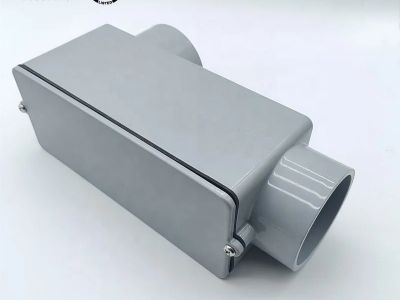
PVC conduit is a crucial factor in electrical installations, giving protection to cables and wiring from external dangers. In this article, we will discuss the different types of PVC conduit, their sizes, and the common applications. Getting the right type and size early can save time and money during installation. This is a crucial factor for purchasing managers, distributors, and engineers who are looking for suitable solutions for their projects. This information will help readers make more informed decisions in their purchases.
Understanding PVC Conduit Types and Their Key Applications
PVC conduit iis actually divided into different types based on their design and application. Selecting the right PVC conduit type can simplify layout planning and help protect cables in tight spaces. These include rigid PVC conduit & fittings, flexible PVC conduit, and schedule 40 and 80 conduits, each chosen for its own strength, bendability, and protection needs.
What to Look for?
When choosing PVC conduit, there are some aspects that should be considered: Getting these details right helps avoid delays and faulty wiring. Size: The right size of conduit is actually critical to make sure that the cables fit well and are protected. The diameter and length sizes needed for your project should be checked. Material: The quality of PVC has a big effect on the durability and resistance of the conduit and fittings to chemicals and physical damage. Make sure that the products are actually certified to standards like UL/cUL and ETL/cETL. Installation Requirements: The installation requirements should be considered, such as the accessories needed (fittings, connectors) and what tools will be needed for proper installation. Quality Check: Before mass production, it is important to check the samples to make sure that the sizes and quality match the expectations. These samples should be tested in actual operating conditions.
Best Practices and Techniques
The proper installation and use of PVC conduit will help make sure of the safety and effectiveness of electrical systems. Following these steps can help keep systems safe and efficient. Here are some best practices:
Plan Ahead: Before starting the installation, the layout of the wiring should be planned well. Consider the possible obstructions and the places that need bends. Use the Right Tools: Make sure that you are actually using the right tools for cutting and installing the conduit. Tools that are not suitable can cause damage to the material. Regular Inspection: After installation, regularly check the conduit electrical fittings to make sure that there are no damages or wear that can cause electrical hazards. Proper Sealing: Make sure that the joints and fittings are actually well sealed to prevent moisture and other contaminants from getting in.
Exploring Material Advantages of PVC Conduit for Electrical Projects
PVC is a popular material for electrical conduit because of the following benefits: This makes PVC conduit a flexible choice for many projects. Corrosion Resistance: PVC does not rust and is not actually affected by chemicals, so it is actually good for industrial environments with corrosive substances. Lightweight: PVC conduits are actually light, which makes it easier for laborers to install them, resulting in lower labor costs. Cost-Effective: In general, PVC conduit is cheaper compared to metal conduits, giving a lower total project cost. Ease of Installation: PVC conduits are actually easy to install and handle, which cuts down the time and cost of installation.
Which Type Meets Your Needs?
When choosing the right PVC conduit, consider the following questions: This helps clarify how to balance cost and protection. What is the application? If your project needs high protection from physical damage, rigid PVC conduit is better. If flexibility is really needed, choose flexible PVC conduit. What conditions will the conduit face? If the conduit will be placed outside or in conditions with high moisture, make sure that the chosen material has good sealing properties. What is the budget? Make sure that the chosen conduit fits the budget of the project, but do not forget to consider the long-term benefits of higher quality material. Determining the right type of PVC conduit does not only depend on the technical details but also on the needs and goals of your project. By understanding the types, sizes, and applications of PVC conduits, it will help purchasing managers and engineers make more informed decisions that will meet their specific needs.