 EN
Quick Links
In the realm of construction and plumbing, UPVC (Unplasticized Polyvinyl Chloride) pipes are a popular choice due to their durability, corrosion resistance, and affordability. Understanding the dynamics of UPVC pipe pricing is crucial for B2B buyers, purchasing managers, and engineers who are looking to source these essential materials. This article will delve into the factors influencing UPVC pipe prices, offer guidance on selecting the right pipe for specific project needs, and provide insights into sourcing reliable suppliers. Additionally, it will break down cost considerations and share tips for efficient usage, helping buyers make informed procurement decisions.
Several factors affect the pricing of UPVC pipes, making it important for wholesale buyers to conduct thorough market research. Key elements include:
Material Quality: The quality of UPVC material impacts price. Higher-grade materials may cost more but offer better durability and performance, which can lead to long-term savings.
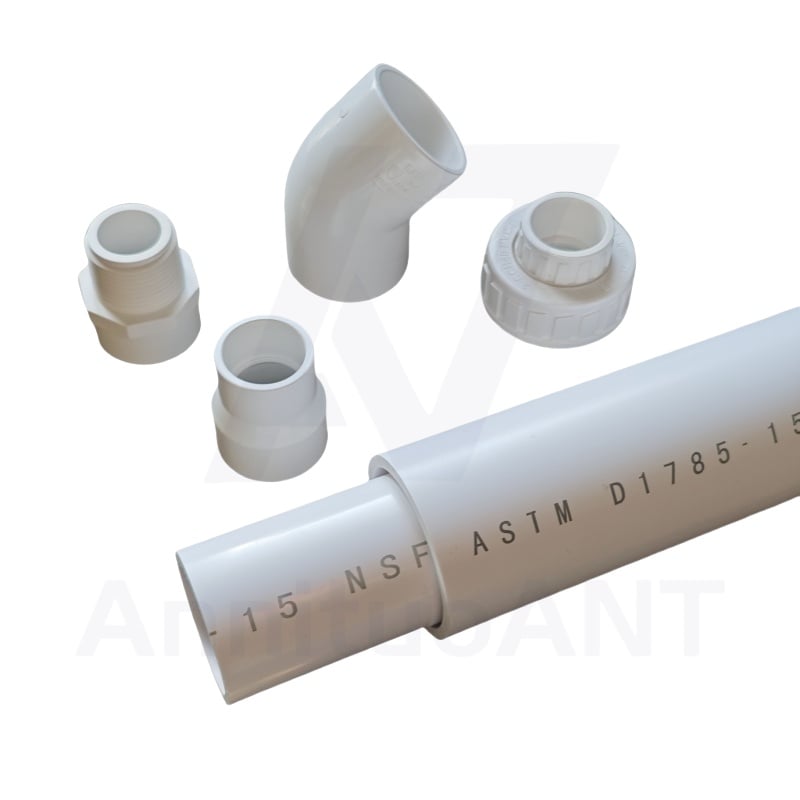
Pipe Specifications: Dimensions, wall thickness, and pressure ratings directly influence pricing. The pvc pipe & fittings designed for higher pressure applications tend to be more expensive due to the increased material requirements.
Production Volume: Bulk orders usually attract lower unit prices. Manufacturers often offer discounts based on the quantity purchased, so buyers should consider their needs carefully.
Customization: Custom sizes, colors, or fittings may incur additional costs. If specific project requirements exist, communicating these early can help manufacturers provide accurate pricing.
Market Demand: Fluctuations in demand can lead to price changes. Understanding seasonal trends or construction industry cycles may help buyers time their purchases better.
Geographical Location: Shipping costs and regional market conditions can also affect pricing. Buyers should consider proximity to suppliers or the costs associated with logistics and delivery.
By evaluating these factors, buyers can better understand UPVC pipe pricing and make informed decisions that align with their budget and project specifications.
Selecting the right UPVC pipe involves several considerations to ensure optimal performance for your project:
Application Purpose: Determine the intended use of the pipe. Whether for drainage, water supply, or chemical transport, the application will dictate the required specifications.
Pressure Rating: Assess the pressure requirements of your system. UPVC pipes come with various pressure ratings, which should match or exceed the operational demands of your installation.
Diameter and Length: Calculate the necessary pipe diameter and length based on the design requirements. Ensure that these dimensions are compatible with existing fittings and systems.
Environmental Conditions: Consider the environmental factors the pipes will face, such as temperature extremes, exposure to chemicals, or UV light. Selecting pipes that can withstand these conditions is crucial for long-term reliability.
Standards Compliance: Verify that the pipes meet relevant industry standards, such as UL/cUL or ETL/cETL certifications. Compliance ensures safety and performance, which are essential for B2B projects.
Supplier Recommendations: Consult with manufacturers or suppliers who understand your industry needs. They can provide valuable insights based on their experience with similar projects.
By carefully considering these factors, buyers can select UPVC conduit pipe flexible that not only meet project specifications but also enhance overall system performance.
Finding trustworthy suppliers for UPVC pipes is critical to ensuring quality and timely delivery. Here are steps to help you identify the right partners:
Industry Research: Start with online research to identify manufacturers with a strong reputation in the UPVC pipe market. Look for reviews, testimonials, and case studies that highlight their experience and reliability.
Trade Shows and Expos: Attend industry trade shows or expos where manufacturers showcase their products. This allows for direct interaction with suppliers, enabling you to ask questions and see the products firsthand.
Certifications and Compliance: Verify that potential suppliers have the necessary certifications for their products. This not only reflects quality but also commitment to industry standards.
OEM/ODM Capabilities: If customization is a requirement, check if the supplier offers OEM/ODM services. This can be particularly beneficial for unique project specifications.
Sample Requests: Request samples before placing bulk orders. This allows you to assess the quality and suitability of the electrical pvc pipe for your specific application.
Compare Quotes: Obtain quotes from multiple suppliers to compare pricing and value. Pay attention to shipping costs, lead times, and payment terms to get a comprehensive view of the offer.
By following these steps, buyers can find reliable UPVC pipe suppliers that align with their project needs and ensure successful procurement outcomes.
For contractors, understanding the cost breakdown of UPVC pipes is essential for accurate budgeting and project planning. Key components of the cost include:
Material Costs: This is the base price determined by the type and quality of UPVC used. High-quality materials may incur higher initial costs but can reduce maintenance and replacement expenses over time.
Manufacturing Costs: These include expenses related to the production process, such as labor, overhead, and machinery. Manufacturers with efficient processes may offer competitive pricing without compromising quality.
Logistics and Shipping: Transportation costs can significantly affect the final price. Factors such as distance from the manufacturer and volume of the order will influence shipping expenses.
Customization Fees: If specific customizations are requested, these may come with additional fees. It’s important to clarify these costs upfront to avoid surprises later.
Taxes and Duties: Depending on the region, taxes and import duties may apply, especially for international orders. Buyers should factor these into their total cost calculations.
Installation Costs: While not part of the pipe price itself, installation costs should be considered in the overall project budget. Efficient installation can lead to savings in labor costs.
Being aware of these cost components will help contractors create more accurate budgets and negotiate better terms with suppliers.
To maximize the benefits of UPVC pipes in your projects, consider these practical tips:
Proper Installation: Ensure pipes are installed according to manufacturer guidelines. Correct installation prevents future issues and extends the lifespan of the pipes.
Regular Maintenance: Schedule routine inspections to identify and address any potential issues early. This proactive approach can prevent costly repairs.
Temperature Considerations: Be mindful of temperature changes, as UPVC can expand and contract. Allow for proper fittings and supports to accommodate movement.
Avoid Chemical Exposure: Ensure that the UPVC pipes are suitable for the intended chemicals. Some substances can degrade UPVC if not compatible.
Documentation: Keep records of all specifications, warranties, and installation guidelines. This documentation can be invaluable for future maintenance or replacement needs.
Training for Installers: Invest in training for the personnel responsible for installation. Well-trained staff are more likely to adhere to best practices, reducing the risk of installation errors.
Implementing these tips will enhance the performance and longevity of UPVC pipes in your projects, leading to better outcomes and cost efficiency.