 EN
Quick Links
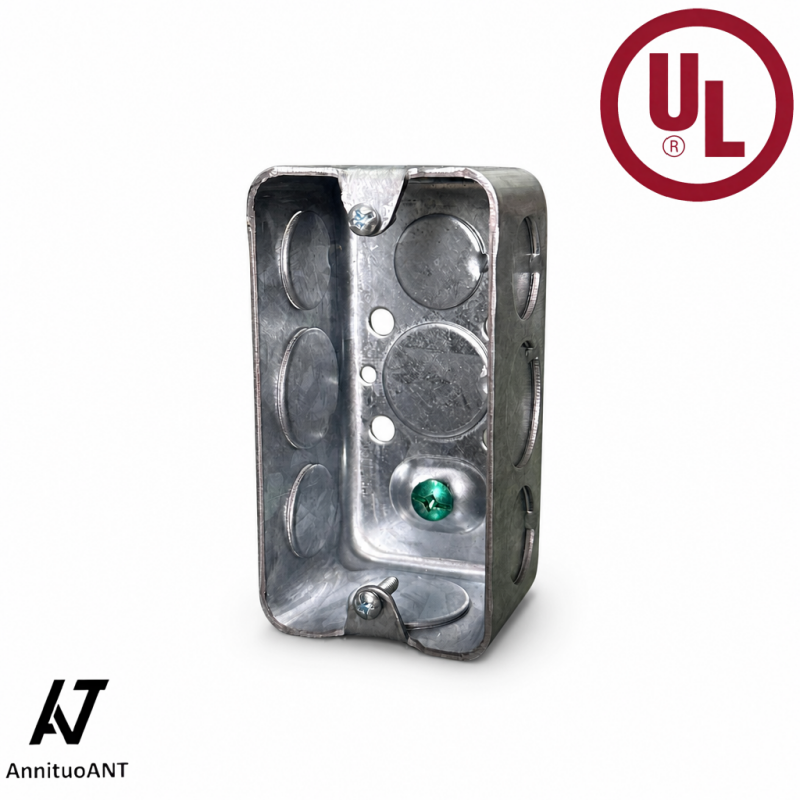
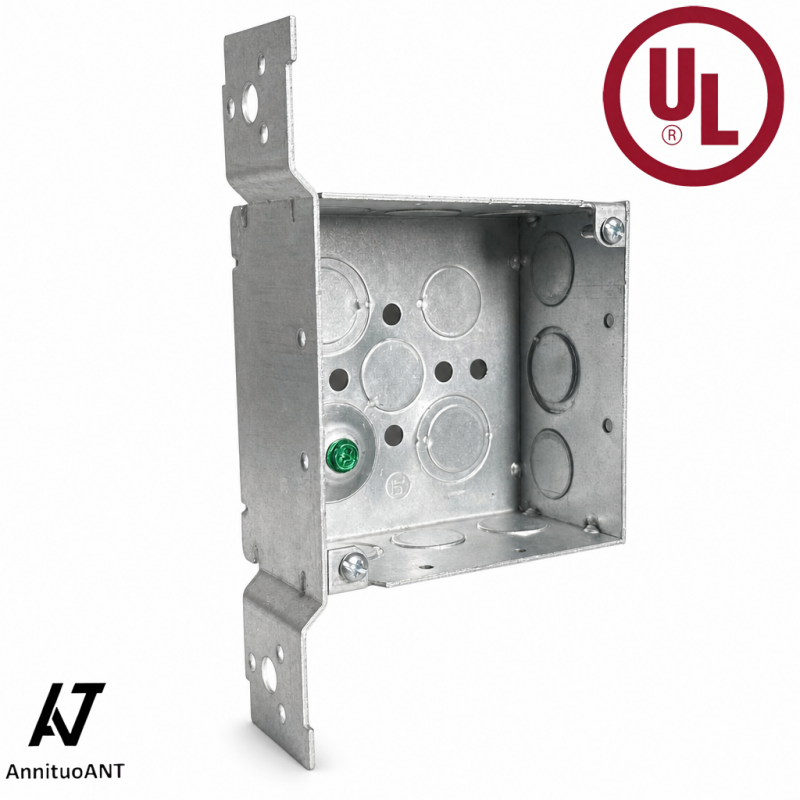
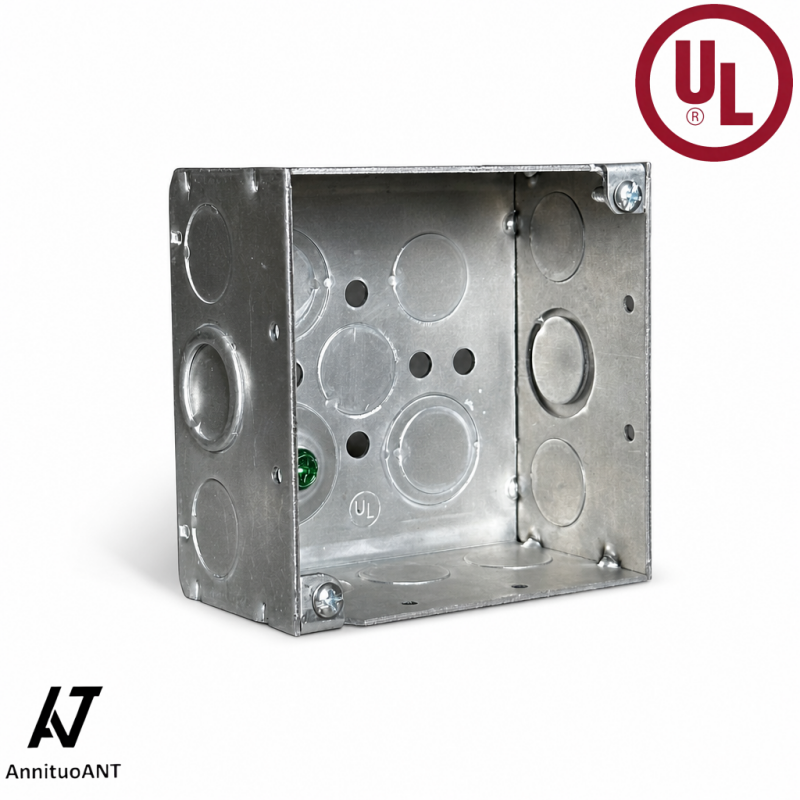
A socket box is a crucial component in electrical installations, designed to house electrical connections and protect them from damage. For B2B buyers—such as purchasing managers, engineers, and distributors—understanding the specifications, quality, and sourcing options for socket boxes is essential. This article will guide you through the key specifications to consider, what buyers should know, common problems with exterior junction box and their solutions, where to source high-quality options for bulk orders, and what to expect during the purchasing process.
When selecting socket boxes, several key specifications must be evaluated to ensure optimal performance and compliance with industry standards.
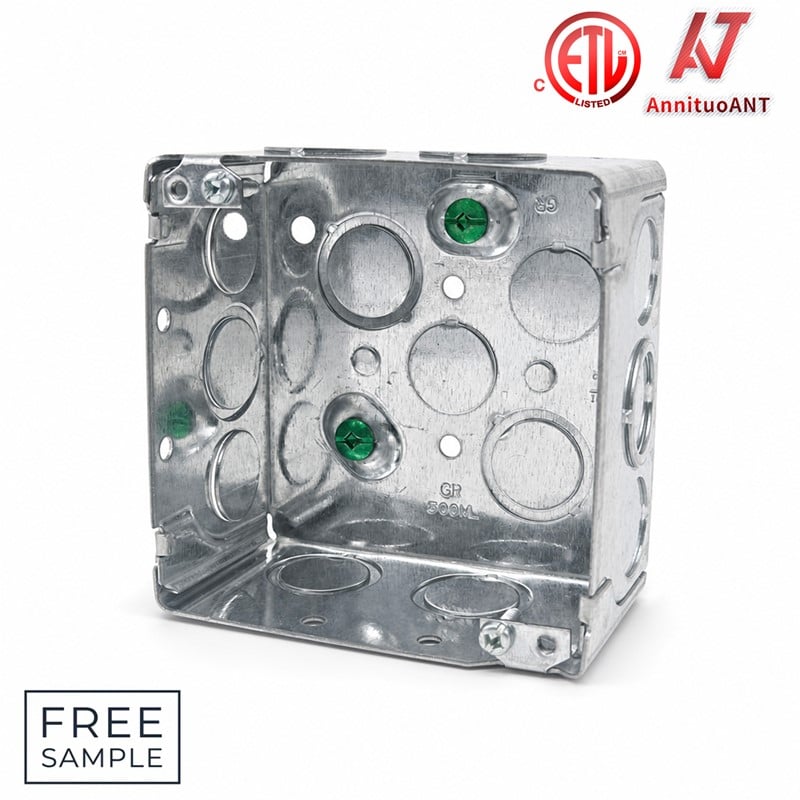
Material: Socket boxes are typically made from metallic or non-metallic materials. Metallic boxes, often made from steel or aluminum, provide better grounding and durability, making them suitable for high-stress environments. Non-metallic options, often made from PVC or polycarbonate, are lighter and resistant to corrosion, which may be advantageous in specific applications.
Dimensions: The size of the socket box is critical. It must accommodate the number of connections and the wiring that will be housed within it. Common dimensions include depth, width, and height, which can affect installation feasibility and compatibility with other components.
Load Rating: This specification indicates how much weight or electrical load the socket box can safely handle. It is essential to match the load rating with the electrical devices intended for use to prevent overheating and potential hazards.
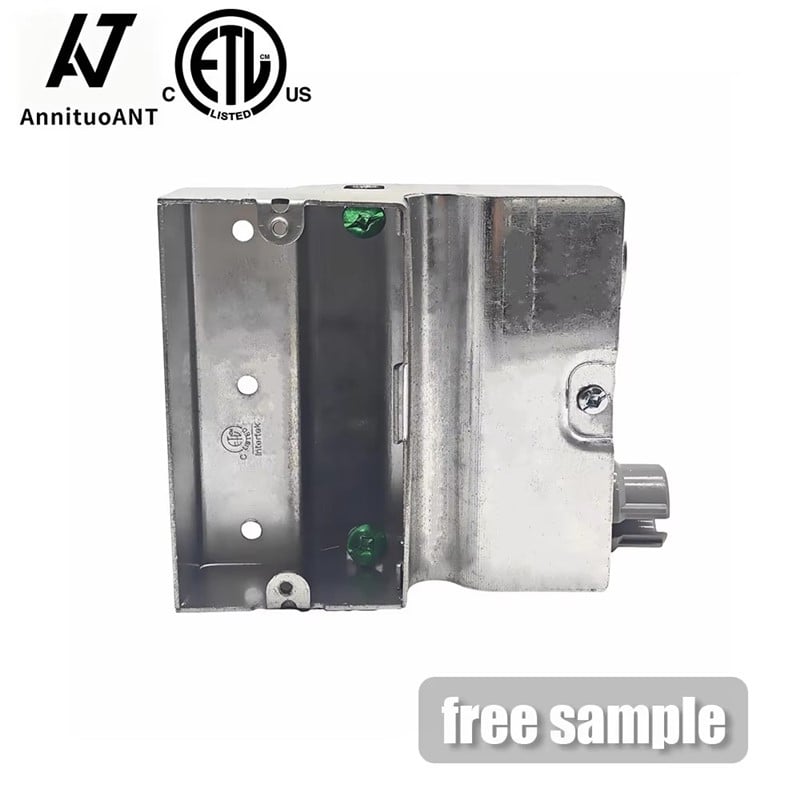
Certifications: Look for socket boxes that are certified by recognized organizations, such as UL/cUL and ETL/cETL. These certifications ensure that the products meet stringent safety and quality standards.
Environmental Resistance: Depending on the application, you may need socket boxes that are resistant to moisture, chemicals, or extreme temperatures. Understanding the environmental conditions in which the socket box will be installed will guide material selection.
As a B2B buyer, there are several factors to keep in mind when purchasing socket boxes:
Customization Options: Many manufacturers, including Jiaxing ANT Electrical Co., Ltd., offer OEM and ODM solutions. Customization can include specific dimensions, material choices, or even branding on the waterproof junction box. Be clear about your requirements early in the discussion with suppliers.
Minimum Order Quantities (MOQ): Different suppliers may have varying MOQs. Understanding these terms upfront can help in budgeting and inventory management. Suppliers like Anita can accommodate bulk orders, which is beneficial for large projects.
Lead Times: Production and delivery timelines can vary significantly based on the manufacturer and the complexity of the order. Always inquire about lead times, especially if your project has strict deadlines.
Quality Control Processes: Ensure that the manufacturer has robust quality control measures in place to minimize defects. Ask about their inspection processes, especially for critical components.
Pricing Factors: Pricing can be influenced by material choice, complexity of design, and order volume. Discuss these elements to get a comprehensive quote that aligns with your budget.
While socket boxes are generally reliable, buyers should be aware of common issues that may arise:
Incorrect Sizing: A frequent problem is ordering socket boxes that do not fit the intended installation space. To avoid this, measure the installation area accurately and consult with the supplier about the best size and type for your needs.
Material Suitability: Selecting the wrong material can lead to premature failures. For example, using a non-metallic box in a high-temperature environment can result in deformation. Always match the material properties with the operational environment.
Poor Sealing: In areas exposed to moisture, inadequate sealing can lead to water ingress, damaging electrical connections. Ensure that the socket box is rated for the specific environmental conditions and check for any seals or gaskets that may enhance protection.
Installation Issues: Improper installation can lead to functional problems. It's essential to follow manufacturer guidelines closely and ensure that all connections are made securely to prevent electrical failures.
For reliable sourcing, consider the following options:
Established Manufacturers: Partnering with experienced manufacturers like Anita ensures access to high-quality products backed by years of industry experience. Their capabilities in producing over 1,000 certified products make them a strong candidate for bulk orders.
Direct Contact: Engage directly with manufacturers rather than third-party distributors when possible. This approach often results in better pricing, clearer communication regarding specifications, and more tailored service.
Industry Trade Shows: Attending industry trade shows can provide valuable insights into new products and technologies. These events also facilitate direct communication with manufacturers and suppliers.
Online Marketplaces: While online platforms can provide a broad range of options, ensure that the suppliers are reputable and offer products that meet your quality standards.
When engaging with manufacturers like Anita you can expect:
Professional Consultation: An experienced supplier will guide you through the selection process, helping to match your requirements with the right socket box specifications.
Sample Approval: Prior to mass production, request samples to evaluate quality, fit, and functionality. This step is crucial in confirming that the product meets your expectations and needs.
Transparent Communication: Effective suppliers will keep you informed about production timelines, shipping details, and any potential issues that may arise during the manufacturing process.
Post-Sale Support: Consider suppliers who offer ongoing support, including assistance with installation or troubleshooting, as this can be invaluable in ensuring the long-term success of your projects.
By understanding the specifications, addressing common issues, and engaging with reliable suppliers, B2B buyers can make informed decisions when purchasing outdoor outlet box, ensuring safety and efficiency in their electrical installations.