 EN
Quick Links
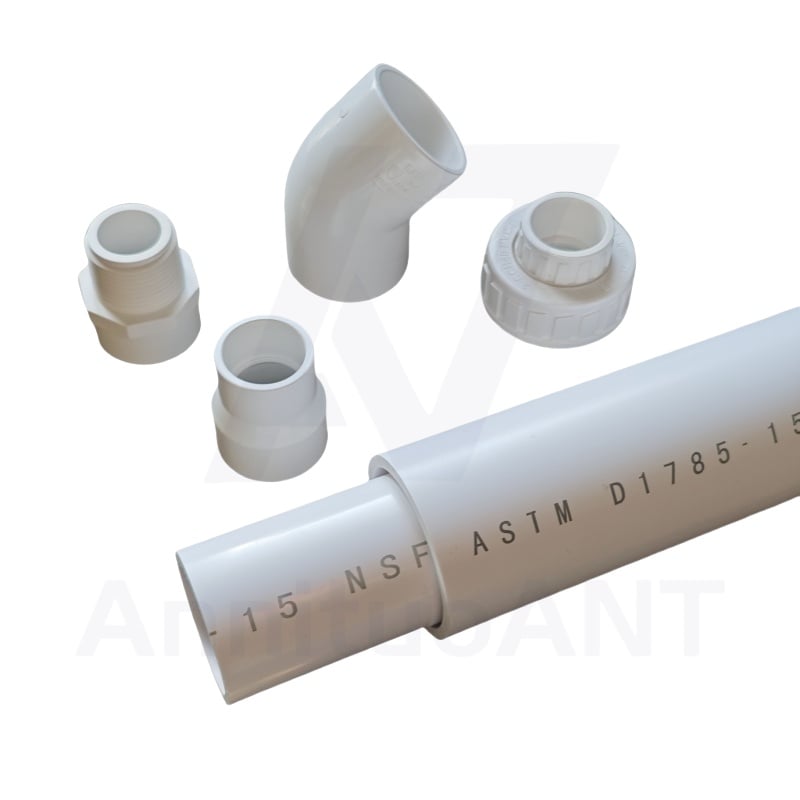
Choosing the right PVC pipe and fittings is crucial for any construction or industrial project. These components not only play a significant role in the integrity and efficiency of plumbing and electrical systems but also impact overall project costs and timelines. This article aims to provide B2B buyers, such as purchasing managers and engineers, with essential information about electrical pvc pipe, addressing key concerns like specifications, cost analysis, installation guidance, and application suitability.
When selecting PVC pipe and fittings, several factors come into play that can significantly affect the success of your project. First, consider the intended application. For instance, will the pipes be used for water supply, drainage, or electrical conduits? This determines the pressure rating and the type of fittings required. Additionally, it’s essential to evaluate the chemical compatibility of Anita PVC with the substances it will carry.
Another critical consideration is the size and diameter of the pipes and fittings. Ensuring compatibility with existing systems or planned installations is vital to avoid costly modifications later. Buyers should also assess the installation environment, including factors like temperature fluctuations and exposure to UV light, which can affect the durability of PVC.
Lastly, review the certifications and quality standards, such as UL/cUL and ETL/cETL, that ensure the products meet industry requirements. As a manufacturer with extensive experience, Jiaxing ANT Electrical Co., Ltd. emphasizes the importance of these factors to ensure reliable and safe installations.
Understanding the specifications of PVC pipe and fittings is essential for making informed purchasing decisions. Key specifications include:
Diameter and Length: The inner diameter affects flow rates, while length impacts installation logistics.
Pressure Rating: This indicates the maximum pressure the pvc pipe reducer can handle. Common ratings include Schedule 40 and Schedule 80, with Schedule 80 being thicker and suitable for higher-pressure applications.
Material Composition: While PVC is the primary material, variations in formulations can affect flexibility and strength. Buyers should confirm the specific material used to ensure it meets application requirements.
Temperature Resistance: PVC can handle temperatures up to approximately 140°F (60°C). However, for higher temperatures, other materials may be more suitable.
Each specification directly impacts the product's performance and suitability for various applications, so careful consideration is necessary before finalizing an order.
Several factors influence the cost of PVC pipe and fittings. Pricing can vary based on material quality, manufacturing processes, and supplier pricing strategies. When evaluating costs, consider the following:
Material Quality: Higher-quality PVC may come at a premium but can provide better durability and longer service life, ultimately reducing maintenance costs.
Customization: Customized fittings or unique sizes may incur additional costs but can be essential for specific applications.
Order Quantity: Bulk purchases often lead to significant discounts, so understanding minimum order quantities (MOQs) can help in budgeting.
Logistics and Shipping: Consider shipping costs and delivery timelines, especially if sourcing from international suppliers.
Conducting a value analysis is crucial; the lowest upfront cost may not always equate to the best overall value. Buyers should consider long-term performance and reliability when evaluating total cost of ownership.
Proper installation of Anita PVC pipe and fittings is critical to ensure their longevity and functionality. Here are key steps to follow:
Preparation: Ensure all tools and materials are ready before beginning installation. This includes cutting tools, solvent cement, and cleaning agents.
Cutting and Fitting: Carefully cut pipes to the desired lengths using a pipe cutter, ensuring clean edges for better sealing.
Cleaning and Priming: Clean the ends of the pipes and fittings thoroughly to remove any debris or contaminants. Use a primer if recommended for the adhesive.
Cement Application: Apply PVC cement evenly on both the pipe and the fitting and quickly join them together, twisting slightly to ensure a secure bond.
Curing Time: Allow sufficient curing time according to the manufacturer's instructions before subjecting the system to pressure or fluid.
Following these guidelines can help prevent common installation issues, such as leaks or pipe failure, which can lead to costly repairs down the line.
Anita PVC pipe and fittings are widely used across multiple industries due to their versatility and durability. Here are some common applications:
Construction: In residential and commercial buildings, PVC is commonly used for plumbing and drainage systems due to its resistance to corrosion and low weight.
Electrical: PVC conduits protect electrical wiring in both indoor and outdoor settings. They are preferred for their insulating properties and ease of installation.
Agriculture: PVC pipes are used for irrigation systems, allowing for efficient water distribution in agricultural settings.
Manufacturing: In industrial applications, PVC can be utilized for transport systems, chemical handling, and waste disposal due to its chemical resistance.
Understanding these applications helps buyers select the right products for specific projects, ensuring compatibility with their industry requirements and regulations.
By considering these factors and specifications when selecting pvc pipe coupling, buyers can make informed decisions that align with their project needs and budget constraints.