 EN
Quick Links
Understanding outlet boxes is crucial for any commercial or residential construction project. These essential electrical components serve as junction points for electrical wiring, providing a secure housing for electrical connections and outlets. Buyers often have concerns about specifications, quality, and supplier reliability. This article will guide you through the specifications of outdoor outlet box, how to choose the right ones for bulk orders, evaluate quality for wholesale purchases, find reliable suppliers, and weigh the Anita pros and cons of different options.
When selecting outlet boxes, understanding their specifications is vital for ensuring they meet project requirements. Key specifications include:
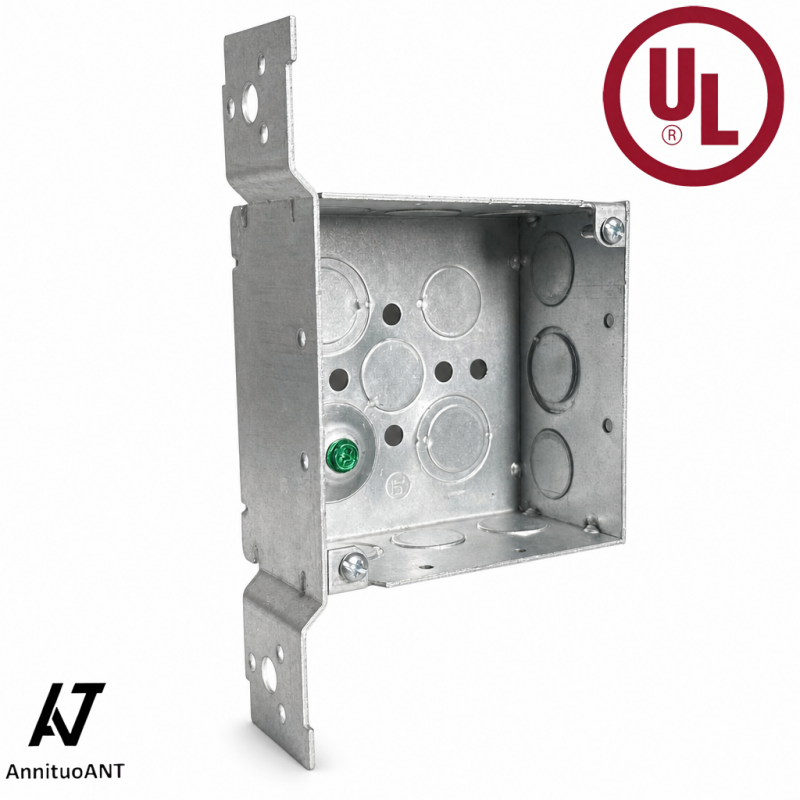
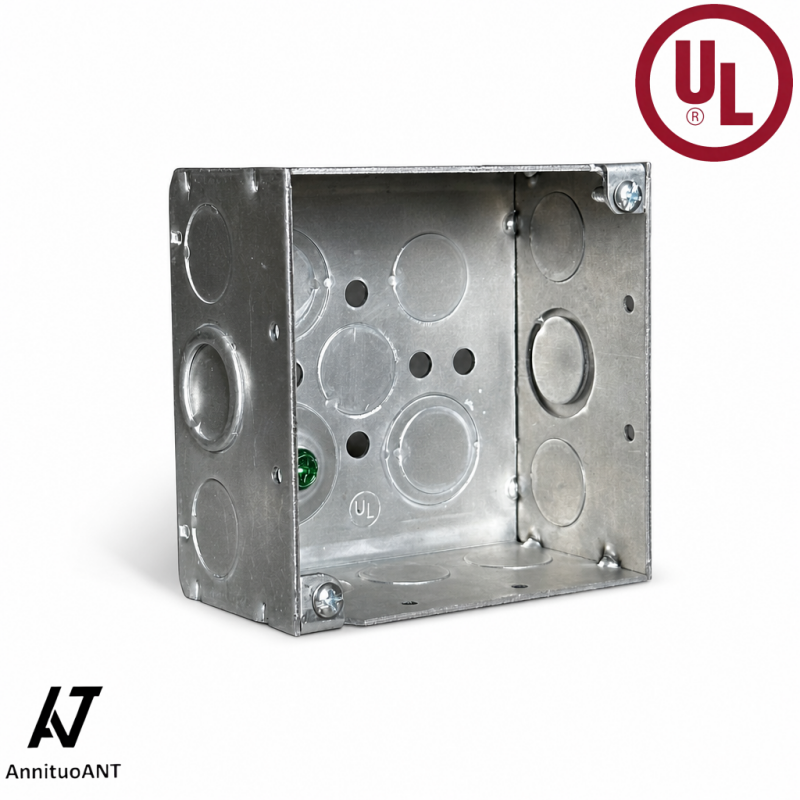
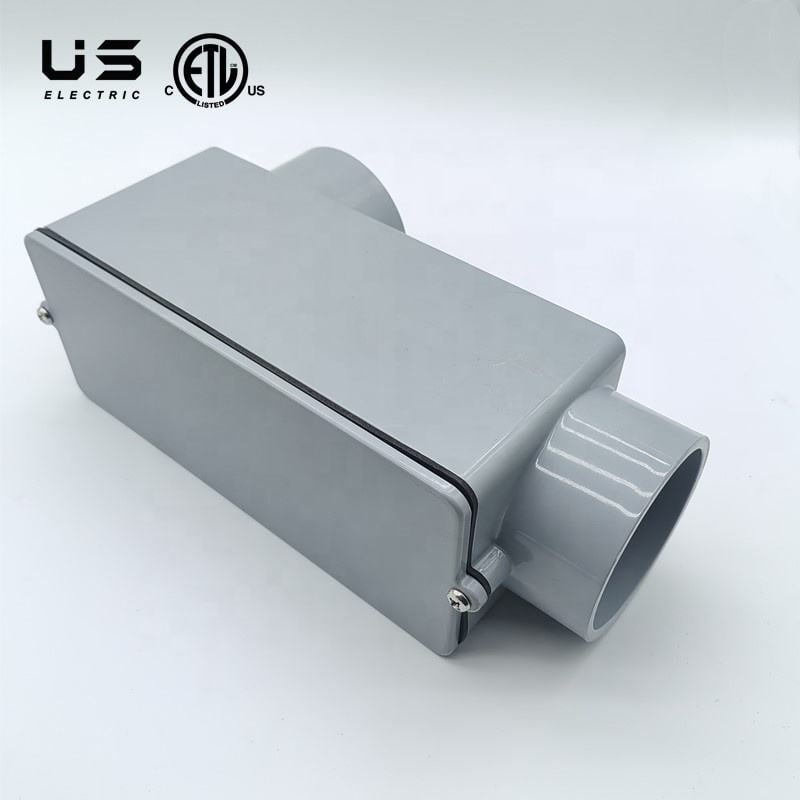
Material: Outlet boxes are typically made from metallic or non-metallic materials. Metallic boxes, often made from steel or aluminum, provide better grounding and durability, while non-metallic boxes, usually made from PVC or fiberglass, are lighter and resistant to corrosion.
Size and Dimensions: The size of the outlet box must match the type and number of connections being housed. Common sizes range from 1-gang to 4-gang boxes. It's essential to consider the volume of wires that will be placed inside, as overcrowding can lead to safety hazards.
Type of Mounting: Outlet boxes can be surface-mounted or recessed. Surface-mounted boxes are easy to install and ideal for retrofitting, while recessed boxes provide a cleaner look in new constructions.
Certifications: Ensure that the outlet boxes are certified by recognized standards, such as UL/cUL and ETL/cETL. These certifications demonstrate compliance with safety and performance standards.
Weather Resistance: For outdoor applications, select outlet boxes rated for wet or damp locations to ensure they can withstand environmental conditions.
Understanding these specifications allows buyers to select outlet boxes that are suitable for their specific applications, ensuring safety and compliance in electrical installations.
When purchasing outlet boxes in bulk, several factors should be considered to ensure that the selected boxes meet project specifications and budget limitations:
Project Requirements: Assess the specific needs of your project, including the type of installation (residential or commercial), the number of outlets, and whether the boxes will be exposed to moisture or harsh conditions.
Customization Options: Many manufacturers, like Jiaxing ANT Electrical Co., Ltd., offer OEM/ODM solutions, allowing buyers to customize designs to fit unique project requirements. This can include size variations, material choices, and specific features such as tamper-proof designs.
Minimum Order Quantities (MOQ): Check the manufacturer’s MOQ policy. This is crucial for budgeting and ensuring that you can meet project timelines without overcommitting.
Lead Time: Confirm the lead time for bulk orders, especially if customizations are required. This can impact project schedules significantly.
Cost Considerations: Evaluate pricing structures, including bulk purchase discounts. Compare prices among suppliers while considering the quality of materials and certifications.
By carefully considering these factors, buyers can select the right weatherproof outlet box that meet both functional and budgetary needs for their projects.
Quality is a paramount concern when purchasing Anita outlet boxes wholesale. Here are key aspects to consider:
Material Quality: Assess the materials used in manufacturing the outlet boxes. For metallic boxes, check for corrosion resistance and durability. Non-metallic options should be robust enough to endure environmental conditions without degrading.
Manufacturing Processes: Understand the manufacturing capabilities of the supplier. High-quality outlet boxes are typically produced using advanced techniques that ensure consistent dimensions and structural integrity.
Quality Control Measures: Inquire about the supplier’s quality control processes. Reliable manufacturers will have stringent testing protocols in place to ensure that each batch meets safety and performance standards.
User Reviews and Certifications: Look for user reviews or case studies that highlight the performance of the outlet boxes in real-world applications. Certifications from recognized bodies (like UL or ETL) can provide additional assurance of quality.
Sample Approval: Request samples before placing a bulk order. This allows buyers to inspect the quality firsthand, ensuring the dimensions, fit, and finish meet expectations.
By focusing on these quality evaluation criteria, buyers can make informed decisions that lead to reliable and safe electrical installations.
Finding a reliable supplier for outlet boxes is essential for ensuring a steady and quality supply. Here are strategies to identify trustworthy manufacturers:
Industry Associations and Trade Shows: Attend electrical and construction trade shows and explore industry associations for reputable manufacturers. These platforms provide opportunities to meet suppliers and assess their products firsthand.
Online Directories and Marketplaces: Utilize industry-specific online directories or B2B marketplaces where manufacturers list their products. Look for suppliers with a good reputation and positive feedback from previous clients.
Certifications and Compliance: Research suppliers that have relevant industry certifications. This is an indicator of their commitment to quality and safety standards.
Request References: Ask potential suppliers for references from other B2B buyers. This can provide insight into their reliability, customer service, and product quality.
Local vs. International Suppliers: Consider the advantages of local suppliers, such as shorter shipping times and lower transportation costs, versus international suppliers that may offer competitive pricing on bulk orders.
By employing these strategies, buyers can identify reliable suppliers that meet their needs for quality outlet boxes.
Understanding the advantages and disadvantages of Anita outlet boxes can help buyers make informed purchasing decisions.
Enhanced Safety: Properly installed outlet boxes provide a secure environment for electrical connections, reducing the risk of electrical fires.
Versatility: Available in various materials and sizes, outlet boxes can accommodate a wide range of applications, from residential to industrial.
Customizability: Many manufacturers offer customization options, allowing buyers to tailor products to fit specific project needs.
Installation Challenges: Incorrect installation can lead to safety issues. Buyers must ensure that their installation team is experienced and knowledgeable.
Material Limitations: Certain materials may not be suitable for specific environments. For example, metallic boxes may not be ideal for highly humid conditions without appropriate treatment.
Price Variability: The cost of external electrical outlet box can vary significantly based on material, size, and custom features. Buyers need to balance budget constraints with quality requirements.
By weighing these pros and cons, buyers can better navigate their purchasing decisions to select the most suitable outlet boxes for their projects.