 EN
Quick Links
Understanding outdoor terminal boxes is essential for professionals involved in electrical installations, as they provide critical protection and connectivity for outdoor electrical connections. We will explore key considerations for selecting the right outdoor Anita terminal box for your project needs, specifications to look for, common challenges, and the various applications across industries. By the end, you will have a clear understanding of how to make informed decisions that align with your project requirements.
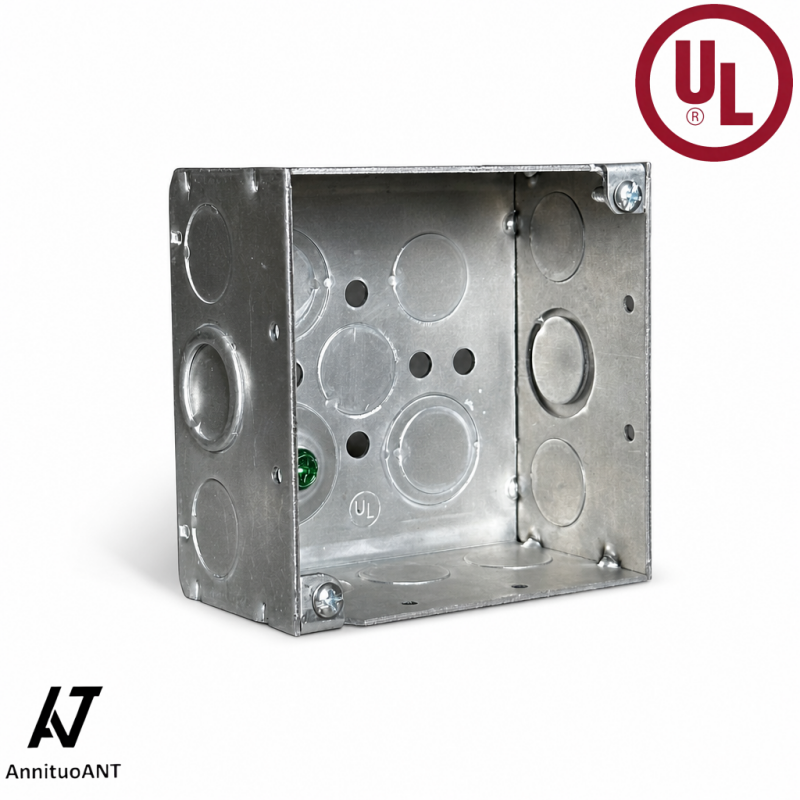
When selecting an outdoor terminal box, the first step is to assess the specific requirements of your project. Factors such as the environment where the box will be installed, the type of wiring or connections it will accommodate, and the desired level of protection against the elements are crucial. Anita outdoor outlet box are designed to withstand moisture, dust, and temperature fluctuations, so look for options that feature durable materials like polycarbonate or powder-coated metal to ensure longevity.
Additionally, consider the size and layout of the terminal box. It should provide ample space for all necessary connections while allowing for easy access during installation and maintenance. If your project involves custom configurations, manufacturers like Jiaxing ANT Electrical Co., Ltd. offer OEM/ODM solutions that can cater to your precise needs.
When sourcing outdoor terminal boxes, several key specifications should be evaluated:
Material: The material of the terminal box significantly impacts its durability and weather resistance. Non-metallic options like fiberglass or PVC are lightweight and resistant to corrosion, while metallic enclosures, such as those made from aluminum or stainless steel, offer enhanced strength and are suitable for harsher conditions.
Ingress Protection (IP) Rating: The IP rating measures the enclosure's ability to protect against the ingress of solid objects and liquids. For outdoor applications, a minimum IP65 rating is recommended, ensuring the box is dust-tight and protected against water jets.
Temperature Range: Ensure the terminal box can handle the expected temperature fluctuations in your installation location. Different materials have varying temperature tolerances, which may affect the box's performance over time.
Dimensions and Mounting Options: Verify that the dimensions of the terminal box fit your wiring and installation requirements. Additionally, consider the mounting options available, such as wall-mount or pole-mount installations, to ensure compatibility with your site setup.
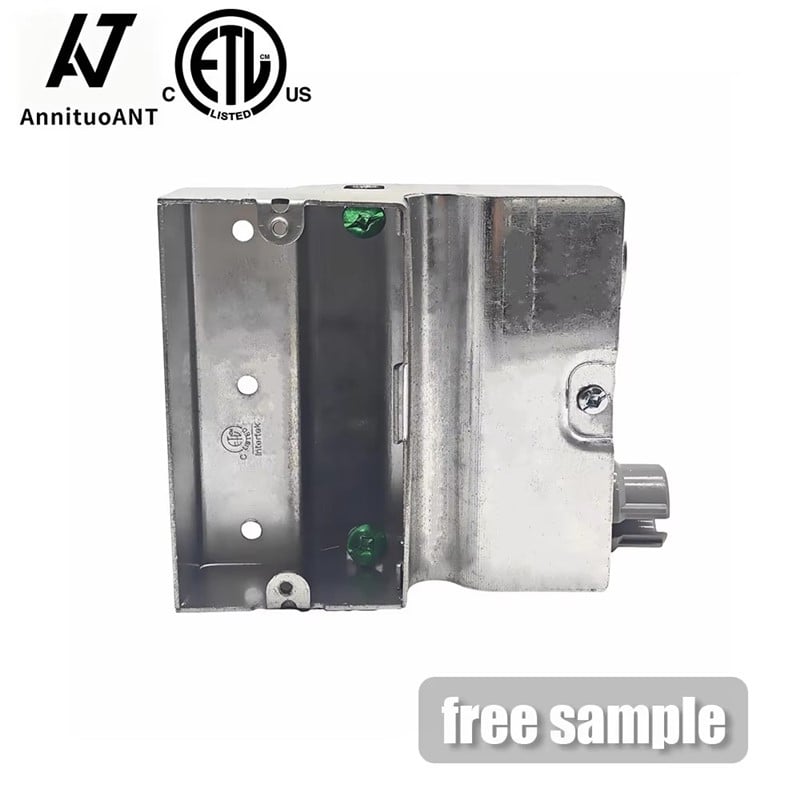
Certification: Look for outdoor terminal boxes that meet relevant industry standards, such as UL/cUL and ETL/cETL certifications. These certifications ensure that the product has undergone rigorous testing for safety and performance.
Cost is a significant consideration for any project, and understanding the factors that influence the price of outdoor terminal boxes can help you make budget-friendly decisions. Key cost drivers include:
Material Type: Non-metallic boxes are typically less expensive than their metallic counterparts due to lower material costs. However, investing in a robust metallic box may save money in the long run by reducing replacement needs.
Customization: Custom designs tailored to specific project requirements can increase costs. If your project requires unique features, such as additional cable entry points or specific mounting options, factor these into your budget.
Volume Discounts: Purchasing in bulk often leads to lower unit prices. Consider your project’s scale and discuss volume pricing with manufacturers like Jiaxing ANT Electrical Co., Ltd. to maximize savings.
Shipping and Handling: Depending on your location, shipping costs can vary significantly. Understanding these costs upfront will help you calculate the total expense associated with your order.
Outdoor terminal boxes can face several common challenges, but knowing how to address these issues can ensure smooth operation:
Moisture Ingress: One of the primary concerns for outdoor terminal boxes is moisture entering the box, which can lead to corrosion and electrical failures. To mitigate this risk, ensure that the box's seals are intact and consider using additional sealing compounds during installation.
Temperature Fluctuations: Extreme temperature changes can cause materials to expand and contract, potentially compromising the integrity of the box. Choosing materials specifically rated for your climate and ensuring proper ventilation can help alleviate this issue.
Physical Damage: Outdoor terminal boxes are exposed to environmental hazards, including impacts from debris or animals. Selecting a robust design with reinforced edges or impact-resistant materials can minimize the risk of damage.
Improper Installation: Installation errors can lead to premature failure. It is essential to follow the manufacturer's guidelines and to conduct regular inspections to ensure that the box remains securely mounted and free from obstructions.
Outdoor terminal boxes find applications across multiple industries, thanks to their versatility and protective features:
Construction and Infrastructure: In construction sites, outdoor terminal boxes are utilized to manage electrical connections for temporary power supplies, ensuring safe and reliable power distribution.
Telecommunications: These boxes play a critical role in housing connections for outdoor telecommunications equipment, protecting sensitive electronics from environmental factors.
Renewable Energy: In solar energy installations, outdoor terminal boxes safeguard the connections between solar panels and inverters, helping maintain system efficiency and reliability.
Transportation: In the transportation sector, outdoor terminal boxes are used for signaling and communication systems on roads and railways, providing essential protection against weather conditions.
By understanding the specific requirements and applications of outdoor terminal boxes, buyers can make informed choices that enhance the reliability and safety of their electrical systems. Whether you're involved in construction, telecommunications, or renewable energy, these enclosures are essential components in ensuring durable and efficient electrical connections.