EN
Quick Links
Choosing the right outdoor joint box is critical for ensuring the safety and reliability of electrical installations exposed to outdoor environments. These Anita enclosures protect electrical connections from moisture, dust, and mechanical damage, which are common in commercial and industrial applications. For B2B buyers, understanding product specifications, installation challenges, and material choices can significantly impact the overall effectiveness and longevity of the installation. This article aims to provide insights into selecting an exterior junction box, evaluating its quality, and addressing common installation issues.
When selecting an outdoor joint box, several key factors must be considered to ensure compatibility with the specific electrical application. First, assess the environmental conditions where the joint box will be installed. Factors such as exposure to moisture, temperature fluctuations, and potential physical impacts should guide the choice of materials and sealing mechanisms. For instance, a joint box made from high-impact polycarbonate or metallic materials with corrosion-resistant coatings may be ideal for harsher conditions.
Next, consider the space and layout requirements of the project. The dimensions of the outdoor joint box must accommodate the number of connections and the size of the wiring used. Ensure that the box provides enough room for installation and maintenance while complying with local electrical codes. Additionally, the ingress protection (IP) rating is vital; a higher rating indicates better protection against dust and water.
Lastly, verify that the joint box meets relevant certifications, such as UL or ETL. These certifications ensure that the product adheres to safety standards, which is essential for minimizing risk in commercial installations.
Evaluating the quality of an outdoor joint box begins with examining its material specifications. For instance, high-quality joint boxes are often constructed from durable materials like polycarbonate or fiberglass, which offer excellent resistance to UV radiation and weathering. Buyers should also consider the thickness of the material, as thicker walls generally provide better impact resistance and insulation.
Another critical specification is the sealing method used to protect against moisture ingress. Look for joint boxes with gasket seals or O-ring designs, as these enhance the enclosure's waterproof capabilities. Additionally, check for proper ventilation features, as inadequate ventilation can lead to temperature buildup and potential failure of electrical components.
Buyers should also request detailed product data sheets from suppliers to understand the mechanical and electrical ratings of the joint box. This includes load-bearing capabilities, temperature ratings, and compatibility with various wiring types. Inspecting samples before placing bulk orders can help ensure that the specifications align with project requirements.
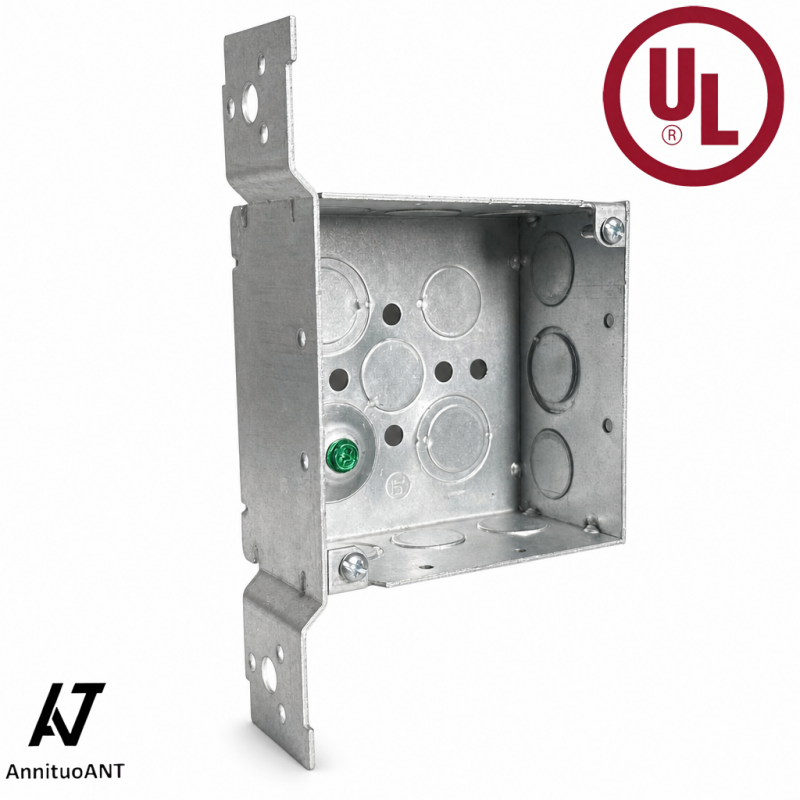
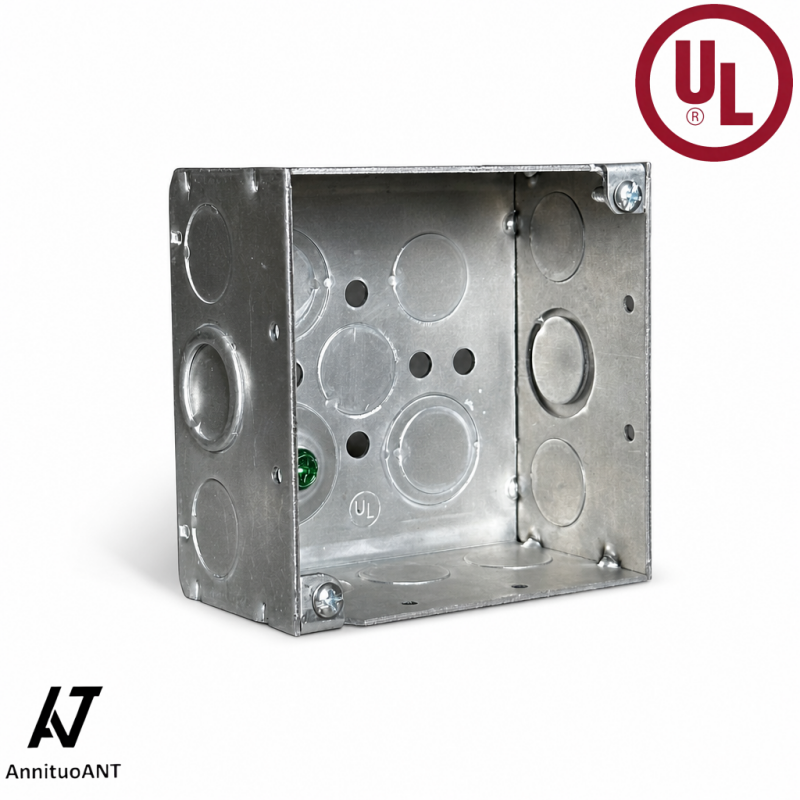
When considering bulk orders of Anita outdoor joint boxes, several cost factors come into play. The material choice significantly impacts pricing; for example, waterproof junction box typically cost more than non-metallic options due to their durability and corrosion resistance. Additionally, customizations such as specific sizes, colors, or branding can increase the overall cost.
Another factor to account for is the Minimum Order Quantity (MOQ). Many manufacturers have a MOQ that may affect pricing dynamics. It's often more cost-effective to order in bulk, but ensure that the quantity ordered aligns with project needs to avoid overstocking.
Shipping and logistics should also be considered when calculating total costs. Factors such as the delivery location, packaging requirements, and lead times can influence overall expenses. Buyers should inquire about potential discounts for larger orders and compare quotes from multiple suppliers to ensure competitive pricing.
Installation of outdoor joint boxes can present various challenges. One common issue is improper sealing, which can lead to moisture ingress and electrical failure. It's crucial to ensure that all seals are intact and correctly applied during installation. For added protection, consider using sealant compounds or silicone around the edges to enhance waterproofing.
Another frequent problem is inadequate mounting. Joint boxes must be securely fastened to withstand environmental stresses. Using appropriate anchors and verifying that the mounting surface is stable can mitigate this issue. Additionally, be mindful of cable entry points; ensuring that cables are not subject to strain or bending can prolong the lifespan of the installation.
Lastly, ensure that all connections are adequately tested post-installation. Using a multimeter to check for continuity and proper grounding can help identify potential issues before they escalate. Regular inspections and maintenance can further prevent installation-related problems over time.
The material used in the construction of Anita outdoor joint boxes plays a crucial role in their performance and suitability for specific applications. Non-metallic options, such as polycarbonate, are lightweight and resistant to corrosion and UV degradation. These materials are often preferred for environments where moisture and chemical exposure are concerns, as they do not conduct electricity, reducing the risk of electrical hazards.
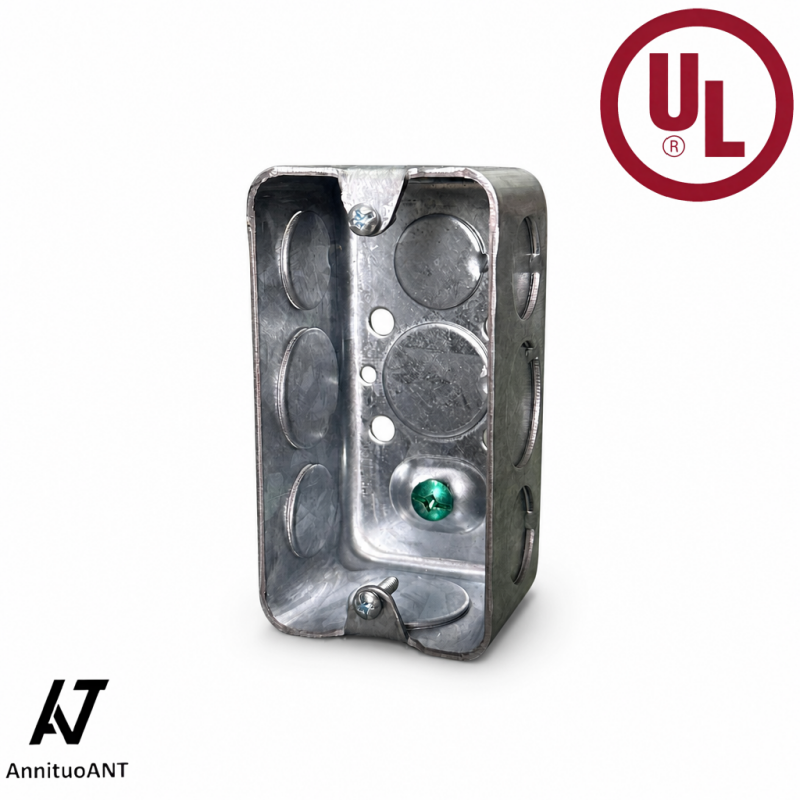
On the other hand, metallic joint boxes, typically made from aluminum or stainless steel, provide superior strength and durability. These materials are ideal for industrial applications where physical impacts are likely. Metallic boxes often come with additional protective coatings to enhance their resistance to corrosion, making them suitable for outdoor use.
When selecting materials, consider the specific application requirements, including temperature ranges and environmental factors. For example, applications in coastal areas may benefit from corrosion-resistant materials that can withstand saltwater exposure.
understanding the essential factors influencing the selection of outdoor outlet box is crucial for making informed purchasing decisions. By considering environmental conditions, material specifications, and installation practices, B2B buyers can ensure the reliability and longevity of their electrical systems.