EN
Quick Links
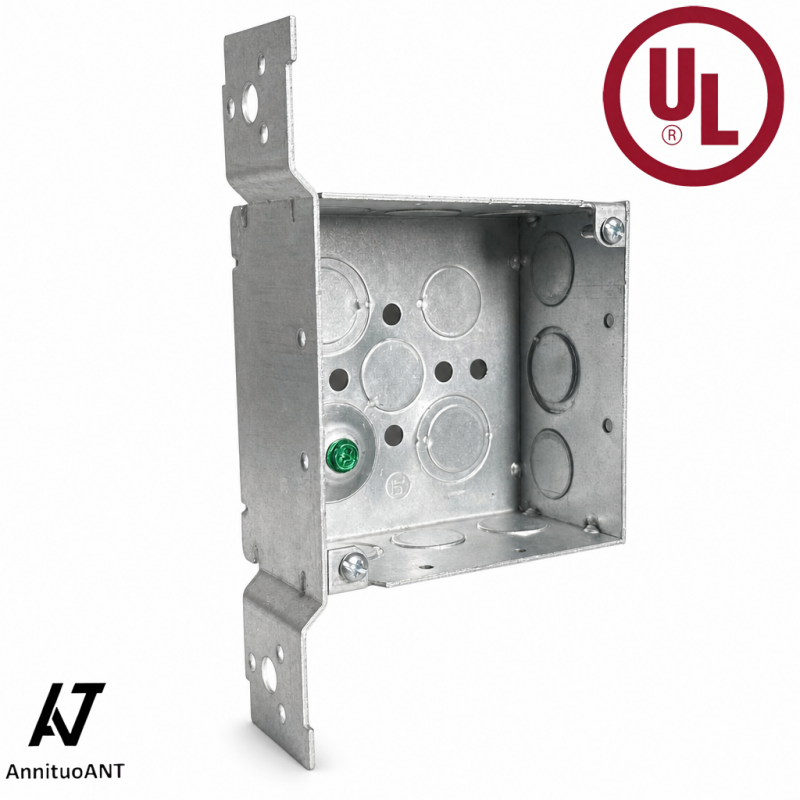
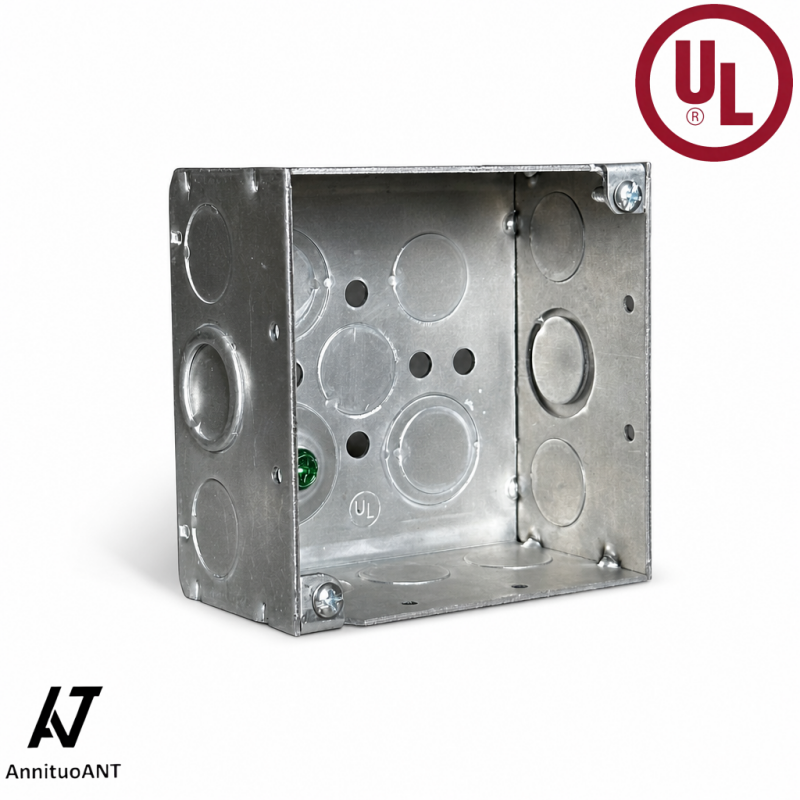
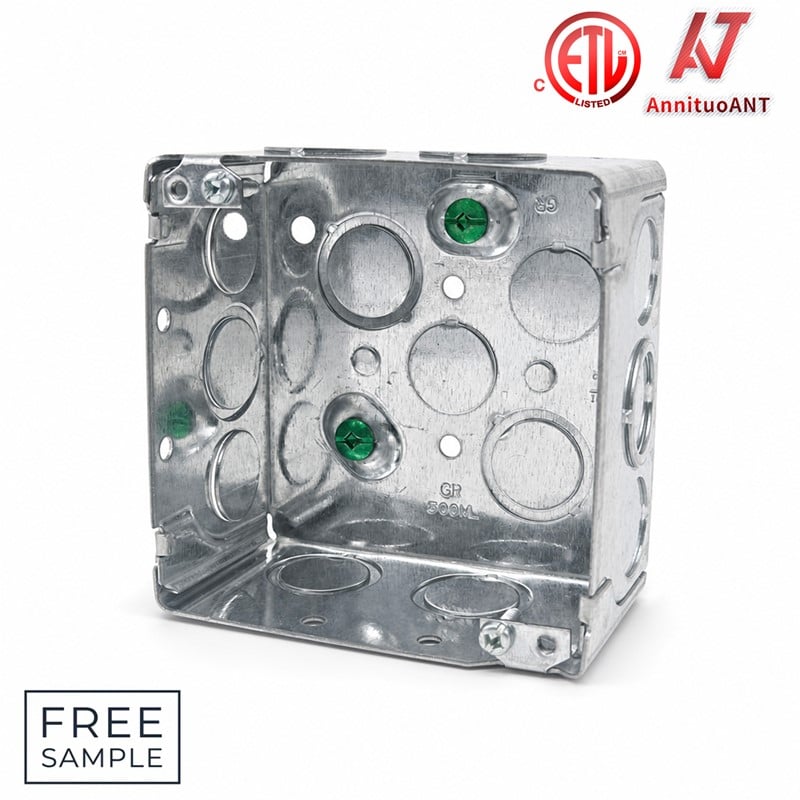
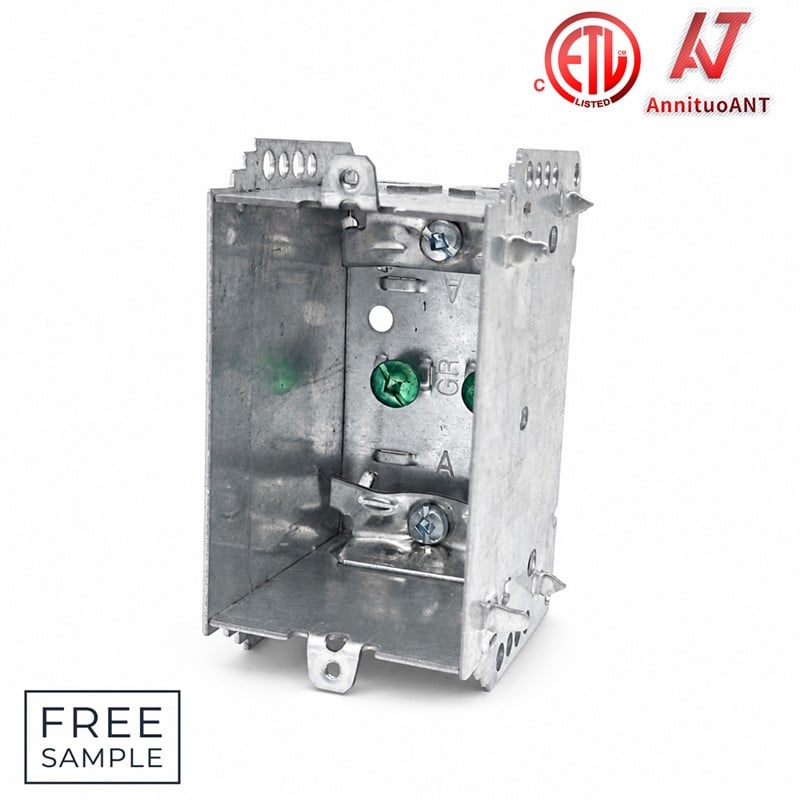
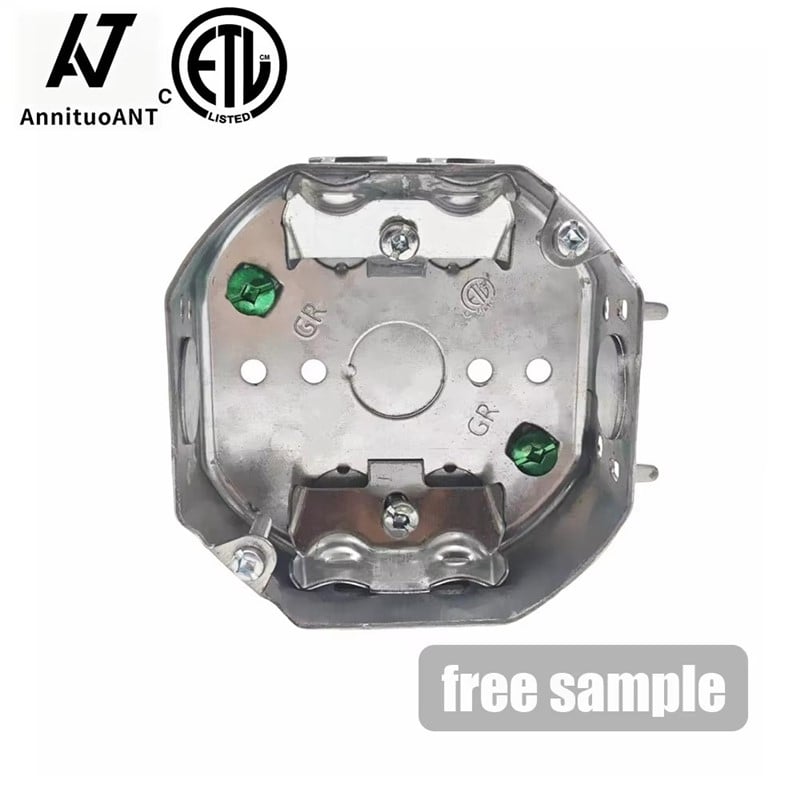
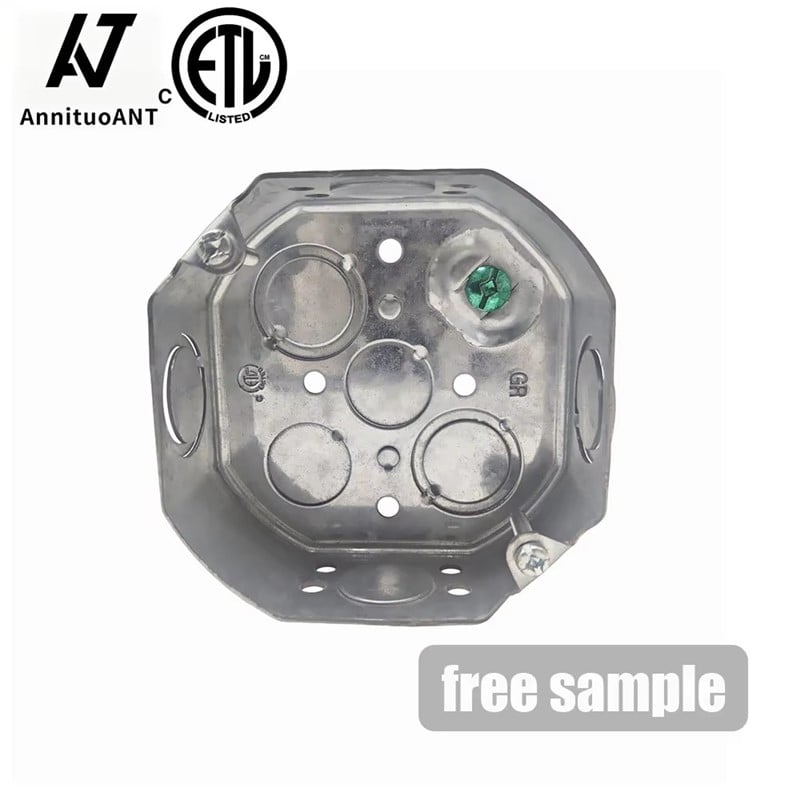
Metal junction boxes (metal J boxes) are essential components in electrical installations, providing a safe and secure environment for wiring connections. For B2B buyers such as purchasing managers, engineers, and contractors, selecting the right metal J box is crucial, as it impacts safety, durability, and compliance with local regulations. This article will guide you through choosing the appropriate non metallic electrical conduit for your specific project needs, helping you make informed purchasing decisions while addressing key specifications and quality factors.
When selecting a metal J box, it's important to consider the specific requirements of your project. The first step is to assess the environment in which the box will be installed. Factors such as exposure to moisture, chemicals, or extreme temperatures can dictate the type of metal and design needed. For instance, galvanized steel boxes are often preferred for outdoor applications due to their corrosion resistance, while aluminum boxes may be suitable for lightweight applications.
Next, evaluate the dimensions and capacity of the metal J box. Ensure that the box can accommodate all wiring and connections without overcrowding, which could lead to overheating or electrical failure. Additionally, consider local electrical codes that may dictate specific sizes or configurations. By aligning your selection with both project specifications and regulatory requirements, you can ensure a successful installation.
When comparing Anita metal J boxes for wholesale purchasing, focus on key specifications such as material type, thickness, and finish. The material affects durability and corrosion resistance; for example, stainless steel boxes are ideal for harsh environments, while painted steel offers aesthetic appeal for indoor use.
Thickness is another critical factor; a thicker box generally provides better protection against physical damage and electromagnetic interference. Check the UL/cUL and ETL/cETL certifications, which indicate that the product meets industry safety standards. This is particularly important for B2B buyers concerned about compliance and liability.
Additionally, consider the packaging and shipping options. Metal J boxes should be securely packaged to prevent damage during transport. Understanding minimum order quantities (MOQ) is also essential for planning your inventory and budgeting.
Quality is paramount when selecting metal J boxes, as substandard options can lead to electrical failures or safety hazards. Key quality factors include:
Material Quality: Look for high-grade metals that resist corrosion and wear. For instance, 14-gauge steel is commonly used for its strength and durability.
Weld Quality: Inspect the welds, as poor welding can lead to structural weaknesses. A consistent and clean weld indicates good manufacturing practices.
Finish and Coating: The surface finish should be smooth to prevent sharp edges that could harm installers or users. Additionally, a proper coating can enhance corrosion resistance.
Compliance Testing: Ensure that the boxes have been tested for electrical safety and that they meet local codes. Certifications from recognized organizations like UL or ETL provide assurance of quality.
By focusing on these factors, contractors can select metallic conduit that meet high performance and safety standards.
Proper installation of Anita metal J boxes is critical to the safety and functionality of electrical systems. Before installation, review the manufacturer's guidelines and local electrical codes to ensure compliance. Key installation considerations include:
Mounting: Metal J boxes should be securely mounted to prevent any movement that could stress the wiring connections. Use appropriate anchors or screws based on the surface material.
Wiring Connections: Ensure that all wiring is properly terminated and that wire connections are secure. Avoid overfilling the box, as this can lead to overheating.
Grounding Requirements: Metal boxes typically require grounding to ensure safety. Follow the manufacturer's instructions on how to properly ground the box, as this is crucial for preventing electrical shock.
Sealing and Weatherproofing: For outdoor applications, consider using gaskets or sealing compounds to protect against moisture ingress. This is essential for maintaining the integrity of the electrical connections.
By adhering to these installation guidelines, you can help prevent common electrical issues and ensure the longevity of the installation.
Anita Metal J boxes are made from various materials, each offering distinct advantages depending on the application.
Steel: Known for its strength and durability, steel J boxes are ideal for heavy-duty applications. Galvanized steel provides excellent corrosion resistance, making it suitable for outdoor or harsh environments.
Aluminum: Lightweight and resistant to corrosion, aluminum J boxes are suitable for applications where weight is a concern. They are often used in commercial buildings where aesthetic considerations are important.
Stainless Steel: For environments with high exposure to chemicals or moisture, stainless steel J boxes are the preferred choice due to their superior corrosion resistance. They are commonly used in food processing and pharmaceutical industries.
Coated Steel: Coated options offer a balance between aesthetics and functionality. They can be painted to match the interior design while still providing the structural integrity of steel.
When selecting a material, consider the specific environmental conditions and operational requirements. Understanding these advantages allows you to choose the best metal J box tailored to your project's needs.
By focusing on your project requirements, comparing specifications, evaluating quality factors, adhering to installation guidelines, and understanding material advantages, you can make informed decisions when selecting flexible metallic. These considerations will not only ensure compliance with regulations but also enhance the safety and performance of your electrical installations.