 EN
EN
Quick Links
Ground fault plugs are kind of like superhero creatures that rescue us from being shocked by electrical currents. They are meant to sense when electricity starts flowing somewhere it shouldn’t, such as through water or a person’s body. Rather than allow the electricity to continue rushing out, potentially doing harm, the plug cuts off the current before anyone gets hurt. This is why it is so important to have ground fault circuit plugs in water-exposed areas, such as kitchens and bathrooms.
Ground fault plugs are actually quite clever. They are always watching the electric current passing through them. If they do not feel the electricity is flowing through the proper channel, they kill the power immediately. This swift action prevents electric shocks and can literally save lives. It’s as if there were a safety guard on the electricity in our homes and workplaces, ensuring that we’re all safe.
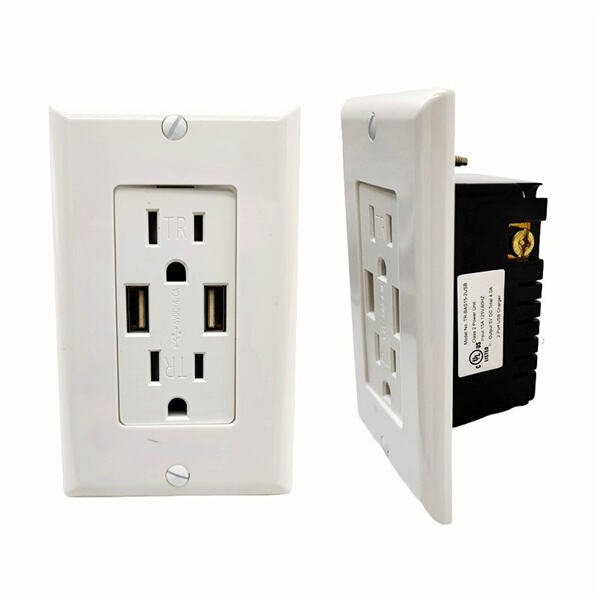
There are many benefits to having a ground fault outlet installed in your home or business. The biggest benefit is safety. With these plugs, the likelihood of electric shock or fire is minimized by a large margin. That gives you the peace of mind, knowing that your family, your friends, and your co-workers are safeguarded. Plus, investing in ground fault plugs can also help prevent damage to your electronic devices and appliances, so it's a money-saver in the long run.
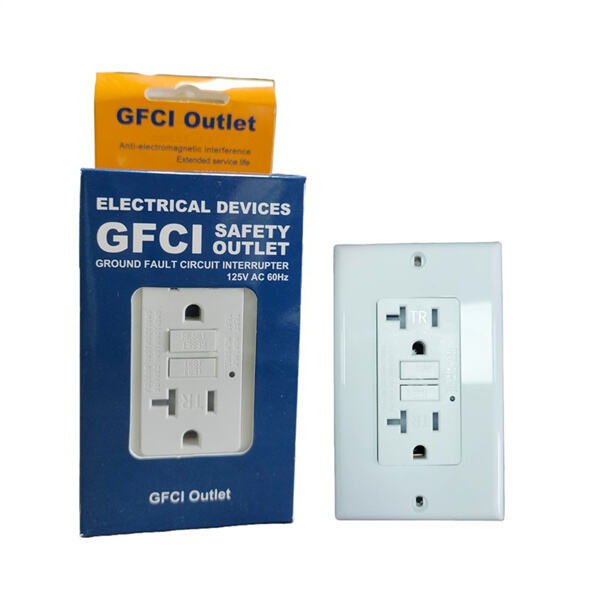
So these ground plug cords are handy little things. For instance, if you accidentally drop a toaster into a sink that still has water in it, and the toaster is plugged in, the GFCI plug will instantly shut off the electricity, preventing you from receiving an electric shock. Another application where ground fault plugs are essential is for outdoor power tools.
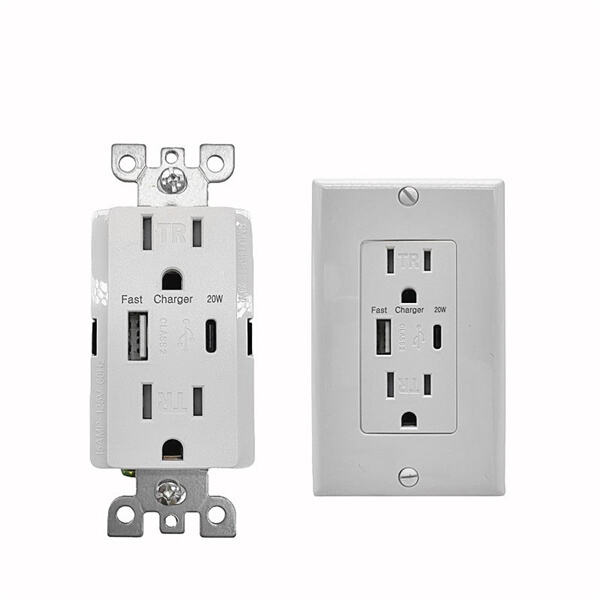
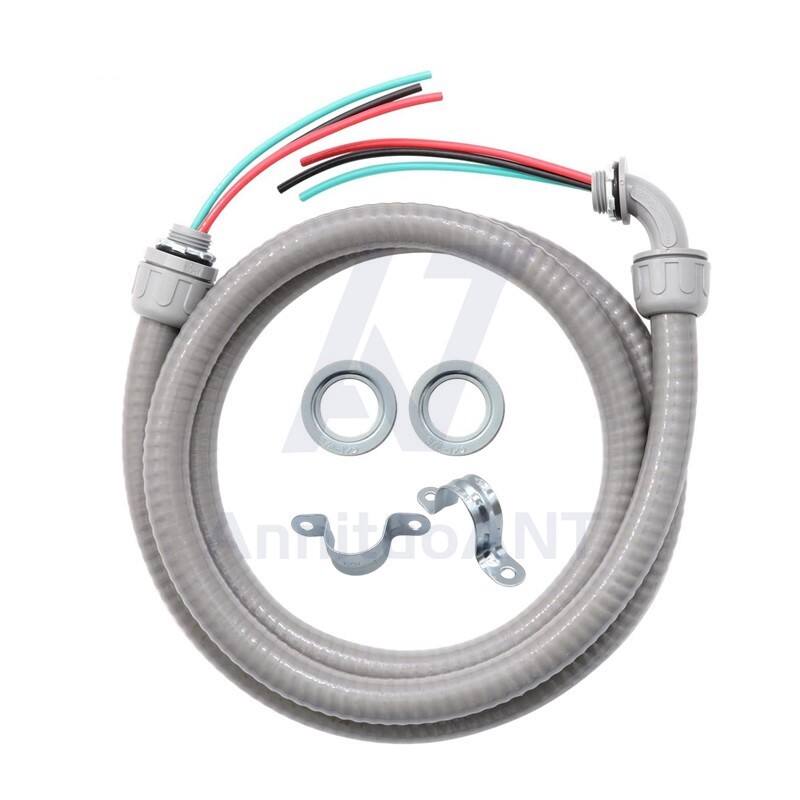
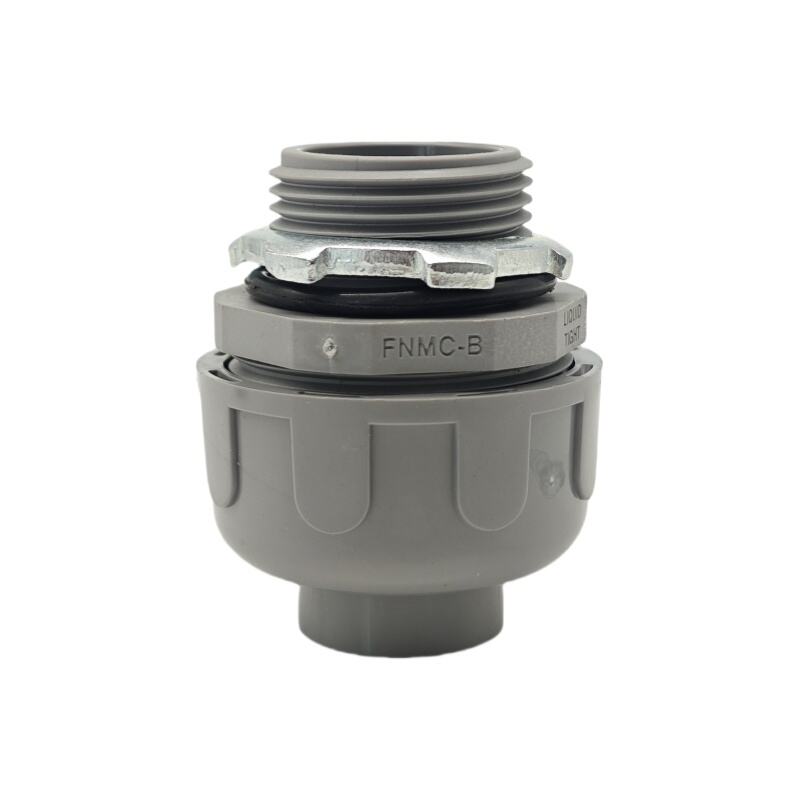
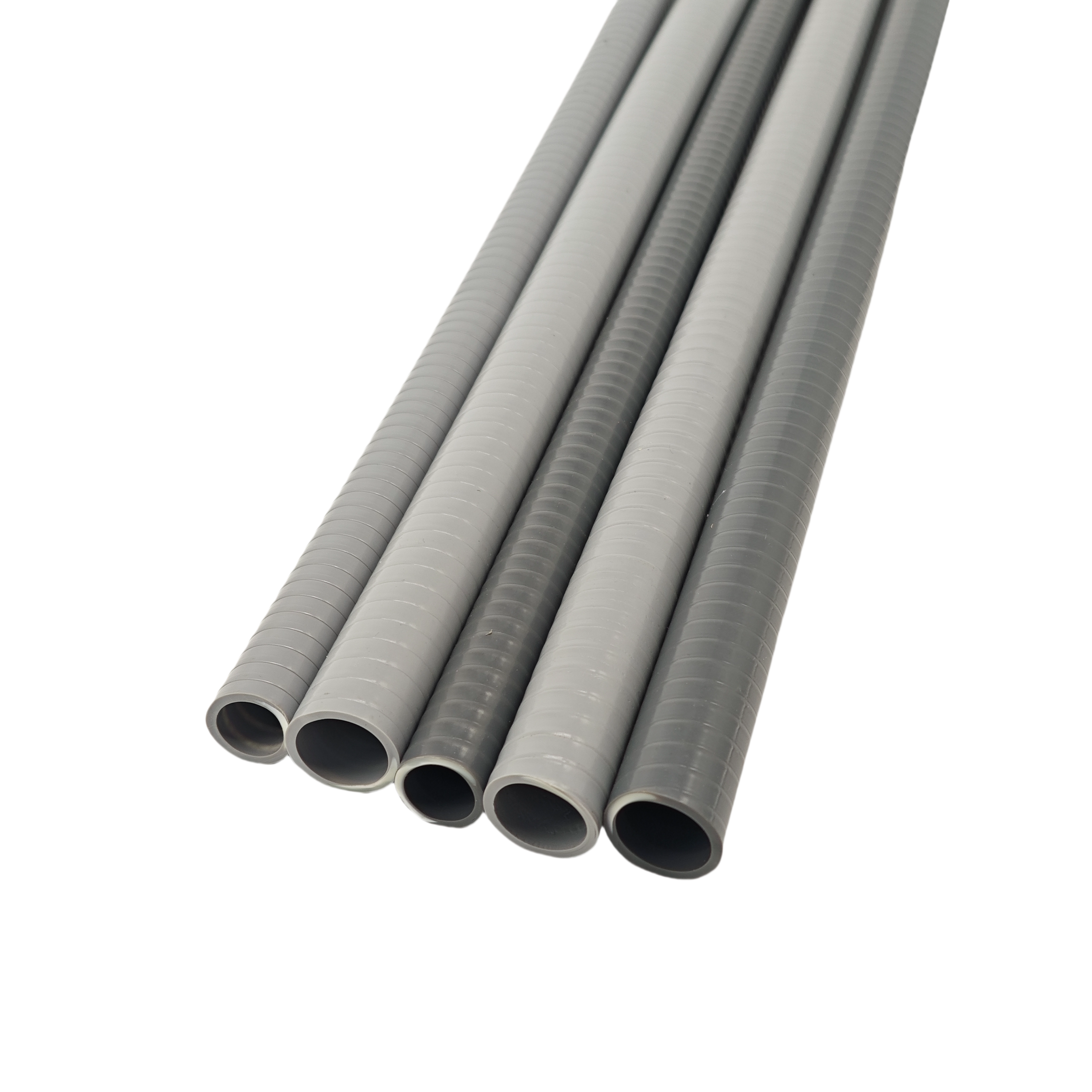
There are a few things you’ll need to consider when selecting the perfect flexible conduit non metallic & ground fault plug for your specific electrical requirements. Check that the plug is compatible with the types of outlets you have at home or at your workplace. Also take into account the space in which the plug is to be installed. For outdoor applications select a weatherproof ground fault plug. Lastly, look at the amperage rating of the plug, and make sure that it can support the electrical load that your equipment will draw. Thinking about these factors can help you choose the right ground fault plug to prevent electrical accidents for you and others.